Hi -,
It’s dry, very dry. Nearly two-thirds of the continental US is in the grips of its worst-ever spring drought, and with a record-low snowpack, it is expected to get even worse.
Swathes of other continents are also suffering drought, which could be compounded by an increasingly likely super El Niño. Combined with fuel and fertiliser disruptions, it could create the worst food shock ever. Even the rainy UK is facing more frequent and intense droughts that threaten its way of life, the Climate Change Committee recently warned.
|
|
|
|
|
Hi -,
It’s dry, very dry. Nearly two-thirds of the continental US is in the grips of its worst-ever spring drought, and with a record-low snowpack, it is expected to get even worse.
Swathes of other continents are also suffering drought, which could be compounded by an increasingly likely super El Niño. Combined with fuel and fertiliser disruptions, it could create the worst food shock ever. Even the rainy UK is facing more frequent and intense droughts that threaten its way of life, the Climate Change Committee recently warned.
|
|
|
|
In response to growing “water bankruptcy”, the US, China, Iran and some 50 other countries have turned to cloud seeding, a Cold War-era technology developed partly by Kurt Vonnegut’s brother that aims to create artificial precipitation.
It has long been the domain of charlatans. But in recent years, scientists finally proved that in some cases, silver iodide particles dropped into clouds can freeze into ice that falls to Earth as rain or snow. Rainmaker, one of several new start-ups in this industry, now has contracts with five US states to help end chronic drought.
Desperate times call for desperate measures. Or do they? Can cloud seeding create enough precipitation to stop the drying of the Great Salt Lake and the Colorado river, as Rainmaker claims? The technology seems to have produced more conspiracy theories about weather modification than actual weather modification, at least so far…
Read more in our feature about cloud seeding, or scroll down for other environmental stories this month that instilled hope, horror or some strange feeling in between.
|
|
|
|
The ‘doomsday’ glacier’s giant ice shelf is about to break away |
|
|
|
Chang W. Lee/New York Times/ Redux/eyevine |
|
|
|
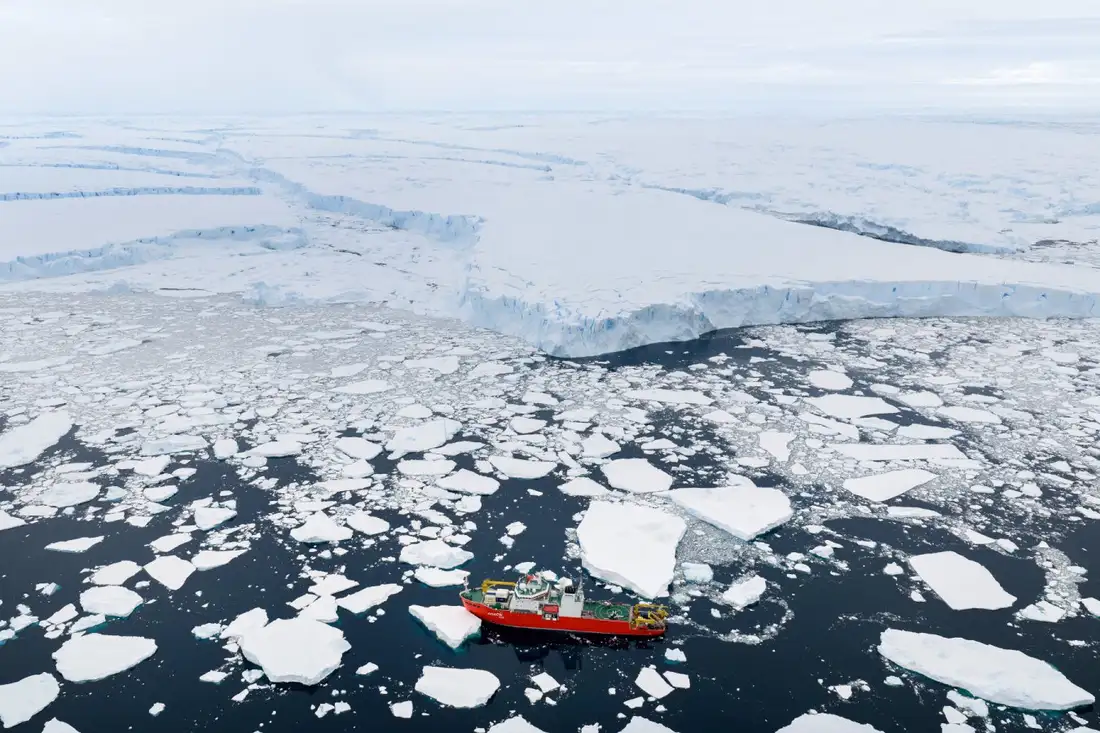
The floating ice shelf of world’s widest glacier – Thwaites glacier in Antarctica – is detaching, with worrying implications for global sea level rise. Read more. |
|
|
|
How I pay almost nothing to power my house and electric car |
The ongoing closure of the Strait of Hormuz has seen energy prices soar, but Alice Klein pays just A$25 (£13) a month for her electricity, even when charging an electric car or running an air conditioner. Read more. |
|
|
|
Arctic fires are releasing carbon stored for thousands of years |
A study of soils around the Arctic and boreal forests has found that some wildfires are releasing carbon stored over millennia, meaning higher CO2 emissions than assumed. Read more. |
|
|
|
First test of CO2 removal with green sand finds no harm to marine life |
Adding olivine to the ocean could remove CO2 from the atmosphere, and a pilot project in New York state found no signs of adverse effects on seafloor organisms. Read more.
|
|
|
|
Deforestation could trigger Amazon tipping point in the 2030s |
At least 15 per cent of the Amazon has already been lost, and further destruction could unleash widespread rainforest dieback with as little as 1.5°C of global warming. Read more. |
|
|
|
Putting CO2 into rocks and getting hydrogen out is climate double win
|
Storing carbon dioxide in rocks while producing hydrogen from them - and perhaps even geothermal power too - could be a double win on the climate front, and several groups are trying to make it happen. Read more. |
|
|
|
There has been a sudden increase in the rate of sea level rise |
Satellite measurements show that in the early 2010s sea level rise suddenly accelerated to a rate of 4.1 millimetres per year, possibly in response to an increase in the rate of global warming. Read more, or listen to our discussion about this on our podcast, The World, the universe and us.
|
|
|
|
Huge landslide in Alaska caused 481m-high tsunami |
When the slope of a mountain above Tracy Arm fjord, in Alaska, gave way on 10 August 2025, 64 million cubic metres of rock fell into the fjord, causing a 5.4 magnitude seismic event. Read more. |
|
|
|
Melting of Greenland ice sheet could release methane 'fire ice' |
Seismic surveys and sediment cores suggest that dozens of deep pockmarks on the sea floor were created when Arctic methane stores were disrupted by climate change after the last glacial maximum – and scientists warn it could happen again. Read more, or check it out on the podcast.
|
|
|
|
Will Colombia summit kick-start the end of the fossil fuel era? |
With progress at COP climate meetings stalling, 57 countries took part in the first of a new series of conferences aiming to develop road maps away from fossil fuels, but big emitters like China and the US were absent. Read more. |
|
|
|
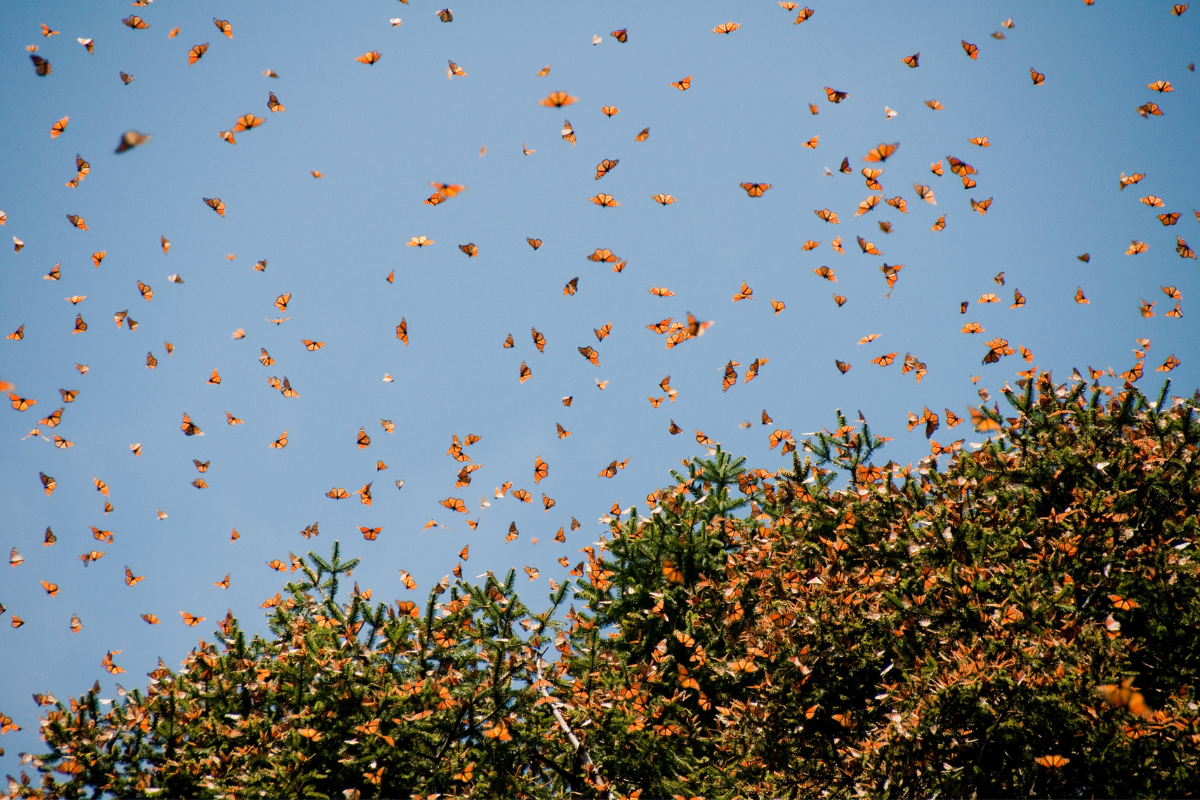
The great monarch butterfly migration: Mexico |
22 February 2027 - 6 days
|
Experience one of the world's most astounding wildlife migrations with extensive time among the butterflies, as well as a chance to enjoy authentic cultural encounters. Find out more |
|
|
|
|
How a radical new view of life could reveal its origin – and aliens |
|
|
|
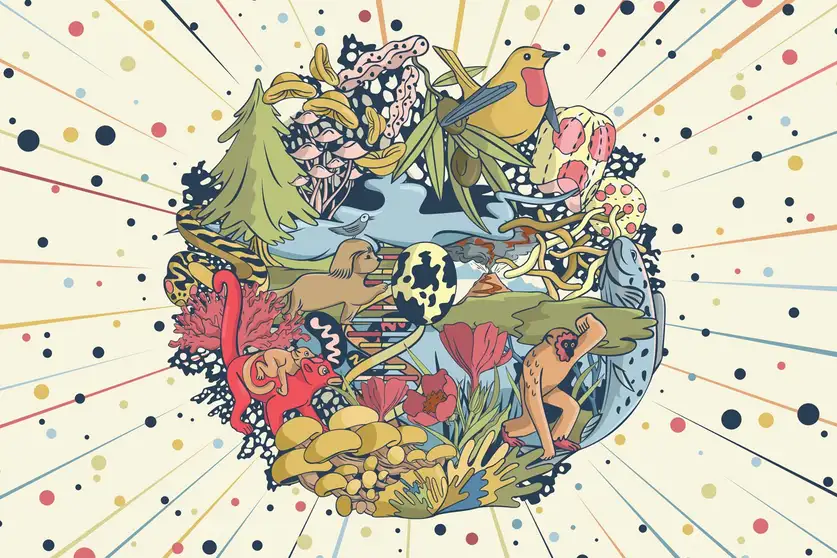
Wherever you are reading this, look around you. Every living thing you can see – other people, pets, trees, flowers, mushrooms – is here because of unions between different species. This symbiosis – which means “living together” – has been neglected in our explanation of biology and ecology thanks to an emphasis on the role of competition in the evolution of life, argues Rowan Hooper. But if we stop focusing on the individual and instead look at life through the lens of togetherness, we get a whole new picture of how life on Earth – and elsewhere – may have begun. Read more.
|
|
|
|
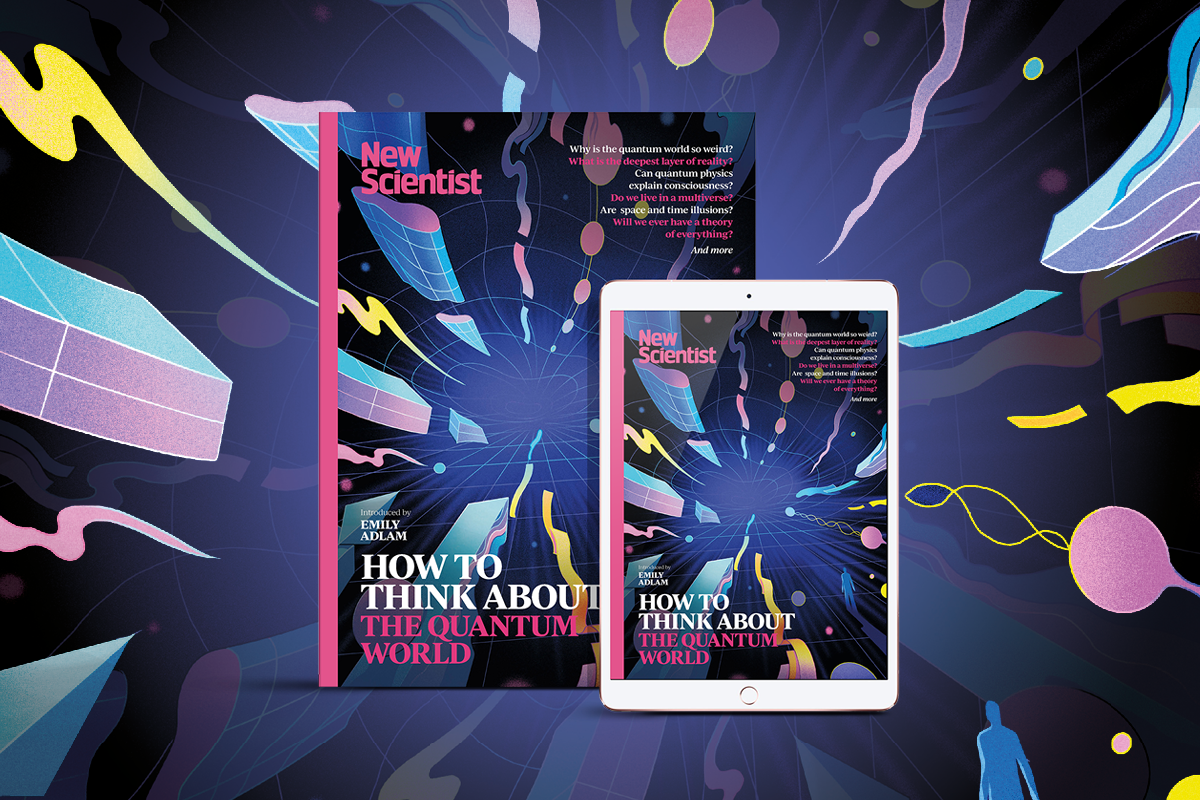
How To Think About The Quantum World |
In this seventh instalment of our How To Think About series, we unpick the most cherished and radical ideas underlying the quantum world and confront its most perplexing mysteries. Shop now
|
|
|
|
|
Get the most from our newsletters |
Health Check: Expert insight and news on scientific developments in health, nutrition and fitness, every Saturday. Sign up
|
Launchpad: Bring the galaxy to your inbox every month, with the latest space news, launches and astronomical occurrences from New Scientist’s Leah Crane. Sign up |
The Daily: The latest on what’s new in science and why it matters each day. Sign up |
|
|
|
That’s all from The Earth Edition this month. Remember, this is just a small selection of all the wonderful environment, earth science and nature stories we publish each month. Do head over to our website to enjoy the full collection.
We’re keen to hear your thoughts about The Earth Edition – feel free to email ideas or comments to me using the contact details below. If you know someone who might enjoy this newsletter, please forward it to them.
|
|
|
|
This email has been sent to -.
Unsubscribe from the Earth Edition newsletter |
Do not reply directly to this email. If you have an enquiry, please contact us using the relevant contact details listed here. |
Copyright © New Scientist Ltd
Registered Office: Northcliffe House, 9 Derry Street, London, W8 5HY
Registered in England. No.10644366
Australian mailing address: PO Box 2315, Strawberry Hills, NSW 2012, Australia
Registered in Australia. ABN 22 621 413 170
Privacy Policy | Terms & Conditions
|
|
|
|
|
|
|