Hi -,
I rarely remember my dreams, but every now and again my unconscious brain takes me to a magical land of unicorns and rainbows while I peacefully snooze. It’s all very pleasant. But for some people, these dreams are not only vivid but unrelenting, occurring most nights, and leave them feeling exhausted.
|
|
|
|
|
I rarely remember my dreams, but every now and again my unconscious brain takes me to a magical land of unicorns and rainbows while I peacefully snooze. It’s all very pleasant. But for some people, these dreams are not only vivid but unrelenting, occurring most nights, and leave them feeling exhausted.
|
|
|
|
In a series of case studies, one epic dreamer said their dreams were so vivid, it was difficult to distinguish them from reality. The researchers behind the study are now calling for this “epic dreaming” to be classed as a distinct sleep disorder, but other scientists think that more studies are needed to unpick the brain activity associated with the complaint.
Understanding how epic dreaming plays out in the brain could not only help to relieve people’s symptoms, but may also be a window into how our brain decides what is real. You can read the piece here.
|
|
|
|
Women’s better memories may delay Alzheimer’s diagnosis by years |
|
|
|
Women appear cognitively normal for almost three years longer than men after their brains start to develop Alzheimer’s disease, making it harder to diagnose and preventing early treatment. Read more |
|
|
|
Your body clock has seasonal rhythms and it matters for vaccines |
We think of our body clock ticking over on a 24-hour cycle, but evidence is growing that it has seasonal rhythms, which could affect our response to vaccines. Read more
|
|
|
|
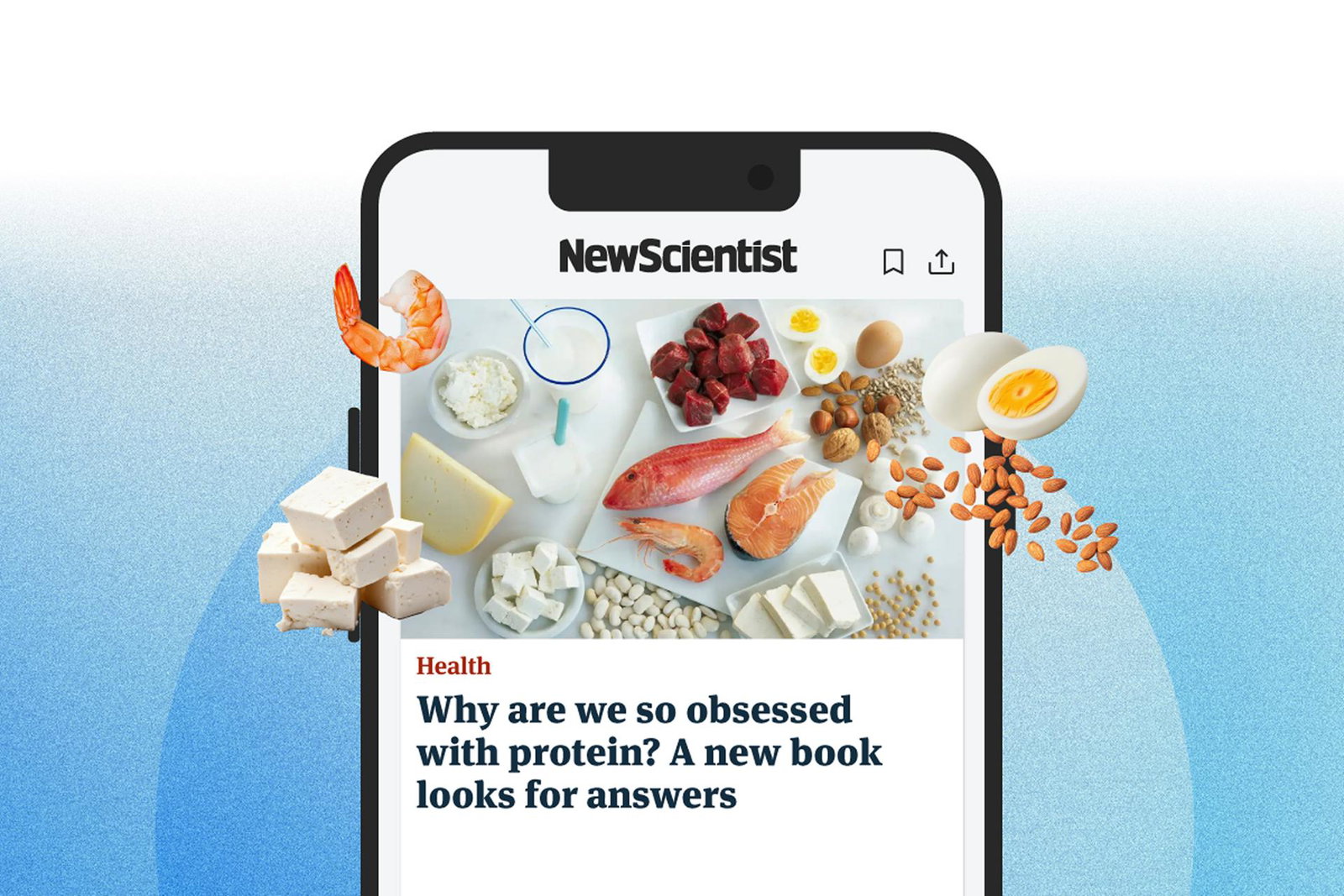
The 3 things you need to know about protein, according to an expert |
Why have so many people become fixated on protein? Donald Layman is one of the people behind the research showing the benefits of getting more protein in your diet, but he thinks things have gone too far and wants to set the record straight. Read more |
|
|
|
What is love? Even a meeting on the subject can't find the answer |
Scientists recently gathered for a conference called Love, Actually and in Theory, but didn't settle on a definition of the topic at hand. Read more |
|
|
|
How ageing on Earth mimics the effects of space travel |
Life on the International Space Station may feel distant, but columnist Graham Lawton finds that studying how astronauts experience accelerated ageing could help us fight similar effects on Earth related to sedentary lifestyles, disrupted circadian rhythms and social isolation. Read more |
|
|
|
The Ebola emergency shines a light on the urgent need for new vaccines |
A little-known strain of Ebola virus is behind an ongoing health emergency, prompting researchers to call for the acceleration of vaccine candidates against such infections. Read more |
|
|
|
Australia is battling its largest diphtheria outbreak in living memory |
Vaccine misinformation, nurse and doctor shortages and crowded living arrangements may be behind soaring rates of diphtheria in remote Indigenous communities in Australia. Read more |
|
|
|
Women’s body temperature rises from age 18 to 42 but we don’t know why |
Women experience a steady rise in body temperature from their teens to midlife, which may be useful for monitoring ageing and overall health. Read more |
|
|
|
Can we harness quantum effects to create a new kind of healthcare? |
Experiments hint that quantum mechanisms are vital to the machinery of life. Now researchers are exploring if these effects help to explain the success of an array of puzzling health treatments. Read more |
|
|
|
If you’re curious about the science of ageing or how our minds really work, you’re in the right place. For a limited time, enjoy one year of digital access for £99. Subscribe now
|
|
|
|
|
How I used psychology to come back from the worst year of my life |
|
|
|
For writer Daniel Cossins, the past year has been what might euphemistically be described as “challenging”. Not long after leaving a steady job for the freedom and financial insecurity of freelance life, his 25-year relationship with his wife ended in divorce, with all the upheaval that involves. His dad, meanwhile, has Alzheimer’s, meaning plenty of travelling up and down the country to help with care. Determined to come back stronger, he applied the latest science of mindset to reshape how he feels – with startling results. Read more
|
|
|
|
10-12 October, Excel London and online |
Understand how our brains and bodies work and what it means to be human guided by experts including Alice Roberts, Tim Spector and Turi King. Get an extra 10% off as a subscriber. Book now
|
|
|
|
|
Get the most from our newsletters |
Eight Weeks to a Healthier You: Your science-backed guide to the easy habits that will help you sleep well, stress less, eat smarter and age better. Sign up |
Earth Edition: Unmissable news about our planet delivered straight to your inbox every month. Sign up |
The Daily: The latest on what’s new in science and why it matters each day. Sign up |
|
|
|
If you know someone who might enjoy this newsletter, please forward it to them. |
|
|
|
This email has been sent to -.
Unsubscribe from the Health Check newsletter |
Do not reply directly to this email. If you have an enquiry, please contact us using the relevant contact details listed here. |
Copyright © New Scientist Ltd
Registered Office: Northcliffe House, 9 Derry Street, London, W8 5HY
Registered in England. No.10644366
Australian mailing address: PO Box 2315, Strawberry Hills, NSW 2012, Australia
Registered in Australia. ABN 22 621 413 170
Privacy Policy | Terms & Conditions
|
|
|
|
|
|
|