The earliest life on Earth may have been forged by cycles of pressure caused by geysers or tidal forces. Plus: stunning photos give us a window onto the world of bees. |
|
|
Like what you see? Subscribe today to gain unlimited access to all our subscriber only content. |
|
|
Yevhenii Chulovskyi/Shutterstock |
|
|
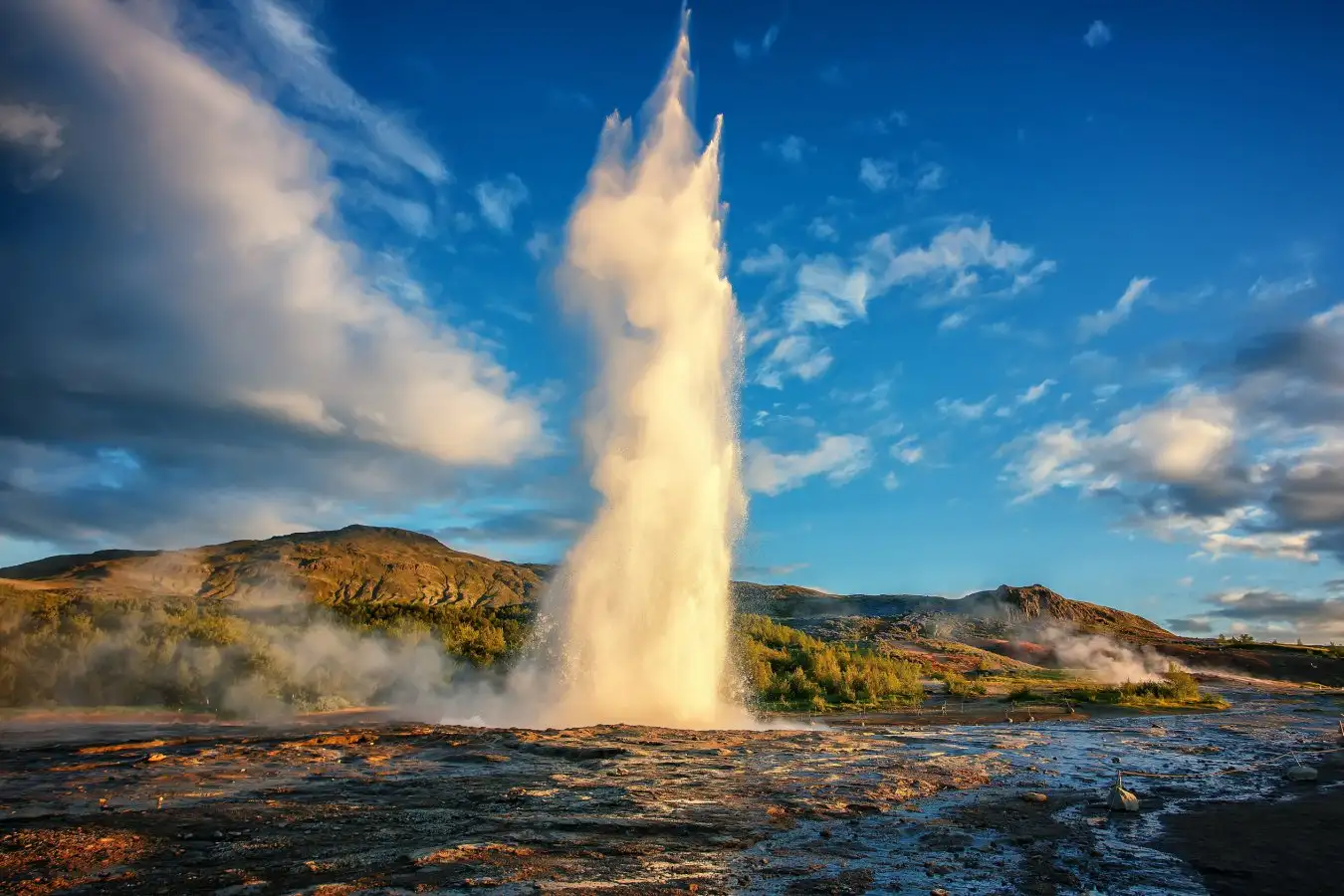
Cell-like structures containing very simple proteins and even pores in the membrane around them have been created in lab experiments that aimed to mimic the conditions found in the crust of early Earth. The experiment’s starting chemicals include simple fatty substances and amino acids – the building blocks of proteins – thought to have been present in the crust of early Earth. The researchers put these chemicals in a container of water with carbon dioxide gas at a pressure of about 72 bar, the kind of conditions that might have been found in cracks and faults around a kilometre deep in the crust. They then varied the pressure slightly thousands of times. This kind of pressure cycling can occur naturally in geyser systems and may have occurred on early Earth due to tidal forces. Read more
|
|
|
When two quantum objects interact, all the information they carry becomes scrambled. Now, physicists have calculated a fundamental limit for how quickly this can happen.One striking example of information scrambling happens in black holes, says Victor Galitski at the University of Maryland. When objects fall into these super-dense bodies, some of the information they contain reemerges in the black hole’s emitted radiation – but in a highly scrambled form. In fact, physicists have theorised that black holes are the fastest possible scramblers of information. Starting with the basic ingredients of quantum theory, Galitski and his colleagues disproved that idea. They found that even quicker information scramblers could exist in the quantum realm. Read more
|
|
|
New Scientist subscriptions |
|
|
|
With unlimited access to our website and app, answer the biggest questions including what underpins reality. Begin your journey of discovery now, for just £1 a week. |
|
|
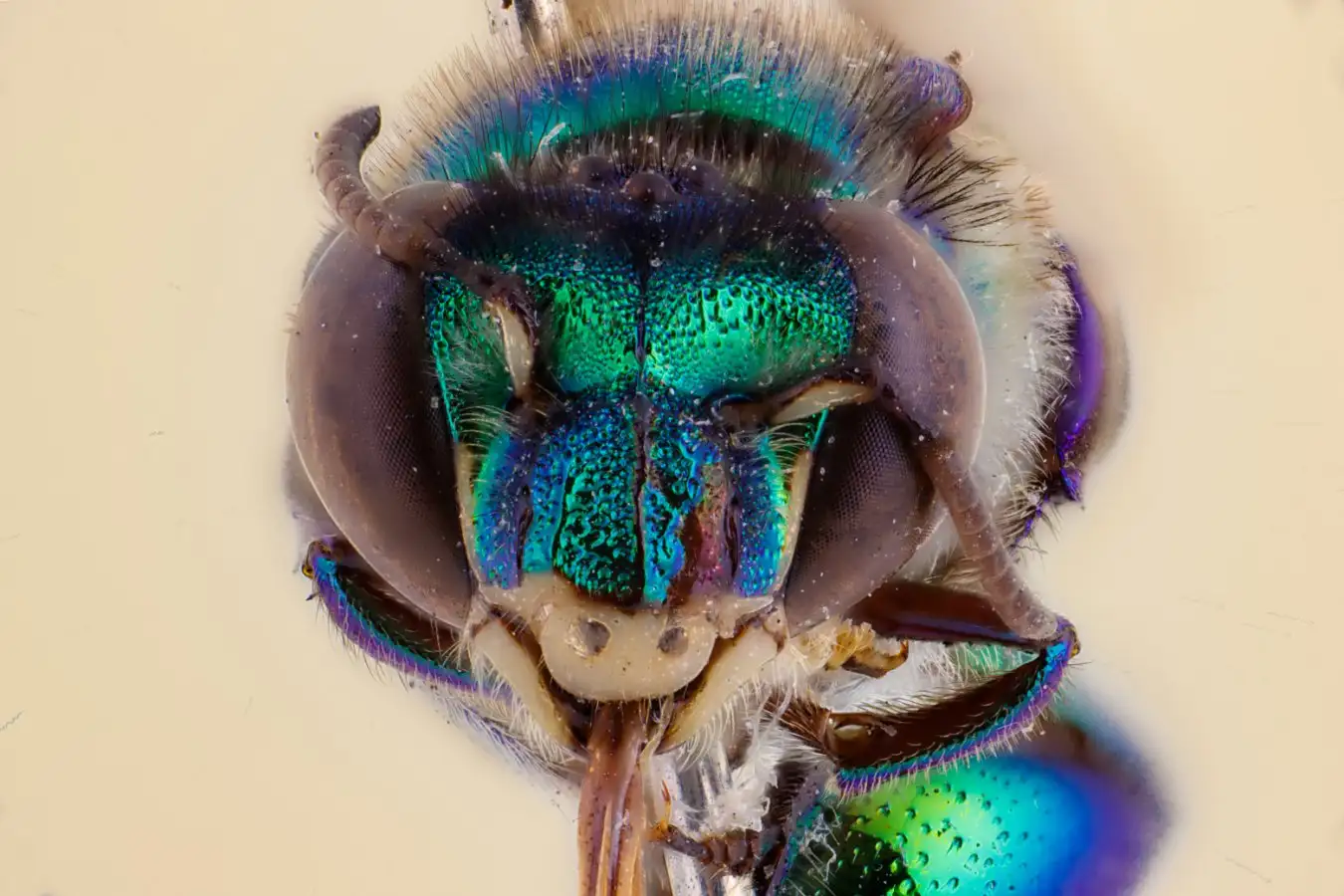
Few insects (or even animals) hold quite as much sway on the planet as bees. As pollinators that flock from flower to flower, crop to crop, they keep the world’s flora and biodiversity thriving. And yet, thanks to a myriad of deadly factors, such as pesticides, habitat destruction and climate change, thousands of species are teetering on the brink. A new exhibition in Liverpool, UK, all about these vital creatures, Bees: A story of survival, provides an immersive window on their world, from the intricate anatomy of a single bee to the structure of entire colonies.This image is of a bee from the genus Euglossa, also known as orchid bees. These are a key orchid pollinator in North and South America (although they also flock to rotting fruit, fungi and even faeces). The males, one of which is shown here, use the odours from the chemicals they collect from pollination to court females – the more complex the odour, the greater the attraction. More photos
|
|
|
|
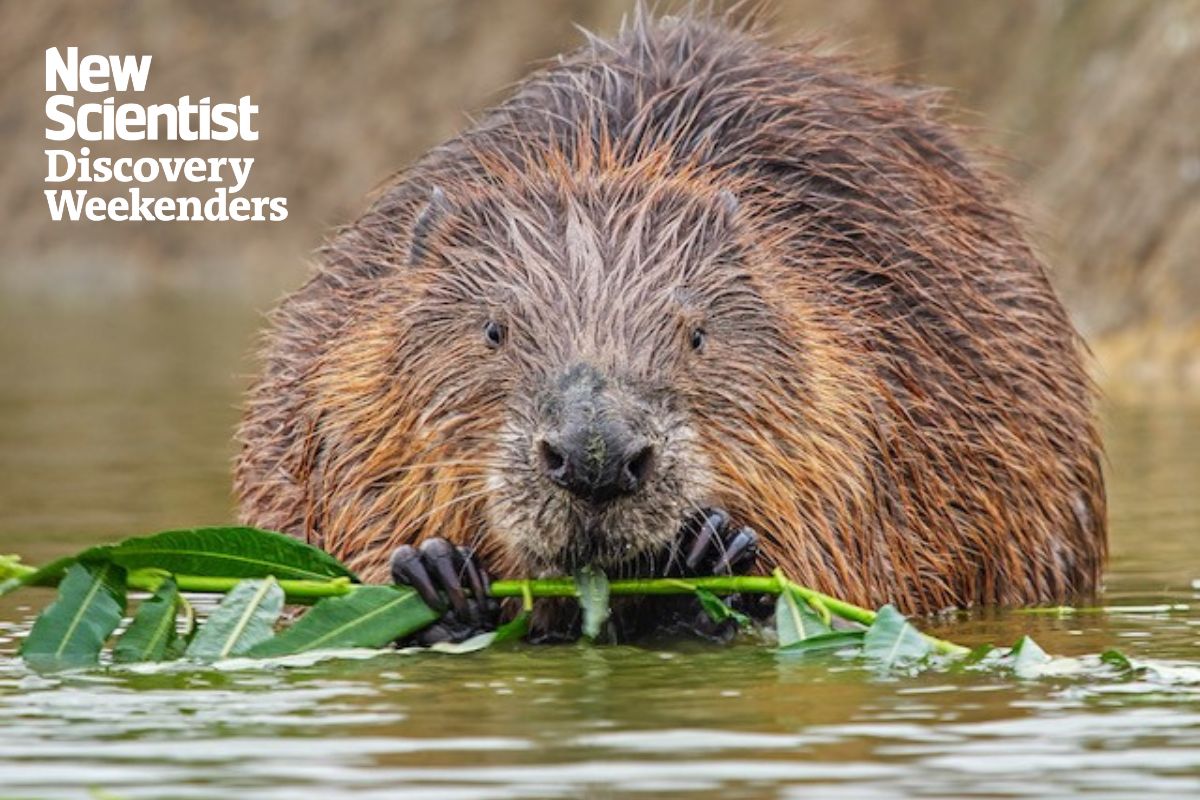
The science of rewilding weekender: Coombeshead, Devon, England
16 August 2024
|
Immerse yourself in nature deep in the heart of Devon and discover how wildlife is returning to the British countryside. |
|
|
Can you use science to help us answer our readers' questions? The best answers will be published in our Last Word section. This week we ask:
"Why do some flowers close up at night but others stay open?"
Thanks for reading.
|
|
|
This email has been sent to -.
Unsubscribe from the Daily newsletter |
Do not reply directly to this email. If you have an enquiry, please contact us using the relevant contact details listed here. |
Copyright © New Scientist Ltd
Registered Office: Northcliffe House, 2 Derry Street, London, W8 5TT
Registered in England. No.10644366
Australian mailing address: PO Box 2315, Strawberry Hills, NSW 2012, Australia
Registered in Australia. ABN 22 621 413 170
Privacy Policy | Terms & Conditions
|
|
|
|
|
|
|