The presence of humans in a West African forest 150,000 years ago shows that our ancestors were not confined to open grasslands. Plus: how to get better at digital communication.
|
|
|
Like what you see? Subscribe today to gain unlimited access to all our subscriber only content. |
|
|
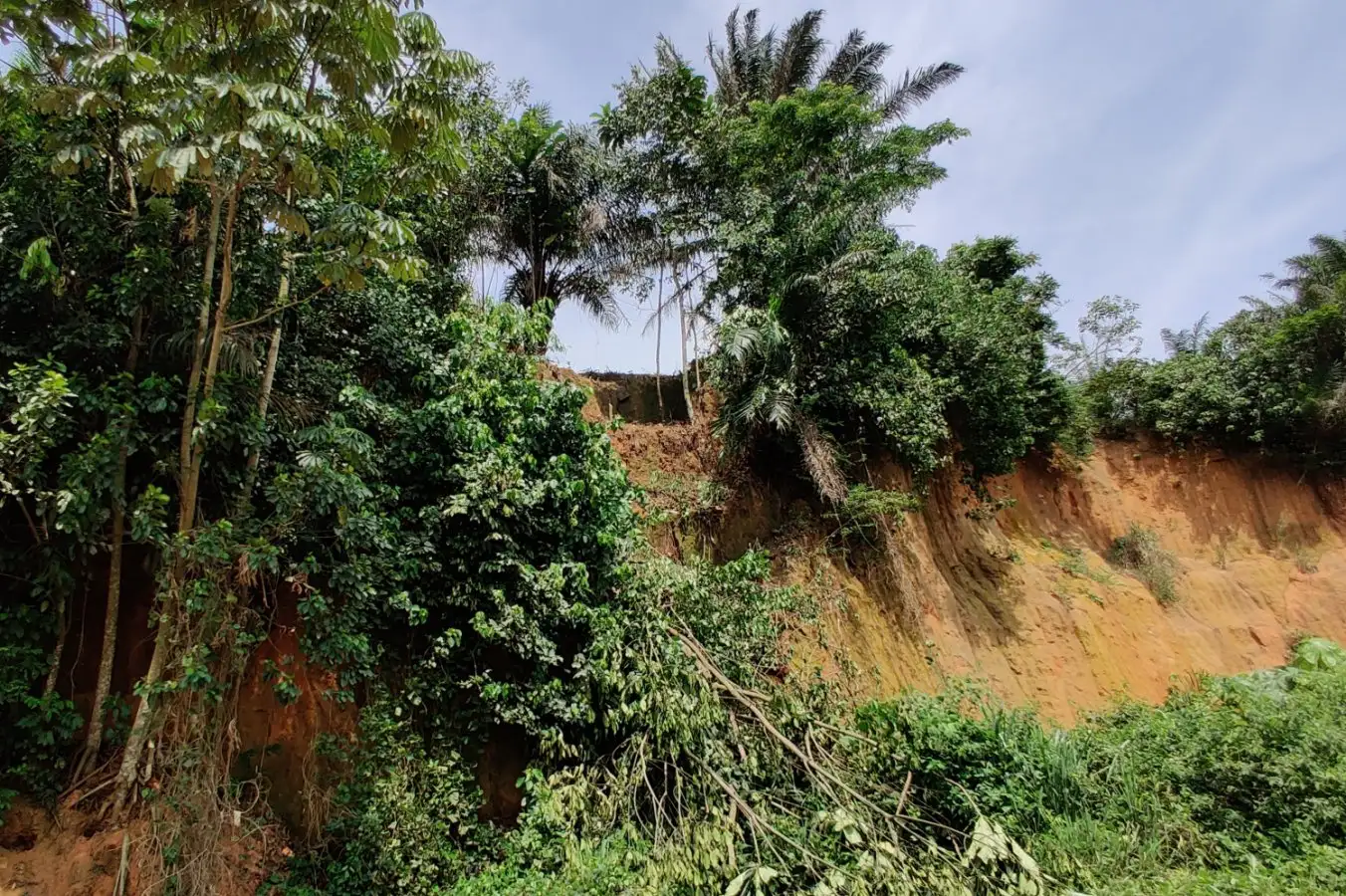
Stone tools and plant remains at a site in Ivory Coast show that humans were living in a tropical rainforest 150,000 years ago. The finding pushes human habitation of tropical forests much further back in time, suggesting our ancestors were able to live in a wide variety of terrains. It has generally been thought that humans evolved in open grasslands and savannahs, says Eleanor Scerri at the Max Planck Institute of Geoanthropology in Jena, Germany. Instead, she says, our ancestors were highly adaptable. “Ecological diversity is at the heart of our species.” Read more
|
|
|
A critical ocean current is unlikely to shut down before the end of this century even under the most extreme climate scenarios, according to new findings that undermine doomsday predictions of an imminent catastrophic collapse. The Atlantic Meridional Overturning Circulation (AMOC) transports warm water from the tropics northward, helping to keep northern Europe temperate. Warming temperatures and an influx of cold water from melting Arctic ice is weakening the current and could shut it down altogether, scientists fear. This would plunge ocean ecosystems into chaos and rapidly cool Europe’s climate by several degrees. The latest findings suggest that a total shutdown is unlikely, but the AMOC could weaken substantially, and that could still have serious climate impacts. Read more
|
|
|
|
Subscribe to New Scientist and get unlimited access anytime, anywhere. Pay just £1 a week for 10 weeks. |
|
|
Interview: How to be a better communicator |
|
|
“In the office, it used to be that the only way you could talk to someone or ask a question was to go over to their cubicle or desk,” says Andrew Brodsky, a specialist in workplace technology and communication at the University of Texas at Austin. “Today, even if someone’s only 2 feet away, we’re sending them an instant message or email so as not to interrupt them. How these technologies impact communication and how we can do it better felt like a really important question that was being lost in the conversation about remote work.”
By studying the virtual communication of more than 100,000 people, Brodsky set out to unlock the secrets that can help us succeed in our personal lives and careers – as well as giving some pointers on obvious pitfalls. Should that meeting have been an email? How close do you have to be to someone before you send them a voice note? Brodsky has the answers. Read more
|
|
|
|
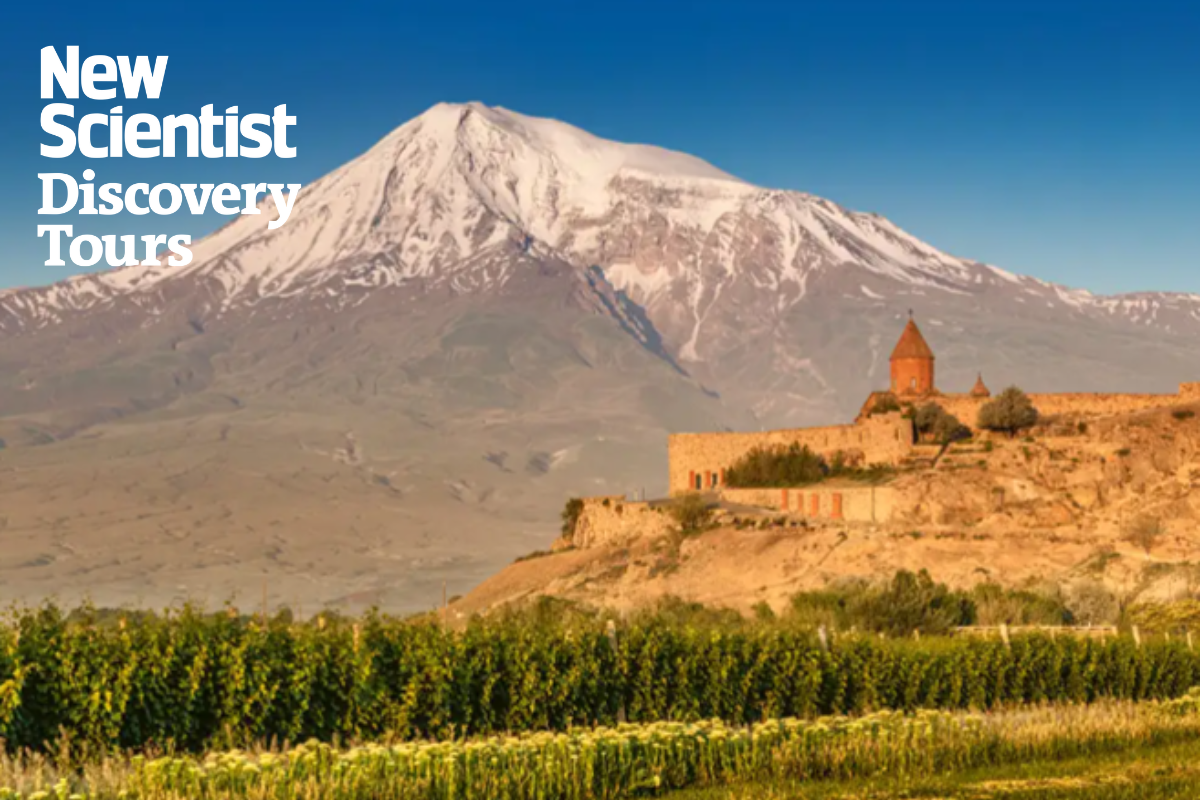
Archaeology exploration across the Caucasus: Georgia and Armenia |
Embark on an unforgettable archaeology tour of Georgia and Armenia, where ancient ruins, historic monasteries and rich cultural heritage await exploration amid breathtaking landscapes. |
|
|
“Everyone I talk to in Canada and the US talks about how awful their sleep is. The numbers aren’t showing that.” |
|
|
This email has been sent to -.
Unsubscribe from the Daily newsletter |
Do not reply directly to this email. If you have an enquiry, please contact us using the relevant contact details listed here. |
Copyright © New Scientist Ltd
Registered Office: Northcliffe House, 2 Derry Street, London, W8 5TT
Registered in England. No.10644366
Australian mailing address: PO Box 2315, Strawberry Hills, NSW 2012, Australia
Registered in Australia. ABN 22 621 413 170
Privacy Policy | Terms & Conditions
|
|
|
|
|
|
|