Hi -,
Artificial intelligence built by OpenAI has cracked a decades-old conjecture by Paul Erdös, which mathematicians have hailed as a monumental moment for AI in mathematics.
Plus, are AI feats like these robbing humans of pleasurable "Aha!” moments? Columnist Helen Thomson explores why these flashes of understanding are beneficial for your brain.
|
|
|
|
|
Hi -,
Artificial intelligence built by OpenAI has cracked a decades-old conjecture by Paul Erdös, which mathematicians have hailed as a monumental moment for AI in mathematics.
Plus, are AI feats like these robbing humans of pleasurable "Aha!” moments? Columnist Helen Thomson explores why these flashes of understanding are beneficial for your brain.
|
|
|
|
Like what you see? Subscribe today to gain unlimited access to all our subscriber only content. |
|
|
|
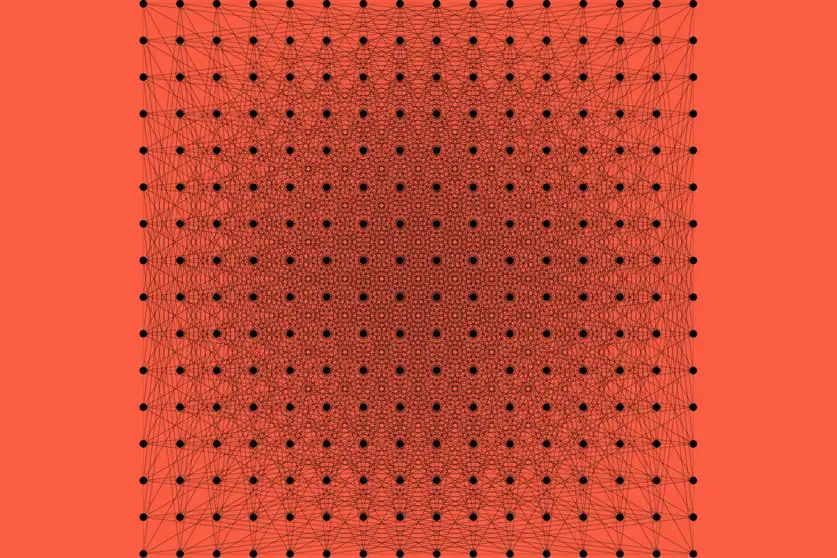
The planar unit distance problem is about how many equal-sized lines you can draw that connect dots on an infinite sheet of paper
Noga Alon et al. 2026, Open AI |
|
|
|
For more than 80 years, a conjecture has eluded the world’s greatest mathematicians. It is known as the planar unit distance problem: if you take an infinite-sized piece of paper and draw a number of dots in a pattern of your choice, what is the maximum number of equal-sized lines you can draw between these dots? Twentieth-century mathematician Paul Erdös proposed a solution to the puzzle but definitive proof was elusive. Now, a model from OpenAI has found Erdős significantly wrong – and thrown mathematicians for a loop. Read more
|
|
|
|
When you learn something new or connect two disparate ideas for the first time, you get a hit of dopamine that rushes through the brain. These “Aha!” moments feel good, but they aren’t just a small daily pleasure – they can be beneficial for both your everyday life and your long-term brain health. But in an age of turning to AI for quick answers, we may be giving up one of the most reliable sources of delight. Columnist Helen Thomson explores the brain benefits of doing your own thinking, and finds that we may not need to fully abandon AI in order to maintain our neurological health. Read more
|
|
|
|
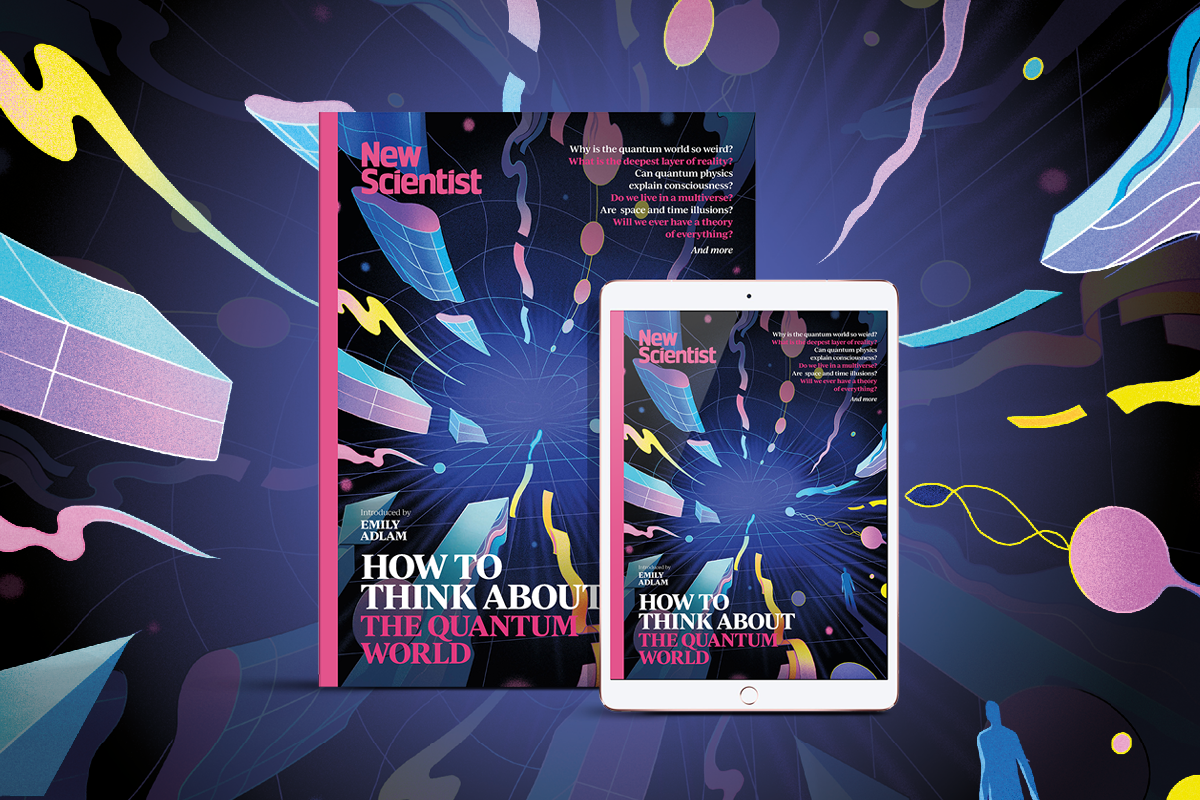
How To Think About The Quantum World |
In this seventh instalment of our How To Think About series, we unpick the most cherished and radical ideas underlying the quantum world and confront its most perplexing mysteries. Shop now
|
|
|
|
|
Tests with rodents suggest an mRNA vaccine in development offers protection against three strains of Ebola virus, including the one behind the current crisis. Read more |
|
|
|
Vaccine misinformation, nurse and doctor shortages and crowded living arrangements may be behind soaring rates of diphtheria among remote Indigenous communities in Australia. Read more |
|
|
|
We all feel emotions like anger and disgust from time to time, but they seem to cause stronger bodily sensations when they're politically induced. Read more |
|
|
|
Gravity and quantum mechanics |
|
|
|
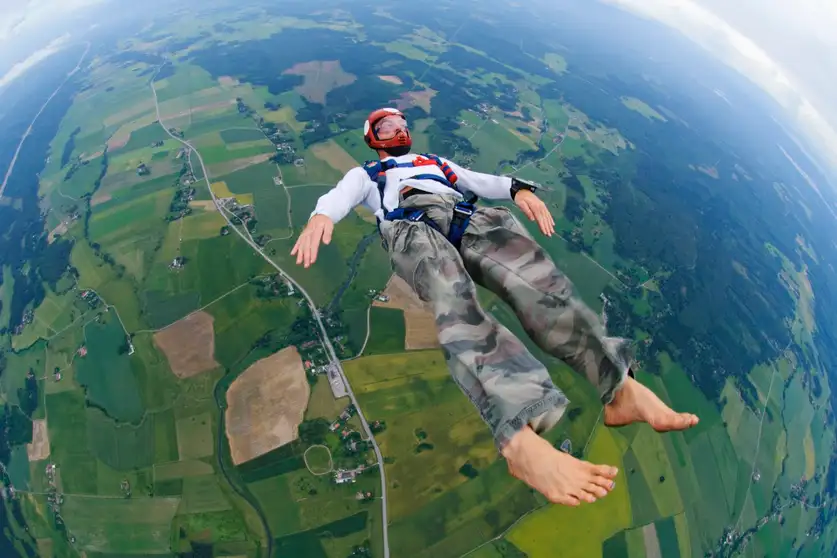
Some physicists want to adapt quantum mechanics to include the classical force of gravity
Hans Berggren/Getty Images |
|
|
|
The overarching goal of physics is to find one rulebook that applies universally, from the tiniest particles to the biggest galaxies. Today, however, our shelf contains two books written in incompatibly different languages. The classical physics book explains most everything we see around us. The quantum physics book, on the other hand, details the behaviour of much smaller objects such as atoms. For nearly a century, the conventional approach to reconciling these two has been to rewrite the classical one using quantum language. But now, some physicists have started to believe the strategy is fundamentally backwards. Read more
|
|
|
|
“You could cut open a euphorbia and it’s got this real milky sap, but you might ruin your plant.” |
Managing editor, and former plant scientist, Penny Sarchet explains how to tell whether your plant is a cactus or a euphorbia, and recounts their evolutionary histories. Watch now |
|
|
|
|
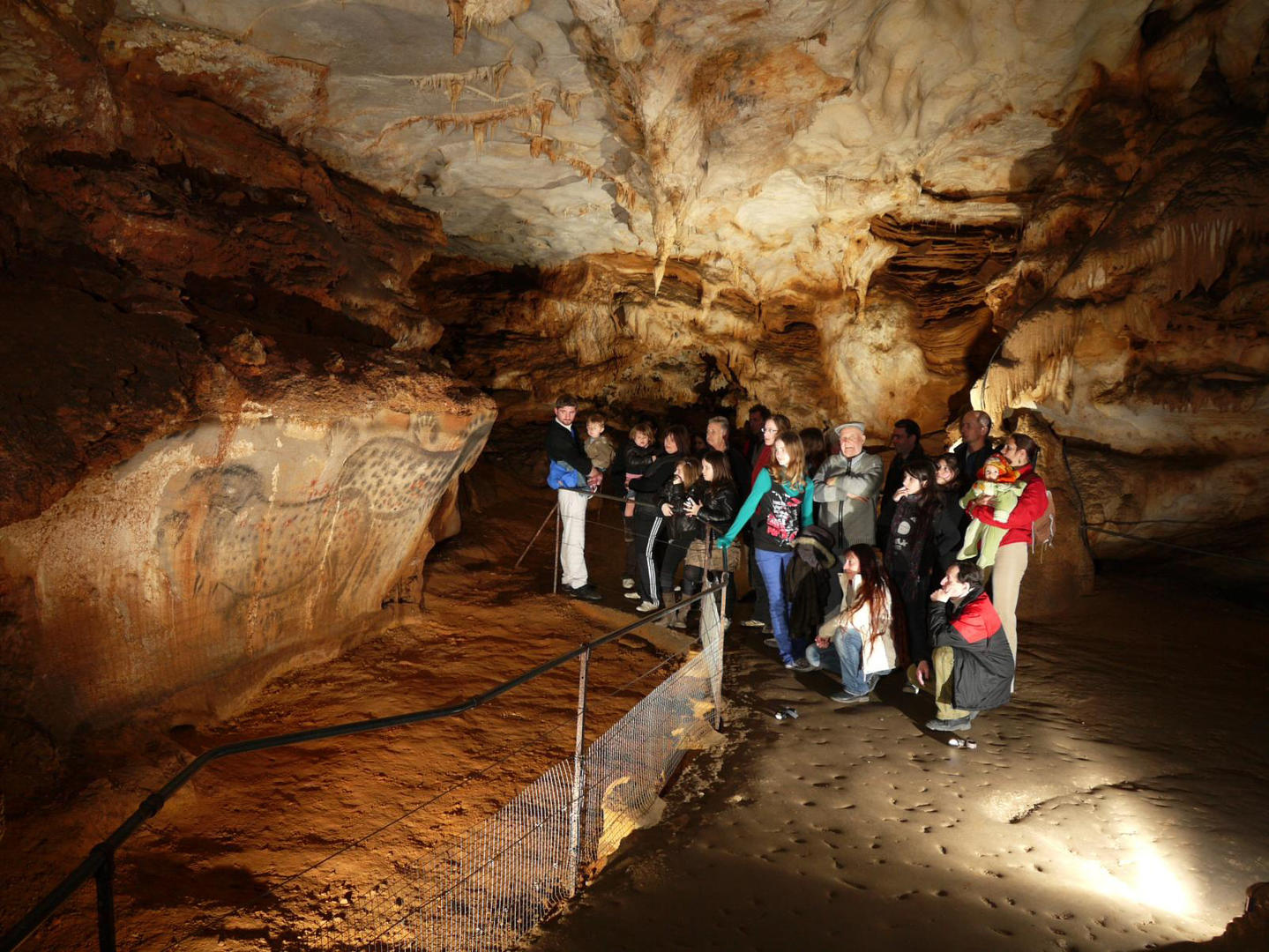
Neanderthals, human origins and cave art, France |
Walk in the footsteps of our ancient ancestors visiting remarkable archaeological sites, rock shelters and caves adorned with some of the earliest known examples of symbolic art. Find out more
|
|
|
|
|
This email has been sent to -.
Unsubscribe from the Daily newsletter |
Do not reply directly to this email. If you have an enquiry, please contact us using the relevant contact details listed here. |
Copyright © New Scientist Ltd
Registered Office: Northcliffe House, 9 Derry Street, London, W8 5HY
Registered in England. No.10644366
Australian mailing address: PO Box 2315, Strawberry Hills, NSW 2012, Australia
Registered in Australia. ABN 22 621 413 170
Privacy Policy | Terms & Conditions
|
|
|
|
|
|
|