Hi -,
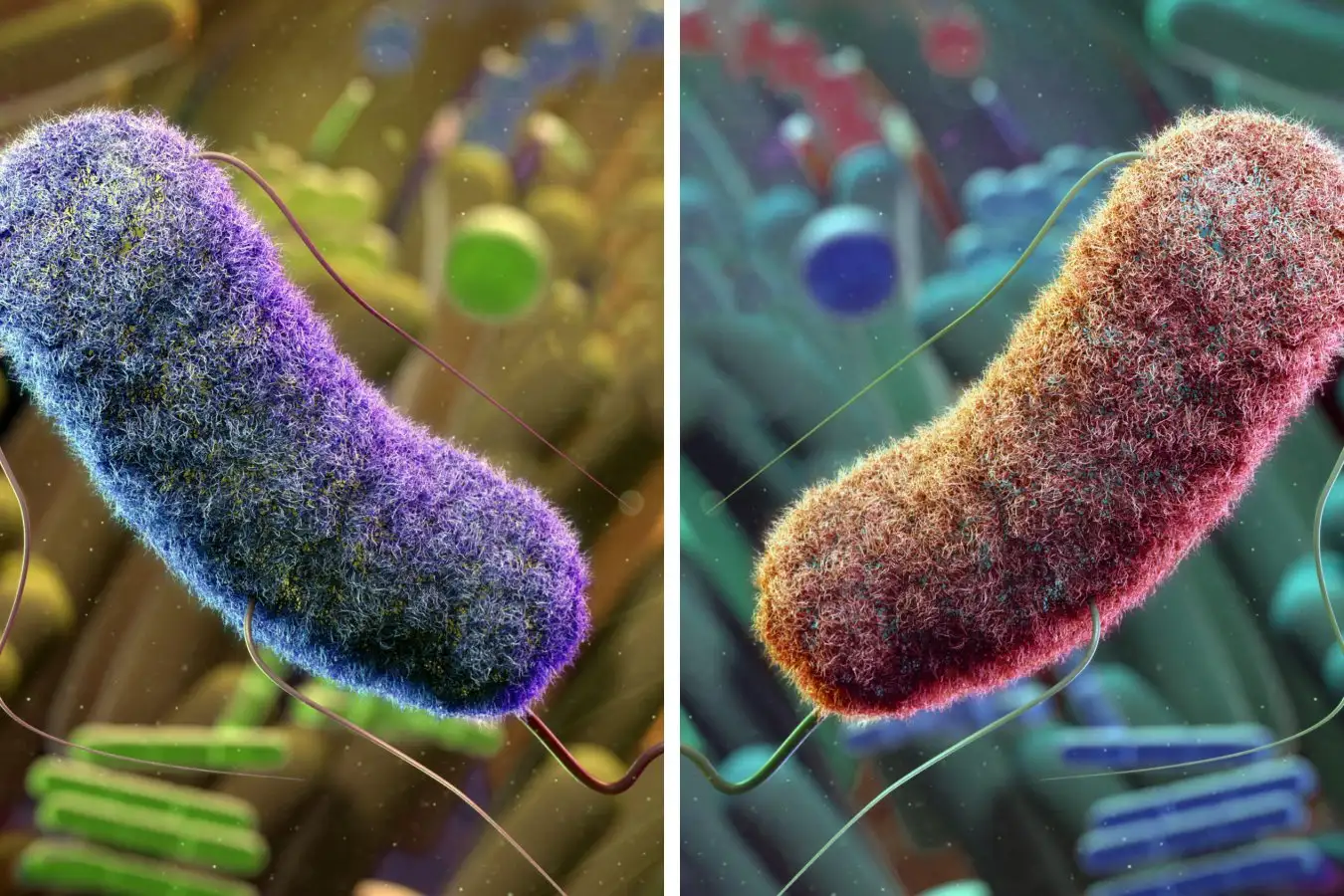
Bacteria created using mirror images of natural biomolecules would pose a grave threat to life on Earth, some researchers warn, but a new study suggests they would struggle to survive in the wild.
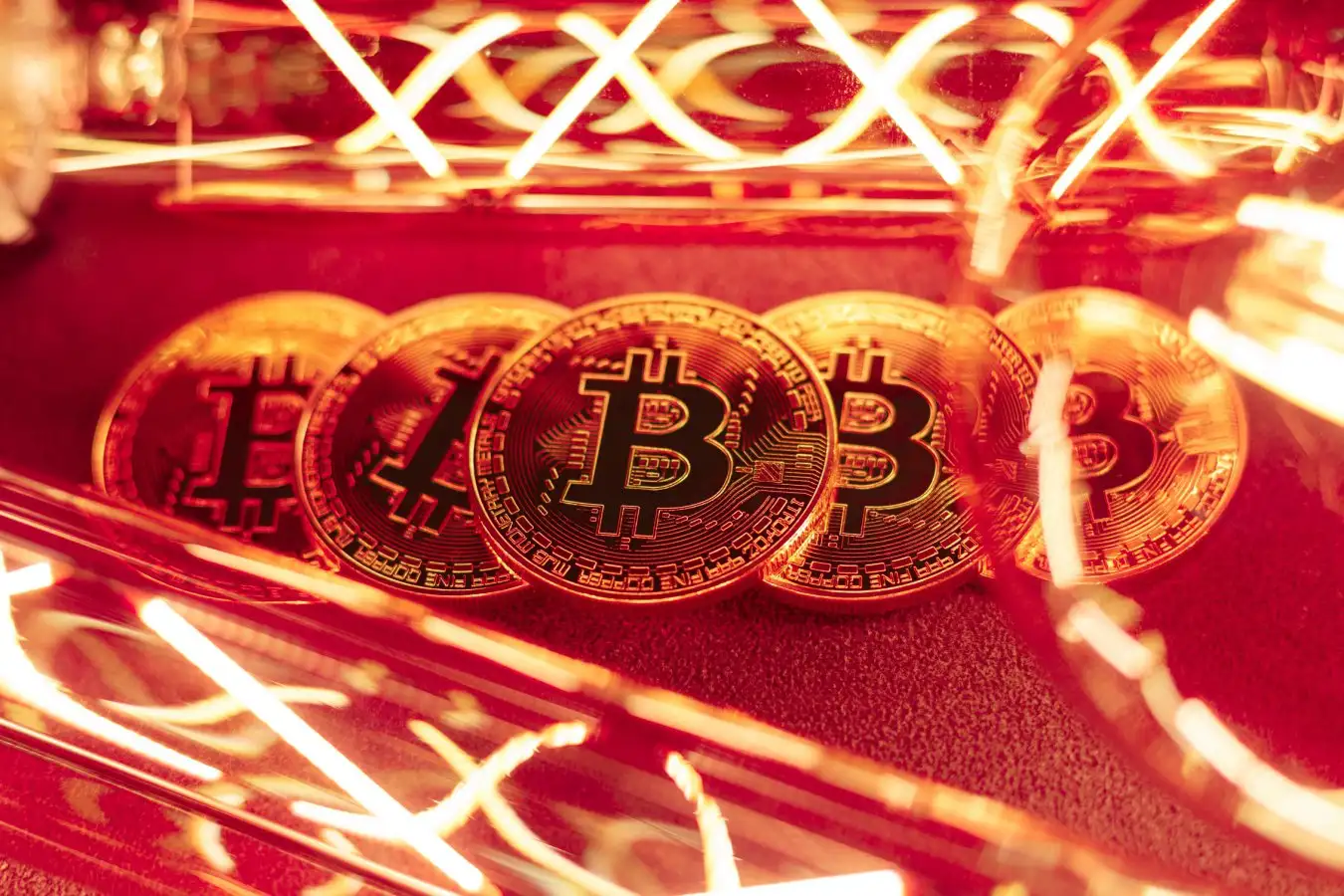
Plus, quantum computing advances are threatening to make the encryption protecting bitcoin useless – and that’s a problem for all of us.
|
|
|
|
|
Hi -,
Bacteria created using mirror images of natural biomolecules would pose a grave threat to life on Earth, some researchers warn, but a new study suggests they would struggle to survive in the wild.
Plus, quantum computing advances are threatening to make the encryption protecting bitcoin useless – and that’s a problem for all of us.
|
|
|
|
Like what you see? Subscribe today to gain unlimited access to all our subscriber only content. |
|
|
|
How risky is mirror life? |
|
|
|
THOM LEACH/Science Photo Library / Alamy |
|
|
|
Microbes based on mirror images of molecules in the natural world would have a hard time surviving outside the laboratory, according to a modelling study. To do so, they would need a ready supply of “mirror food”, or some novel way to feed themselves. “Our view is that mirror life would likely face very severe barriers under a broad range of ecological conditions, making successful establishment difficult,” says Ricard Solé at the Santa Fe Institute, New Mexico. But the research has drawn a backlash from other experts in the field who warn that it may underestimate the grave risks posed by such organisms. Read more
|
|
|
|
A virus has stopped pancreatic cancer in its tracks in three people in a clinical trial in the US. Further evaluation is needed in larger trials, but the early results are encouraging, especially since only small doses of the virus were administered for initial safety testing. “We only injected one-tenth of the dose we are eventually aiming at, so the efficacy is better than I expected, especially as this is pancreatic cancer,” says Masato Yamamoto at the University of Minnesota, who led the development of the viral treatment. Read more
|
|
|
|
10-12 October, Excel London and online |
Journey to the stars and beyond, exploring the biggest cosmic mysteries, from the hunt for dark matter to unravelling the multiverse and the future of space travel on the Universe Stage. Book now
|
|
|
|
|
Individualism is on the rise, and according to one of the largest ever studies on love, it is affecting how we feel about our partners. Read more |
|
|
|
Photons behaving strangely |
Particles of light cannot be divided into smaller particles, but if you try to snip off the end of one, instead of shortening it multiplies. Read more |
|
|
|
One of the world’s last stable glacier regions may have finally begun to succumb to global warming. Read more |
|
|
|
A quantum computer has been used to create a horror video game – and it’s available to play online. Read more |
|
|
|
According to a mathematical model of how people weigh up different outcomes, the optimal strategy is to be ambitious, but not overly so. Read more |
|
|
|
Columnist Karmela Padavic-Callaghan never bought any bitcoin, and thought that might be enough protection to get away with not caring about cryptocurrency. But the impending quantum revolution means that if you have a home mortgage or a retirement savings account, there’s a good chance some of your money is tied up in bitcoin’s fate. And now, we’re facing the real prospect of Q-Day, the moment when quantum computers become powerful enough to break the encryption that is supposed to keep cryptocurrencies safe. Read more
|
|
|
|
Free John Lewis gift card |
The extraordinary is everywhere and exploring it starts here. Enjoy a whole year's unlimited digital access and receive a £20 John Lewis gift card. Subscribe now |
|
|
|
|
This week, our readers want to know:
What percentage of a dog or cat’s food intake is used just to maintain their fur coats?
and
Stars are orbited by planets, and planets by moons. So why are there no moons with natural satellites of their own?
Thanks for reading! Have a great week.
|
|
|
|
This email has been sent to -.
Unsubscribe from the Daily newsletter |
Do not reply directly to this email. If you have an enquiry, please contact us using the relevant contact details listed here. |
Copyright © New Scientist Ltd
Registered Office: Northcliffe House, 9 Derry Street, London, W8 5HY
Registered in England. No.10644366
Australian mailing address: PO Box 2315, Strawberry Hills, NSW 2012, Australia
Registered in Australia. ABN 22 621 413 170
Privacy Policy | Terms & Conditions
|
|
|
|
|
|
|