Hi -,
If you’re a big book nerd like me, you’ll be glad to hear that reading has huge benefits for brain health. But do we get the same benefits from reading on screens or listening to audiobooks? Neuroscience columnist, Helen Thompson, investigates.
|
|
|
|
Hi -,
If you’re a big book nerd like me, you’ll be glad to hear that reading has huge benefits for brain health. But do we get the same benefits from reading on screens or listening to audiobooks? Neuroscience columnist, Helen Thompson, investigates.
|
|
|
Like what you see? Subscribe today to gain unlimited access to all our subscriber only content. |
|
|
A reader lives a thousand lives |
|
|
Reading or listening to information can change how our brains process and respond to it |
Tony Anderson/Getty Images |
|
|
There’s little doubt that reading is good for us. In fact, one study found that those who read books for about 30 minutes a day were 20 per cent less likely to die over the next 12 years than those who didn’t read at all. With so much to read and so little time, we may turn to other media, like audiobooks or e-readers, which can subtly change how our brains respond to a book. Each has its own benefits, so here’s how to choose the right one for you. Read more
|
|
|
If you do choose to stick to physical books, it may be best for the environment to check that their paper has been ethically sourced. An advanced climate model has revealed that deforestation of the Amazon rainforest could cause catastrophic changes to the region’s climate, including more frequent dry periods, bouts of violent rainfall and very strong winds. Read more
|
|
|
A world away, one story at a time |
Expand your view of the world, the universe and yourself with New Scientist - one idea, one breakthrough, one story at a time. Subscribe now
|
|
|
|
It has been suggested that lava tubes – underground tunnels carved out by molten rock – might be on Venus, and now we have direct evidence that this is the case. Read more
|
|
|
If you’d like to test out what reading or listening does to your brain, our fiction reviewer Emily Wilson recommends Ian McEwan’s new novel, What We Can Know, which explores the story of a scholar hunting a great lost poem. Read more |
|
|
Which element has the highest electronegativity? Test your knowledge of science in this week’s quick quiz, now live in our games hub. Play now |
|
|
A new understanding of endometriosis |
|
|
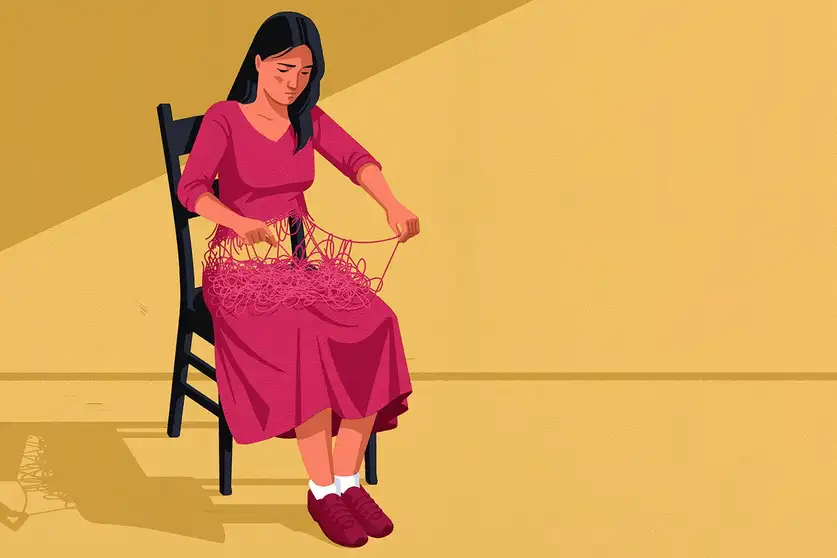
There is little certainty when it comes to endometriosis. The condition is thought to affect about one in 10 women, particularly those of reproductive age, but the true incidence rate is likely to be higher. Once endometriosis begins, it can bring a host of devastating symptoms, including infertility, fatigue and – foremost – pain. Now, the discovery of a surprising connection between endometriosis and autoimmune conditions could open up promising new avenues for intervention. Read more
|
|
|
“It is very realistic, I feel like I’m about to enter a real club: long hallway, no lights, let’s go.” |
New Scientist’s social media editor, Isabel Baldwin, and features editor, Linda Rodriguez-Mcrobbie, visited a nightclub in virtual reality to see what the fully immersive world can reveal about human interaction |
|
|
|
Early bird discount ends on Sunday
|
18-19 October, Excel London and online access |
Join us at the world's greatest festival of ideas and discoveries. Book now |
|
|
|
This email has been sent to -.
Unsubscribe from the Daily newsletter |
Do not reply directly to this email. If you have an enquiry, please contact us using the relevant contact details listed here. |
Copyright © New Scientist Ltd
Registered Office: Northcliffe House, 9 Derry Street, London, W8 5HY
Registered in England. No.10644366
Australian mailing address: PO Box 2315, Strawberry Hills, NSW 2012, Australia
Registered in Australia. ABN 22 621 413 170
Privacy Policy | Terms & Conditions
|
|
|
|
|
|
|