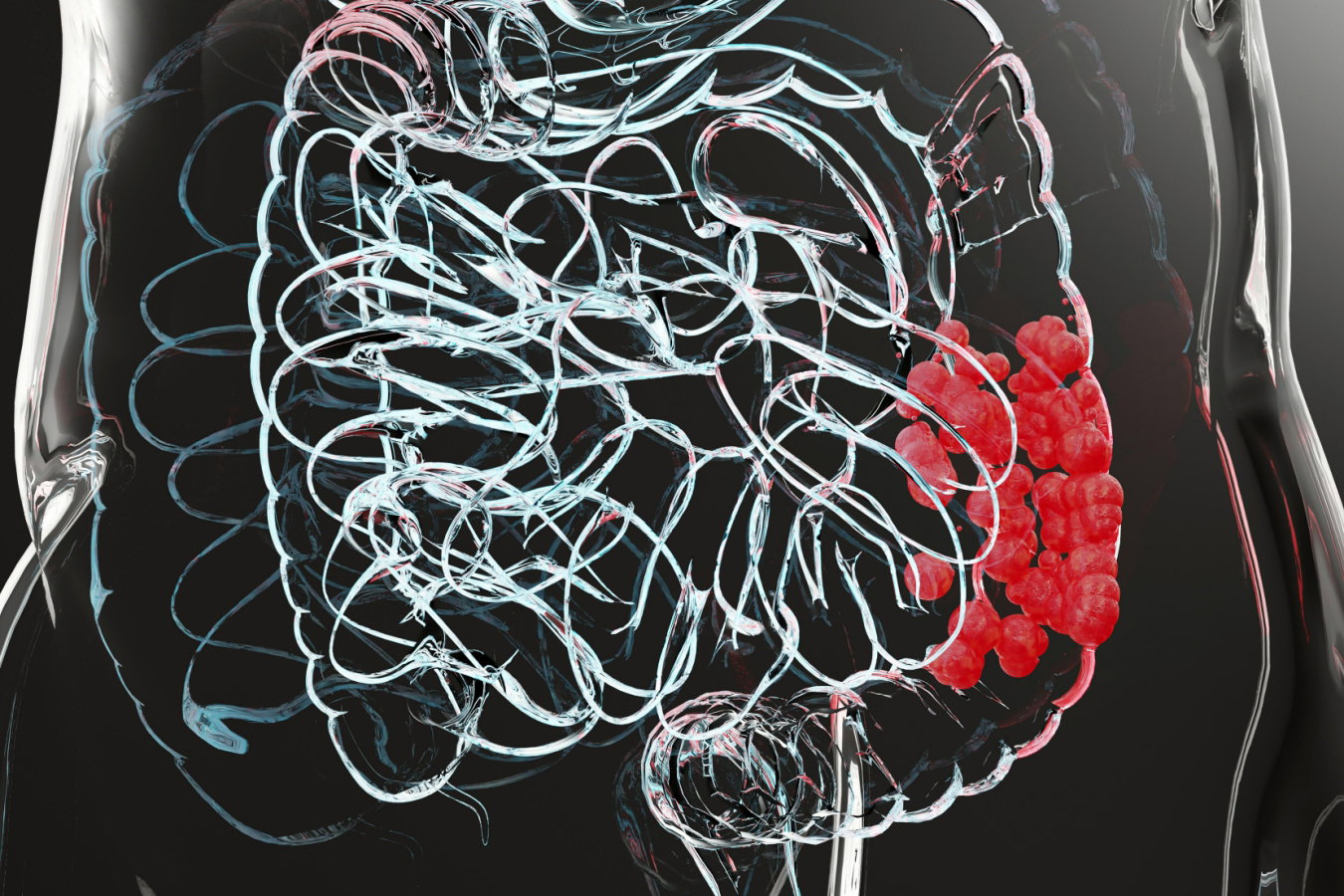
Let’s get back to the possible causes for the rise in early-onset cancers. Because the trend is seen in so many different high-income countries – as well as the UK, it is affecting the US, Canada, Australia, South Korea and many European nations – it is generally thought to be caused by some aspect of modern life.
When the phenomenon came to wider attention last year, some media outlets ran articles identifying various possible culprits. For instance, there was a piece in The Guardian saying it could be down to our rising consumption of highly processed food. A story in the Financial Times, on the other hand, said researchers were homing in on changes to our gut microbes as the cause.
In fact, the scientists who are studying this issue tend to say that we don’t yet know the real explanation. Lifestyles have changed over the past few decades in so many ways – including in terms of what we eat and drink, the medicines and illegal drugs we take, the air pollution we breathe in, even the toiletries and household chemicals we come into contact with.
This week, a huge study looking at the cause of rising early-onset bowel cancers was announced, which will investigate what is going on using stored biological samples – such as blood, urine and faeces – from 15 biobanks around the world, as I reported here.
The plan is to see whether a higher incidence of these tumours correlates with any biochemical signatures in the samples. This five-year, £20 million study wouldn’t have got the go-ahead if we already knew the cause!
However, if you’re interested in the latest science on highly processed food, we have a feature-length article here, and we recently ran a series of reports on the latest microbiome research, which you can explore here.
Treatment progress
As it can be depressing talking about rising cancer rates, I’ll leave you with some more optimistic trends in this field. In the UK, for instance, a quarter of people diagnosed with cancer in the 1970s would live for at least 10 years afterwards, whereas today, about a half do so.
The progress for children with cancer has been even better: more than eight in 10 children with cancer are completely cured today, compared with two in 10 in the 1960s. There are similar trends in other high-income countries.
These gains seem to stem mainly from improved treatments. Some people claim that the better survival rate for adults is also because of wider uptake of cancer screening - but here the evidence is less certain.
It is possible that some forms of screening, such as for breast and prostate tumours, are actually just finding small cancers that wouldn’t necessarily have progressed. But that controversy will have to wait for another newsletter.