|
|
|
|
|
|
Newsletter continues after sponsor message
|
|
|
|
|
|
|
|
This week at NPR, we're going to explore the increased intermixing of God and government in a new series we're calling Church and State. It's an idea that has been gaining momentum through the first and second Trump administrations, not only within U.S. politics but also throughout American culture, in songs and paintings, schoolbooks and worship events infused with faith and politics.
|
|
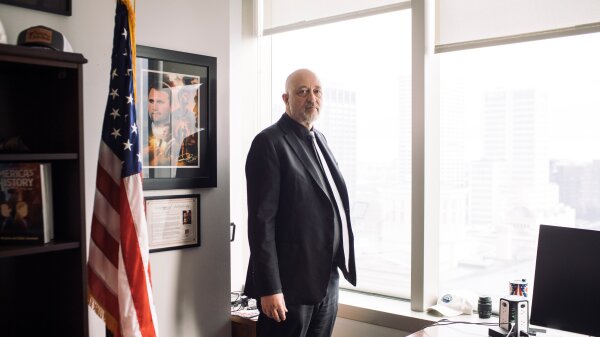
Ohio state Rep. Gary Click has been working to pass the Charlie Kirk American Heritage Act since last year. The bill would permit the teaching of the positive impact of "Judeo-Christian" values in U.S. history. The state House has already passed the legislation, and it is now in the Senate. While a couple of other states have similar bills, none are named after Kirk, the conservative activist whose rhetoric has both offended and resonated with many. Click hopes his bill will serve as a model for other potential legislation. Opponents argue that the bill is unnecessary and could offer a skewed perspective of history. They express concerns about the potential blending of Christianity with lawmaking. Dive into both sides of the argument here. |
Not even the most remote corners of the country are beyond the all-consuming gaze of artificial intelligence. This month, we made a whistle-stop tour of three states in the West to find out how AI is helping fight wildfires, as part of Here & Now’s environmental series Reverse Course. And we drove south from Chicago to Illinois farm country for a glimpse at how solar farms and agriculture are sharing the land.
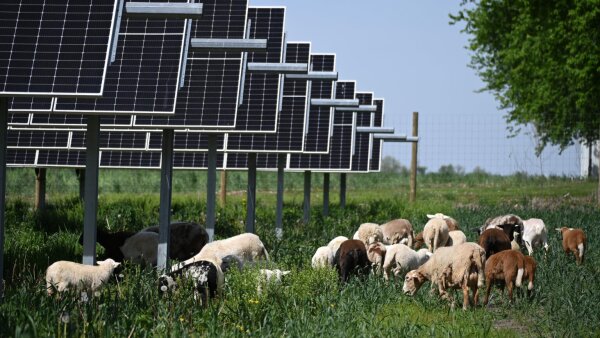
Driving through Illinois, you see lots of corn and soybeans. It’s also increasingly common to see solar panels lining fields where sheep feed on grass, unaware of the pocket-size power plants over their heads. While they often compete for the same land, renewable energy and agriculture can also work together in a system called agrivoltaics. In Illinois, state incentives for community solar are fueling a boom despite cuts at the federal level.
Local governments are also looking for new ways to fight wildfires as the U.S. Forest Service deals with job cuts and restructuring. Artificial intelligence is filling the gap. A growing network of cameras atop mountains and powerlines alerts fire managers of danger at the first sign of smoke.
Sometimes artificial intelligence gets confused. A cloud of dust looks a lot like a smoke plume, after all. But the industry is developing fast. We saw the technology at work in Arizona and Colorado. And after a visit to Alert California’s headquarters in San Diego, the state fire agency told us its cameras caught 915 fires last year before any human called 911.
Both stories showed how economics and local policies are pushing new technology with implications for climate change, which fit nicely into the “local lessons” theme of this year’s NPR Climate Solutions week. |
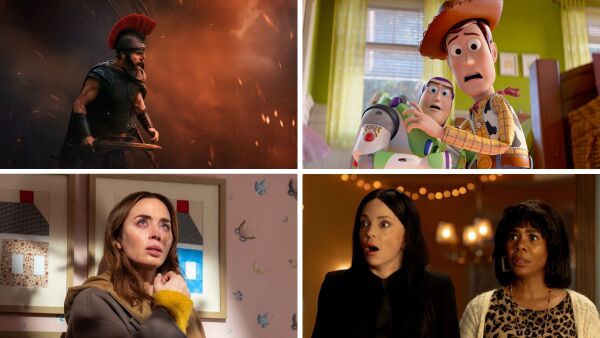
Universal; Disney/Pixar; Paramount Pictures; Niko Tavernise/Universal Pictures |
Check out what NPR is watching, reading and listening to this weekend:
🍿 Movies: There will be something for everyone at the movie theaters this summer, from sequels and reboots to romance and action-packed films. Here are 15 titles to look forward to.
📺 TV: In Netflix’s new sci-fi monster mystery, The Boroughs, something strange is stirring at a retirement community in the desert and a septuagenarian Scooby Gang is investigating exactly what it could be.
📚 Books: The End of the Sahara by Saïd Khatibi focuses on the murder of a nightclub singer, while An Enigma by the Sea by Carlo Fruttero and Franco Lucentini follows a detective investigating the disappearance of three people. "These new books could hardly be less alike, except for one thing: Each is, in its unconventional way, quite brilliant," NPR's Fresh Air pop culture critic John Powers says.
🎵 Music: It's Drake Week on the Billboard charts, as the rapper breaks records for sheer quantity. His three new albums have debuted in the top three, with ICEMAN leading at No. 1.
🍗 Food: Get the grill ready because summer barbecue season is approaching. Looking for new recipes to try? WBUR has you covered with these options.
❓Quiz: I hope you've been paying attention to this week's newsletters, as they will have prepared you well for most of the questions. Test your memory skills here. |
|
Are We Doomed?... Or…just feel doomed?
Is the world ending, or does it sometimes just feel like it?
Are We Doomed? investigates the greatest risks facing society, the planet, and our species. What’s real? What’s hype? And how do we actually make it out alive?
Nuclear war. Asteroids. Autocracy. Rogue AI. Climate-driven pandemics. Angry hippopotamuses. Teeth clenched, curiosity engaged, quips ready, this “slightly narrative” podcast, from public radio journalist Ben Bradford and distributed by the NPR Network, explores everything from the existential and the unexpected to the overblown. Wild true stories, forgotten moments in history, surprising science, and a surprising amount of hope — listen to Are We Doomed?, available on all podcast platforms.
|
|
|
|
|
3 things to know before you go |
|
After years of legal battles, Orthodox Jewish women in Israel can now take the official rabbinic exams. While the country's Orthodox religious authorities still refuse to officially ordain women as rabbis, this opportunity could open doors to other leadership roles. |
|
|
|
|
Officials say fatal subway surfing incidents in New York City remain persistent due to easily accessible subway keys, MTA radios and an underground, engagement-focused social media community. (via Gothamist) |
|
|
|
|
|
Listen to your local NPR station.
|
|
|
|
|
|
|
|
|
|
|
|
|
|