|
3 things sciences is saying right now
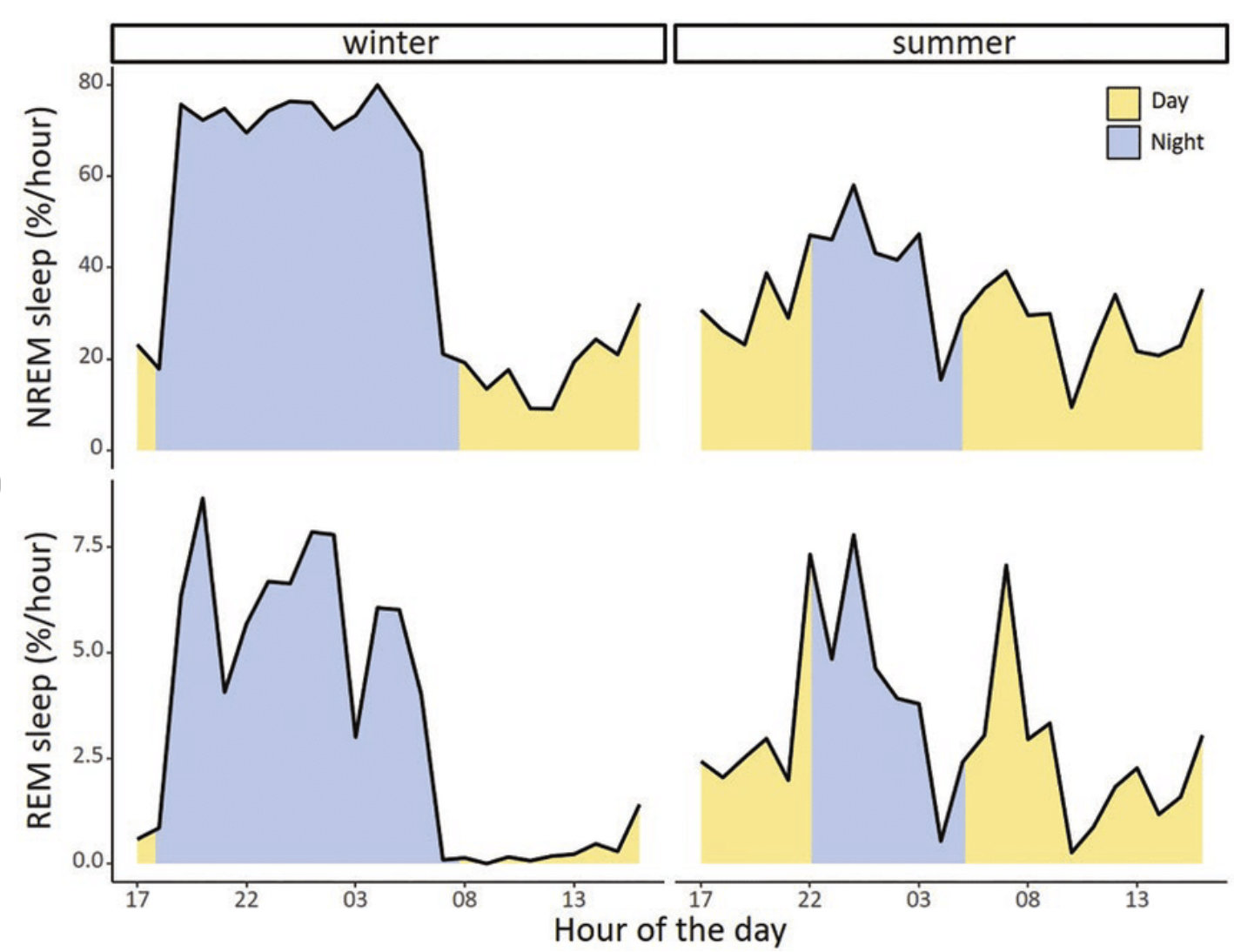
Longer daylight delays your internal clock
Research from Harvard Medical School shows that daylight is the primary signal that keeps your circadian rhythm aligned with the environment. In summer, daylight extends well into the evening, which delays the natural onset of melatonin. Your brain keeps receiving "it's still daytime" signals hours after it should be winding down, pushing your sleep window later without you realising.
Source: Dr. Charles Czeisler, Harvard Medical School — Harvard Health Publishing
Blue light in summer evenings suppresses melatonin
Under normal dark conditions, melatonin levels begin rising between 9–10pm. But in summer, brighter evenings combined with screen use after sunset significantly delays this process. A 2025 review published in Frontiers in Neurology confirmed that evening blue light exposure suppresses melatonin, delays circadian phase, and prolongs how long it takes to fall asleep, directly impairing sleep quality.
Source: Frontiers in Neurology, Systematic Review (2025) — PubMed Central
Screens in summer evenings compound the problem
Research published in Chronobiology Medicine (2024) found that evening screen use consistently delayed circadian rhythms and inhibited melatonin secretion, resulting in shorter sleep duration, poorer sleep quality and reduced performance the following day. In summer, when it's already lighter for longer, adding screen exposure in the final hour before bed doubles the disruption signal your brain receives.
Source: Chronobiology Medicine (2024) — Sleep Foundation / Harvard Health
8 lux — the light level that starts disrupting your melatonin. That's less than a standard lamp.
90 mins — how much melatonin onset can be delayed by evening light and screen exposure.
|