|
💡 This is the core research insight
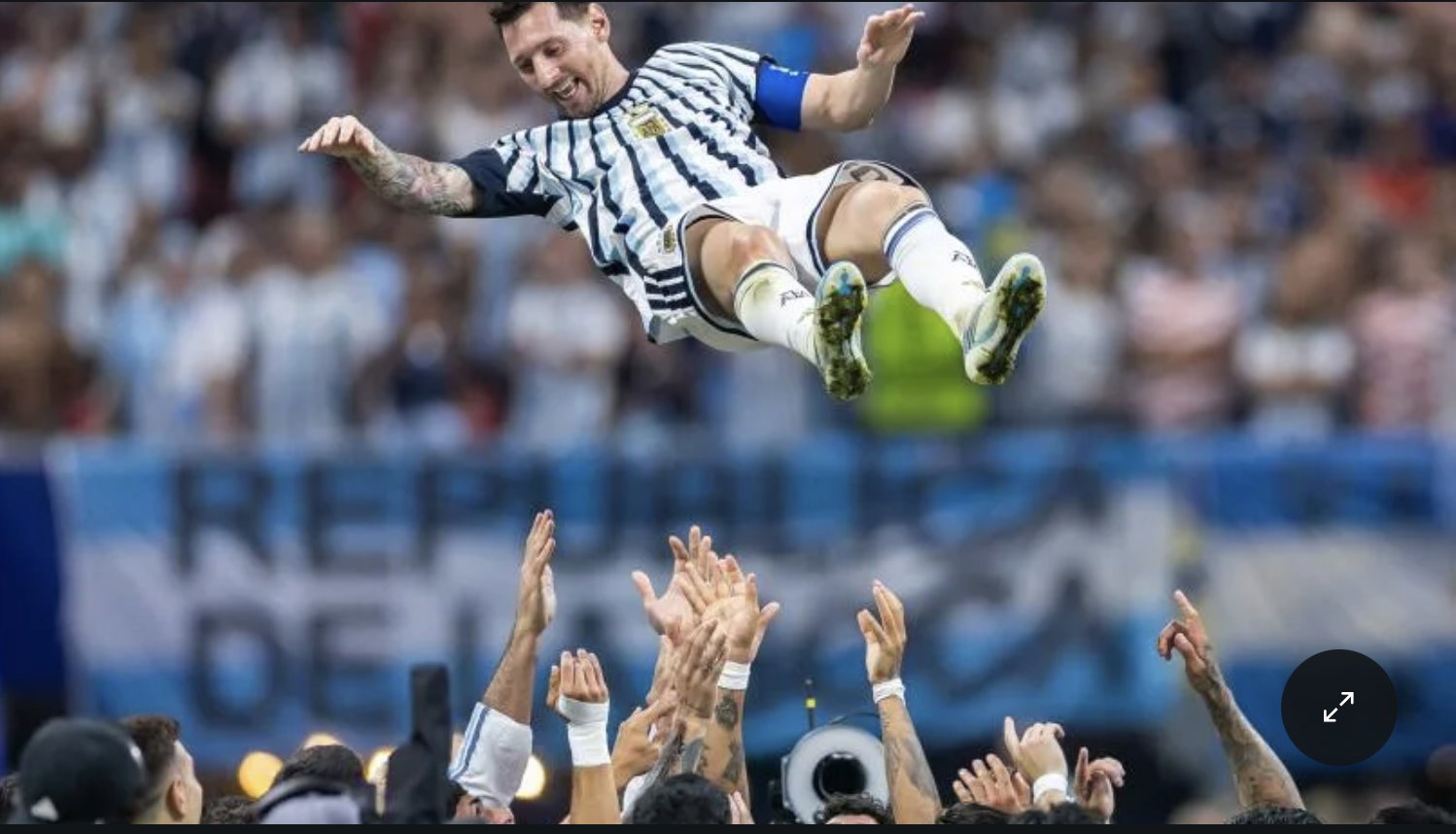
Behind Messi's brilliance at 39 lies years of disciplined training and smart recovery. While natural talent made him a prodigy, it is his commitment to recovery that has kept him at the top of world football. Elite sport figured out early what most people still have not internalised: sleep is not the absence of performance. It is performance. The training, the nutrition, the data, none of it compounds without the sleep cycle that repairs what the day
produced.
Tonight the whole world stays up to watch him. His body will have recovered by morning. The question is whether yours will.
What the science says...
What elite sport learned that we all missed
The days of beers after the game are long gone.
Huge amounts of data measuring biomarkers from heart rate to sleep cycles are now tracked in real time. Sleep is when muscle tissue repairs, motor patterns consolidate, and hormonal systems reset. Missing even one cycle measurably reduces both physical and cognitive performance the following day. Elite sport manages this obsessively. Most people do not manage it at all.
What sleep is doing while you rest
Each 90-minute cycle does a different job.
Deep sleep releases growth hormone and repairs physical tissue. REM sleep consolidates memory, resets decision-making, and sharpens reaction time. Cutting sleep short, even by 90 minutes, measurably reduces both. For a 39-year-old in a World Cup Final this is existential. For anyone trying to perform well the next day, it is more relevant than most people acknowledge.
The thing disrupting your sleep that Messi's team would never allow
Screens at night are the most common and most controllable disruptor.
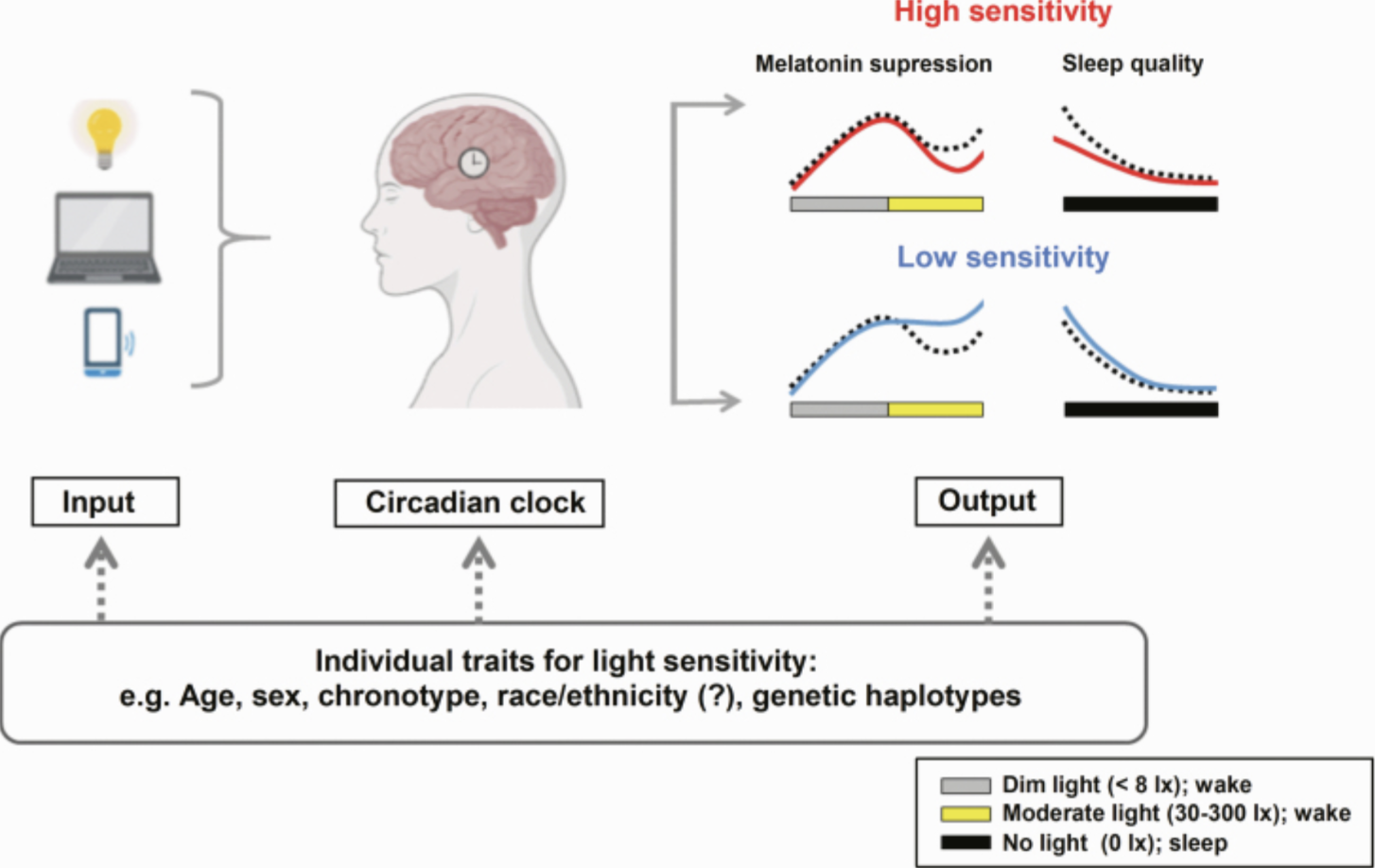
A 2025 study from the University of Zaragoza found that two hours of blue-rich light before bed kept melatonin suppressed at 7.5 pg/mL. Red light allowed recovery to 26.0 pg/mL, over three times higher. Elite recovery protocols manage evening light carefully. Most people spend two hours on their phones before sleep without a second thought. Tonight that phone will be showing World Cup highlights. Your melatonin will not know the difference.
(Sanchez-Cano et al., University of Zaragoza, Life 15(5):715, 2025)
What you can actually do
You cannot afford Messi's recovery team. But the biggest variable is free.
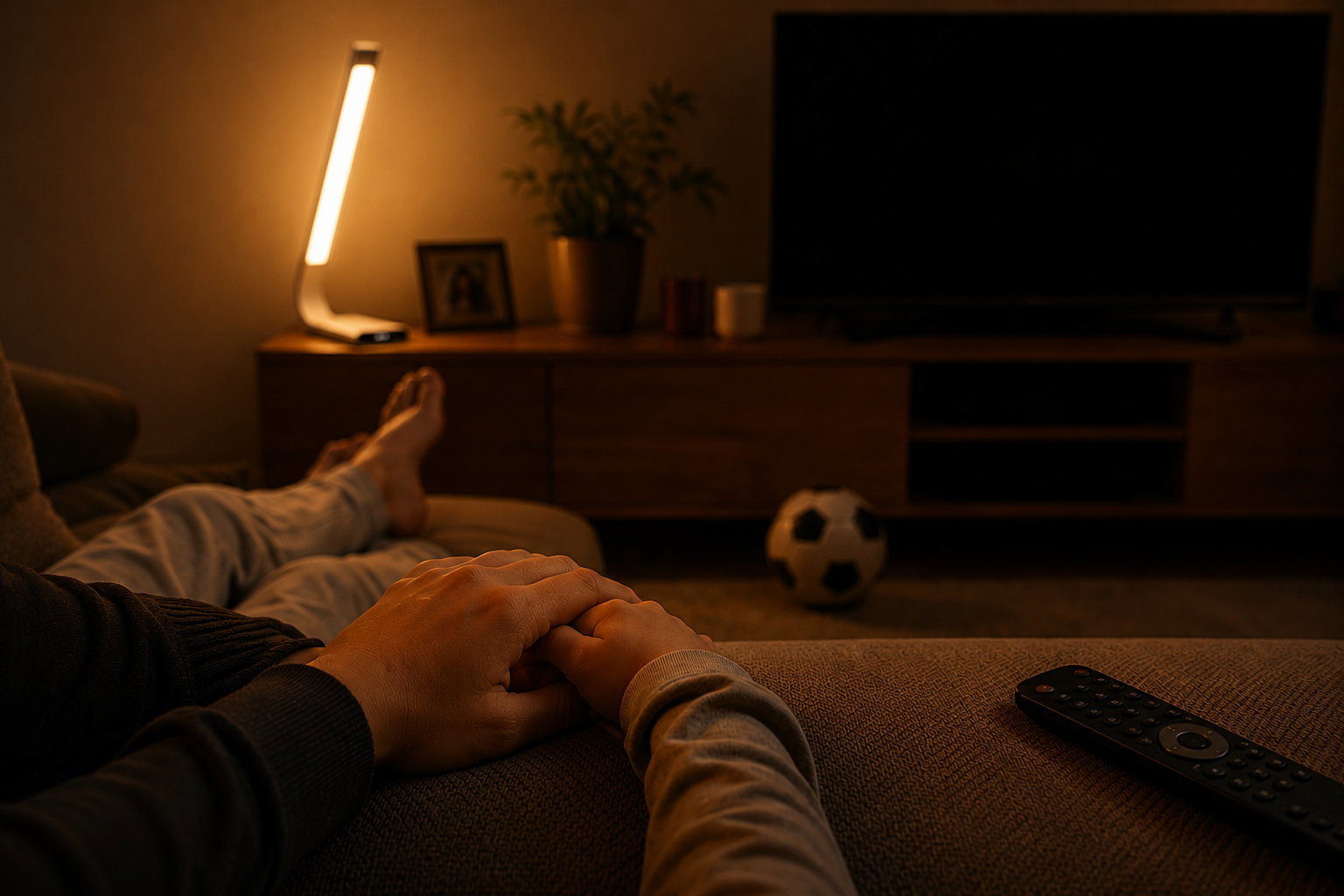
Consistent sleep and wake times. A dark cool bedroom. Reduced screen exposure in the two hours before bed. These are the foundations every elite recovery protocol is built on, and they are available to anyone. The screen protector is the practical version of the light environment management that professional athletes have built entire departments around. It does not require a sports science team. It requires one decision, made tonight after the final whistle.
What to take from this:
Messi is 39 and in a World Cup Final because elite sport stopped treating sleep as an afterthought twenty years ago. The same biology governing his recovery governs yours. The same evening light that suppresses melatonin in a footballer suppresses it in everyone watching him play.
The training and nutrition are inaccessible. The sleep habits are not. Protecting the two hours before bed is the one recovery protocol available to everyone — regardless of budget, schedule, or how late the match runs.
|