|
💡 This is the core research insight
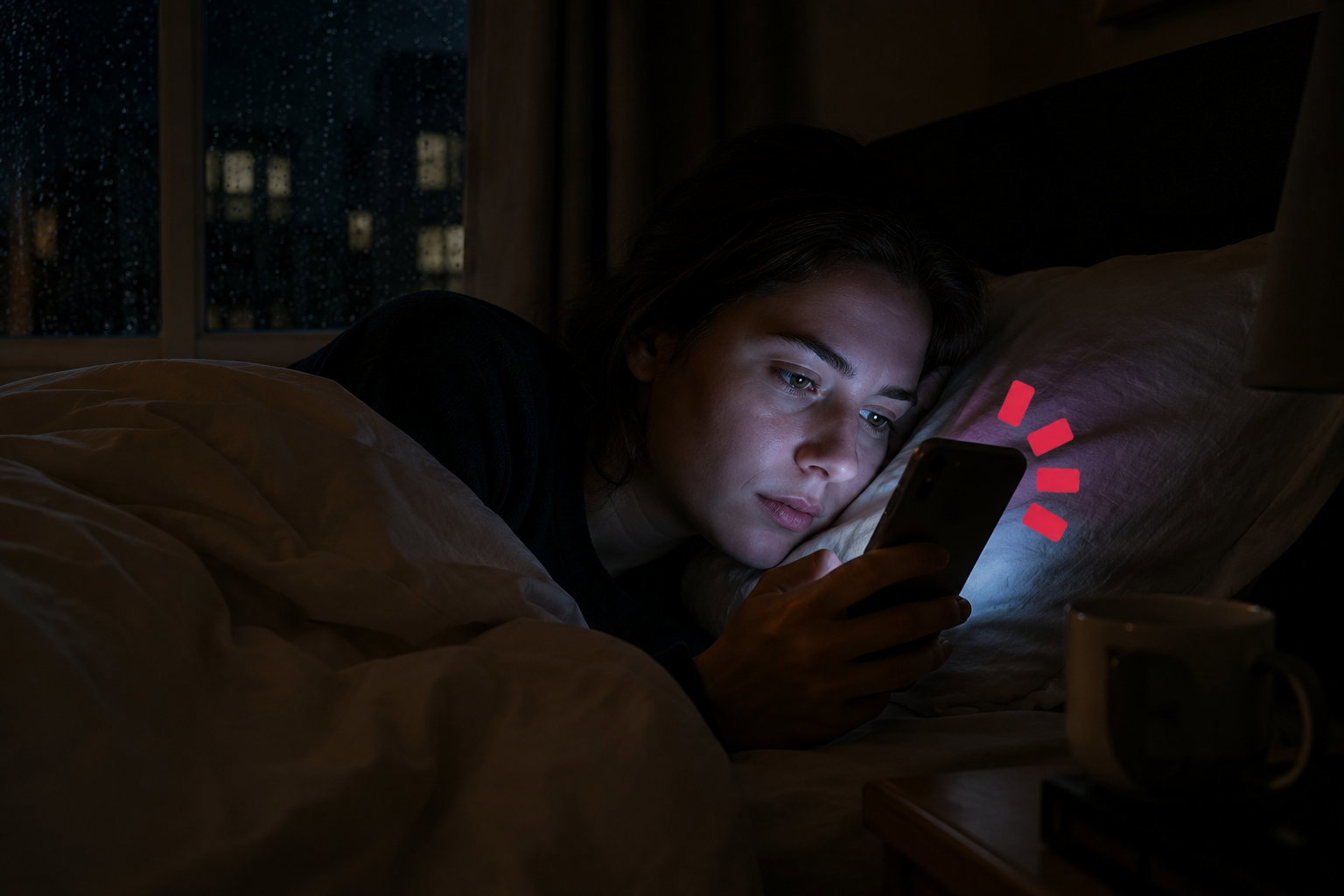
The biggest sleep problem isn't that we use our phones.
It's that we use them at exactly the time our brain is waiting for darkness.
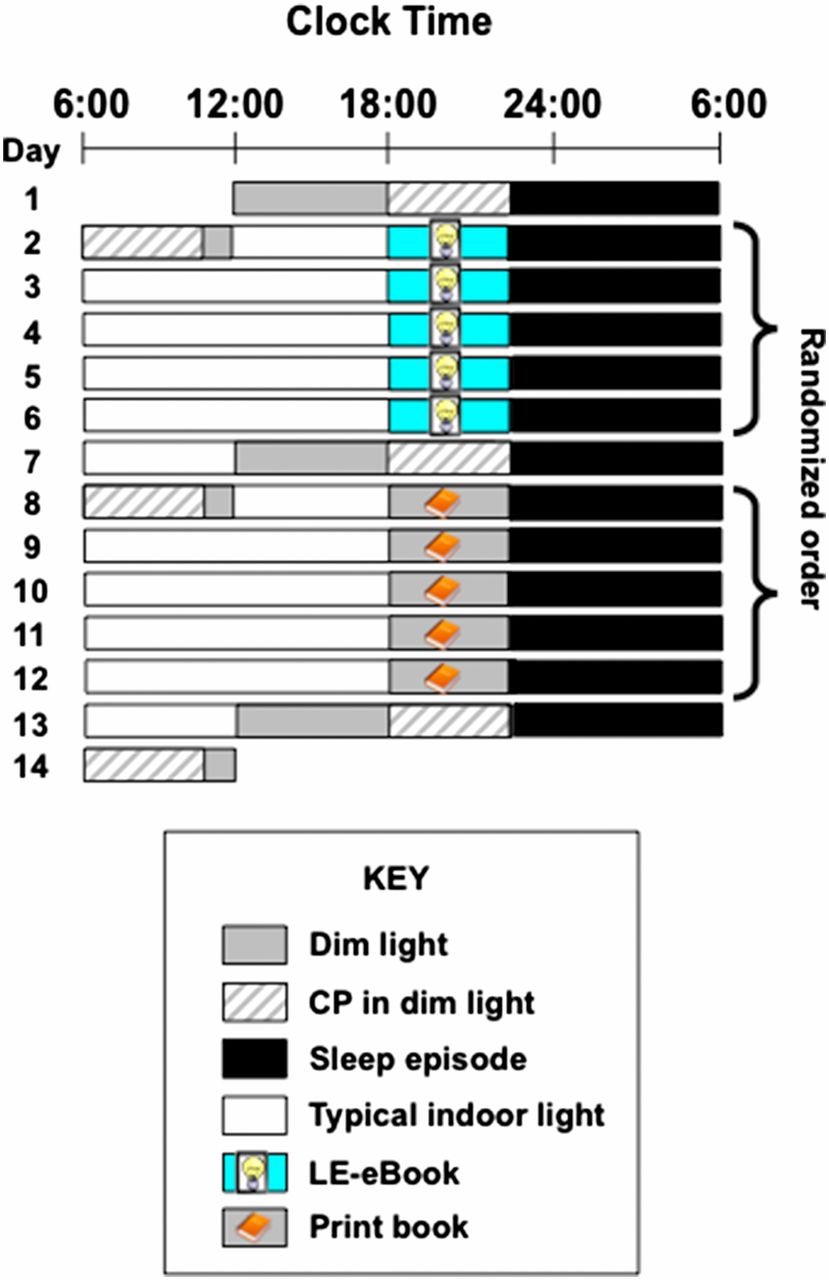
The brighter the light.
The longer the scroll.
The harder it becomes for your body to recognise that the day is over.
What the science says...
Apple built Night Shift for a reason.
Night Shift warms your screen after sunset to reduce blue light exposure.
It's free.
It's built into every iPhone.
And yes, it helps.
But there is a catch.
Many people don't keep it switched on.
Others dislike the orange tint.
And it still doesn't completely remove blue wavelengths reaching your eyes.
Why habits usually beat settings
Sleep researchers have a saying:
The best habit is the one you don't have to remember.
That's why many people choose solutions that work automatically.
Whether it's dimming your lights, putting your phone away earlier, or using a blue light screen protector that works every time you unlock your phone, consistency usually matters more than perfection.
What actually helps?
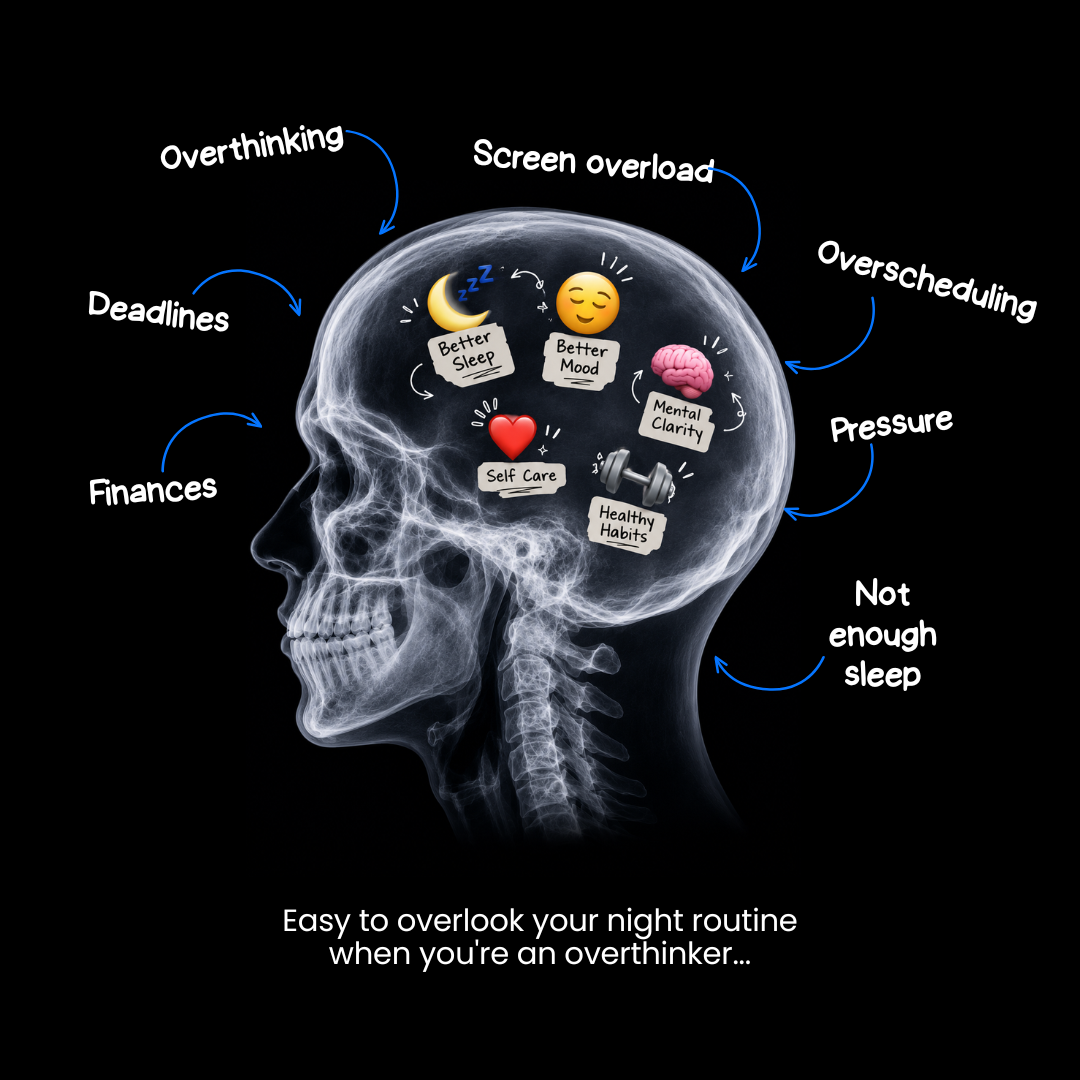
Research consistently points towards the same evening habits:
• Reduce bright light before bed.
• Keep your bedroom as dark as possible.
• Avoid stimulating screen use late into the evening.
• If you are using your phone, reduce blue light exposure with built-in settings or a quality blue-light filter.
None of these are dramatic.
Together, they help your brain recognise one simple message:
It's time to sleep.
|