|
💡 This is the core research insight
Nearly 1 in 5 crashes involves a sleep-deprived driver.
Not someone who fell asleep.
Someone who was just a little slow to react.
A little foggy. A little less sharp than they thought they were.
Most of those drivers felt fine. Just tired.
That small uncomfortable feeling you might be getting right now,
that is the right response to this data.
What the science says...
The problem hiding in plain sight
It is more common than people think. And far more serious.
Right now, around 83 million sleep-deprived people are at work, at school, or on the road. There is no way to test tiredness at a crash scene. Alcohol leaves evidence. Exhaustion does not. Behind those numbers are real people, people with families — who were just too tired and did not know how much that mattered. That is why this is worth talking about.
Why tired drivers often feel fine
Your brain lies to you when it is exhausted.
Being tired slows your reactions, clouds your judgement, and makes it harder to think clearly. But here is the thing that surprised even researchers: the more tired you are, the less you notice it. Your brain adjusts to feeling exhausted and starts treating it as normal. A drunk person often knows they should not be driving. A tired person usually does not think twice. That is not a personal failing. That is just how the brain works, and it is happening to careful,
responsible people every single day.
The moment most of us have been in
7am. Bad night. Running late. Get in the car anyway.
That Tuesday morning. The one almost everyone reading this has lived. You did not sleep well. Your phone kept you up. You had to be somewhere. So you drove.
The blue light from your screen the night before delayed your melatonin, shortened your sleep, and by morning, without you knowing, the impairment was already there. You did not choose to drive tired. You just did not connect those two things.
That is why this matters. Not to make anyone feel guilty. But because the people we love deserve to know what is actually happening.
(Sanchez-Cano et al., University of Zaragoza, Life 15(5):715, 2025)
What actually helps
Nothing complicated. Just one small habit, every evening.
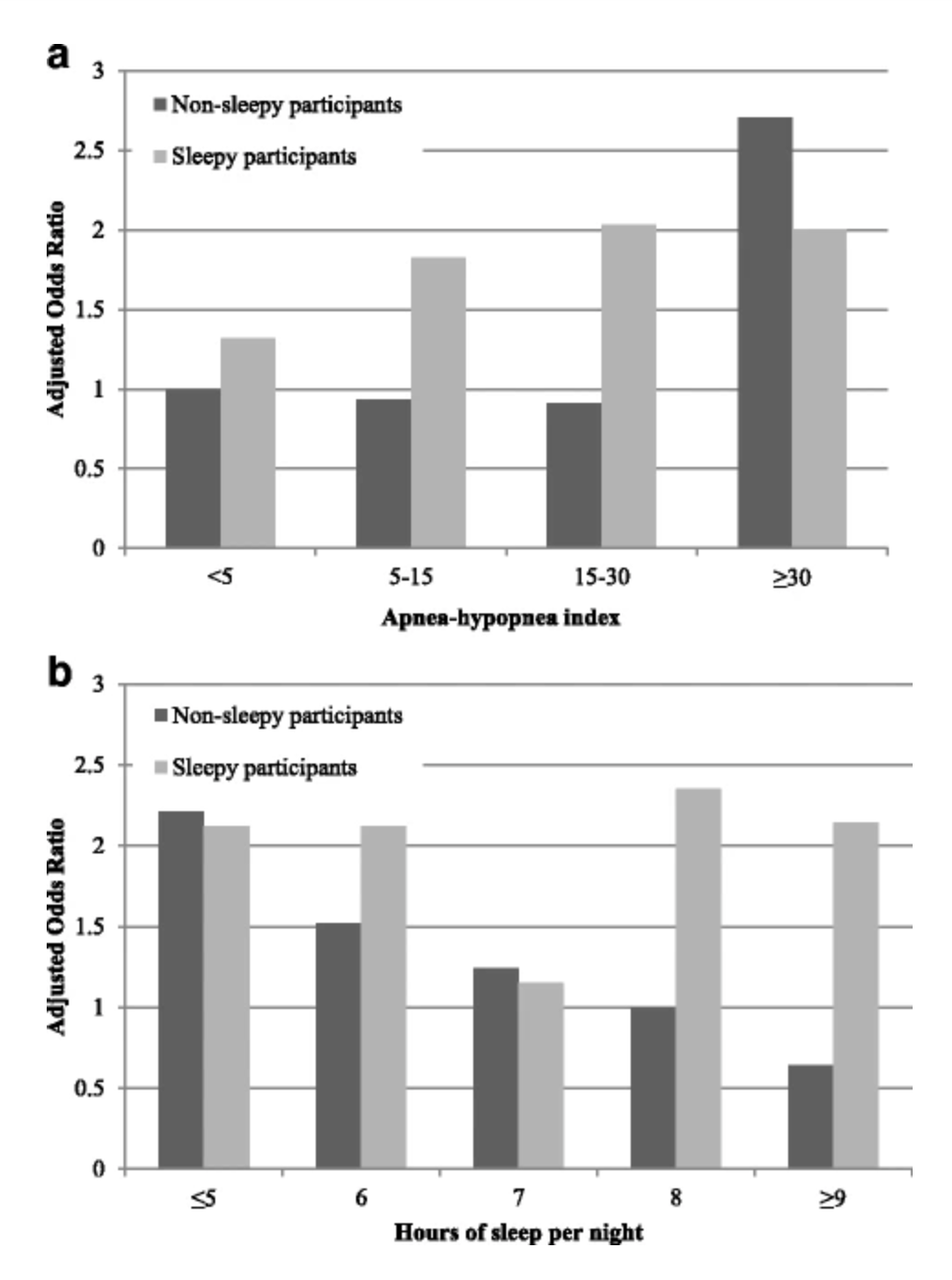
Seven or more hours of sleep is the single clearest protective measure the research supports. And the habits that get you there are not hard, a consistent bedtime, a dark room, and less blue light in the two hours before you sleep. Not for wellness. For the drive the next morning. For the people on the road with you. For the people who want you home safe.
What to take from this:
The chain is simple. Screens delay sleep. Less sleep slows your reactions. Slower reactions on the road put lives at risk.
This is not about fear. It is about one small thing you can do tonight that the people who love you would want you to do.
|