US · ocushield.com

Why your sleep gets worse in summer 🌙

It's not just the heat. Here's what's actually going on.


This email was sent

Is this your brand on Milled? Claim it.

It's not just the heat. Here's what's actually going on.

͏ ͏ ͏ ͏ ͏ ͏ ͏ ͏ ͏ ͏ ͏ ͏ ͏ ͏ ͏ ͏ ͏ ͏ ͏ ͏ ͏ ͏ ͏ ͏ ͏ ͏ ͏ ͏ ͏ ͏ ͏ ͏ ͏ ͏ ͏ ͏ ͏ ͏ ͏ ͏ ͏ ͏ ͏ ͏ ͏ ͏ ͏ ͏ ͏ ͏ ͏ ͏ ͏ ͏ ͏ ͏ ͏ ͏ ͏ ͏ ͏ ͏ ͏ ͏ ͏ ͏ ͏ ͏ ͏ ͏ ͏ ͏ ͏ ͏ ͏ ͏ ͏ ͏ ͏ ͏ ͏ ͏ ͏ ͏ ͏ ͏ ͏ ͏ ͏ ͏ ͏ ͏ ͏ ͏ ͏ ͏ ͏ ͏ ͏ ͏ ͏ ͏ ͏ ͏ ͏ ͏ ͏ ͏ ͏ ͏ ͏ ͏ ͏ ͏ ͏ ͏ ͏ ͏ ͏ ͏ ͏ ͏ ͏ ͏ ͏ ͏ ͏ ͏ ͏ ͏ ͏ ͏ ͏ ͏ ͏ ͏ ͏ ͏ ͏ ͏ ͏ ͏ ͏ ͏ ͏ ͏ ͏ ͏ ͏ ͏  ­ ­ ­ ­ ­ ­ ­ ­ ­ ­ ­ ­ ­ ­ ­ ­ ­ ­ ­ ­ ­ ­ ­ ­ ­ ­ ­ ­ ­ ­ ­ ­ ­ ­ ­ ­ ­ ­ ­ ­ ­ ­ ­ ­ ­ ­ ­ ­ ­ ­ ­ ­ ­ ­ ­ ­ ­ ­ ­ ­ ­ ­ ­ ­ ­ ­ ­ ­ ­ ­ ­ ­ ­ ­ ­ ­ ­ ­ ­ ­ ­ ­ ­ ­ ­ ­ ­ ­ ­ ­ ­ ­ ­ ­ ­ ­ ­ ­ ­ ­ ­ ­ ­ ­ ­ ­ ­ ­ ­ ­ ­ ­ ­ ­ ­ ­ ­ ­ ­ ­ ­ ­ ­ ­ ­ ­ ­ ­ ­ ­ ­ ­ ­ ­ ­ ­ ­ ­

The Weekly Eye-Opener 
Introducing our New Weekly Series by our Lead Optometrist, Dhruvin Patel

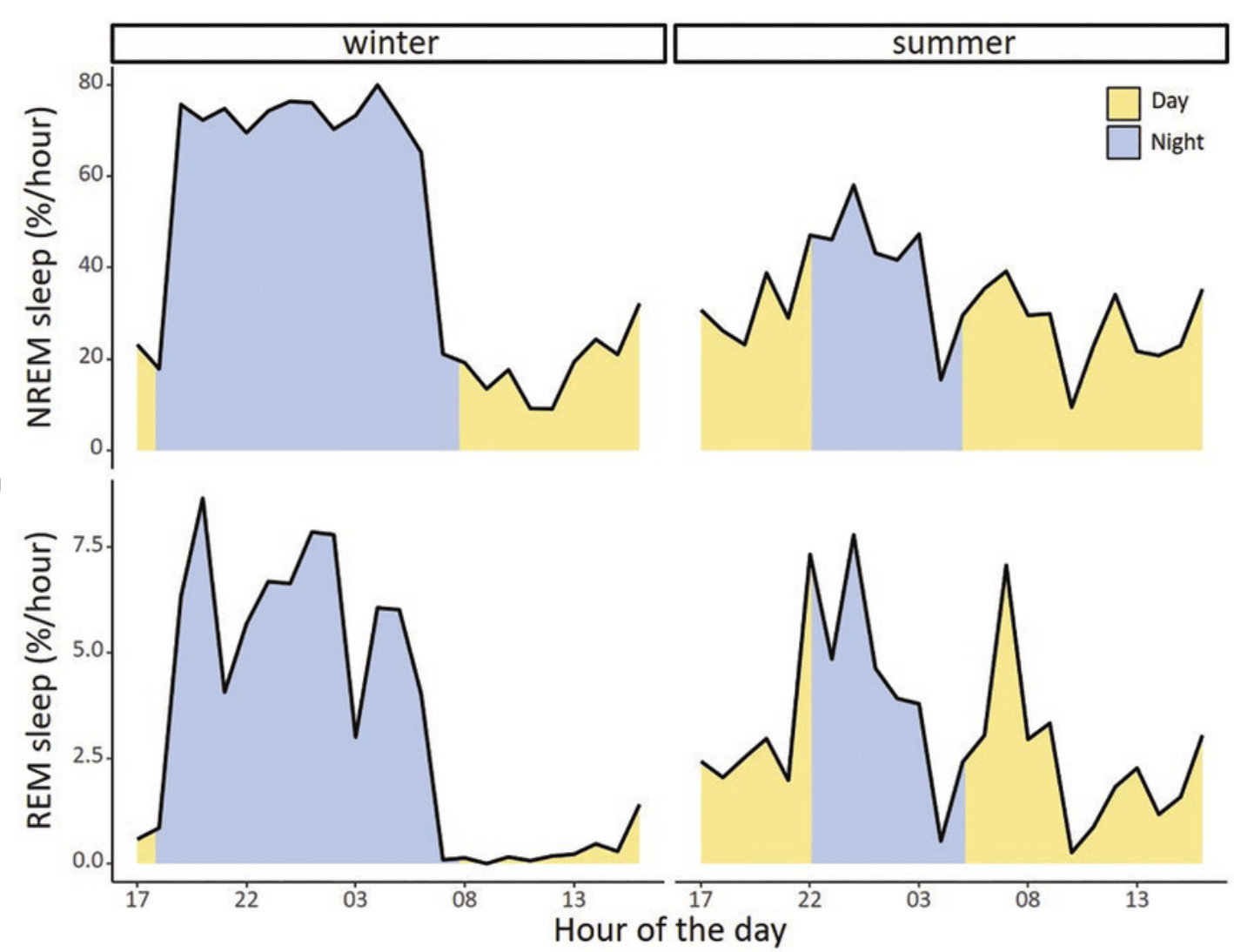
Why your sleep gets worse in summer, and what's actually going on.

If you have noticed your sleep getting worse as the evenings get lighter, you are not imagining it. Something is happening to your brain every summer, and the research now tells us clearly what it is, and what's causing it.

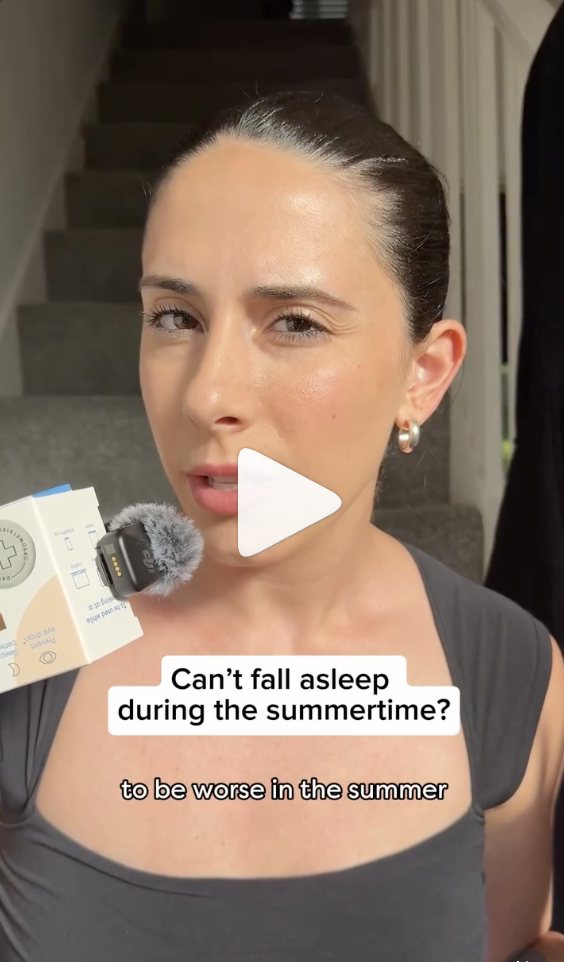
Watch our latest reel on this

3 things sciences is saying right now


Longer daylight delays your internal clock 


Research from Harvard Medical School shows that daylight is the primary signal that keeps your circadian rhythm aligned with the environment. In summer, daylight extends well into the evening, which delays the natural onset of melatonin. Your brain keeps receiving "it's still daytime" signals hours after it should be winding down, pushing your sleep window later without you realising. 


Source: Dr. Charles Czeisler, Harvard Medical School — Harvard Health Publishing


Blue light in summer evenings suppresses melatonin 


Under normal dark conditions, melatonin levels begin rising between 9–10pm. But in summer, brighter evenings combined with screen use after sunset significantly delays this process. A 2025 review published in Frontiers in Neurology confirmed that evening blue light exposure suppresses melatonin, delays circadian phase, and prolongs how long it takes to fall asleep, directly impairing sleep quality.


Source: Frontiers in Neurology, Systematic Review (2025) — PubMed Central


Screens in summer evenings compound the problem 


Research published in Chronobiology Medicine (2024) found that evening screen use consistently delayed circadian rhythms and inhibited melatonin secretion,  resulting in shorter sleep duration, poorer sleep quality and reduced performance the following day. In summer, when it's already lighter for longer, adding screen exposure in the final hour before bed doubles the disruption signal your brain receives. 


Source: Chronobiology Medicine (2024) — Sleep Foundation / Harvard Health


8 lux — the light level that starts disrupting your melatonin. That's less than a standard lamp.


90 mins — how much melatonin onset can be delayed by evening light and screen exposure.


1 small change that helps


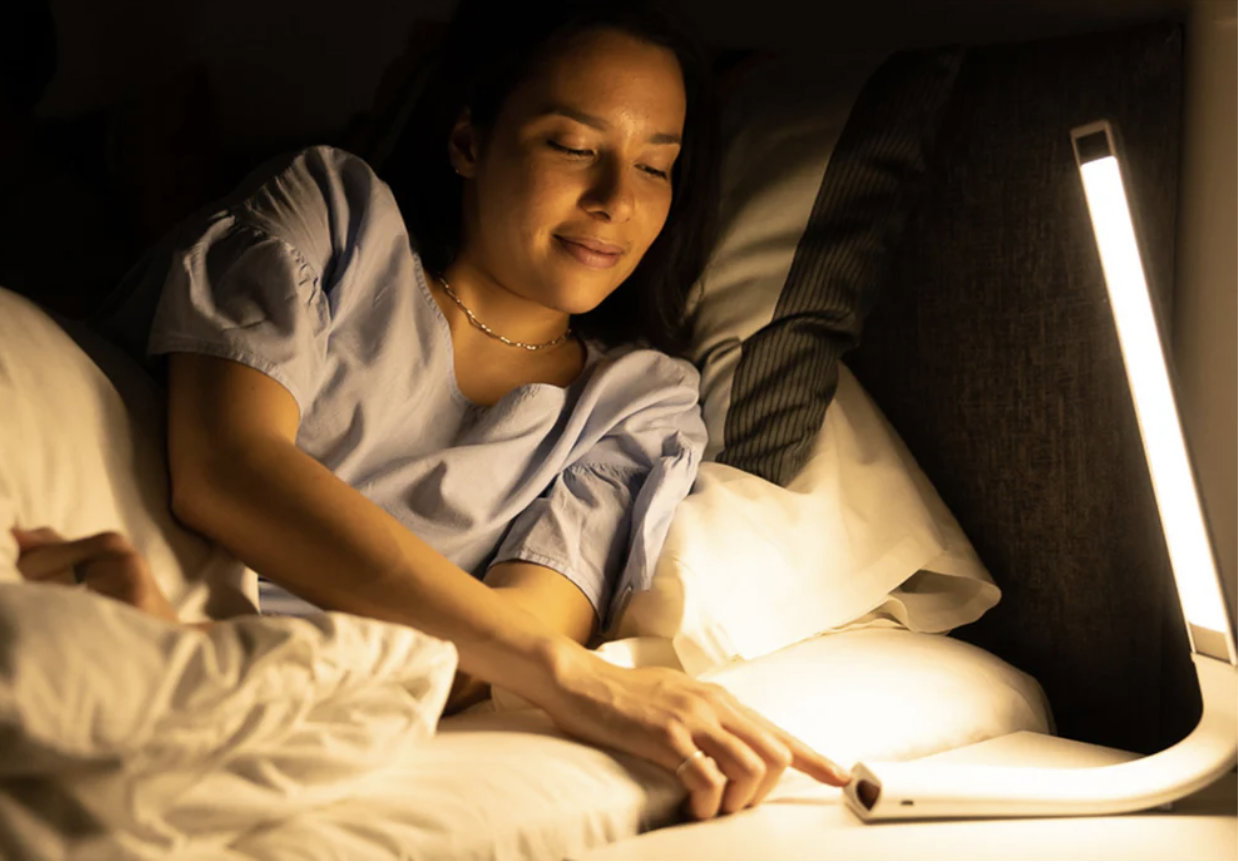
Oculamp Switching your evening lighting to a warm, low-blue light source is one of the most evidence-backed ways to protect your melatonin window in summer. Oculamp is designed to do exactly that, replacing harsh blue-enriched light with a warm tone that works with your circadian rhythm, not against it. A simple swap that your brain will thank you for.


Good to know


Light is not the only factor in sleep quality. Temperature, stress, caffeine and sleep habits all play a role. If you are experiencing persistent sleep difficulties, speak to your GP or a qualified healthcare professional.


✉️ Does your sleep change in summer? 


Hit reply and let us know, we read every single one. 

Would love to hear what you notice.


⚕️ Latest clinical research


The three peer-reviewed studies behind this edition:

Longer daylight delays your internal clock

Source: Harvard Medical School — Harvard Health Publishing

Blue light in summer evenings

Source: NIH — PubMed Central, Comparative Effects of Red and Blue LED Light on Melatonin (2025)

Screens in summer evenings compound

Source: Sleep Foundation — Blue Light and Sleep (2025)

Eye tip of the week:


Switch your bedroom lamp to a warm-toned bulb (2700K or lower) this week. It takes 30 seconds and immediately reduces the blue light signal your brain receives before bed, making it easier to fall asleep, especially on long summer evenings.


Sources:

facebook instagram twitter tiktok


UK: Ocushield, 86-90 Paul Street, London, EC2A 4NE, United Kingdom


USA: Ocushield, 2140 South Dupont Highway, Camden, Delaware, 19934, USA 


[email protected]

Update preferences or Unsubscribe

Are you sure?

Lists help you organize the brands that you care about. Your lists are private to you.