Section 1: New Content: Premium Mondays
Section 2: Featured Classes This Week
|
Premium Mondays
Whether you delved into the history behind Oppenheimer, enjoyed a bright pink “escape” into the world of Barbie, or experienced some Mission: Impossible thrills, it certainly has been a summer of blockbuster movies!
A few weeks ago, we treated you to Part 1 of Marc Lapadula’s Premium Program: “Great Movie Performances: The Very Best Moments in Cinema History.” Now, it’s time for Part 2! This presentation includes stellar performances from such varied films as: Blade Runner, Sophie’s Choice, The Accused, A Few Good Men, No Country for Old Men and Lady Bird.
Click the image below to watch, free of charge.
|
As Americans shifted away from a 1960s preoccupation with the political and social issues plaguing our country, the Seventies became a time for individualism and self-expression. When journalist Tom Wolfe labeled it the “Me Decade,” the moniker stuck.
It’s easy to be nostalgic for the 70s, with its bell-bottoms and sideburns, disco balls and roller skates, and blockbuster movies like Jaws, Grease, Star Wars and Superman. Video game consoles were all the rage, while color TVs, microwaves and the Sony Walkman became ubiquitous. (Did you know that the Apple Computer Company was founded in 1976?)
With shows like All in the Family, Roots and M.A.S.H., television became literate...and controversial. A post-Studio System “New Hollywood” emerged with a social conscience, producing such classics as The Godfather, All the President’s Men, Network and Chinatown.
|
But it also was a time of great social and political change. The voting age was 18 and the sexual revolution was in full swing, with the ERA, Vietnam War, Roe v. Wade and Watergate at the forefront. Previously marginalized groups continued their 60s fight for equality while a “New Right” emerged, espousing conservative values.
This week, take some "me" time and dig into some of the events and personalities that defined this tumultuous decade.
|
Featured Classes
“They always say that time changes things, but you actually have to change them yourself.”
-- Andy Warhol, 1975
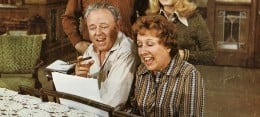
Compared to other decades, such as The Roaring 20s, The War Years, The Fabulous 50s and The Swinging 60s, the 70s is sometimes “overlooked” in American history. Yet, the 1970s were pivotal–and significantly influenced our own time. Join Professor Cannato as he defines this decade and pinpoints the striking similarities between 70s America and today.
|
|
|
“I’ve often said to whistleblowers, don’t do what I did, don’t wait years till the bombs are falling and people have been dying.”
-- Daniel Ellsberg: released the Pentagon Papers to The New York Times
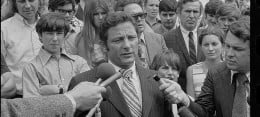
On June 13, 1971, The New York Times began publishing articles revealing “Top Secret” information from the 1967 “Report of the Office of the Secretary of Defense Vietnam Task Force.” The report, which soon would be known as the “Pentagon Papers,” featured a classified account of the origins of the Vietnam War–while the bloody conflict was still raging! In his enlightening class, Brandeis Professor Stephen Whitfield discusses the impact of this press leak and the political and legal issues it exposed.
|
|
|
“The Presidency has many problems, but boredom is the least of them.” -- Richard Nixon
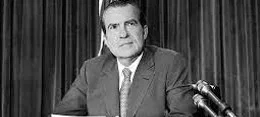
He is one of the most famous Presidents in American history–and certainly one of the most controversial. From his initial run for Congress in 1946 to his historic 1974 resignation, Richard Nixon’s road to the White House (and out of it) is full of triumphs and tragedies. One of only two candidates, along with FDR, who has appeared on the national presidential ticket five times, Nixon's campaign strategies have been mimicked by many who followed. Watch as Professor Engel analyzes our 37th President's troubled legacy.
|
|
|
“Haunted and haunting, human and inhuman, war remains with us and within us, impossible to forget but difficult to remember.”
-- Viet Thanh Nguyen, Nothing Ever Dies: Vietnam and the Memory of War
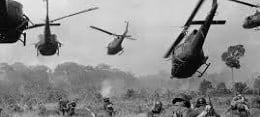
Known, until recently, as “America’s Longest War,” the Vietnam War cost the United States nearly 60,000 American lives and $168 billion (about $1 trillion today). Furthermore, the number of U.S. troops that served worldwide is staggering: nearly 9 million. Is it no wonder that a half-century old conflict still resonates today? Join Dr. Kaufman as he expertly summarizes the United States’ role in this long and bloody fight.
|
|
|
“All I want is the same thing you want. To have a nation with a government that is as good and honest and decent and competent and compassionate and as filled with love as are the American people.”
-- President Jimmy Carter
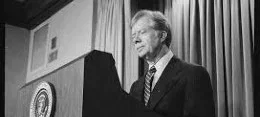
Tied for 12th in the early polls, Jimmy Carter truly was a “dark horse” candidate for President in 1976. How did this ex-governor of Georgia manage to win the White House, and why wasn't he able to maintain the support of voters? Of course, President Carter’s astounding legacy grew after his 1980 loss to Reagan. In addition to winning the Nobel Peace Prize, this former peanut farmer authored 32 books and received three Grammy Awards for “Best Spoken Word Album!”
|
|
|
One Day University, 8484 Georgia Ave., Suite 700, Silver Spring, MD 20910, United States of America
Unsubscribe
|
|
|
|
|