From Civil War Nurses to “Magic Mushrooms”
|
|
|
|
You must never so much think as whether you like it or not, whether it is bearable or not; you must never think of anything except the need, and how to meet it. |
|
|
— Clara Barton, Founder of the American Red Cross
|
|
|
On May 21, 1881, at 60 years old, Clara Barton founded the American Red Cross. A self-taught nurse who earned the nickname “Angel of the Battlefield” during the Civil War, Barton served as president of the organization for 23 years before retiring in 1904. Today, the Red Cross is best known for providing relief, emergency medical care and humanitarian aid—from battlefields to disaster zones. But caring for people who have endured extreme trauma has always involved more than treating physical wounds. Emotional and mental support for survivors and their loved ones has become an essential part of recovery.
The Red Cross was one of the first national humanitarian organizations to formally recognize that mental health services are a critical part of disaster relief. During World War I and World War II, Red Cross volunteers supported soldiers suffering from post-traumatic stress disorder (PTSD), or “shell shock,” as it was then called. Volunteers also comforted grieving families and helped communities cope with loss after disasters and wartime tragedies. Today, Red Cross volunteers are trained in psychological as well as medical first aid, equipping them to provide emotional support during emergencies and crises.
As we recognize the essential work and legacy of the Red Cross, it’s also important to acknowledge May as Mental Health Awareness Month. Founded in 1949 by Mental Health America—then known as the National Association for Mental Health—the campaign promotes mental wellness, encourages education and early intervention, and works to reduce the stigma surrounding mental illness. Over the decades, the movement has expanded to include public awareness campaigns about anxiety, depression, PTSD and suicide prevention—a mission that closely aligns with organizations like the Red Cross as they continue to broaden their care beyond physical health to include emotional well-being.
Below, two professors explore how care and compassion have evolved over time—from the origin of nursing in America to the future of mental health treatment.
|
|
|
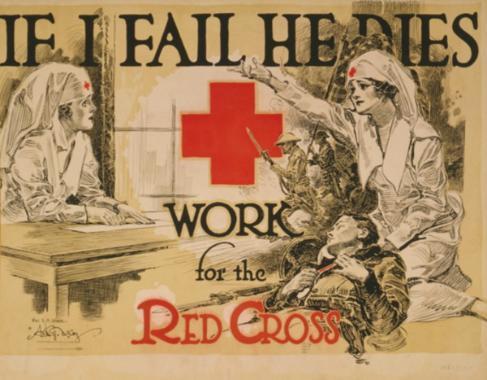
Poster created circa 1918 to encourage Red Cross recruitment and support during World War I. Illustrated by Arthur G. McCoy.
|
|
|
Who were the first nurses in the United States?
Women were instrumental in the Civil War in an area that sits between home front and battlefront: nursing. Today we think of nursing as a professional, skilled position, but that was not the case then. The Civil War was absolutely a watershed in the notion of nursing—both as a profession and something that women did. Prior to the war nursing simply didn’t exist. Women would take care of male family members, but it would have been completely inappropriate for women to see, touch or care for the bodies of strange men. But we start to see a change with this during the Civil War.
Many women who nursed had been inspired by Florence Nightingale's account of her service in the Crimean War from 1860, just before the Civil War began. But Clara Barton, before founding the Red Cross in 1881, was the first to treat soldiers in the Civil War. On the battlefield at Antietam in 1862 she faced harrowing circumstances. As she was tending to a soldier a bullet whizzed through the sleeve of her dress and killed him. So this was incredibly dangerous work.
Perhaps the most famous and most instrumental nurse was Dorothea Dix. Prior to the war she had worked in reforming mental health institutions, but in 1861 she was named Superintendent of Nursing for the U.S. Dix had very strict guidelines about who could nurse for her. She said that “no woman under 30 need apply” and all nurses need to be “plain-looking women: their dresses must be brown or black, with no bows, no curls, no jewelry, no hoops.” There are real concerns here about strange women working alongside men who are not their family members—so Dix is trying to make sure that there is nothing improper about the relationship between patient and nurse.
Approximately 9,000 women served as nurses during the Civil War. About half of them left a child at home to go to the front. Some were widowed, others wanted to be near a spouse, and some did it to showcase their patriotic duty. Fewer women nursed for the Confederacy—about 1,000 out of the total 9,000—because the Confederacy used enslaved labor, both men and women. But for both sides, by the end of the war nursing had become something that was increasingly acceptable for women to do.
|
|
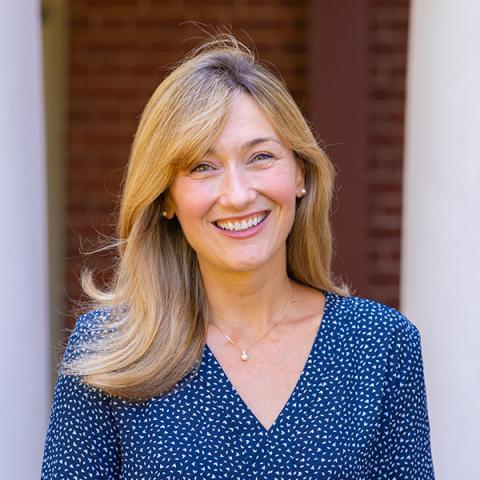
Caroline Janney is the John L. Nau III Professor in the History of the American Civil War at the University of Virginia, where she also directs the Nau Center for Civil War History. As a historian her scholarship focuses on the Civil War, Memory, and Women and Gender. Professor Janney is a past-president of the Society of Civil War Historians and also serves as a co-editor of the University of North Carolina Press’s Civil War America series. She is the author of Burying the Dead but Not the Past: Ladies’ Memorial Associations and the Lost Cause; Petersburg to Appomattox: The End of the War in Virginia and Remembering the Civil War: Reunion and the Limits of Reconciliation.
|
|
|
The Psychedelic Revolution: |
Magic Mushrooms and Mental Health?
|
|
|
Where did the term “magic mushrooms” come from?
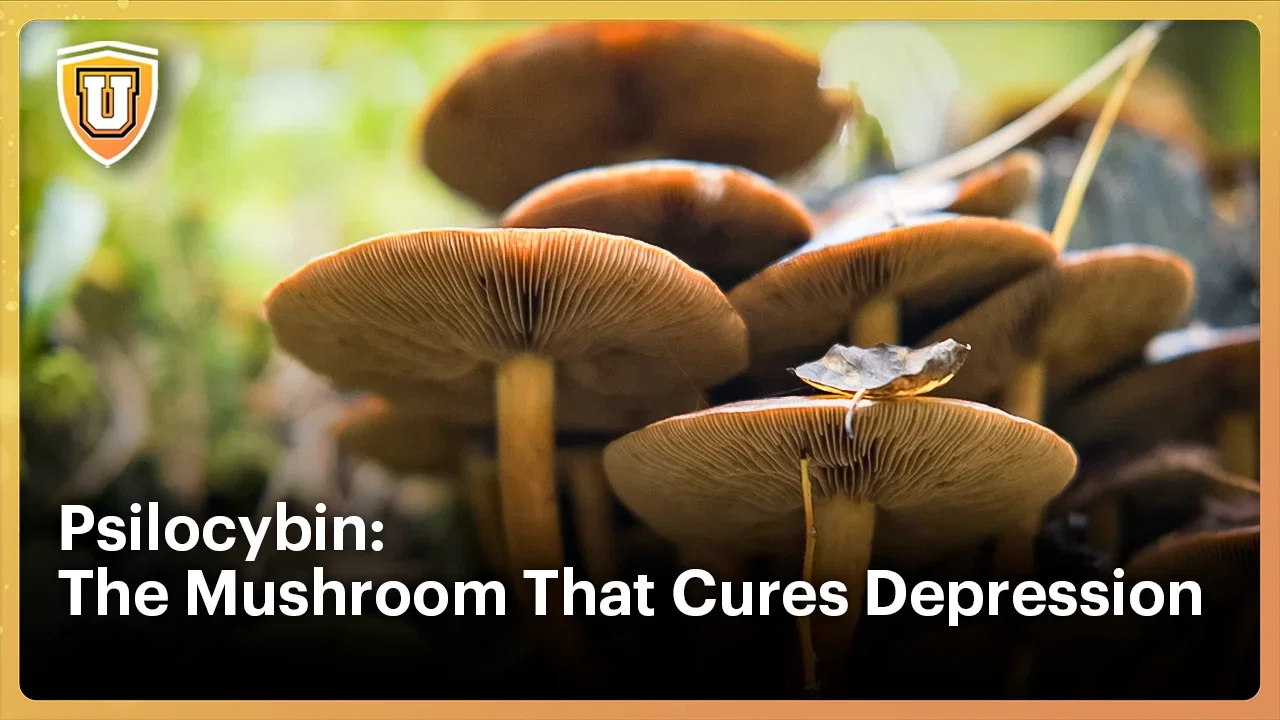
For centuries, Central and South American Indigenous communities used psilocybin mushrooms for healing and religious practices. The Aztecs called them teonanácatl, or “flesh of the gods.” Americans were introduced to the mushrooms after a 1957 Life magazine article described banker R. Gordon Wasson’s “mind-altering” experience during a Mazatec mushroom ceremony in Mexico. The phrase “magic mushrooms,” which refers to the fungi’s mystical hallucinogenic effects, soon became a popular nickname.
Today, there is growing interest in psychedelic therapies as a possible treatment for PTSD, depression and addiction. Although these therapies are not yet FDA approved, the growing research around psilocybin is a potentially exciting new frontier in the world of mental health care.
To learn more watch this excerpt from Professor Jacob Appel's class "The Psychedelic Revolution: Polished Brass or Silver Bullet?"
See the entire class HERE
|
|
Watch this free video here |
|
|
Curiosity University, 8484 Georgia Ave., Suite 700, Silver Spring, MD 20910, United States of America
Unsubscribe
|
|
|
|
|