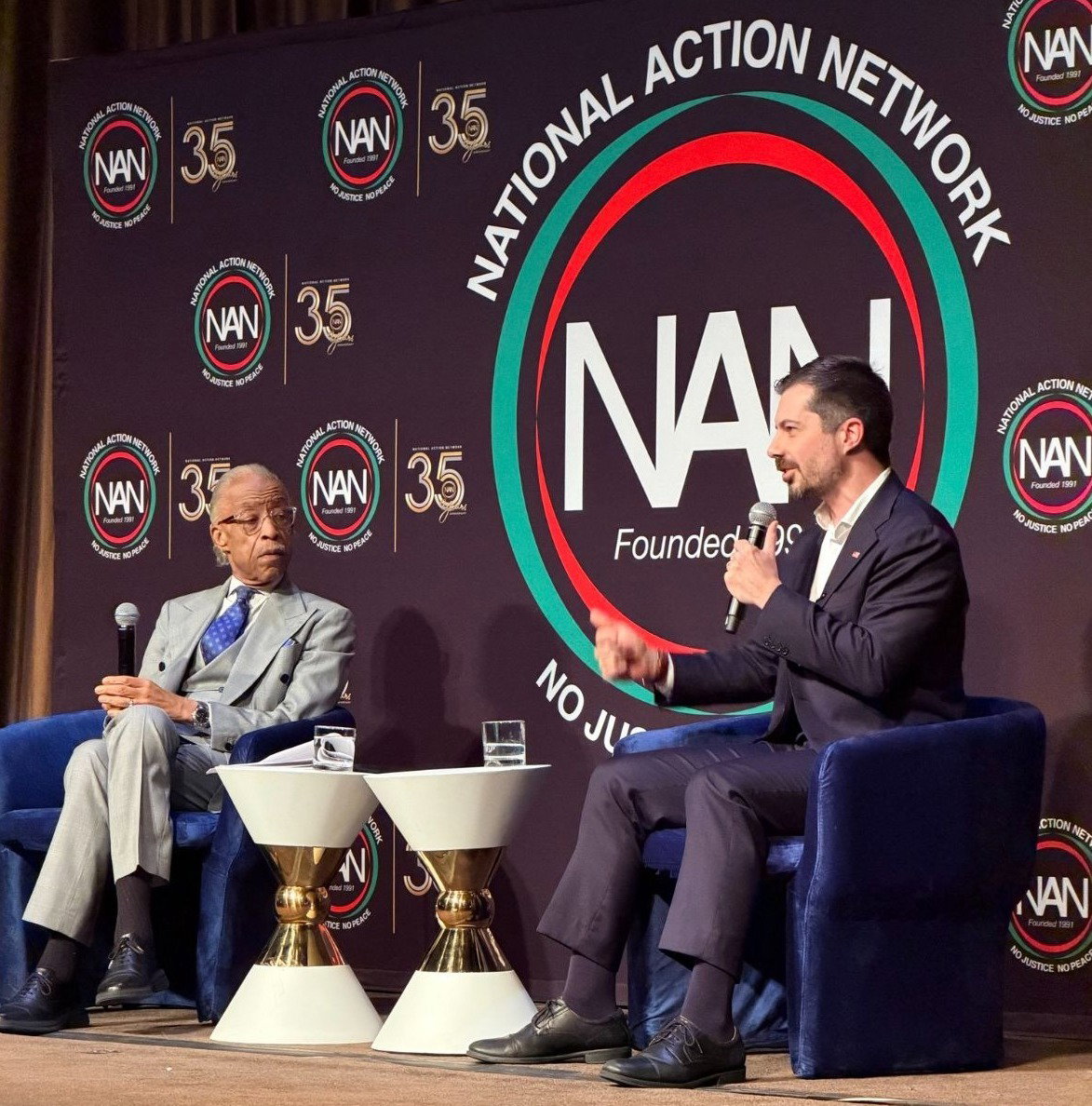
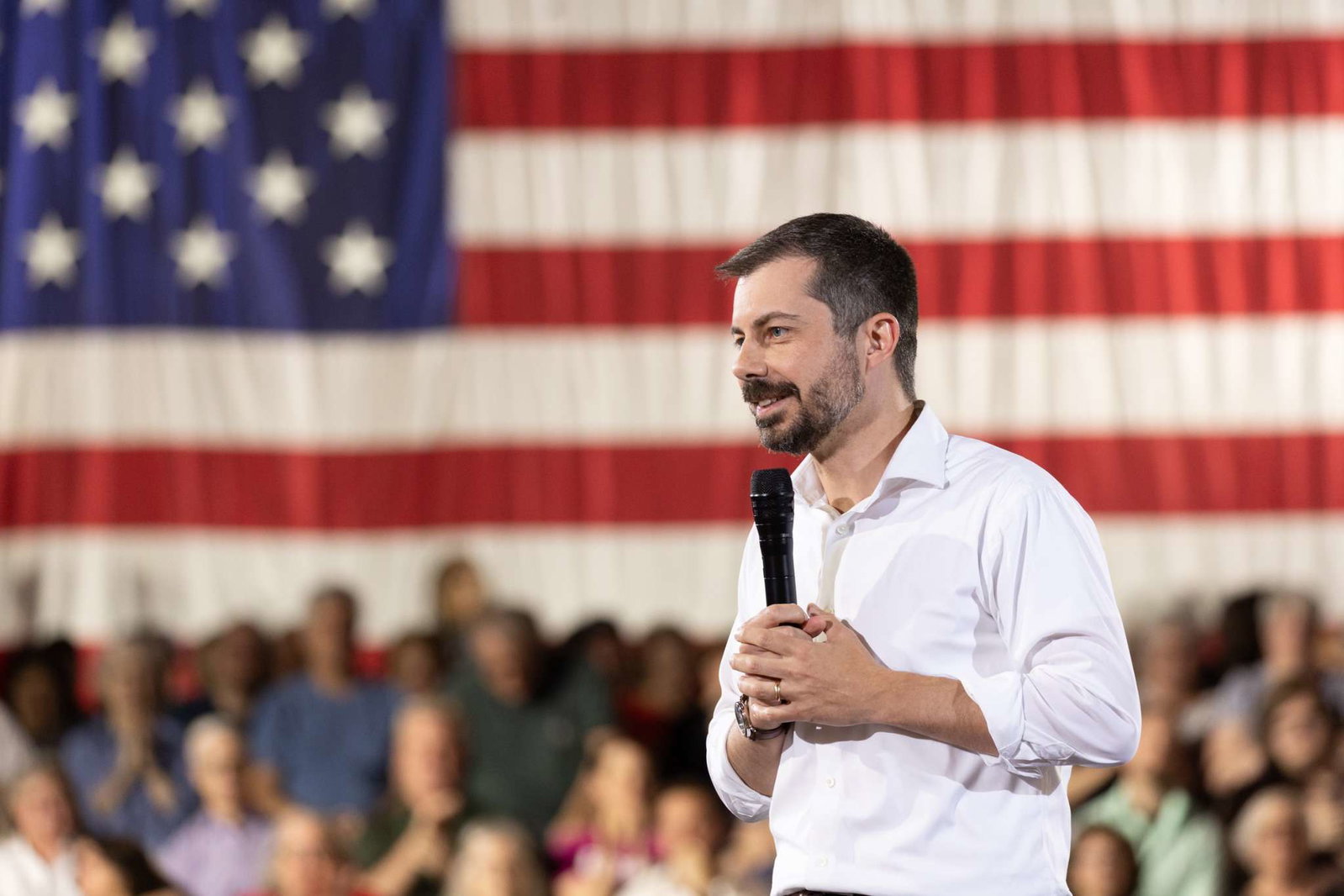
At the National Action Network's annual convention in New York, I joined Reverend Al Sharpton and several other leaders for a conversation about where we go from here to make America a more fair, just, and equitable nation. This was my fourth time joining for what I believe is a vitally important national convening of grassroots leaders from around the country. It’s always been both a joyful gathering and one that does not shy away from addressing the seriousness of the problems facing America. As always, I appreciated the thoughtfulness and directness from Rev. Sharpton as we discussed topics from transportation funding to voting rights.
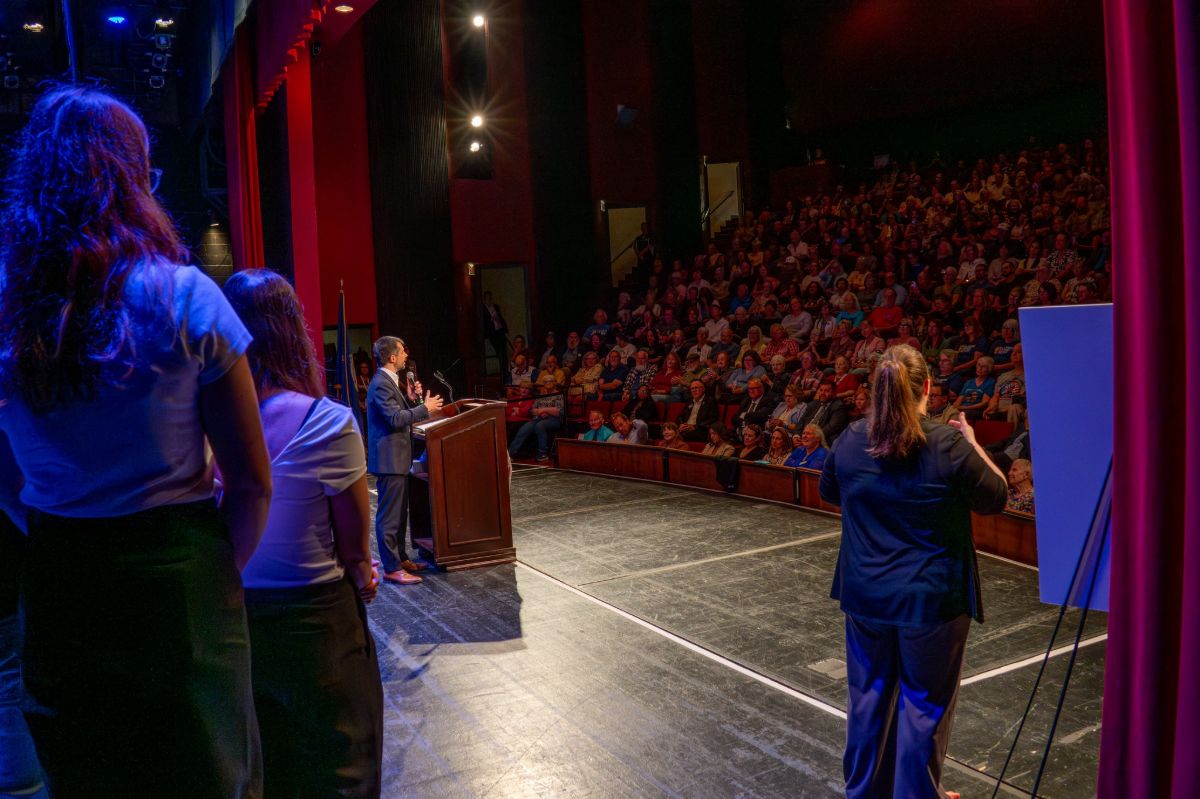
In April, I traveled to a few places that most national Democrats have not been showing up in for years. First was Wichita, where I visited an impressive community nonprofit, then gathered with supporters for a grassroots fundraiser for the Kansas Democratic Party to talk about what's at stake in November's midterms. Kansas is a state that keeps surprising the political commentators in Washington, and for good reason. It's full of people who think for themselves – who aren't going to just pull the lever for one party or the other just because, but instead make up their minds based on what makes sense to them. That's exactly the kind of voter Democrats need to be talking to, and exactly the kind of state we can't afford to write off.
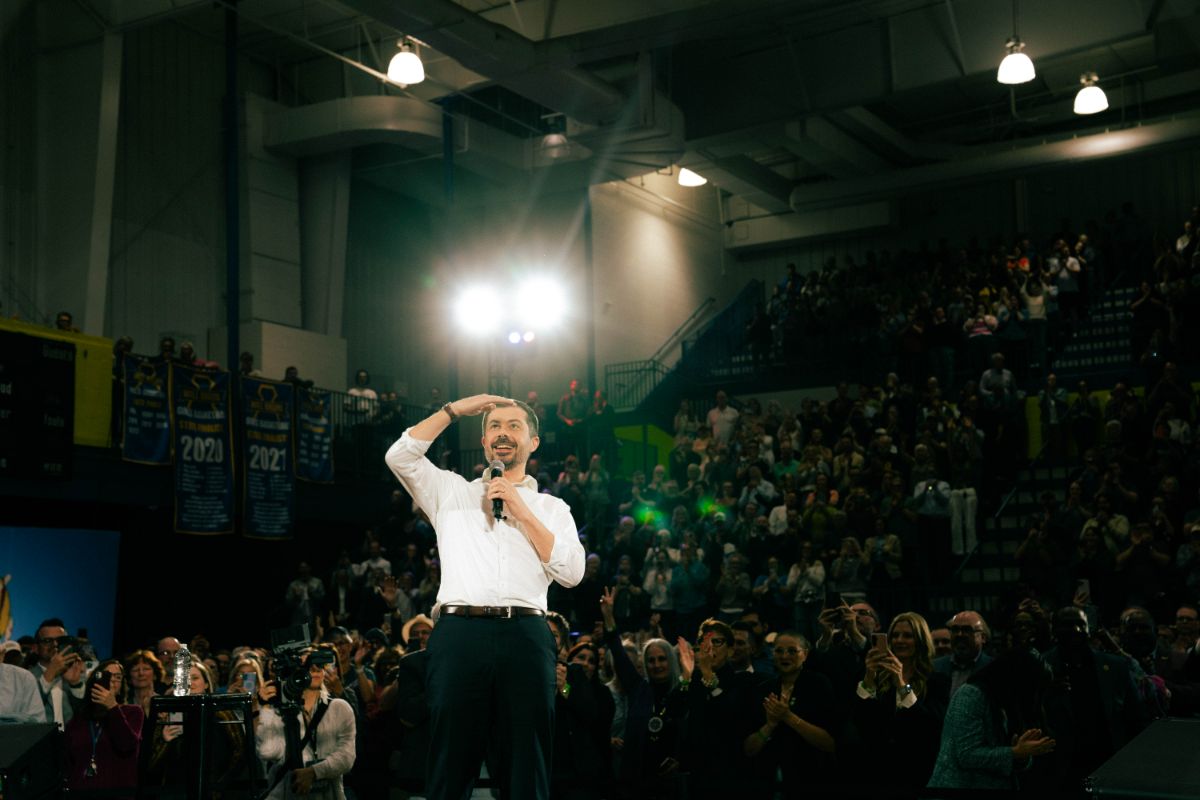
From Wichita I went to Tulsa, where nearly 2,000 people joined me for a town hall. Oklahoma is another place not used to seeing national Democrats come through, and a crowd like that wouldn't have been possible if you believed the conventional wisdom about where Democratic energy lives.That shows us something – not just about Oklahoma, but about this moment. People are ready. They're engaged. They're participating in places that the political map has long since written off. And when you show up, people respond.
In May, I joined more than 1,000 people in Butte, Montana, to help with an effort to get corporate money out of elections. Across the state, people are organizing around a simple idea: that our democracy should belong to citizens, not the corporations who can afford to spend the most money influencing it. After years of unlimited corporate money flooding our system following the Citizens United decision, a lot of Americans have understandably started to feel like their voice matters less than a corporation's checkbook. The organizers and volunteers I met in Butte haven't accepted that. They're building something grassroots, community-driven, and rooted in the belief that democracy still belongs to the public.
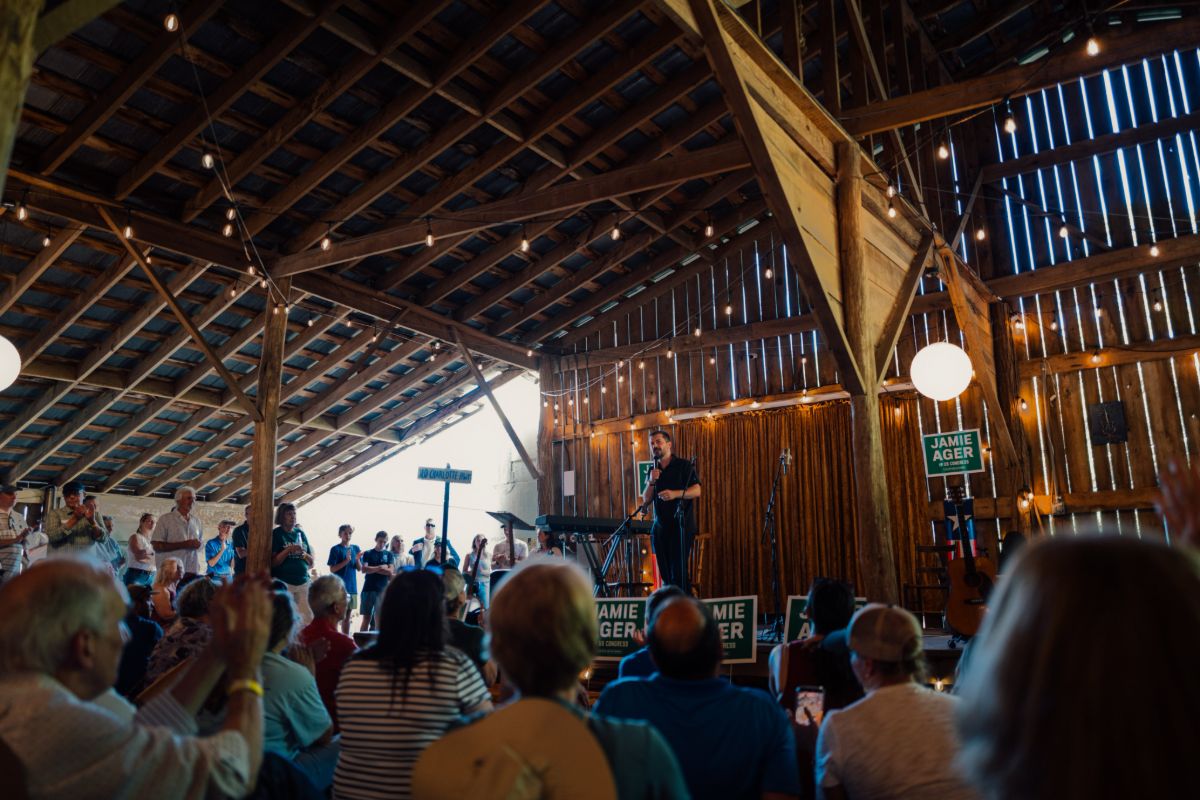
I also had the opportunity to campaign in rural western North Carolina with Jamie Ager, a farmer with a real shot at flipping a House seat in a district Trump carried by double digits in 2024. Standing in a crowded barn on Jamie and Amy’s farm with more than 400 people and feeling the warmth of the community there, it struck me that politics doesn’t have to feel like a punch in the face, it can be about community and belonging. You can watch the recap of my trip with Jamie by clicking here.
Beyond the events, these two months have also been a time for uplifting leaders who need our support between now and November. Over the last couple months, I’ve been proud to endorse Cyndi Munson in Oklahoma, Amy Acton in Ohio, Johnny Garcia and Jordan Villarreal in Texas, JoAnna Mendoza and Jonathan Nez in Arizona, Luke Bronin in Connecticut, Josh Turek in Iowa, Dr. Jasmine Clark in Georgia, Adam Peters in Iowa, and Brett Smiley and Sabina Matos in Rhode Island. Each of these candidates has impressed me and has demonstrated the sort of leadership that I believe makes a real difference – in their communities and beyond, in the broader struggle to change the direction of this country.
What I keep coming back to, after all of it, is something simple: the work is being done by people who understand that it’s hard, but are putting their down and doing it anyway. Not because it was easy or certain, but because they decided it was worth doing. The future of our politics is built by people organizing to fix broken systems, and by candidates who represent something better. Whenever I see these efforts, I want to help – and I'm grateful that you're part of it too.
Thank you for being along for this.
Pete