Have you ever found yourself thinking...
"I've changed nothing... so why is my skin suddenly reacting?"
It's something we hear surprisingly often in treatment rooms.
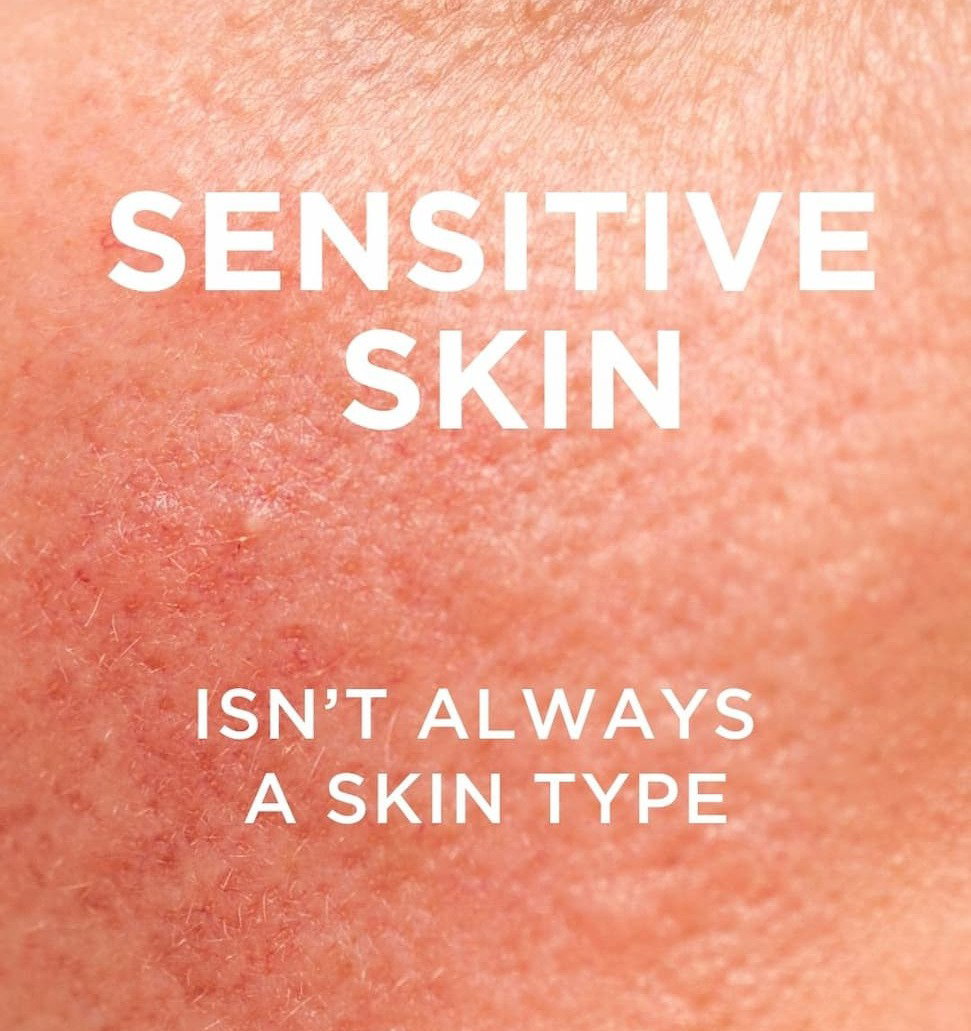
Skin that once felt calm and balanced can suddenly become tight, red, reactive, easily irritated
And the cause isn't always obvious 🧐
What can trigger sensitivity?
Sometimes it's a new product.
But often it's a build-up of small things over time.
We commonly see sensitivity linked to:
Over-exfoliation, multiple acids being used, too many rough face cloths or repeated cotton wool scratching!
Using too many active ingredients or too much fragrance
Repeated overexposure to ingredients
Seasonal changes
Stress and lack of sleep. Cortisol has a huge impact on skin
Hormonal fluctuations
Environmental factors such as sun, wind and pollution
Reacting to hair products or heavily fragranced household products
-
Eating an inflammatory diet - lots of gluten, alcohol, sugar, dairy, red meat, not enough greens 🍀
The first thing we recommend
When skin becomes reactive, most people do the wrong thing.
They add more products, more 'solutions'
In reality, skin often needs the opposite. Less stimulation. More support.
Go back to basics
If your skin feels sensitive or out of balance, try simplifying your routine for a couple of weeks.
Think of it as giving your skin a chance to catch its breath.
What we see in treatment rooms
One of the biggest myths in skincare is that sensitive skin is a skin type and once you are in it you stay there forever.
That is possible but .....often, it's a skin condition.
And that means it can be improved or solved by identifying what's causing the irritation and giving the skin the support it needs to recover.
What to review this week
Ask yourself:
Have I introduced anything new recently?
Am I exfoliating too often?
Is my skin feeling tight after cleansing? Do I need to swap to a balm or oil cleanser?
Am I using more products than I really need?
Am I more stressed? Am I sleeping well enough?
Is my diet inflammatory?
Sometimes the answer isn't finding the next miracle product.
It's removing or improving the thing that's quietly causing the problem.