

gm legends, happy Friday.
Today: a deepfake detector that works during the call and not after it, a Mac monitor built by someone who clearly hates 3am notifications, and AI music you can finally pull apart.

Is this your brand on Milled? Claim it.

|
|
||
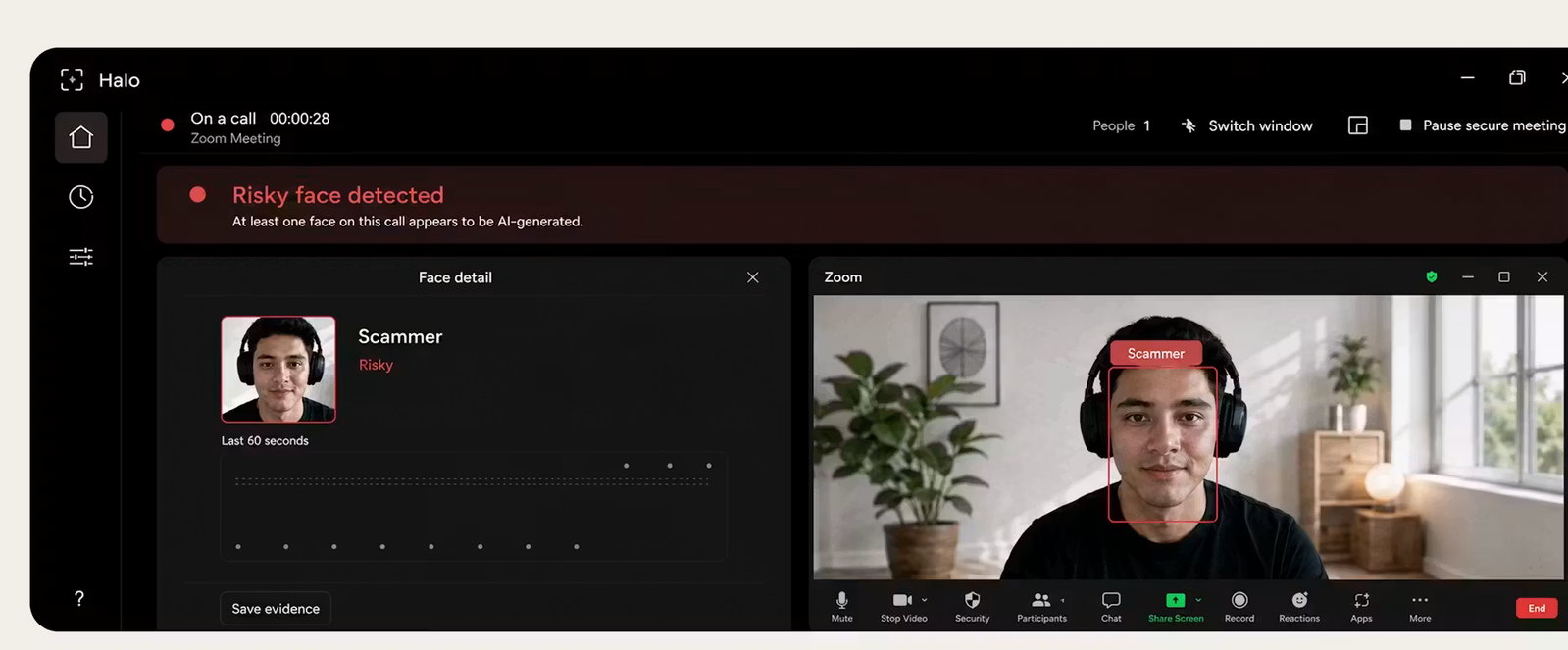
Halo by Scam AI sits on top of your Zoom, Teams or Meet window and tells you when a face on the call isn't a real one, while the call is still going. It runs on your own machine, so no recording of your meeting goes anywhere. Neo Tiangratanakul's team built it after the Arup case, where a finance worker wired $25 million because the colleagues he was talking to were deepfakes.
🔥 Our Take: You know how the advice was always to hop on a video call if an email felt off? That's gone now, and Arup is the receipt, $25 million wired because the whole call was fake. Halo checking faces live on your own machine is about the only sane answer to that, and it's Windows only so far, which is a real shame.
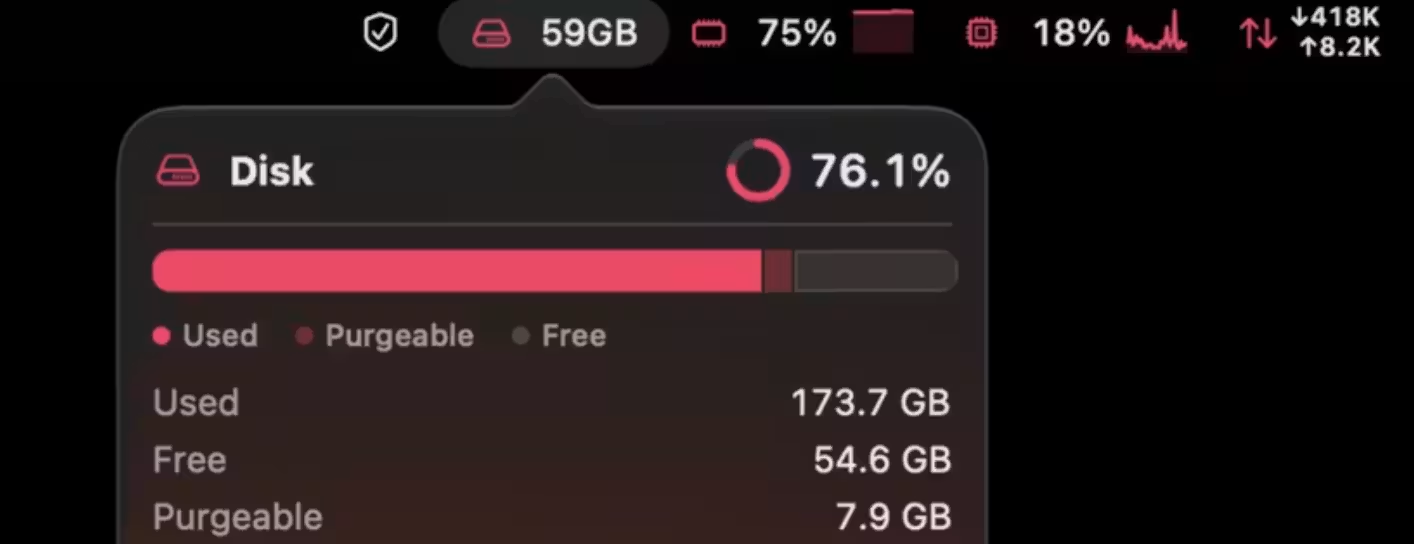
mectrics watches your Mac's CPU, memory and disk and squashes the whole lot into one tiny menu bar item that keeps its mouth shut until something's wrong. Faruk KAMÇICI wanted the middle ground between Stats and iStat Menus, free and open like the first one, with alerts he'd actually trust. Swift, MIT licensed, and the only thing it ever phones home for is an update check you asked for.
🔥 Our Take: Nobody actually looks at their menu bar, which is the awkward thing about monitoring apps. Stats gave the numbers away for nothing years ago, so mectrics went at the other half of it, only pinging you on sustained thresholds and letting you fire a test alert to hear what 3am is going to sound like. Somebody here has been woken up by a bad one, clearly, and I like them more for it.

ElevenLabs has been the go-to for voice for a while. Now they've turned that expertise into agents that actually get things done. You set one up, it talks like a real person, listens, responds, and helps handle the task — support calls, bookings, whatever the job is. Not a demo, not a "press 1 for sales" situation. It's ready to deploy. Feels like one of those shifts where the interface quietly changes. Less typing, less clicking, more just saying what needs to happen and letting it play out.
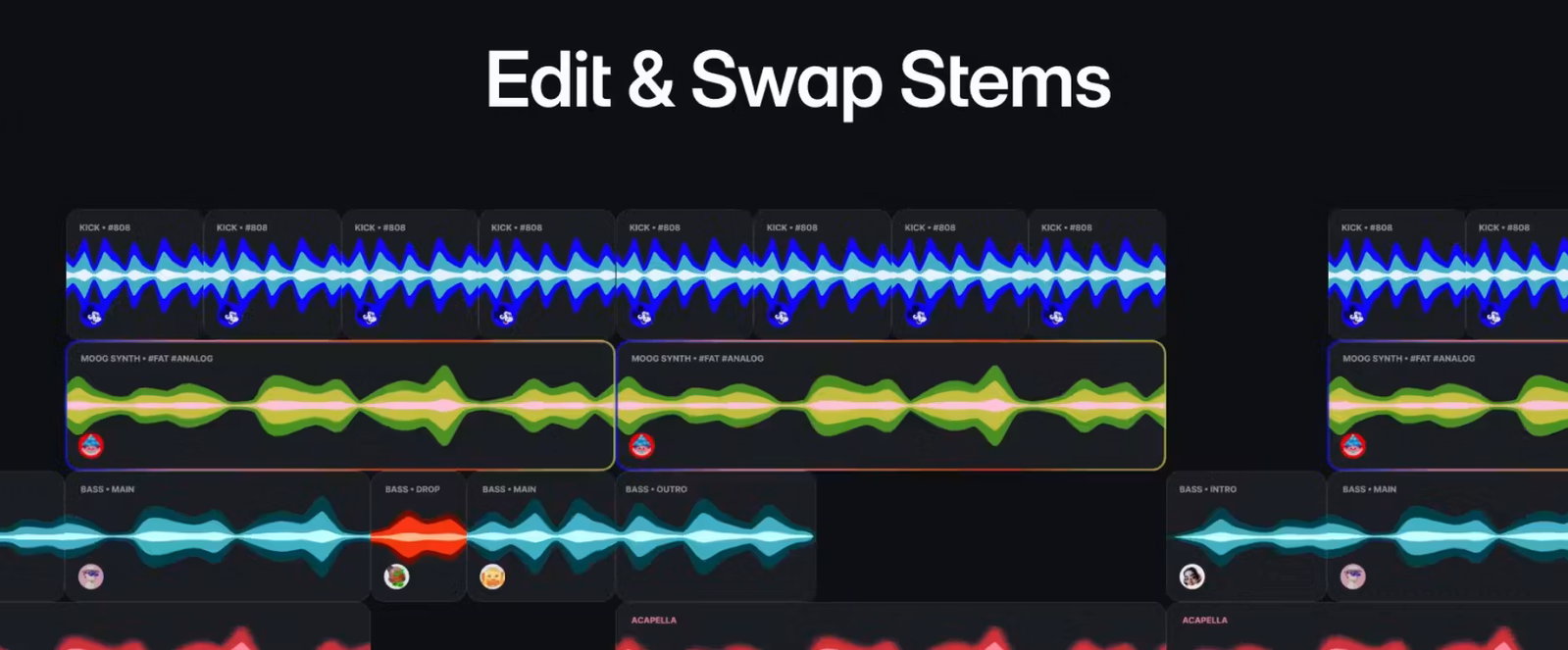
Mubert API lets you take a generated track to bits now, swap out the drums or the bass or the vocals, and re-render only that layer while the rest stays exactly as it was. There's a Claude and Codex skill too, so you can point an agent at it and have the API wired in without reading a single doc.
🔥 Our Take: Ask an editor why they don't use AI music and you get the same answer, the client says drop the drums and you reroll and a completely different song comes back. So everyone spent years making them sound nicer when the actual problem was you couldn't change one. Stems sort that, and if the tracks stay put between sessions it's the bit that gets this into work people pay for.
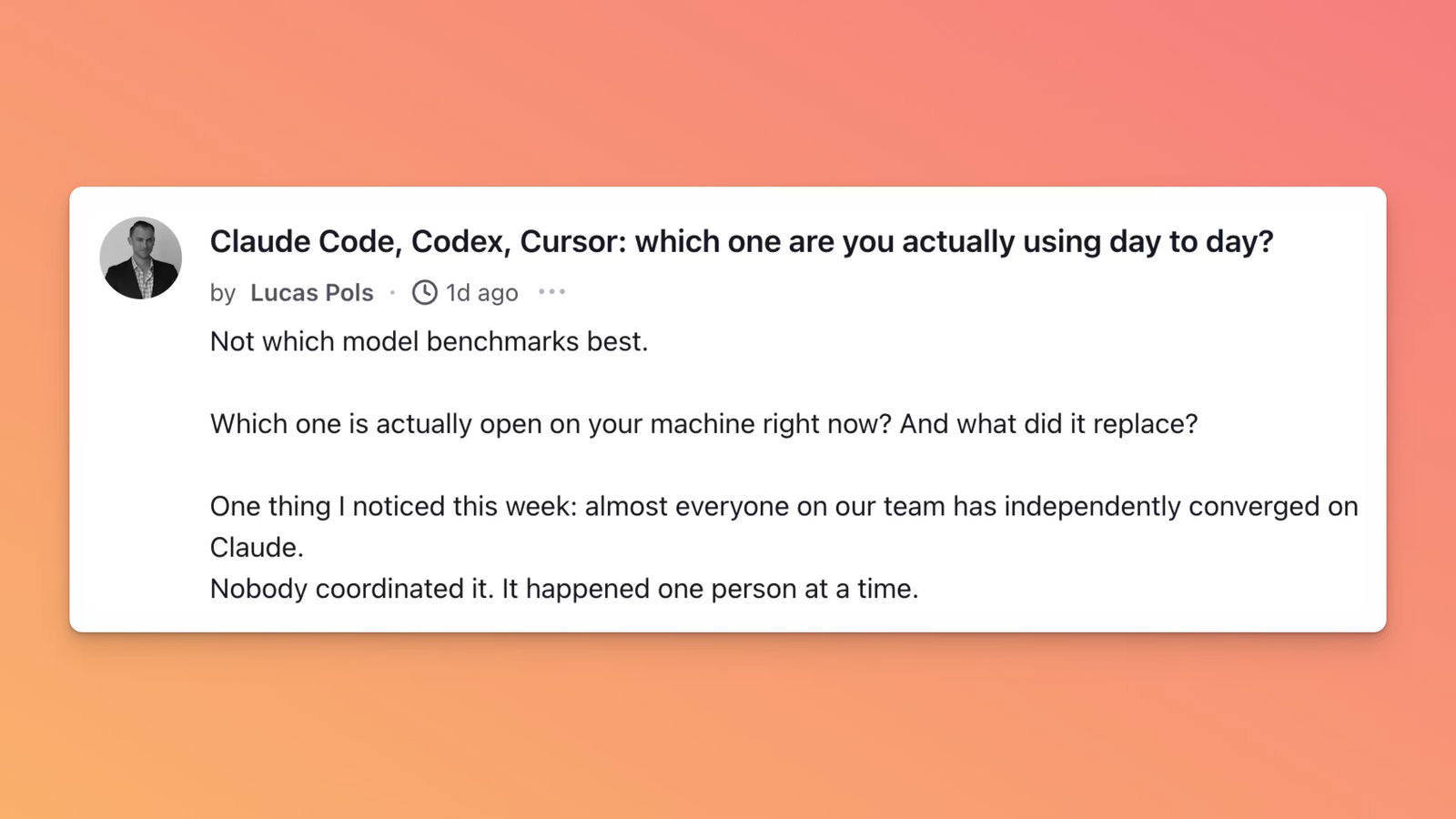
Lucas Pols (@lucasjpols) asked which coding agent people are really using day to day. It's Claude Code, near enough unanimously.
The good bit is where everyone stops trusting it. Sabber Ahamed (@sabber_ahamed) skims his diffs now but reads anything near money or auth twice. Stephanie Tang (@stephanie_t0317) still wants the architecture calls to be hers. Chris M. Nzouat (@nzouat) has three of them open and gives Codex whatever has to run while he isn't watching.
Sabber's line stuck with me. Getting used to trusting it that much took him longer than switching tools did.
Good thread if you've quietly stopped reading half your diffs and haven't decided how you feel about that.


 311 •
311 •
 Productivity


