

gm legends, happy Wednesday.
Today: AI finally learns to use a red pen, your agents get an office of their own, and a phone video replaces the motion capture suit. Plus, last call for Vercel Day: it's tomorrow.

Is this your brand on Milled? Claim it.

|
|
||
|

Vercel Day is back tomorrow, Thursday, July 16. Schedule your launch and tag it "Vercel Day" to land on the dedicated leaderboard. The tag is all it takes.
The top launches walk away with $12k in Vercel credits, and last month's edition pulled in 750+ launches, so you'll be shipping in good company.
And if you're starting from zero with one day on the clock, Vercel's AI primitives (the AI SDK, AI Gateway, Sandbox) are built for exactly this kind of deadline.
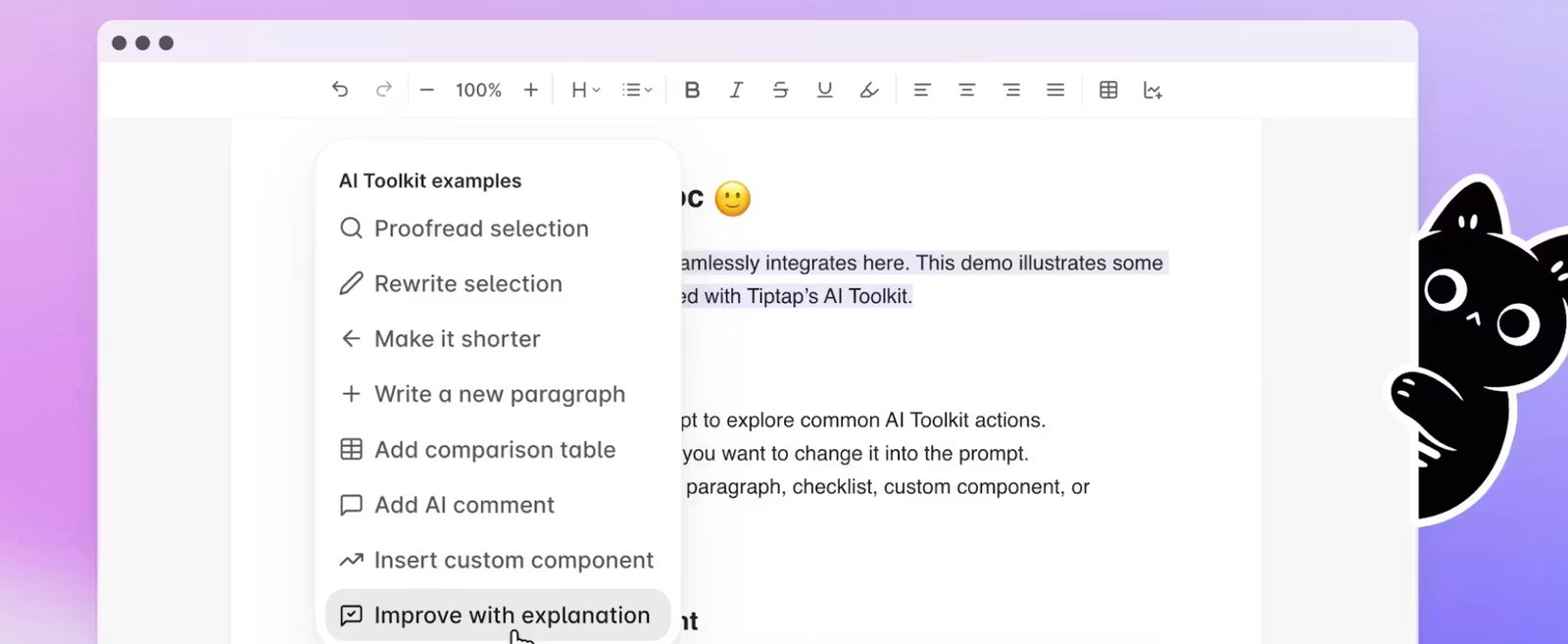
The Berlin team behind the open source editor already inside LinkedIn, GitLab, and Substack shipped Tiptap AI Toolkit: a layer that lets AI agents edit rich documents as tracked changes you accept or reject, streaming in live, even after you close the tab. Bring your own models and agent loop, it handles the document side.
🔥 Our Take: Here's the tell: Tiptap built exactly this in 2023, right after OpenAI shipped the Assistants API, and shelved it. Their own words, the agent "did things to the document, not with you." The version that finally works is basically AI on a leash of tracked changes, every edit arrives as a suggestion you accept or reject, routed through the same collab engine as your teammates' cursors, so it can't trample a table while someone's typing in it. Notion and Google Docs have had this for a while, but only inside Notion and Google Docs. Everyone building anything else got a chat sidebar and a paste button. And rich text is a genuine swamp, tables, live cursors, three people in one paragraph, which is why nobody sane builds this layer themselves. Tiptap's been in that swamp for a decade. Let them.
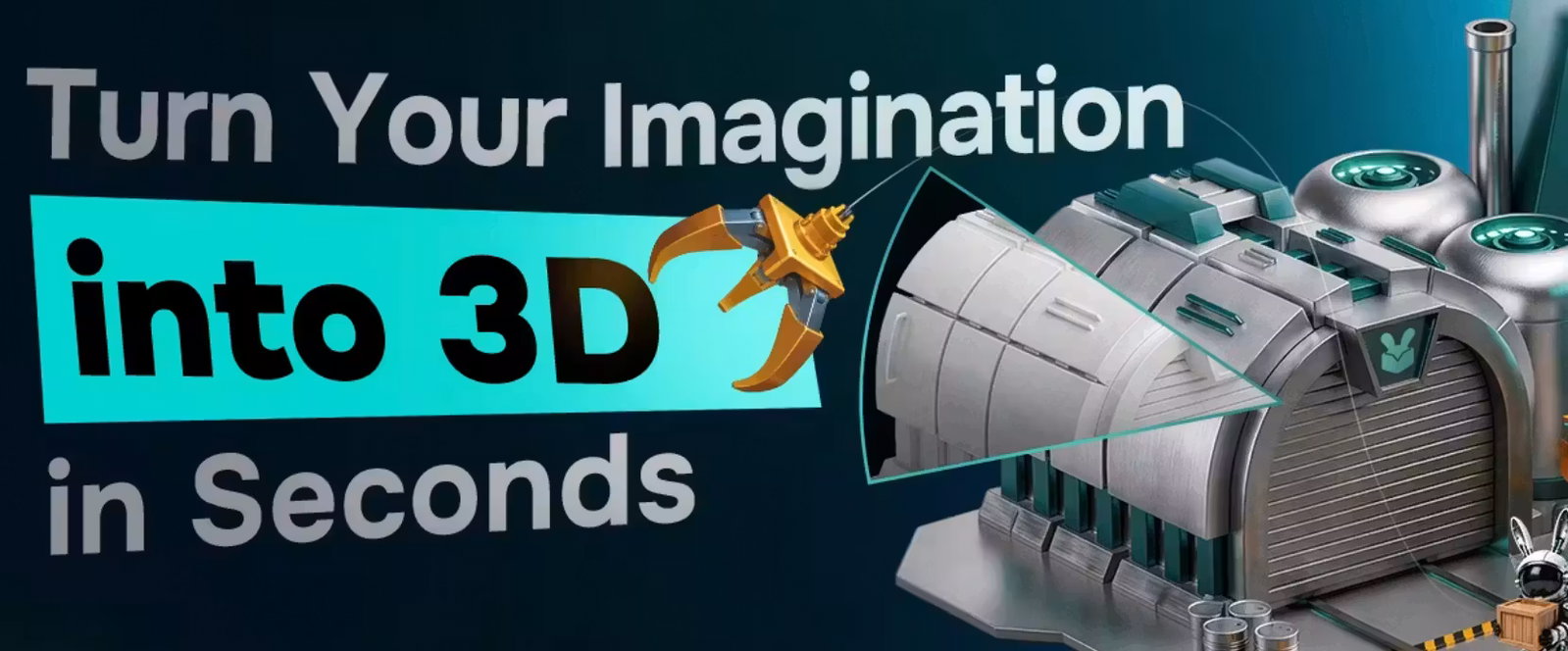
V2Fun turns a prompt or a single image into a rigged 3D character with 8K textures, then animates it with motion capture pulled from a regular phone video. The whole pipeline runs in the browser: model, texture, place a few markers for the auto-rig, film yourself, done.
🔥 Our Take: Motion capture used to mean a warehouse and a suit covered in ping-pong balls. V2Fun's pitch is: film it on your phone. The makers claim it tracks breakdancing from plain footage without glitching, which is exactly the kind of claim you should go try to break. And they're honest about the real problem in AI 3D, which has always been that every tool demos a gorgeous preview and hands you spaghetti geometry, so you fix the mesh in one app, texture in a second, rig in a third, and the quality dies in the handoffs. Owning the whole pipeline is the actual product here, and shipping a built-in retopology tool is them admitting the mesh comes out messy, which I respect more than pretending it doesn't.
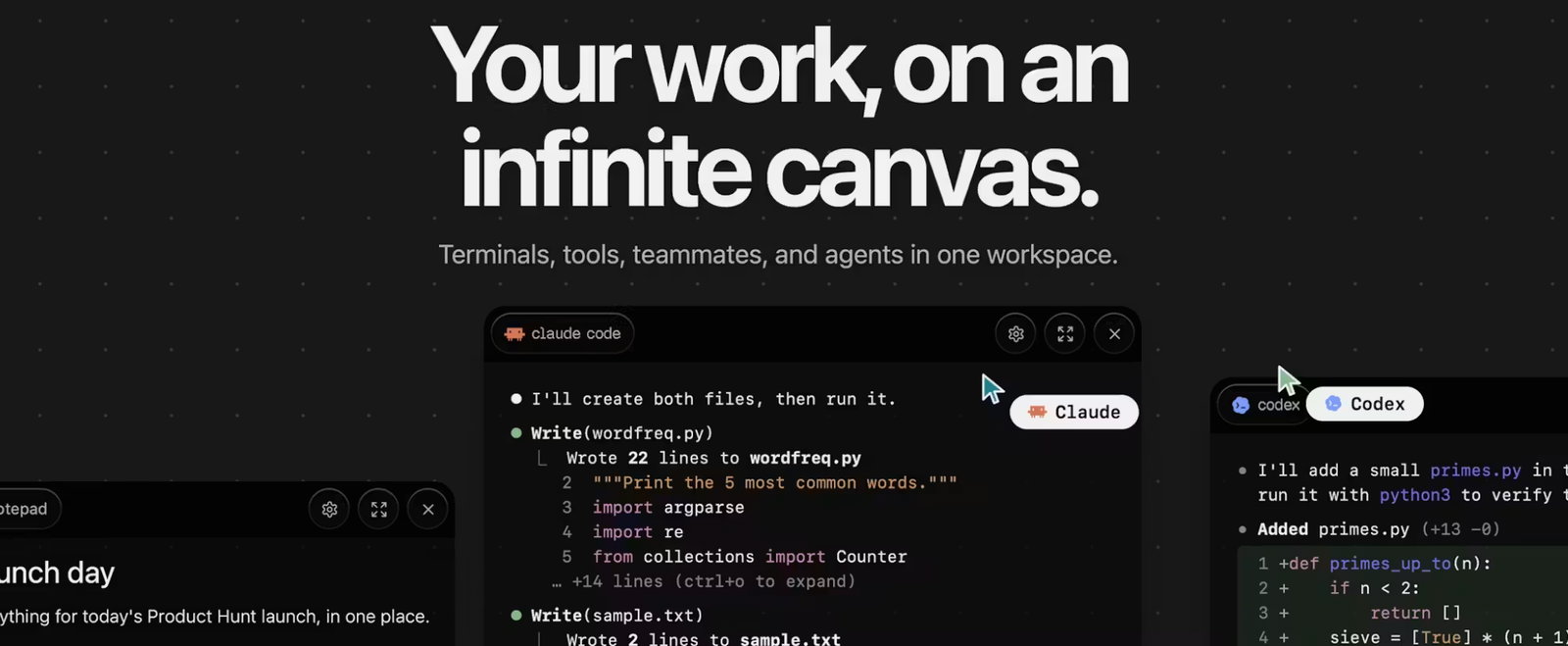
Alex Greaves was running 20+ terminal tabs, Claude in one, Codex in another, worktrees and docs scattered across windows. So his team at FlutterFlow built Campus: a spatial, multiplayer workspace where you and your AI agents share rooms on an infinite canvas. It started as an afternoon prototype ("what if we put terminals in an actual virtual space") and the team never stopped using it.
🔥 Our Take: Twenty terminal tabs is a real number, and if you've run agents in parallel you've lived some version of it. The Gather comparison is sitting right there, little rooms, an office you wander, except Gather needed remote humans and the humans got called back to real offices. Agents didn't. Once you're babysitting five of them, the work honestly is closer to walking a floor than writing code, and a map you pan across beats remembering which tab is doing what. The caveats: this is FlutterFlow's side quest, not their company, and everyone from the agent-orchestration startups to Anthropic itself is circling this exact surface. But the team built it as an afternoon prototype and couldn't stop using it, which is how Slack started too.


 83 •
83 •
 Productivity


