

gm legends, happy Friday.
Today: OpenAI ships a whole solar system, a four-person team builds the Lovable that Chrome deserved, and your phone camera calls out your half squats. Plus: Vercel Day returns next Thursday.

Is this your brand on Milled? Claim it.

|
|
||
|
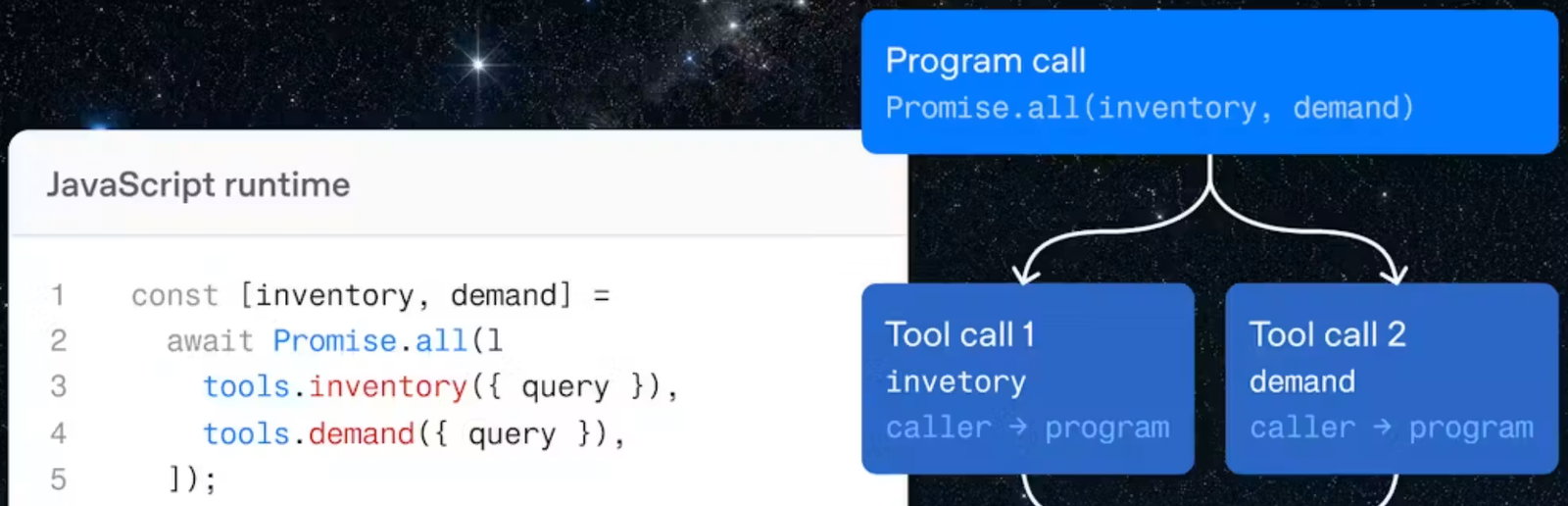
GPT-5.6 is OpenAI's new model family, three tiers named Sol, Terra, and Luna, with the flagship topping the agentic coding benchmarks while using noticeably fewer tokens to get there. Sol costs exactly what GPT-5.5 did, Terra runs about twice as cheap, and Luna is the fast one for high-volume work.
🔥 Our Take: The version number undersells it. Sol lands at exactly GPT-5.5's price while beating it on the agent benchmarks, 91.9% on Terminal-Bench in Ultra mode, so the price of top-shelf intelligence just quietly dropped again. Sam Altman called it two months ago, "we still get looksmaxxed on frontend a little but we IQmog hard now," and the numbers back him up. If you run agents all day, the tier system is the actual product here: you stop picking a model and start picking a budget, and Terra at half the price is where most workloads will quietly end up. P.S. Check out the launch for an easter egg: an OpenAI x Product Hunt collab is coming soon 👀
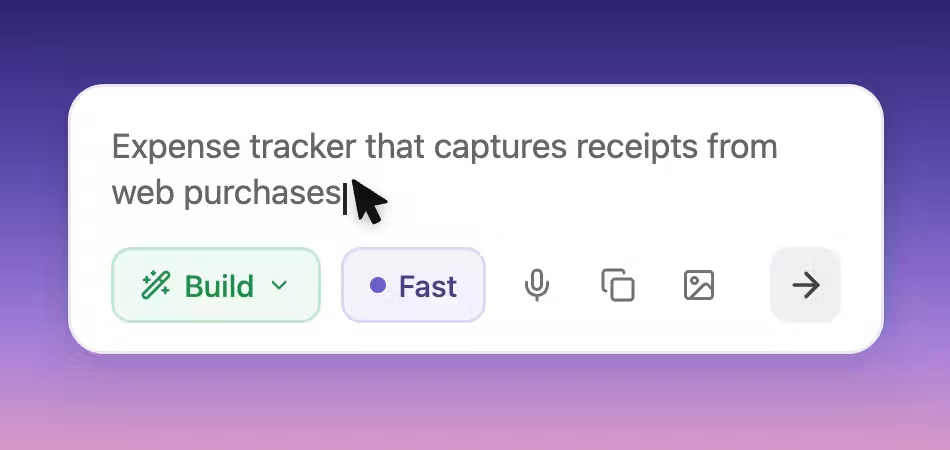
PlugThis is Lovable for Chrome extensions: describe what you want, and it generates the manifest, popup, scripts, and permissions, checks that the build compiles, and fixes it if it doesn't. Udaya Prakash (@nefer_ai) and his four-person Bangalore team built web apps with Lovable and Bolt just fine, then watched every one of their Chrome extension attempts fall apart.
🔥 Our Take: Chrome extensions are the most personal software there is, tiny fixes for your exact workflow, and almost nobody builds them because the packaging is miserable: manifest files, permission scopes, background scripts, none of it anything to do with your idea. PlugThis eats all of that, you describe the extension and refine it by chatting. Udaya says his favorite build so far is someone's "digital wellness BFF" that nags them to drink water every 20 minutes, which is exactly the kind of thing you'd never open a code editor for but would absolutely prompt into existence. Lovable gives you a website you have to remember to visit; an extension is already there when the problem happens.
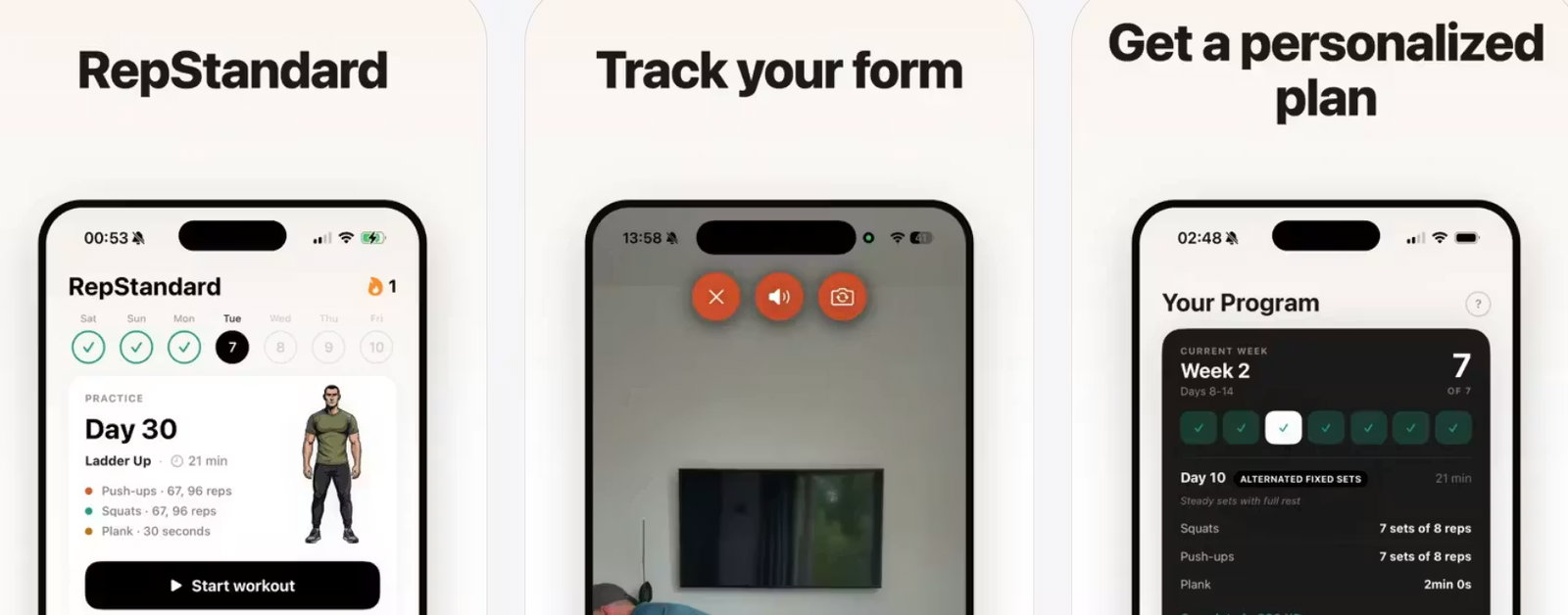
RepStandard turns your phone camera into a rep counter: prop it up, do your squats, push-ups, sit-ups, or plank, and a pose-tracking model counts them in real time, all on-device so nothing leaves your phone. Edvinas (@edvinasapp) has been building iOS fitness apps for years and jumped when pose tracking got good enough to run locally.
🔥 Our Take: This one's just fun. Everybody lies about the last two reps, not on purpose, you lose count somewhere around eight and round up in your favor, and a camera doesn't do that. A watch guesses at reps from wrist movement and gets confused by anything that isn't a bicep curl; a camera watching your whole body knows a half squat when it sees one. It's gamified, needs no wearable, and runs entirely on the phone, which for a camera pointed at you mid-workout is the only acceptable answer. The friction is real, you're propping your phone at the right angle before every set. But an honest rep count from hardware you already own is a good trade.


 78 •
78 •
 API
API


