
Today: an AI agent gets its own debit card, a guard dog moves in with your database, and your trackpad learns to breathe. Plus $10k in OpenAI credits for whatever you build next.

US
·
producthunt.com
😸 OpenAI wants your launches
n agent with its own debit card, a guard dog for your database, and $10k in OpenAI credits on the table.
This email was sent

Is this your brand on Milled? Claim it.

|
|
||
|
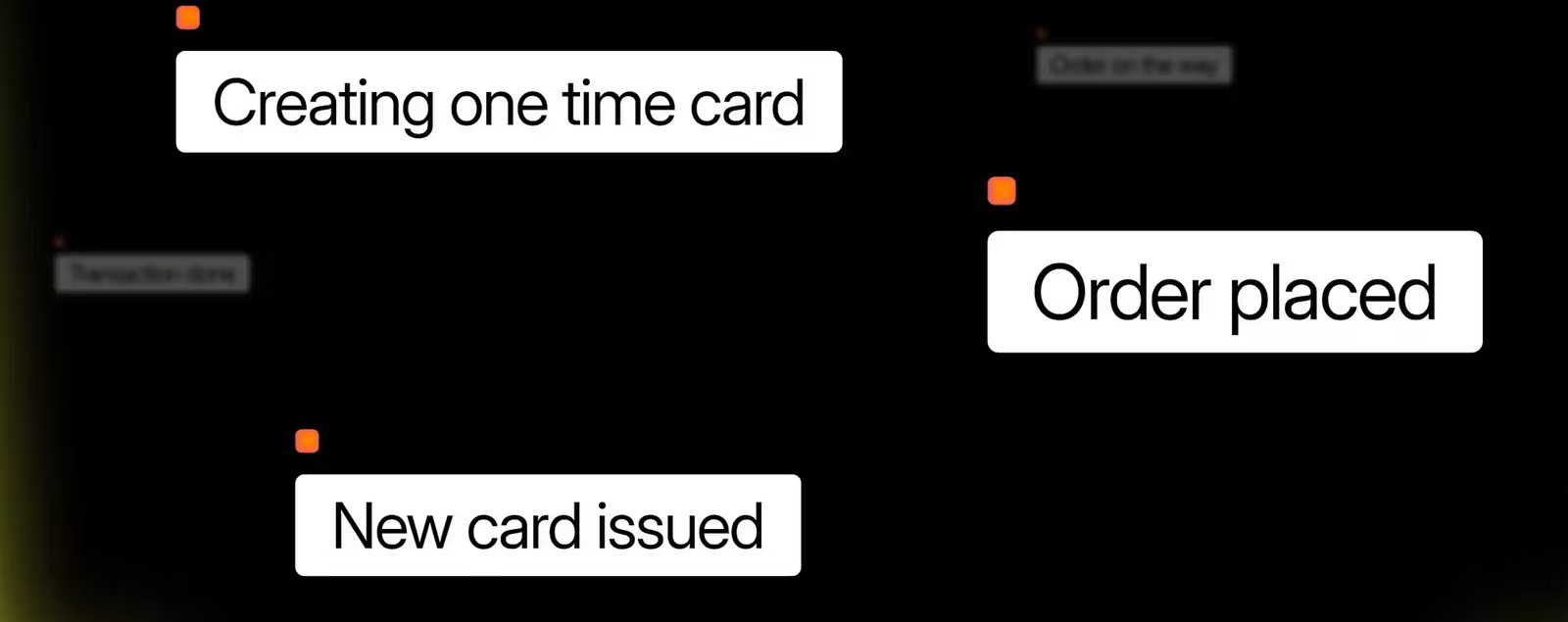
Agentcard gives your AI agent its own debit card: fund a wallet, set a budget, and it issues single-use cards that close themselves the moment a charge clears. Karen Serfaty (@keyserfaty) was running Atlas when Remote acquired it, then turned down a job at Stripe to build this instead.
🔥 Our Take: Visa and Mastercard are both teaching agents to spend, top down, with specs and pilot programs. Agentcard shipped the bottom-up version: a card scoped to one purchase, dead the second it clears, so your agent can only ever spend exactly what you approved. Nobody is worried their agent can't check out. Everyone is worried about what else it might check out. One commenter watched their assistant buy a domain end to end and called it "kind of wild." The wild part wears off. The leash is what you're paying for.
Sponsor
Framer 3.0 ships AI Agents that live inside your canvas and can actually design. Not suggest. Design.
Drop a brief and watch them build out full pages, create components, write code, connect your CMS, and handle SEO. All without leaving the canvas. They plug straight into Claude Code and Cursor. Yes, inside your actual component system, without breaking it. The Figma file you were about to hand off to engineering? Keep it.
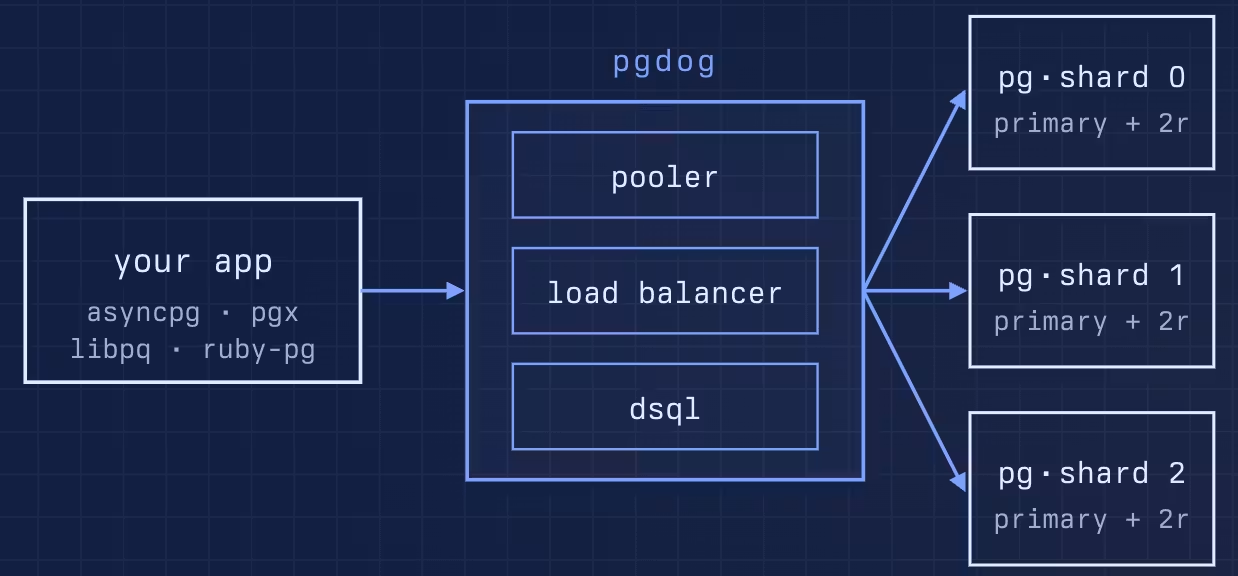
Lev Kokotov (@lev_pgdog) ran storage infrastructure at Instacart while pandemic grocery orders 5x'd in three months, then wrote PgCat, the connection pooler that became a fixture of the Postgres world. PgDog (YC X25) is the sequel: an open source proxy that shards, pools, and load balances Postgres without you touching your app.
🔥 Our Take: MySQL got Vitess when YouTube needed it, and a whole company, PlanetScale, got built on top. Postgres never got its version: Citus came closest and got folded into Microsoft Azure. So teams either pay for a proprietary cloud or hand-roll sharding in the app, which every senior engineer will tell you is a scar, not a solution. "Without changing your app" is the claim every sharding tool before this one has broken, and PgDog is already routing 2 million queries a second in production. Postgres finally has its Vitess. It took a decade and a dog.

Dvain (@dvain) wanted a reset ritual that didn't mean picking up his phone, so he built Breva: pick a rhythm, rest a finger on your Mac's trackpad, and follow an orb that expands and contracts while the trackpad pulses with every inhale and exhale. Local, no account, no subscription.
🔥 Our Take: Your trackpad has had a haptic engine since 2015, and in ten years its only job has been faking the feel of a click. Breva is the first app we've seen use it for something human: the Mac physically breathes under your finger. Meditation apps live on your phone, the same device serving you the stress. Putting the two-minute reset inside the machine you work on, one keystroke from whatever spiked your heart rate, is the right placement. One commenter said it feels "like the mac itself is breathing with you." That's the whole product, and it's enough.
Tuesday, 14 July 2026
Yesterday's Top Products

 122 •
122 •
 Productivity


