

gm legends, happy Friday.
The image company that just built a full-body scanner, a way to finally see what your AI agents are doing while they spend your money, and your coding sessions turning into live pages the whole team can watch.

Is this your brand on Milled? Claim it.

|
|
||
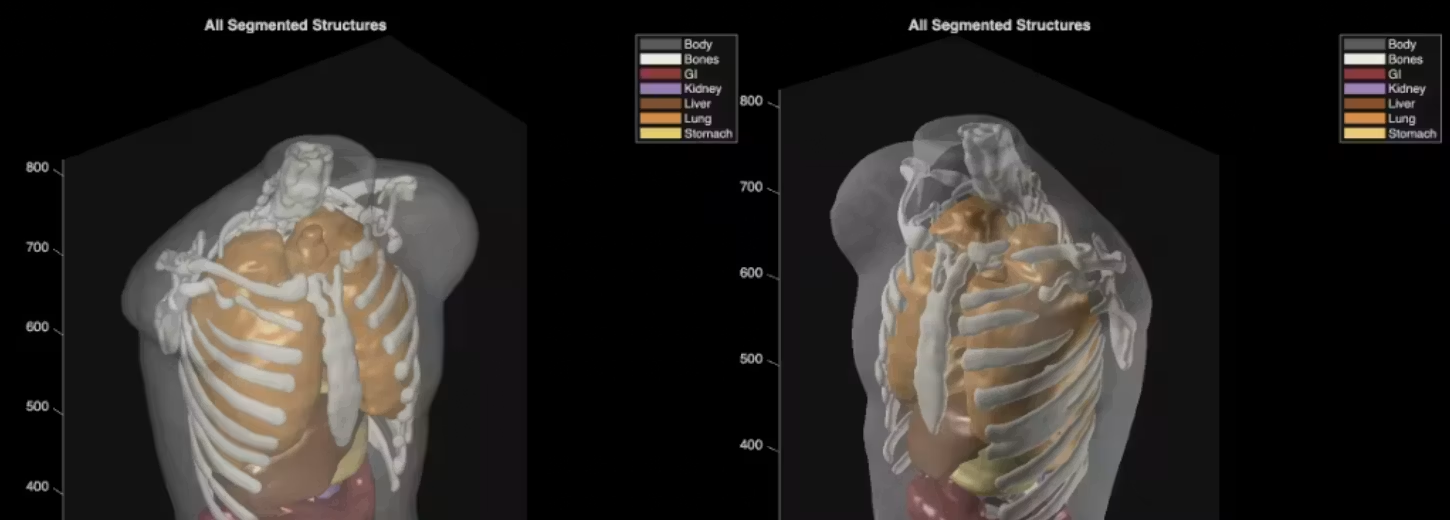
Midjourney Scanner is a full-body ultrasound scanner from the AI image company doing $200M a year making pictures. It claims to beat an MRI: 60 seconds, no radiation, no magnets, in a water tank lined with 358,000 transducers. Founder David Holz says he's been incubating it for a decade, and the first one is going in a San Francisco spa.
🔥 Our Take: On paper this sounds completely unhinged. The company that makes AI pictures of cats is now building a body scanner it says is better than an MRI, and the first one is going in a spa. And it's fair to be skeptical: no FDA approval, a spa that doesn't open until 2027. But, there is some hope: David Holz started Leap Motion before Midjourney, and that whole company was about sensing where your body is in space. A scanner is basically sensors plus AI putting the picture back together. So whether it really beats an MRI is a long way off, but if anyone is weirdly qualified to try this, it's him.
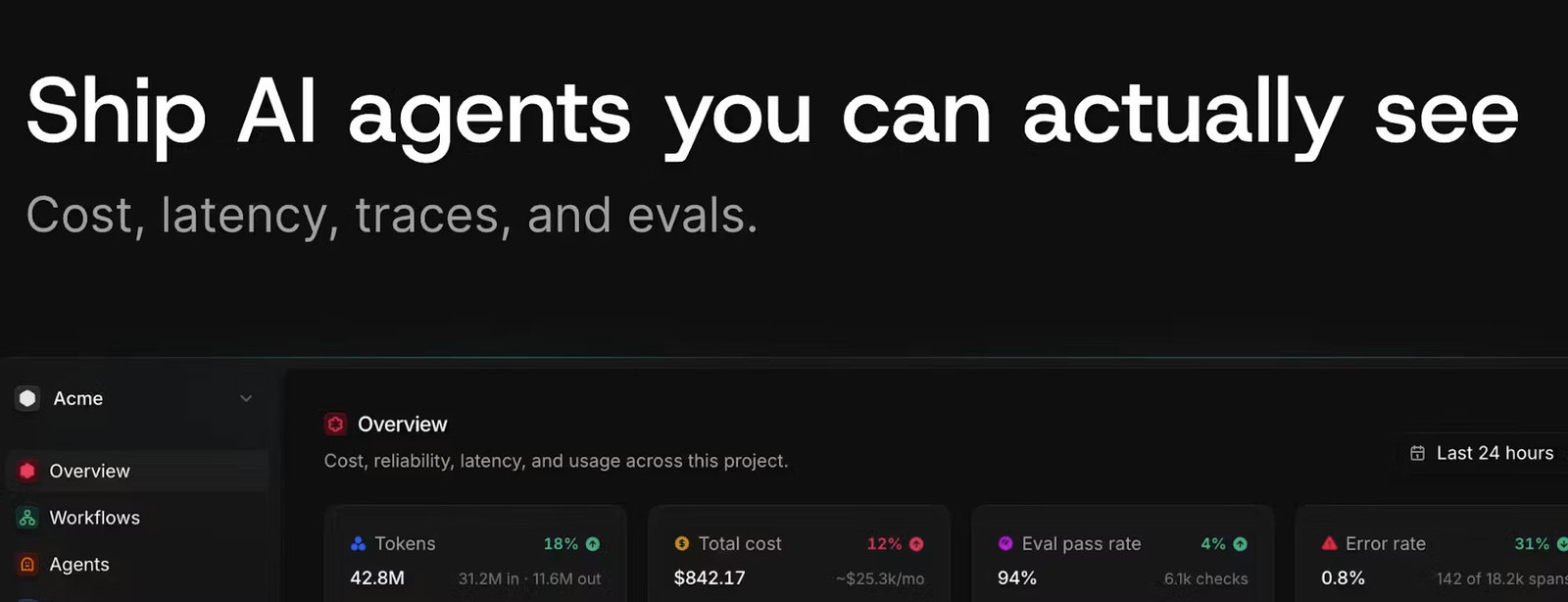
Foglamp came out of a problem Gustavo Fior kept hitting: he was shipping AI agents he couldn't see, costs creeping up with no idea which agent was to blame, one quietly looping for an hour and burning tokens. So he built open-source observability for agents on the Vercel AI SDK. Wrap your model in one line and every call reports cost, latency, tokens, full traces, and alerts.
🔥 Our Take: You know how everyone spent the last year building AI agents? The bills are starting to show up, and it turns out most people have no real idea where the money is going. An agent gets stuck in a loop overnight, burns through tokens until morning, and you you're landed with an invoice. That's literally why Gustavo built this, it happened to him. There are already tools in this space, Langfuse and Helicone, so he isn't first. But Foglamp is built for the AI SDK everyone is already using, and you can have it running in about two minutes. With this kind of thing the whole game is whether the setup is annoying enough that you give up before you see the value. This one isn't.
Full disclosure: Wispr Flow is the AI dictation tool most of us at Product Hunt (use we still have a few holdout typers, what romantics). Hold a key, talk, and clean text drops straight into whatever app you're already in — Slack, email, Notion, your IDE, wherever your cursor lives. No switching windows. No copy-paste ritual. Just say the thing – yes, you can whisper it – and even your most run-on sentences will be turned into polished writing at 4x the speed of typing.
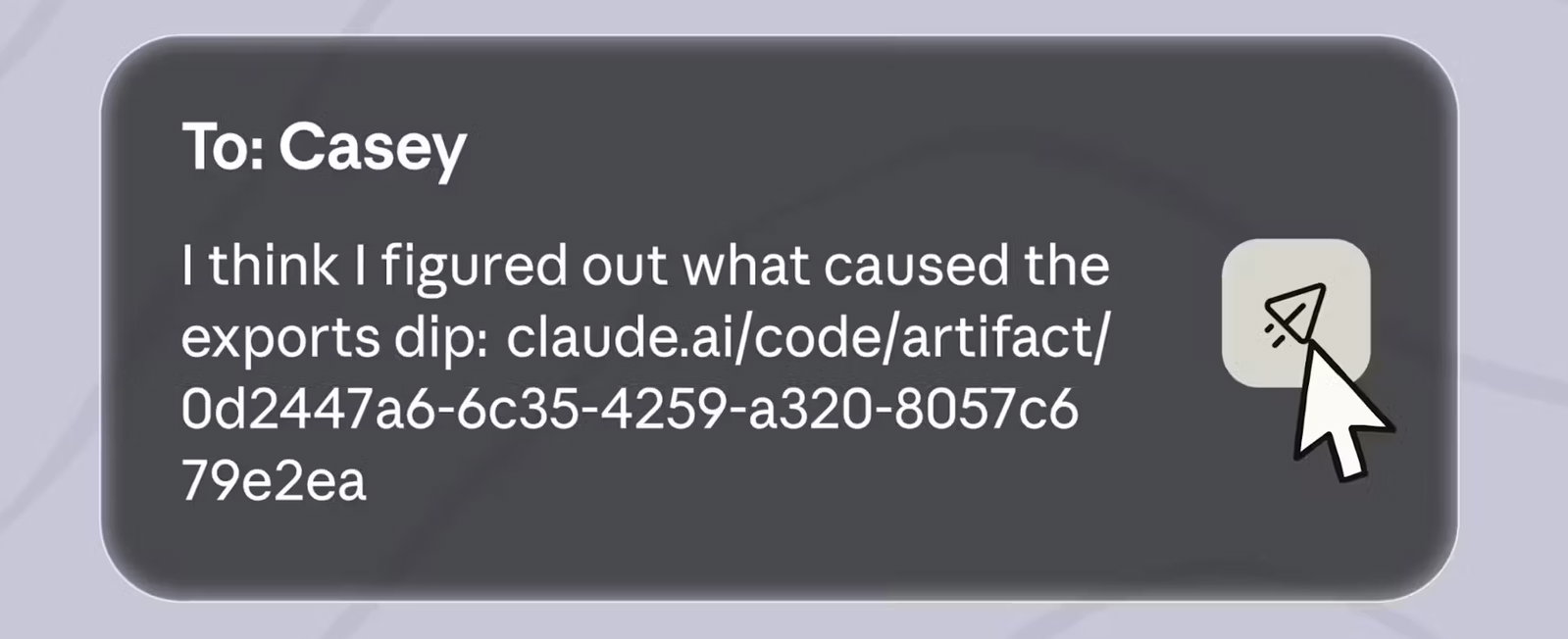
Claude Code Artifacts turns an AI coding session into a live web page your team can watch: a dashboard, a PR walkthrough, an incident timeline, built from the full context of what Claude is doing and republishing itself as the work changes. No wiring up data sources, no standing up infrastructure. It's in beta for Team and Enterprise, viewable in any browser through a private URL.
🔥 Our Take: Most of the AI coding chatter is about the code itself, but the more interesting shift here is what comes out the other end. Instead of your agent handing you a pull request and you writing a status update so everyone else knows what happened, Claude Code just spins up a live page that keeps itself current. So no more stale Slack messages. It's locked to Team and Enterprise for now, and honestly "AI makes you internal dashboards" sounds dull right up until you count how much of your week goes into telling other people what you just did.
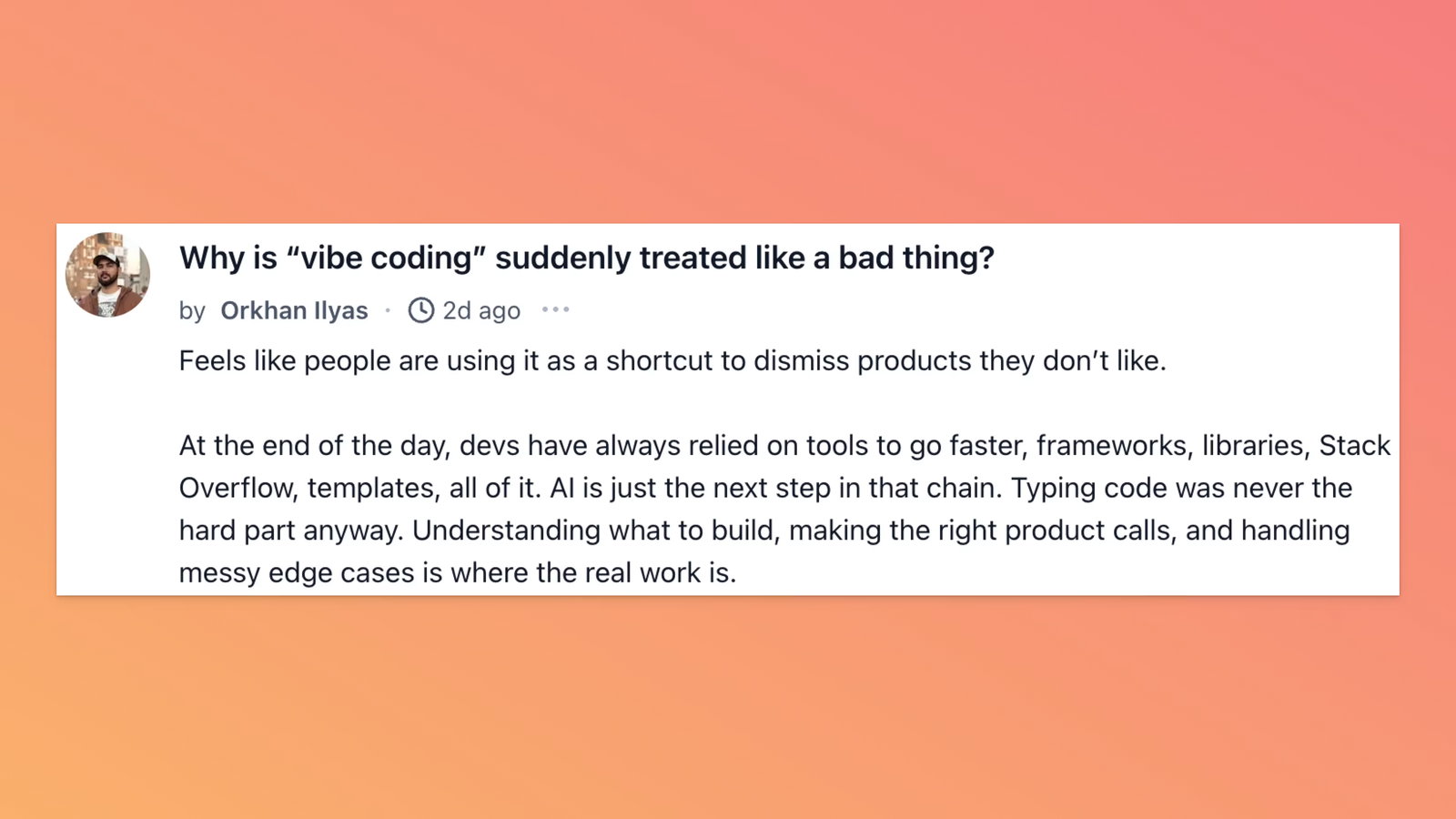
Orkhan Ilyas (@orkhan_ilyas), a product designer, asked why a phrase that just means "building fast with AI" suddenly turned into an insult.
Nobody in the thread was anti-AI. The pushback was narrower and more interesting: vibe coding is fine right up until you confuse it with engineering. Several people circled the same worry, which is what happens to junior developers. Most good engineers got good by doing the boring work first and making cheap mistakes, and if one senior plus AI can do the work of three, those entry-level reps start to vanish.
Konstantin Gerasimenko put the line everyone was dancing around: "There is a difference between 'AI helped me write code faster' and 'I don't really understand the system, but the demo works.'"


 239 •
239 •
 Email
Email


