

gm legends, happy Tuesday.
Today: the tool that lets you steal any site, a 21-year-old who collapsed his browser into his terminal, and the thing that catches your API changing before your users do.

Is this your brand on Milled? Claim it.

|
|
||

Last call for OpenAI Day. Build something with GPT-5.6, schedule your launch for Thursday July 23, and the top products walk away with $10k in OpenAI API credits. Two days left.
GPT-5.6 is the first model in a while that has a lot of us opening a different terminal: trying a new harness, moving workflows over, comparing outputs. We teamed up with OpenAI to put credits behind it. Build something with Sol, Terra, or Luna and let the leaderboard do the rest.
If you're going to kick the tires anyway, might as well get paid for it.
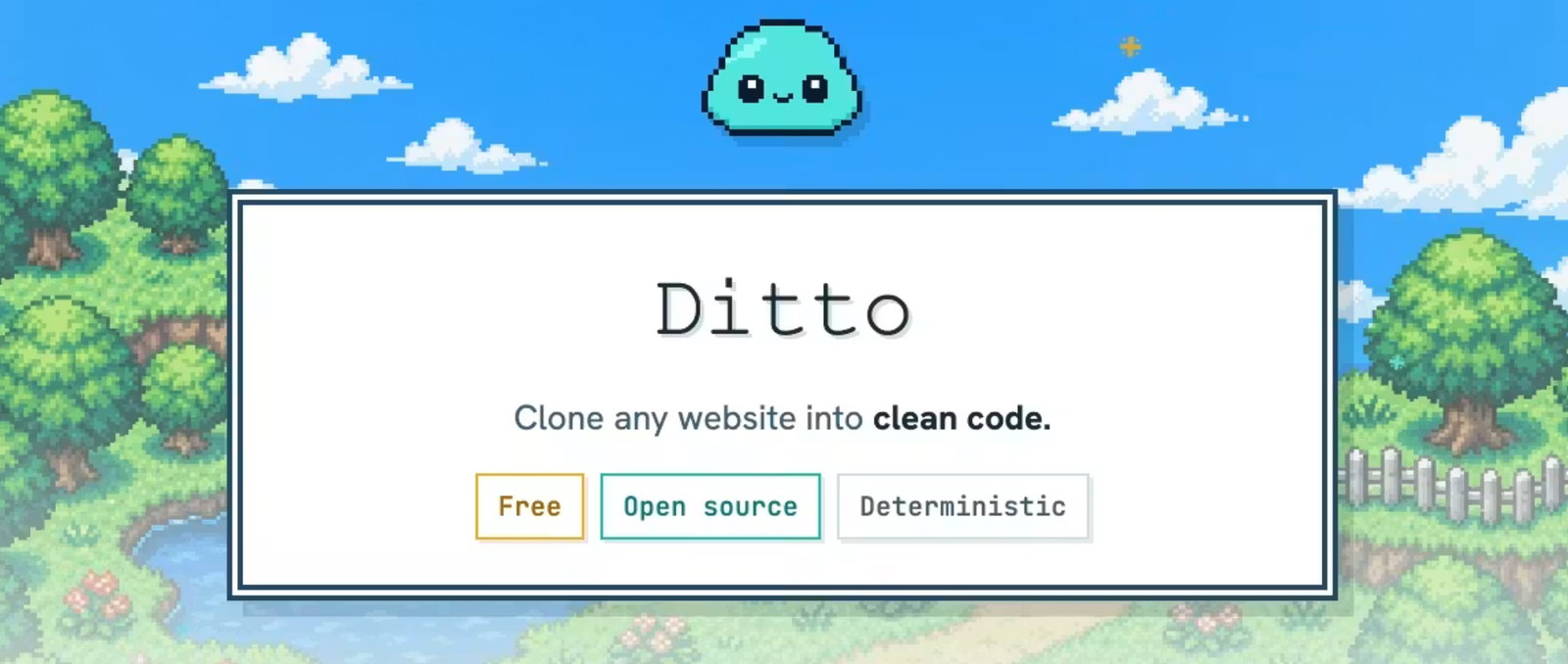
The ion.design team built ditto.site inside their own product, ran it for months, then open-sourced it because it was "a bit too useful to keep to ourselves." Point it at any site, get back the actual code: componentized Next.js or Vite, hover states, Lottie animations, web fonts, breakpoints, the lot.
🔥 Our Take: You've seen a site and wanted to steal it. Everyone has. The normal move is inspect element, copy CSS for an hour, get 80% of the way there, give up on the hover states. Ditto just gives you the code. Someone in the comments tested it on a complicated Lottie animation. It got it right. Every screenshot-to-code tool fails on interactions. This one didn't. The ion.design team open-sourced it because they use it themselves inside their own product and it was too good to sit behind a paywall. Free, MIT, MCP server included.
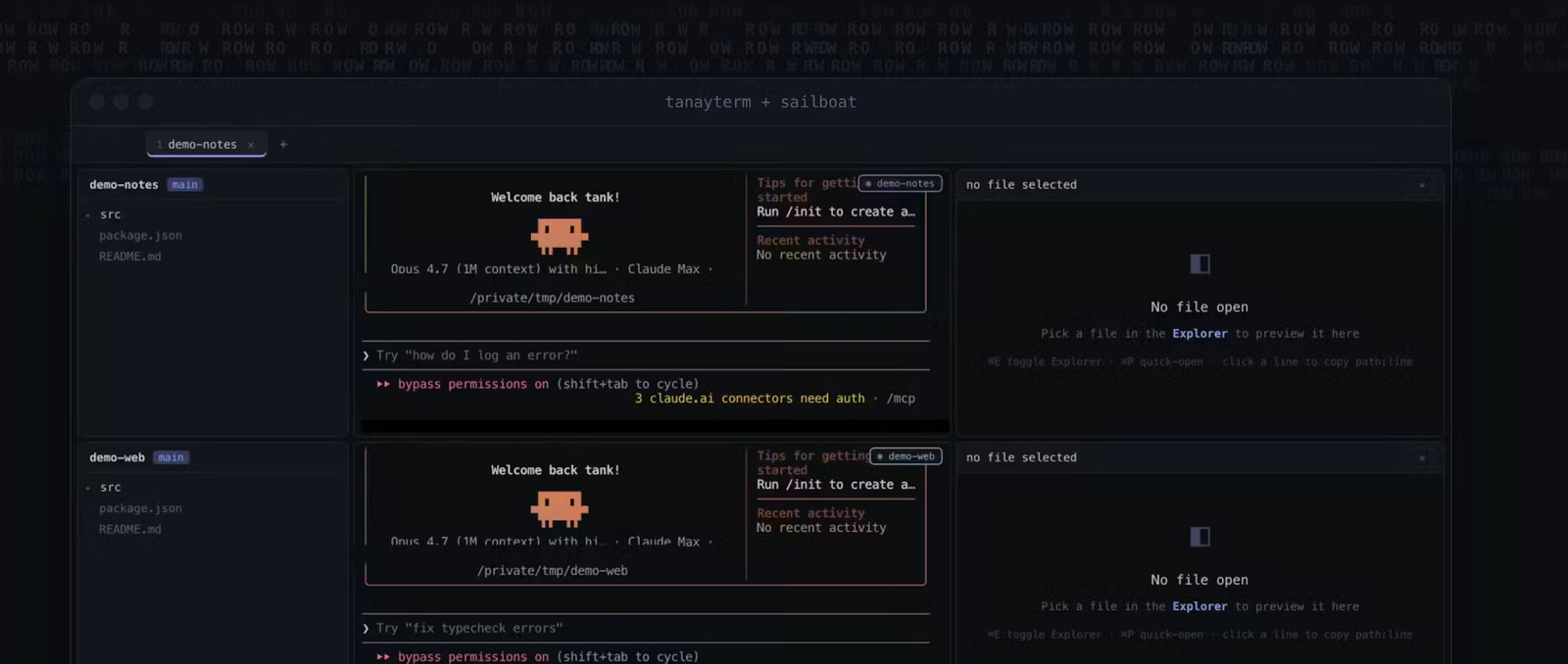
tterm is a terminal with a real Chromium browser inside it and a diff viewer for going through Claude's output. Your Chrome bookmarks and cookies come with. No editor. Free, no account, no telemetry.
🔥 Our Take: Tanay (@tanaygondil) built it because he was alt-tabbing between three things: Claude terminal, browser, editor he'd stopped typing in. The interesting call is leaving the editor out. When Claude is writing the code, you're reviewing diffs, not typing. An editor is the thing you don't need. The meta part: tterm built most of its own features. You ask the Claude pane running inside it, it hot-reloads, you ship. The app is a loop. The landing page ocean is actually the word OCEAN on a live wave simulation. That tells you something about who built this.
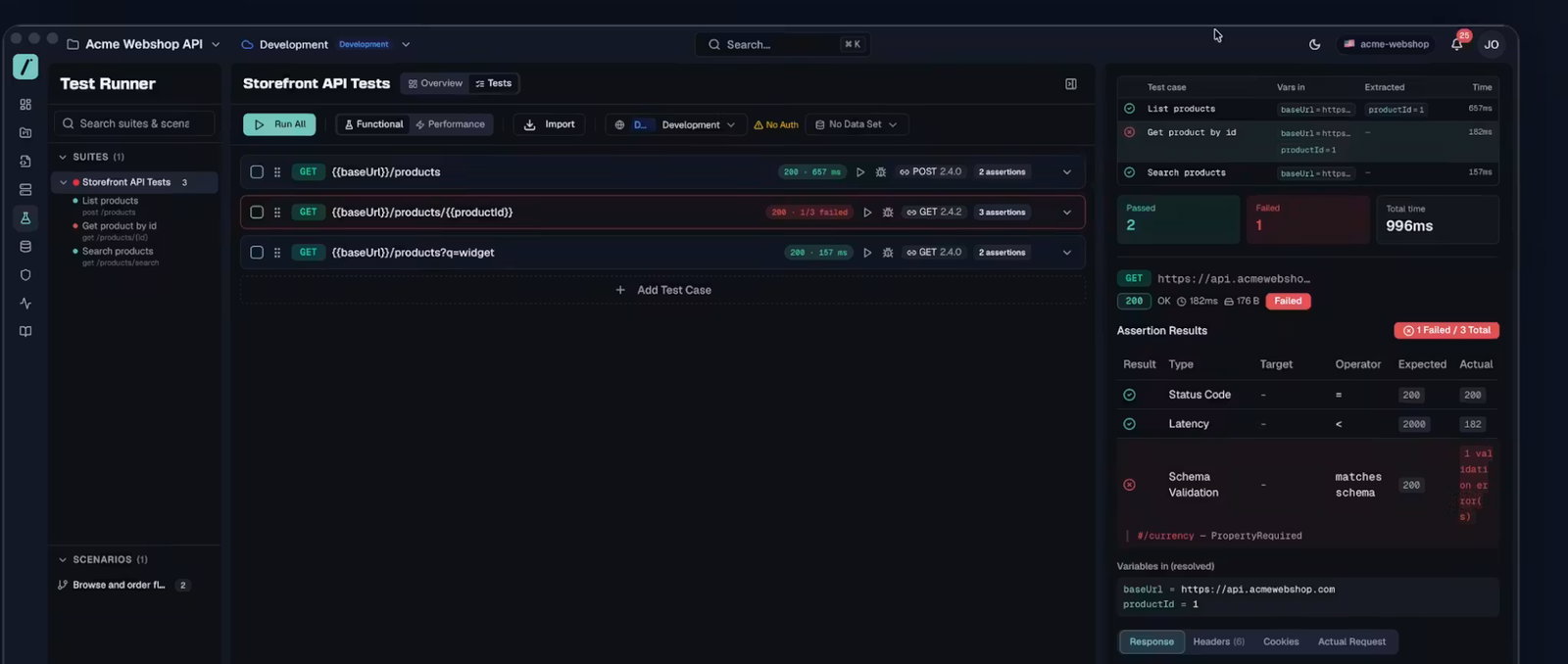
Routebase is one spec your whole team derives from: docs, mock server, contract tests, live monitoring. Change it and push. It runs a contract test against your live API right now, before anyone ships against a broken contract.
🔥 Our Take: Denny (@denny_riedl) is a CTO who watched the same thing happen on every project. Backend changes an endpoint. Frontend finds out from a broken integration. Docs get updated "afterwards," which means never. The demo moment: add one required field, watch a test go red against production before a single consumer sees it. The problem isn't that teams have bad docs. It's that every tool keeps its own private copy of the API and they all drift apart the moment you ship. Routebase is the one thing they'd all read from. Most teams figure that out after the outage.


 83 •
83 •
 Sales
Sales


