|
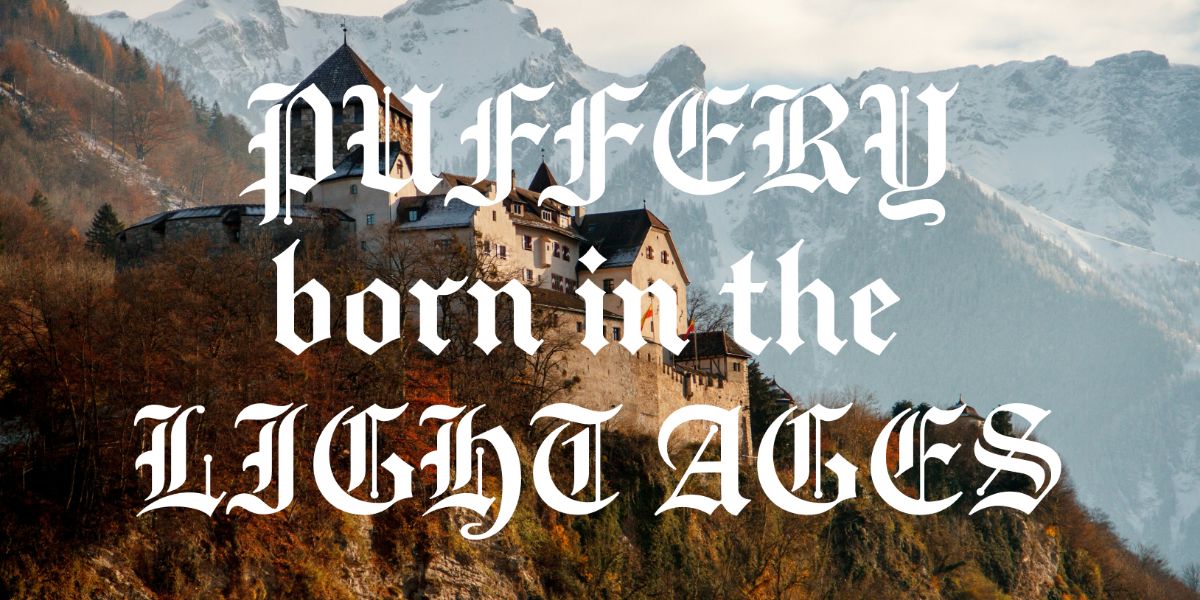
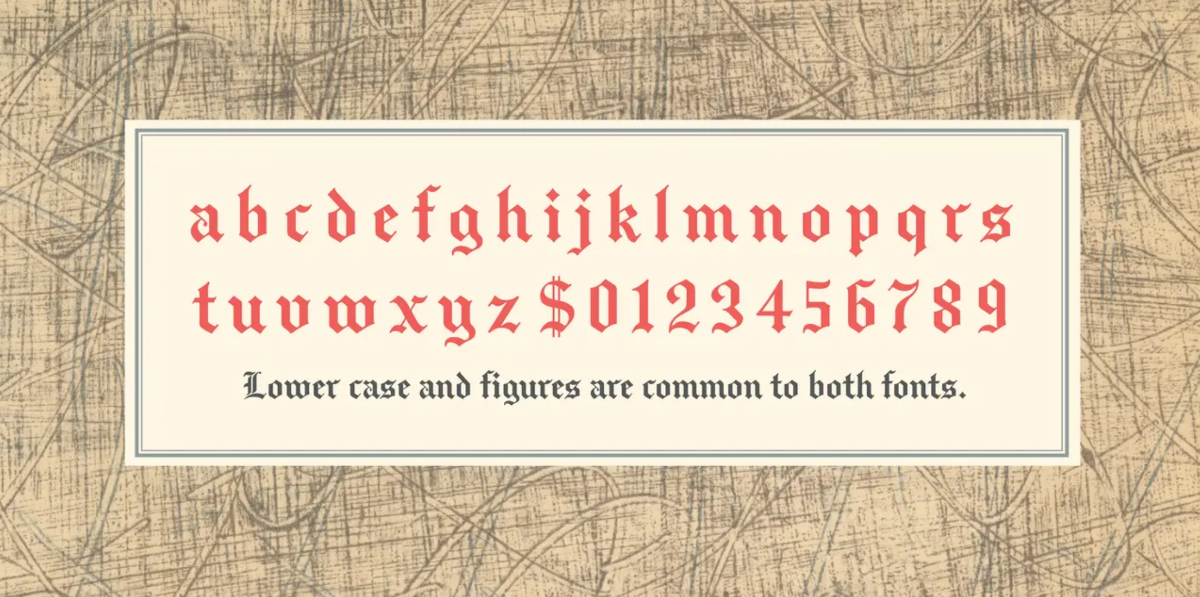
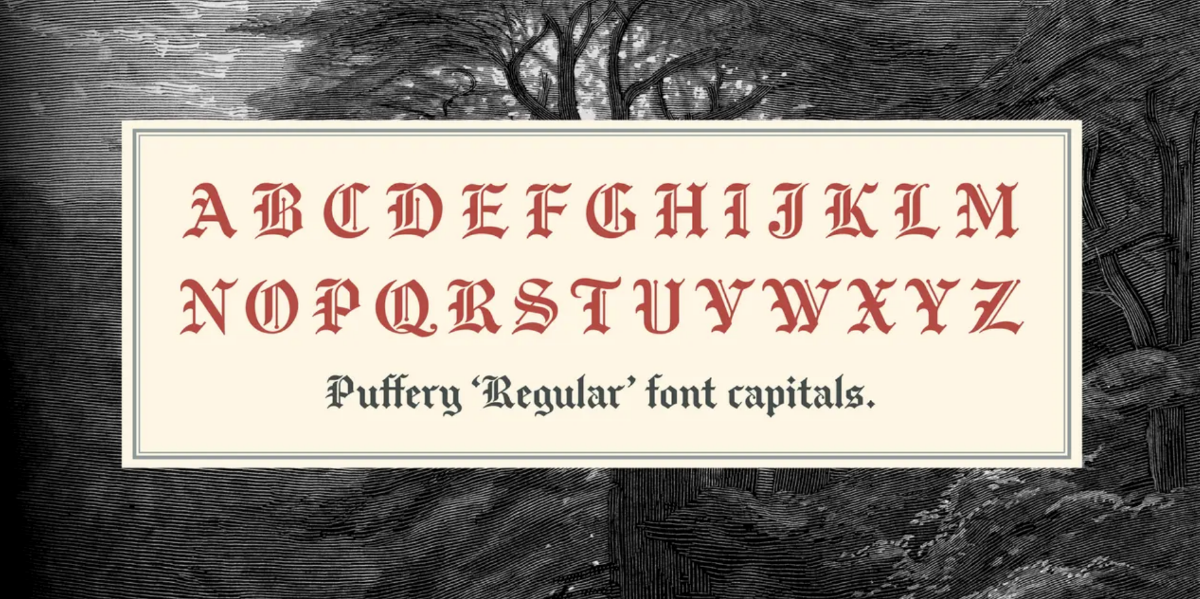
Sometimes I get a hankering to see someone use a good old Blackletter, spikey Fraktur, or rounded Textura that transports me back to medieval Europe when a printer’s digital handiwork was created with ten fingers. That Blackletter was anathema to the later movements of Modern European designers and typographers, so to use it in 2026 suggests a certain rebelliousness. As a calligraphic typeface used to print Gutenberg’s Mainz Bible and almost all the other ecclesiastic tracks that followed, it has a moldy Germanic presence, and its adoption as the Volk, or official people’s face, of the Third Reich does not add much in the way of positivity to its symbolism. Yet a typeface can only be exorcized for so long. Despite its various applications as the nameplate for countless international newspapers past and present, Blackletter (also known as Old English) in its various forms and styles has long been a kind of forbidden fruit of typography . . . difficult to read because of its curvy, swirly, decorative excesses. Nonetheless, it has a long history and a healthy legacy, and when applied correctly, the juxtaposition of caps and lowercase letters is extremely artful.
|