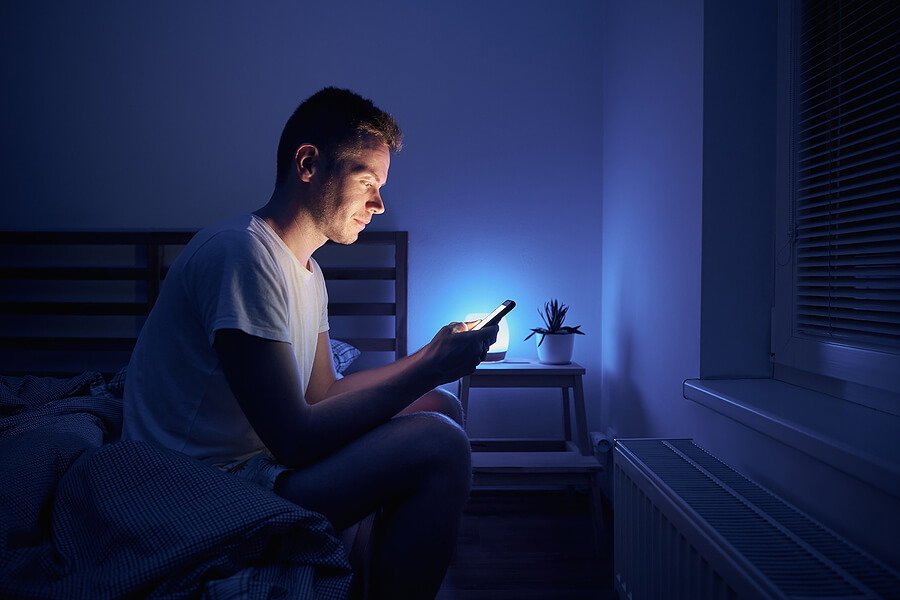
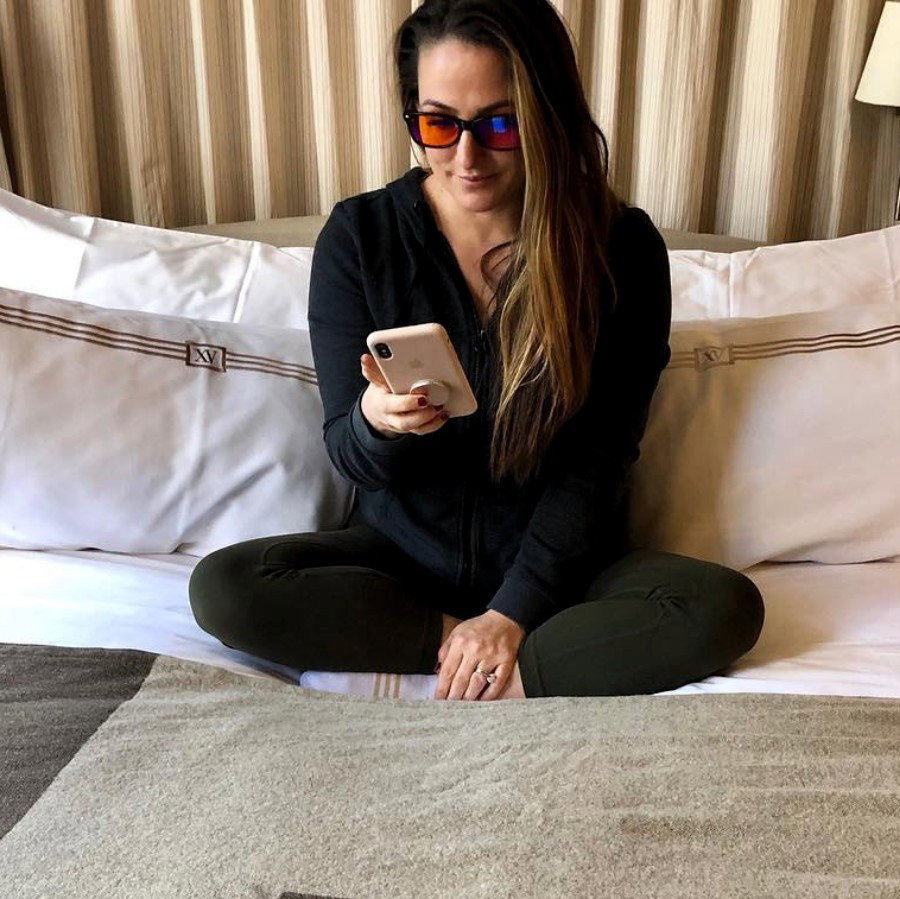
You might think you can skip the sleep problems caused by late-night tech use by turning the brightness down on your electronics, but that's not true. While reduced brightness and orange screen tinting make things easier on your eyes, the electronic still produces blue light and causes additional exposure that delays rapid eye movement (REM) sleep.
REM sleep is crucial for anyone looking to wake up feeling re-energized. It typically begins 90 minutes after you fall asleep, reoccurring in short stages throughout the night. Digital blue light delays essential melatonin onset that causes deep sleep, so late-night gamers and social media enthusiasts experience lower-quality sleep.
Another immediate concern of late-night blue light exposure is how it jump starts the brain and keeps it functioning at a rapid pace. Studies have shown that fluorescent lights alone lead to increased episodes of hyperactivity, with similar effects from digital blue light sources.
|