Other people to know more about: Ivy Wolk, Ballerina Farm, and, always, Hudson Williams. |
|
|
|
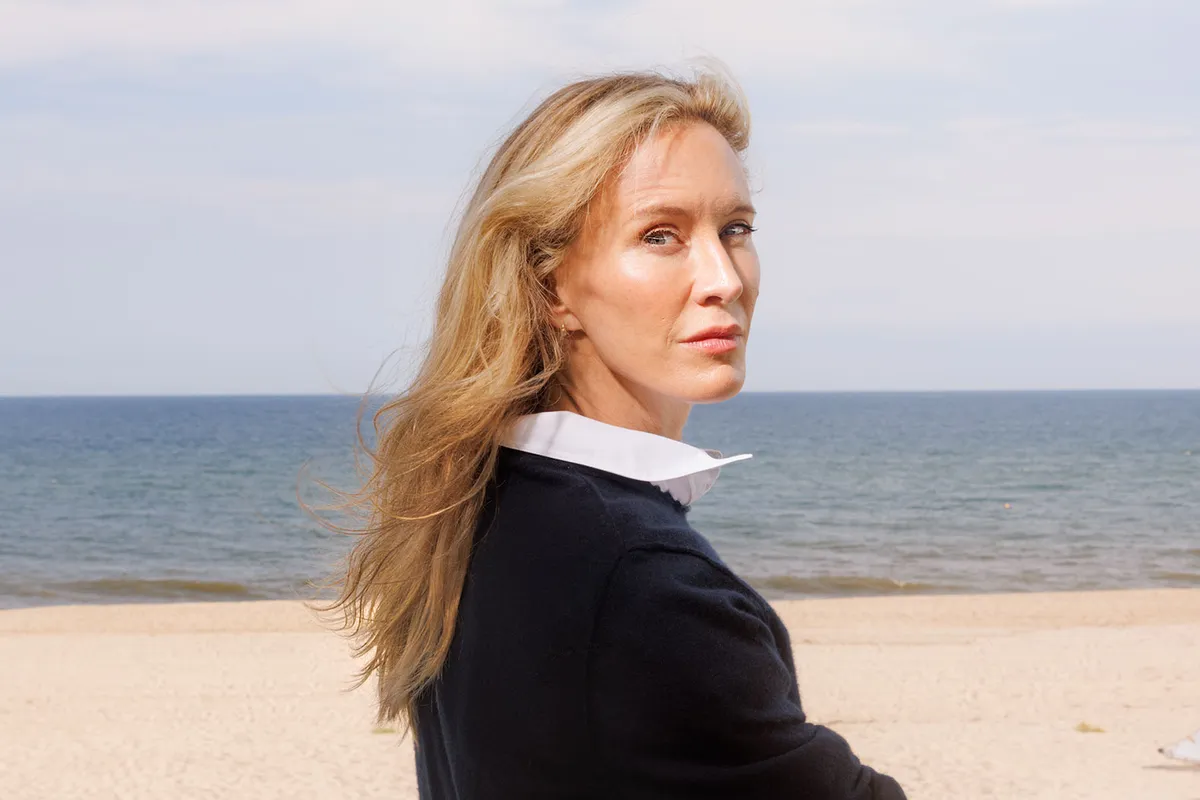
Photo: Elinor Carucci for New York Magazine
|
I didn’t realize how much I needed Jessica Bennett’s investigation of the overlapping stories around Amy Griffin’s memoir, The Tell, until I read it. Like millions of people, I read the book the month it came out, enthralled both by the story Griffin told in it — of doing MDMA therapy and recovering memories of violent sexual abuse by a teacher — and the coverage around it, as Griffin’s fellow billionaire pals came together to celebrate its publication. And then, months later, I was riveted all over again when the New York Times published a front-page story casting doubt on the veracity of Griffin’s story. Still, it felt like there was much more to be revealed. Jessica worked for months to learn everything she could, talking to Griffin, to the woman identified in the book as Claudia, and to Joleene Altum, who is suing Griffin for allegedly stealing the story of her own abuse. I spoke to Jessica on the phone yesterday about how the article came together.
Where did you begin with this story?
We figured we wouldn’t get access to Amy, so it was originally just going to be the story of what she was doing after these lawsuits. I started making calls. Nobody would talk on the record. I was just like, This isn’t going to be a great piece. Like, why don’t we just try to get her? She hasn't spoken yet. Maybe we could convince her. And even better, maybe we could convince her and Joleene. I tried, and it took many, many months, but eventually, we got Amy, and then after we got Amy, we got Joleene, the middle-school classmate who has accused Amy of stealing her abuse story.
What was the most difficult part of writing this?
I didn't realize when I took on this story to what degree this would involve the Times, where I worked for many years. I know a lot about the time and care that goes into these kinds of stories. I have great respect for the editors, and I also know the reporters on this particular story, who I admire a lot and know to be rigorous and fair. The Times told us in its official statement that “we left it to readers to decide what to make of the situation.” To some extent, we all do that — and newspapers are really in the business of reporting only the facts. My story builds on their reporting to, hopefully, give readers more information to decide with.
I’m curious about how you’d categorize the different factions of Amy’s friends and acquaintances who spoke with you off the record.
You’ve got the best friends who believe her, full stop — exactly how she wrote it. There are the people who believe she believes it but don’t quite know if they do. Then you’ve got those who are like, Hmmm, we don’t think she’s making it up whole cloth, but something has to have gotten mixed up. And it’s not crazy to think that someone describing abuse from their childhood whose memories came back with the help of MDMA would mix stuff up. And then there are those who are like, She’s an evil monster. She stole this woman’s story. Will any of those people have their minds shifted or changed one way or another? I don’t know.
What happens next?
Well, both lawsuits are still active: the one from the classmate, Joleene Altum, accusing Amy of invasion of privacy and negligence, and the one accusing Altum of defamation by Amy Griffin. There are also more journalistic threads that could be pulled on, too — for instance, a bigger publishing-industry story about how this kind of thing keeps happening with memoirs. Like, “We don’t fact-check” can’t just continue to be the answer from the publishers every time there’s a new scandal. And then there is the question of who Joleene Altum’s alleged abuser is — and if he has other victims. This story has so many elements. I spent six months on it, and I still felt like I could have spent six more.
|
|
|
|
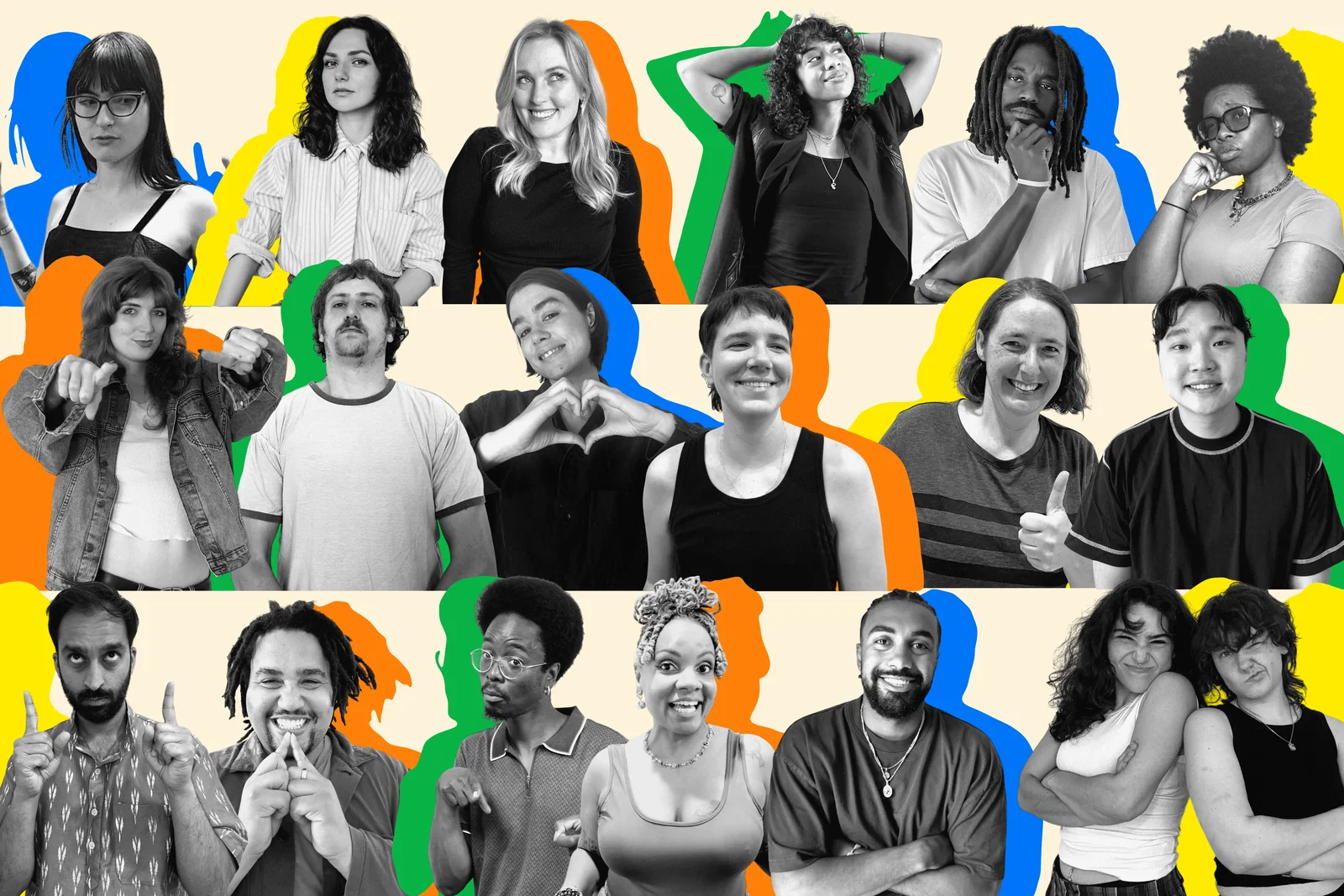
Photo-Illustration: Alex Merto. Source: Courtesy of subjects |
|
|
|
|
A famous male comedian asked me, when I let him know I was going on tour for the first time, “Do you even have enough material for that, or are you just going to hold an audience hostage with your bullshit?” Granted, I didn’t have an hour yet, but I said “yes” to the opportunity and worked unceasingly until I did have one. I don’t know when the last time this man had an hour of material was, and surely he hasn’t put forth any effort into anyone seeing it. This was a guy who told me when I first moved here that I needed to do stand-up, and yet when I did just that, he thrust a very unexpected snark upon me anytime he’d see me out at a show.
A lot of men have used my status as an actress against me: “Why do you need comedy? You’re already an actress” or “She’s just a fucking actress,” etc. etc., as though I should stick to doing one thing only because they are capable of one thing only and think I’m encroaching on their sacred craft. The craft is fucking sacred to me too. And any man who sneered “actress” at me like it was a slur wishes that they too could be interesting in many different mediums. Sad case!
|
|
|
|
Subscribe now to get unlimited access to everything New York, including subscriber-only newsletters, exclusive perks, the New York app, and more. |
|
|
|
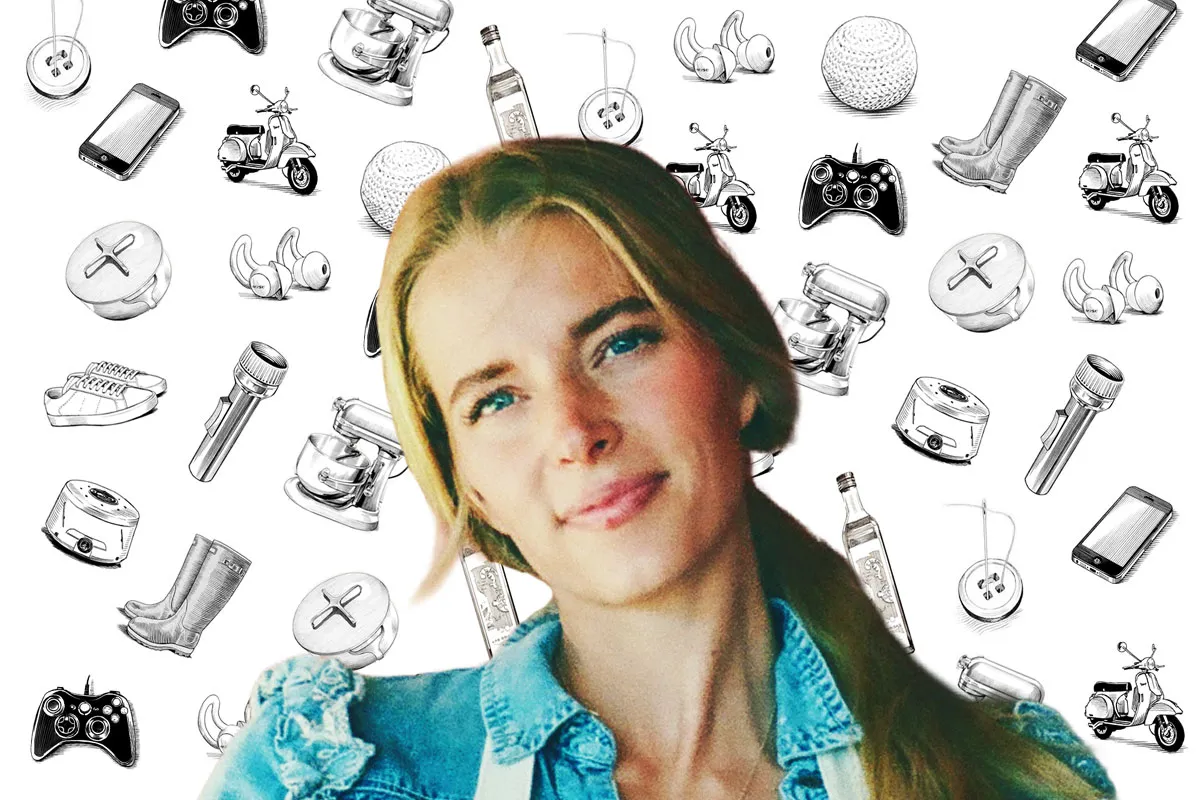
Photo-Illustration: The Strategist; Photo: Aubrey Jones, Joe McKendry |
Much ink has been spilled about the influencer Hannah “Ballerina Farm” Neeleman. She shared her list of must-haves with the Strategist, which includes clogs, toothbrushes, Rudy Jude jeans, and a very large stove. |
|
|
|
|
This stove truly is the centerpiece of our home. It’s about forty years old. And we bought it on Craigslist when we were remodeling our farmhouse. It’s propane and always on. It doesn’t have any knobs, so it’s always warm and cozy. We live in the mountains, and mornings are always cold. Evenings are also always cold, no matter the time of year. And we always have really long winters. So it’s an amazing gathering spot for our family. In the morning, my kids are always hanging around it. They’re scooting up their chairs to eat their oatmeal. We don’t have a microwave because you don’t need one. The Aga is always ready to go, and you don’t ever have to preheat the oven. It’s so cool. When I hand-wash things, I dry them on the Aga.
I think it was two or three years ago that it broke, and it was off for about three weeks. We realized what a sad time it was for our family. We were like, Oh my gosh, it’s not cozy anymore. It felt like something was really missing. So yeah, I love the Aga. It’s a huge part of our farmhouse and family routine.
|
|
|
|
This was educational for me; now when I’m reading a British novel and someone refers to “the Aga,” I will understand what the stove in question looks like. |
|
|
|
|
A weekly dispatch on the cultural discourse. |
|
|
|
https://link.nymag.com/oc/60bf85689b7a136e4b473b24sbu0b.c32/bf357b80
|
|
|
|
|