Even I, a true fan, learned so much from this Madonna syllabus. Also, let’s ban changing the clocks and allow NYC teens to get summer jobs. |
|
|
|
Photo: James Devaney/GC Images
|
|
|
|
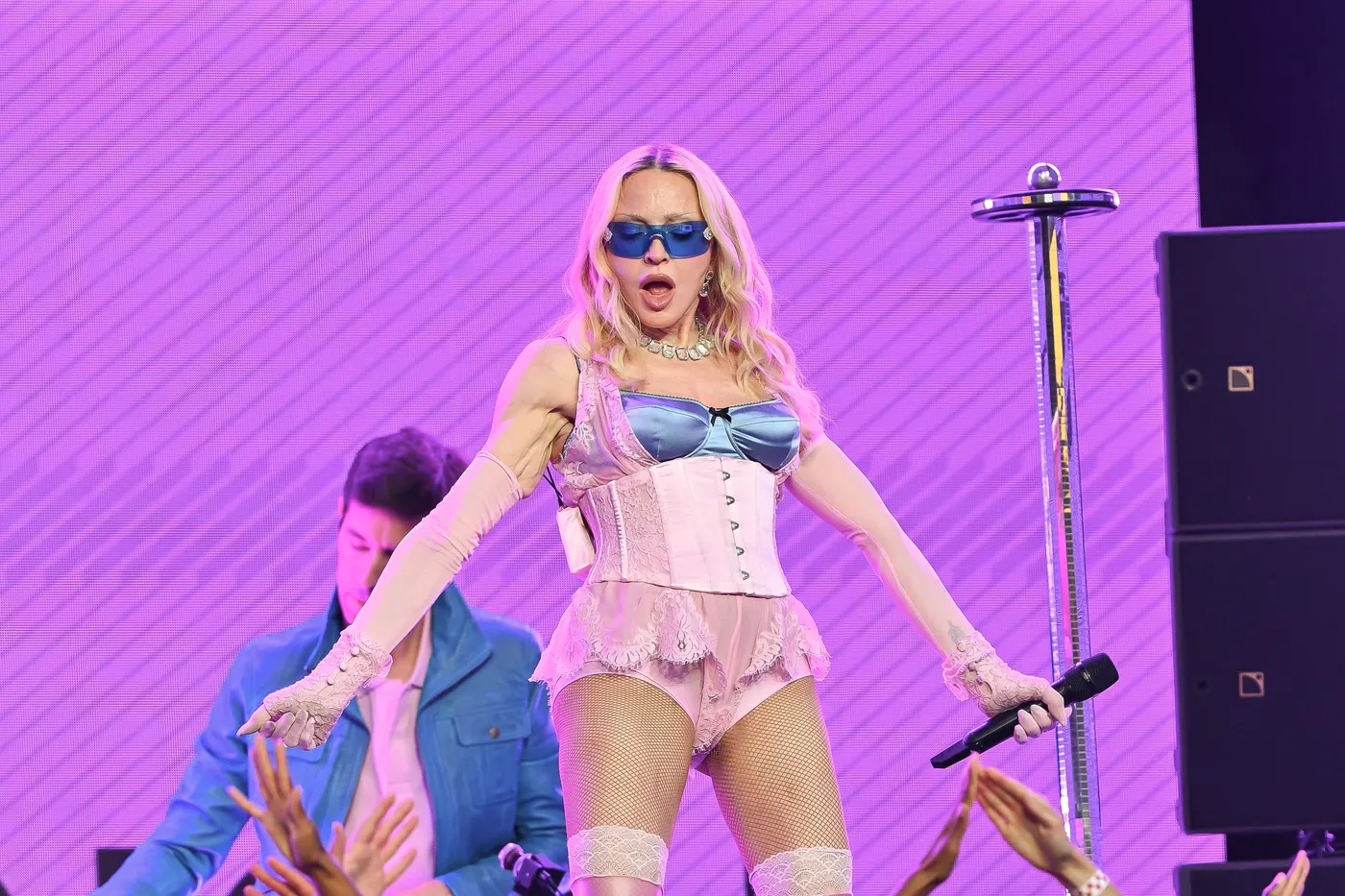
Have you heard the good news about our lord and savior Madonna?
It has recently come to my attention that some younger millennials and Gen-Z people didn’t grow up with Madonna in the air and in the water the way people my age (44 and up) did. Without that foundation, it’s hard to appreciate how exciting it is that the queen of pop has just released a No. 1 album at age 67, an album that is very, very good. Not to be mean, but just for perspective, Belinda Carlisle and Simon Le Bon are also 67, and they’re probably playing with their grandkids on a yacht right now. Madonna is shaking her ass at Knockdown.
To properly wrap your head around this and the historical import of Confessions II, you may need to crack the books. Enter Conner Reed, a 30-year-old writer living in Brooklyn. A little more about Conner: “I'm a gay only child who grew up in a literal log cabin in rural Oregon, so I had a lot of time on my hands. In my early teens, I decided to go deep on Madonna because I knew gay guys were supposed to know about her, and I was becoming obsessed with Lady Gaga and David Bowie. In the ensuing ~17 years, Madonna has basically become part of my DNA. I mostly find stan culture frightening and embarrassing, but she has always been the One for me. The prospect of her coming back this summer with an album that was more … palatable … than Madame X awakened me like a sleeper agent.”
He has compiled an exhaustive syllabus, which I present to you in its entirety. Hat tip to Zach Schiffman for bringing this to our attention. Note: He has not completed his studies.
|
|
|
|
UNIT 1: THE EARLY YEARS (1983–88) |
The biggest barrier to getting into Madonna is being allergic to ’80s pop cheese, and I get it! Her first three albums — Madonna, Like a Virgin, and True Blue — have their charms, but she didn’t lock in artistically until No. 4. I’d listen to the highlights on The Immaculate Collection. I’m generally not a greatest-hits guy, but The Immaculate Collection is perfect and feels like a complete album in its own right. |
- Listen to The Immaculate Collection
- Watch these music videos
|
|
|
|
UNIT 2: THE ALBUM ARTIST (1989–91)
|
After Madonna became the most famous woman in the world, she decided she wanted to shed her “provocative music for teenagers” reputation and be taken seriously as an Artist, so she made Like a Prayer, an album about God and family and fucking. She wrote or co-wrote everything on it, and it’s her first record that hangs together as a single statement. Critics loved it. It’s still seen as one of her very best, but I think it’s aged a little less well than her other classics, so if you’re in danger of jumping ship, I’d go straight to Erotica and come back later.
|
- Listen to Like a Prayer |
- “Till Death Do Us Part” is about her fraying marriage to Sean Penn, “Promise to Try” is about her mom dying when she was 5, and “Oh Father” is about her strained relationship with her dad after her mom died.
-
“Love Song” is an uncredited Prince duet, and it’s where the hook for “Hung Up comes from (“Time goes by so slowly for those who wait”).
- The original album came with an insert about AIDS prevention, because Madonna was a pioneer, people!
|
- Watch these music videos |
-
Originally conceived as a straightforward recording of the Blond Ambition Tour, the director, Alek Keshishian, was so enamored with the backstage footage he got that it became more of a fly-on-the-wall doc with occasional musical numbers. One of my favorite movies of all time.
|
- Listen to I’m Breathless, the Dick Tracy soundtrack album that “Vogue” came from, which includes three Sondheim originals. “Sooner or Later” won an Oscar. Her Oscars performance is very important. |
UNIT 3: THE IMPERIAL PHASE (1992–97)
|
It doesn’t get better than ’90s Madonna, imo. Erotica is a top-two Madonna album, which lots of people know now, but at the time, it was overshadowed by Sex, her raunchy coffee-table book that dropped the next day and pissed everyone off. Musically, Erotica is dark, strange, adventurous, and weirdly sad; “In This Life” is about the death of her best friend from AIDS, and the whole album is tinged with anxiety. By the end of 1992, basically everyone on earth hated Madonna for being horny, so in 1994, she responded with Bedtime Stories, a gorgeous and respectable R&B record. Then she was Evita and won a Golden Globe, but that movie is frankly none of my business.
|
- “Why’s It So Hard” is kind of corny; everything else is perfect. Could have come out yesterday.
|
- Listen to Bedtime Stories |
-
“Human Nature” is her fuck-you about the Erotica and Sex controversy.
- “Take a Bow” is, inexplicably, her longest-running No. 1 hit. Title track was written by Björk.
|
- Watch these music videos |
UNIT 4: EARTH MOTHER (1998–2002) |
Now we’re into the real shit. After turning 40, giving birth, and getting into Kabbalah and eastern spirituality, Madonna put out Ray of Light, her undisputed masterpiece. It’s a big electronica epic about motherhood, fame, God (again), and death (again). Best thing she’s ever done. Then, in 2000, she put out the comparatively mild Music, but Music would be the peak of a different artist’s career: a playful, confident experiment with electronica and acoustic guitar and yet more spiritual musings. They’re two of my favorite albums by anyone, ever.
|
- Listen to Ray of Light
- Listen to Music
- Watch these music videos
|
UNIT 5: FLOP OR FLY? (2003–04)
|
After winning critics over, Madonna lost them again with American Life, which is probably her weirdest pre-2019 album. I happen to think it fucking rocks, but the harsh blend of dry French electronic music and straight-faced folk made a lot of people mad. To me, it’s basically Brat by a woman concerned with her legacy and eager to tell people it’s lonely at the top. History has been kind to American Life, too, with a lot of gay guys on the internet saying it’s her best. I’m not sure about that, but it’s hard to imagine anyone at her level putting out something this bold now.
|
- Listen to American Life
- Watch the long-banned original “American Life” music video, which Madonna pulled from MTV after the Iraq invasion.
|
UNIT 6: CONFESSIONS I (2005) |
Instead of going quiet and respectable, à la Bedtime Stories, Madonna responded to the American Life hate by hitting the club at age 47. Confessions on a Dance Floor is her last great album, a cool-as-fuck club set that melds the introspective, spiritual currents of her work post–Ray of Light with the euphoria of her early hits. The original album was sequenced like a gapless DJ set, and only the Twenty Years Edition on streaming retains that format. (Just ignore the bonus tracks post–“Like It or Not.” With love.)
|
- Madonna did, in fact, continue to put out music after 2005. I do not think most of it is worth your attention (not even Hard Candy; sorry again to various gay guys on the internet). If you wish, though, you can finish off with her last four albums — Hard Candy, MDNA, Rebel Heart, and Madame X — if only so you can understand why Confessions II being good is such a big deal. |
|
|
|
Photo: Kent Nishimura/Getty Images
|
|
|
|
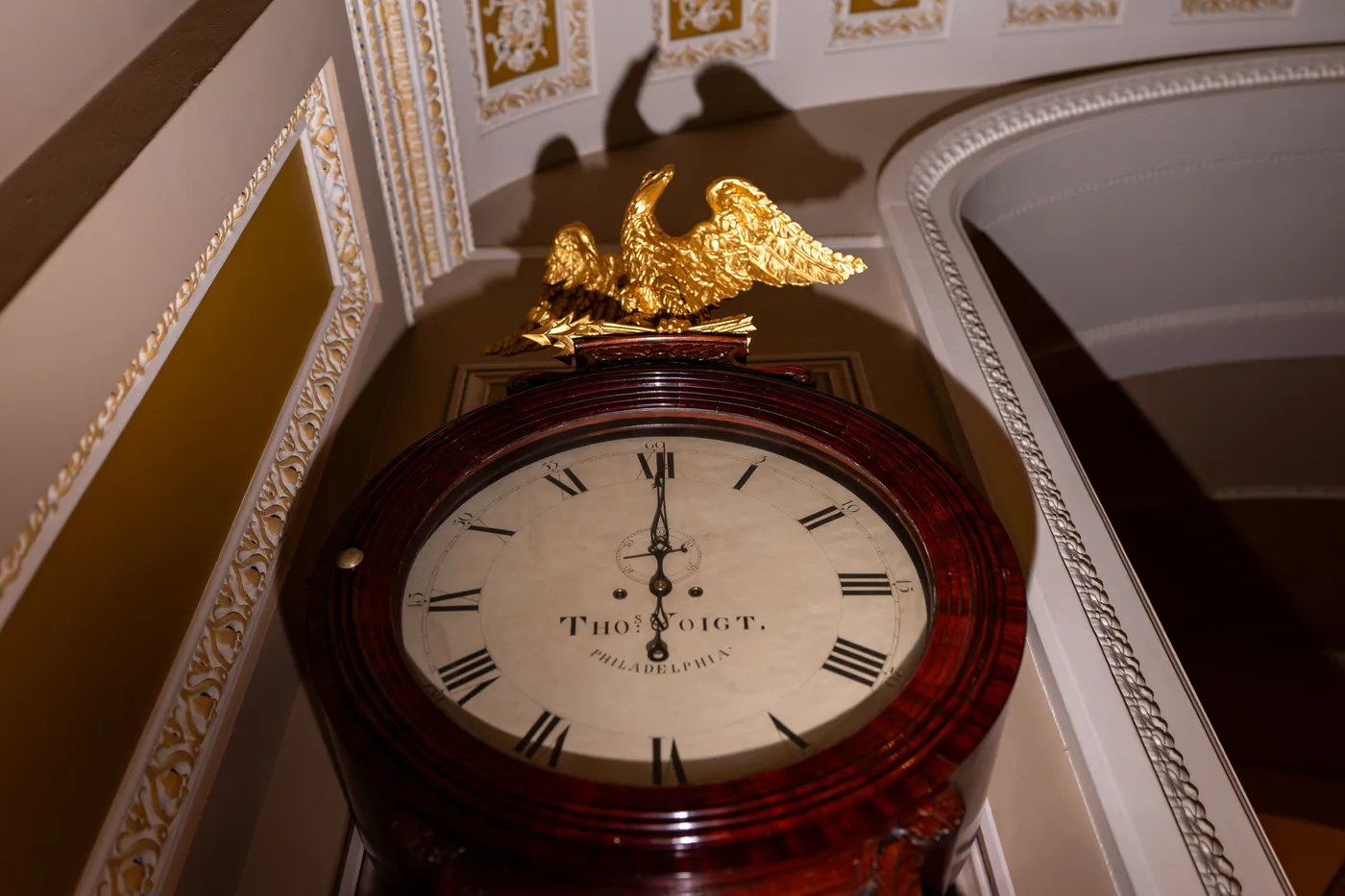
Time is a construct, which is always kind of a mindfuck to contemplate. But contemplate it we must, because today a Trump-supported bill passed Congress that would get rid of the outdated nuisance that is “spring forward, fall back.” Will the Senate finally get us on the same page as the many countries that stay on standard time year-round? Well … maybe. |
|
|
|
|
So why wouldn’t this sail through the Senate too? Basically, because Tom Cotton opposes it. Individual senators have more power to tank a bill than their House colleagues. Though the Arkansas senator allowed Rubio’s bill to pass in 2022, he later said that was a “mistake.” Last October he blocked an attempt to fast-track another version of the Sunshine Protection Act in the Senate, arguing that farmers “might go three, four, even five hours in the morning without seeing the sun.”
|
|
|
|
Counterpoint, Tom: “It gets dark at 4:30 p.m.” is much worse than “The sun rises after 8 a.m.” for me, personally, from a psychological standpoint. And I know I’m not alone in this! Sorry to the farmers!! |
|
|
|
Photo: Courtesy of the subjects; NYC Parks; Google Maps |
|
|
|
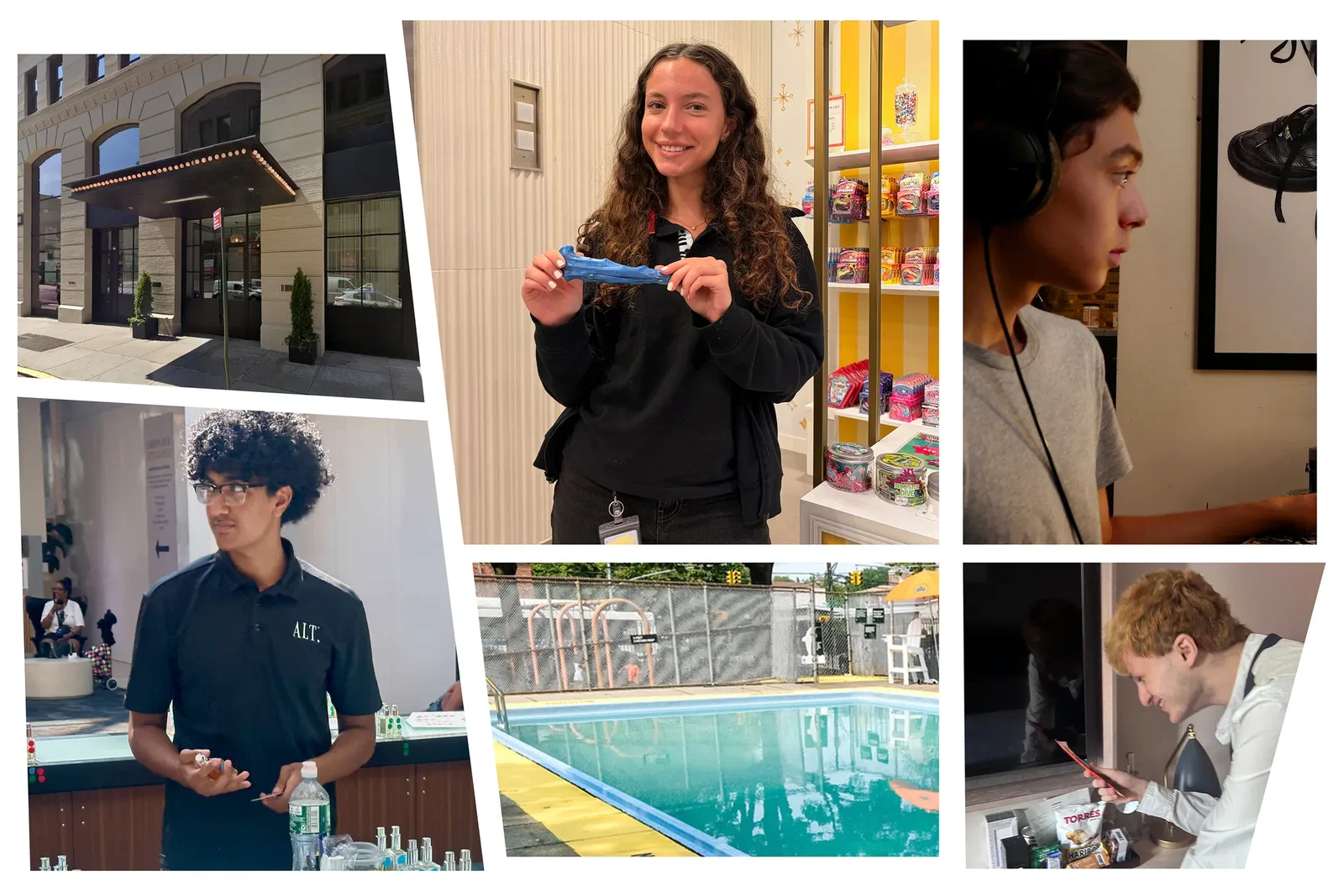
Anne Kadet interviewed some enterprising teens about how they’re making enough money to buy Starbucks Refreshers and pay for college. It’s really tough to get work in this city in general, but especially if you’re under 18; a lot of places just don’t hire people that young, and most jobs require previous experience. One exception is lifeguarding, but the training turns out to be very rigorous!
|
|
|
|
|
The hardest part of the job, Ethan Stephens says, was getting the job. He had to pass an exam that included a speed test. Only lifeguards who can swim 440 yards in six minutes and 40 seconds qualify for a coveted beach job; the cutoff is 7:40 for a pool job, the one he wanted. Before that, he had to take a training course at a gym near Columbus Circle, which included lap swims and sitting in a classroom every week for eight months. “The classes aren’t fun,” he adds. “It’s not something you want to do after school on a Thursday.”
|
|
|
|
Damn, that is way more intense than the training I received prior to my own lifeguarding career, which if memory serves involved a CPR class and an exercise where we had to “rescue” the instructors in the deep end. |
|
|
|
Photo-Illustration: Joe Darrow |
|
|
|
Super bonus extra credit: Watch Body of Evidence. “When Julianne Moore slapped Madonna in the bathroom, it opened my third eye,” Conner says. |
|
|
|
|
A weekly dispatch on the cultural discourse. |
|
|
|
https://link.nymag.com/oc/60bf85689b7a136e4b473b24rql95.m4r/62e1079a
|
|
|
|
|