Another day, another life to celebrate. Also, Adults season two is here at last! Plus a look at the financial reality of single motherhood. |
|
|
|
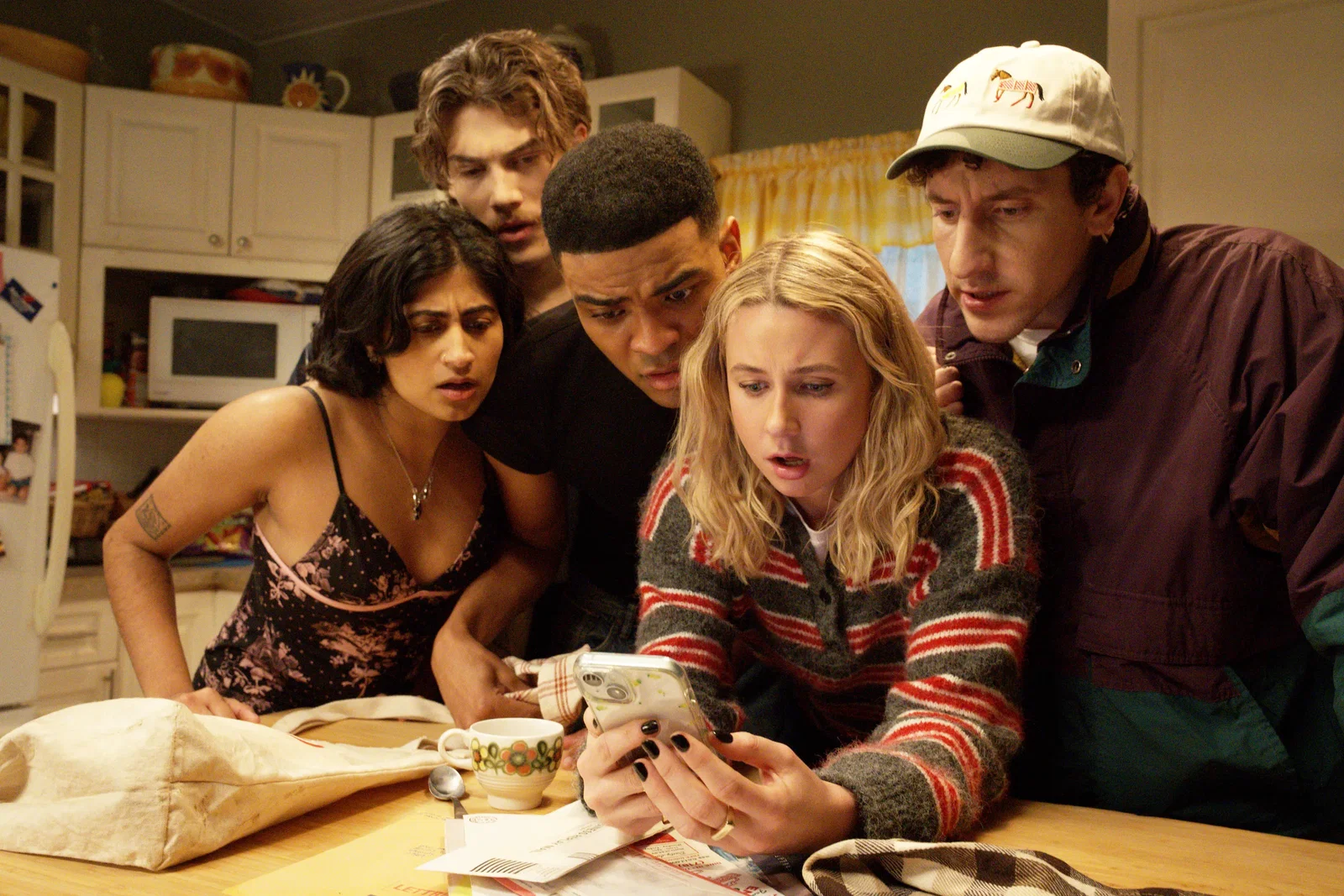
The sitcoms of old (like, a decade ago) had the luxury of 22-episode seasons. Adults makes the most of eight, but as Jackson McHenry writes: |
|
|
|
|
Not to be too cutely meta myself, but the precarity that surrounds the characters on Adults also informs the reality of the show itself. The series mimics and sends up the hangout comedies that came before it — from Friends to New Girl to more than a bit of It’s Always Sunny in Philadelphia — but at eight episodes a season, it has about a third of the space to maneuver than the network hangout shows of old. In a more perfect world, the Anton–Paul Baker slow burn would have so much more time to marinate, and we’d get to see guest stars appear for more than a single episode; Julia Fox as herself is, for now, randomly one of Adults’s most notable recurring characters.
|
|
|
|
I just want to spend more time in the company of my TV friends! |
|
|
|
Photo: Patrick Farrell/mct/ZUMA Press Wire/ |
One cool thing about Yayoi Kusama’s installations is that even a baby can appreciate them, but they’re also complex and mesmerizing and deeply disturbing! What a triumph her life was. |
|
|
|
|
While living in New York, Kusama developed her first “infinity rooms,” which were covered in mirrors. She also experimented with “soft sculpture,” covering objects like shoes and row boats in white cloth. Beginning in 1961, she was regularly hospitalized for overwork. At one point, Georgia O’Keeffe had to convince her own dealer, Edith Herbert, to buy some of Kusama’s work to keep her afloat. While living in New York, she attempted suicide, and, in 1973, she returned to Japan. After a second suicide attempt in ’77, Kusama admitted herself to a psychiatric institute, the Seiwa Hospital for the Mentally Ill, where she would live permanently. To stave off suicidal ideation, Kusama continued to work. “If it were not for art, I would have killed myself a long time ago,” she told the Guardian.
|
|
|
|
During the brief phase of my life when I was a studio-art major, I installed a large number of rip-off-Kusama bulbous, phallic shapes in the doorway of one of my college’s buildings as a commentary on rape culture or something. One night, my friends and I ate a bunch of mushrooms, then visited my installation, and all the shapes were undulating peacefully, so I’ll always remember that. Thank you, Yayoi Kusama! |
|
|
|
Subscribe now to get unlimited access to everything New York, including subscriber-only newsletters, exclusive perks, the New York app, and more. |
|
|
|
Photo-Illustration: by The Cut; Photos: Getty Images |
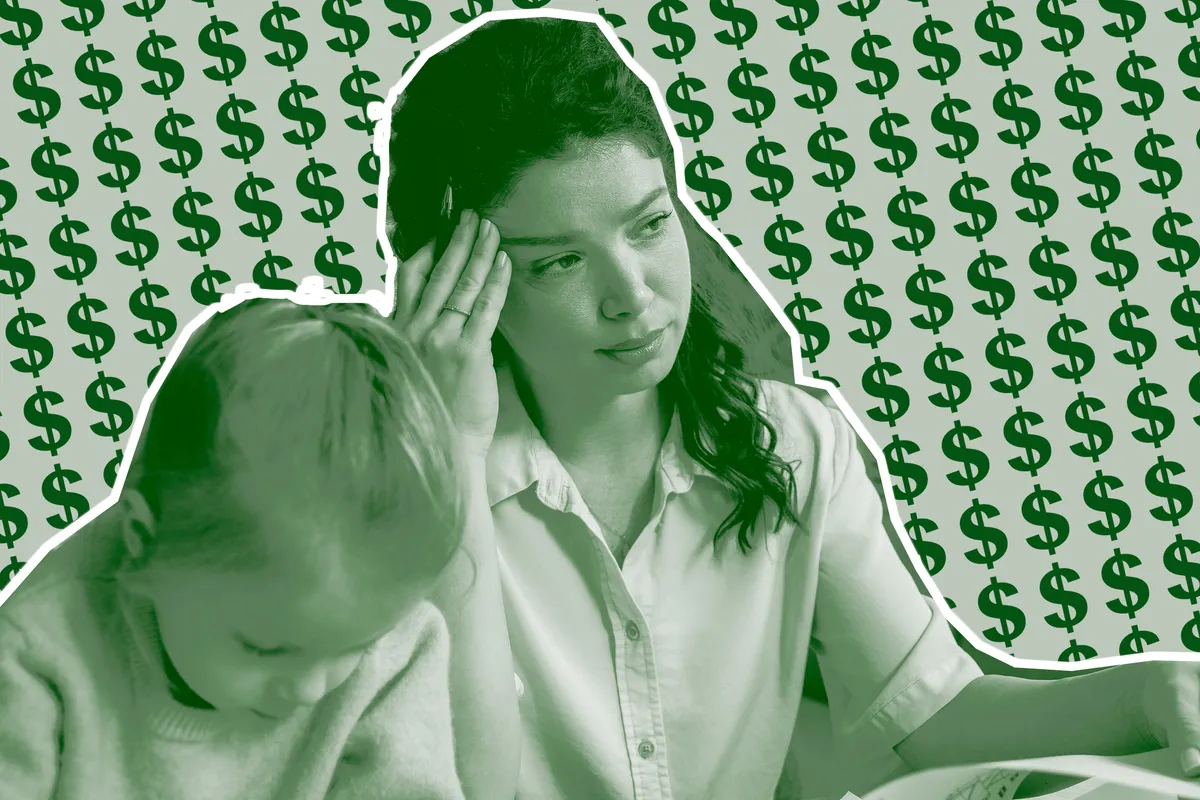
Financial columnist Charlotte Cowles interviews a fascinating person today: a woman who had her first kid at 19 and her second at 41, and both times, she was a single mom. With her first, money went further and her parents helped out. This time around, she has more community support, but it’s much harder to make ends meet because government aid hasn’t kept pace with the cost of living.
|
|
|
|
|
So now, here I am, 48 years old and in the same position I was in 25 years ago, raising my son on my own. But financially, things are so much harder now. With my older child, working one or two part-time jobs enabled me to afford a two-bedroom, nonsubsidized apartment. I wasn’t broke. I could still pay for food and clothes and all of that. I cannot afford that now, despite having a full-time job and receiving child support from my ex. It’s not that I live in a higher-cost-of-living area — I live in a very small town. The housing market is just crazy. The economy is crazy. I would not have survived had the shelter not helped me. When I read about women who are like, “I can’t leave because I don’t know how I’m going to survive on my own,” I completely understand. I stayed with my husband longer than I should have because I didn’t know how I was going to survive.
|
|
|
|
It’s almost like this country hates women on a structural, institutional level. |
|
|
|
|
A weekly dispatch on the cultural discourse. |
|
|
|
https://link.nymag.com/oc/60bf85689b7a136e4b473b24s4isn.c3a/601dce6a
|
|
|
|
|