Hello! I’m Jason P. Frank, a writer at Vulture, and I would estimate today’s dispatch is 48.6 percent straight. At least we managed a Sondheim reference. |
|
|
|
Illustration: Emma Erickson; Photo 1103 NYC/Flickr |
There’s a moment in Greta Gerwig’s Lady Bird where our heroine is discussing her college essay with a nun and the nun tells her she writes about her hometown, Sacramento, “so affectionately and with such care.” A confused Lady Bird responds, “I guess I pay attention.” “Don’t you think maybe they are the same thing,” the nun responds, “love and attention?”
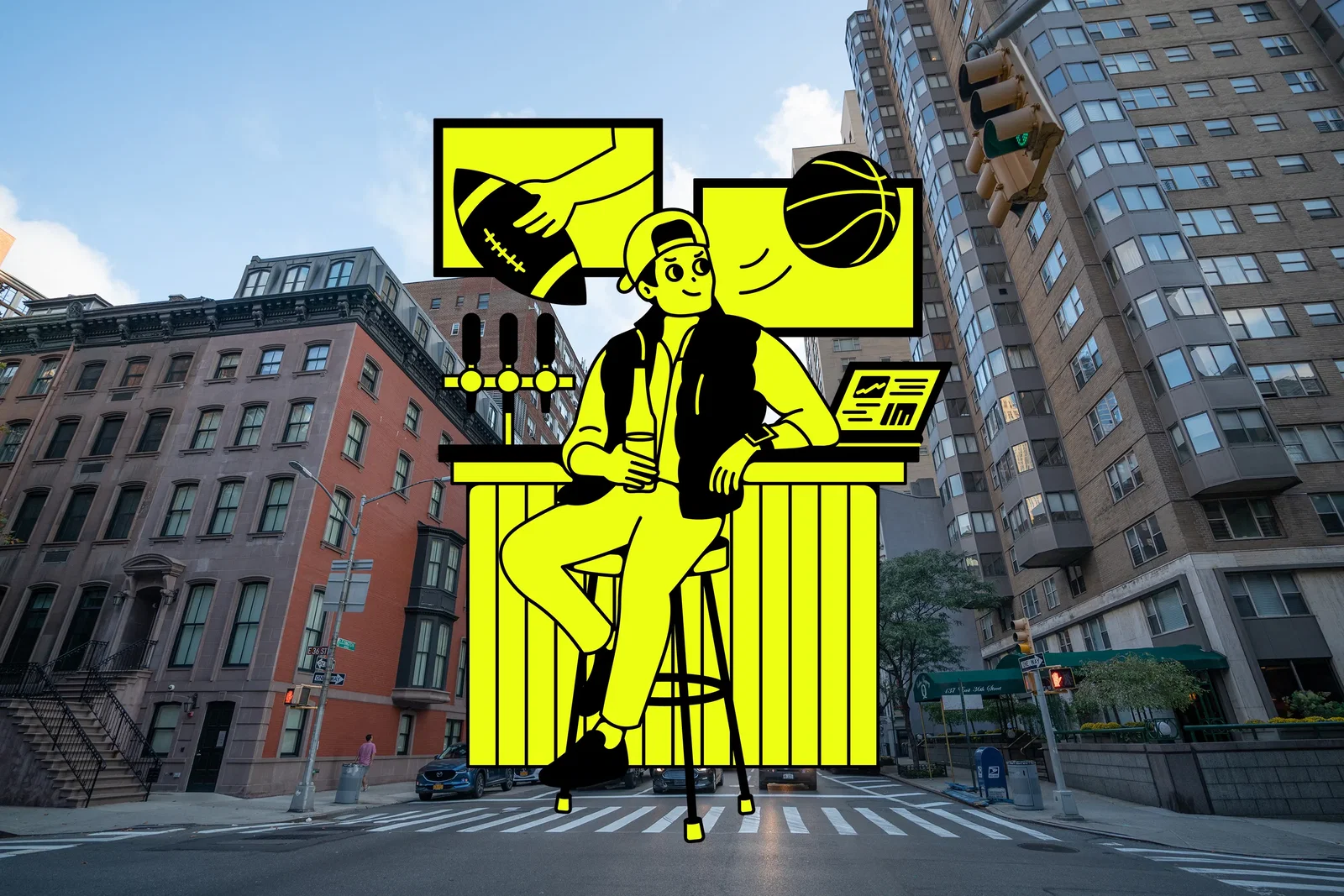
I was reminded of that moment reading Chris Bonanos’s roast of and tribute to his neighborhood of 35 years, Murray Hill, which I’ve always avoided lest I drown in a sea of Patagonia vests. Mindy Kaling’s recent not-so-good TV show set there, Not Safe for Work, did not disabuse me of this opinion. Chris doesn’t exactly disagree with my sentiment, but he persuasively makes the case that it’s one of the few spots in New York that has never been glamorized or lapsed into self-parody. That’s something I can appreciate even if I’m not planning on swinging by anytime soon.
One of your great skills as a journalist is as an archivist — for New York and for New York. What was it like to archive your own neighborhood?
My lived experience is increasingly a nostalgic one. When I moved there, it was an old-biddy neighborhood, and there were still remnants of the crummy Third Avenue scene. There was a saloon on 34th Street that had been there since the ’30s and was run by the third generation of the same family. It had a taxidermy moose head on the wall, and the inside was beat to hell. The striking thing was that somebody in the back knew how to cook. It was elevated pub grub. It was a pre–World War II experience of New York: quiet, dark. Neither of those things is true about a Murray Hill bar these days. That bar made it just about into this century, and then they tore it down and put up a high-rise.
After ragging on Murray Hill in the first part of the story, you arrive at quite a loving conclusion. How did you get there?
I figured it out while I was writing it. This neighborhood that a lot of people roll their eyes at is a much more pleasant and livable place than it gets credit for. I live in the middle of New York City — walk out the door, go around the corner, and there is the Empire State Building.
There’s a description in the piece of talking to a young Brooklynite, a co-worker, who rolls their eyes when you say “Murray Hill.”
It’s not you, but it could be. It could be. I get the look all the time. Maybe I’m a little boring too.
Your love, to me, seemed less about it being boring and more about it lacking pretension.
That’s it exactly. Murray Hill isn’t cuddly. If you want to get away from all the skyscrapers, live somewhere else. The point of New York is that it’s berserk.
Anything else about Murray Hill you wanna plug?
Kalustyan’s is the greatest grocery store in the world. It started out as an Indian spice shop and has since expanded to the entire swath of the world from Spain to Japan. The store has never failed me. I cook a lot, and periodically, I stumble into some cuisine where I don’t know what I’m doing and I need some ingredient I’ve never heard of. I walk in there and they have three kinds of it.
|
|
|
|
The Man Who Puts the ‘Bi’ in Biden? Hunter’s at it again.
|
Photo: Tom Williams/CQ-Roll Call/Getty Images |
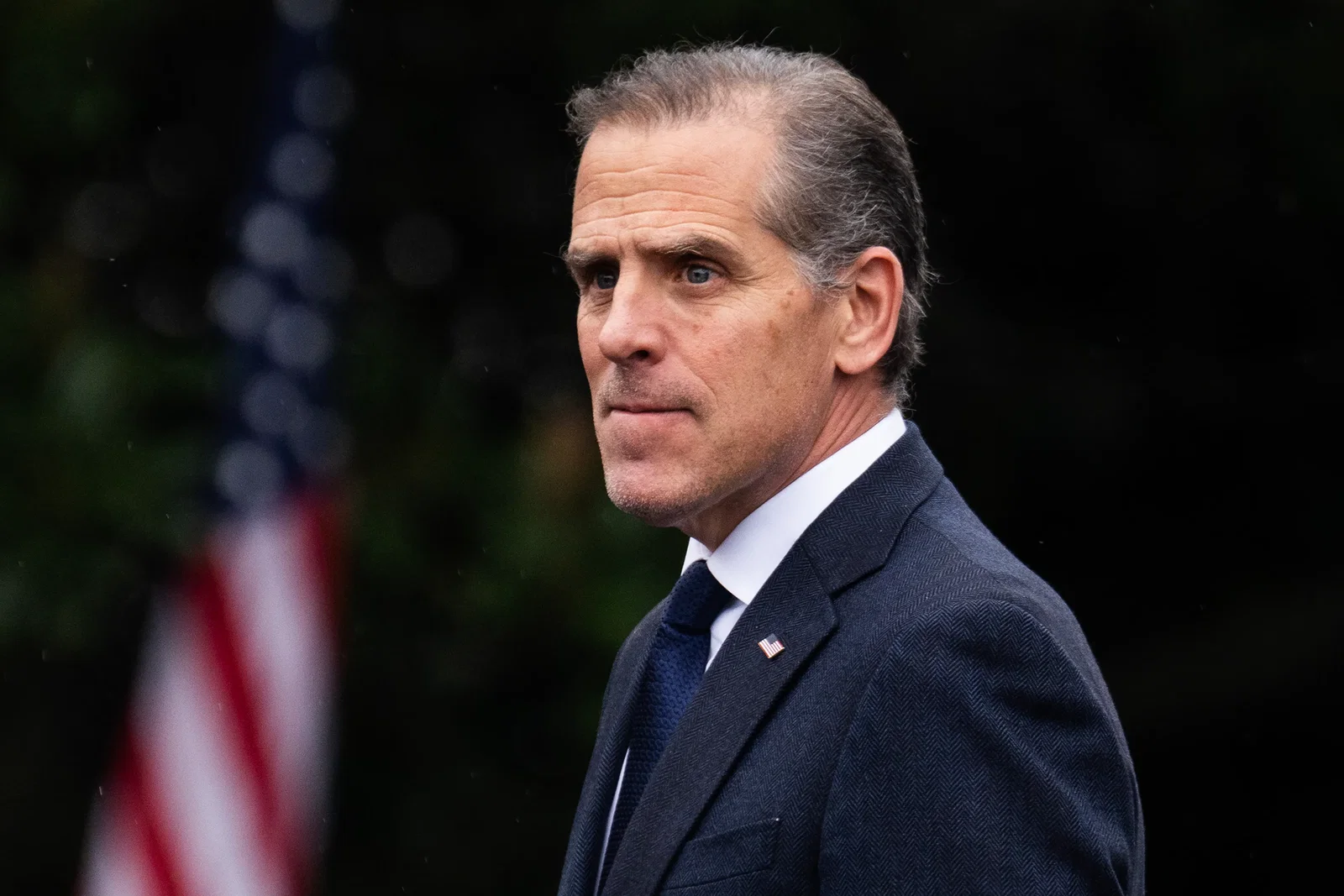
Hunter Biden, the only person to ever turn being a failson into an art form, is on a rebranding kick. His latest project is a Substack venture, which he largely uses to write quippy, tweet-long statements about addiction. One illustrative example, posted three days ago, reads: “Sometimes the best amends you can make are not words. It is getting up every day and trying to do the next right thing.” He’s posting about ten of those a day. But the self-help-guru pose of his newsletter is not the story most people are getting. No, that would come from the podcasts he’s appearing on to promote said Substack.
On Luke Beasley’s podcast, the host asked Hunter, “Are you gay?” to which Hunter replied, “Only a little bit,” approximating it to “48.6 percent.” He also told Luke he wasn’t his type: “A little bit more masculine would be my type, if I was gay.” The episode was released August 16, but it didn’t make much noise until media outlets happened upon it more recently — the New York Post wrote about it yesterday, and Entertainment Weekly hilariously took the angle that this was Hunter coming out. It is, of course, not that. Beasley is operating in the grand tradition of Between Two Ferns, asking an inappropriate question and seeing if the guest volleys it back. Hunter, it turns out, has enough life experience to play along. There’s a way to look at this through the lens of the entire Democratic Establishment: If Hunter were a politician whose off-the-cuff joke about being gay went viral two weeks later in the Post, you can imagine the Veep-esque flurry of staffers rushing to put the kibosh on the story. But Hunter doesn’t have to care, partially because he’s not worried about electability (obviously) and partially because it’s just not a big deal. He knows he’s not gay, he knows anyone who actually listened to the episode knows it, and he knows the joke doesn’t matter anyway. For what it’s worth, Democrats are constantly shouting about finding a “Joe Rogan of the left” — maybe they should just get Hunter on the horn.
|
|
|
|
Subscribe now to get unlimited access to everything New York, including subscriber-only newsletters, exclusive perks, the New York app, and more. |
|
|
|
Photo: Taylor Hill/WireImage |
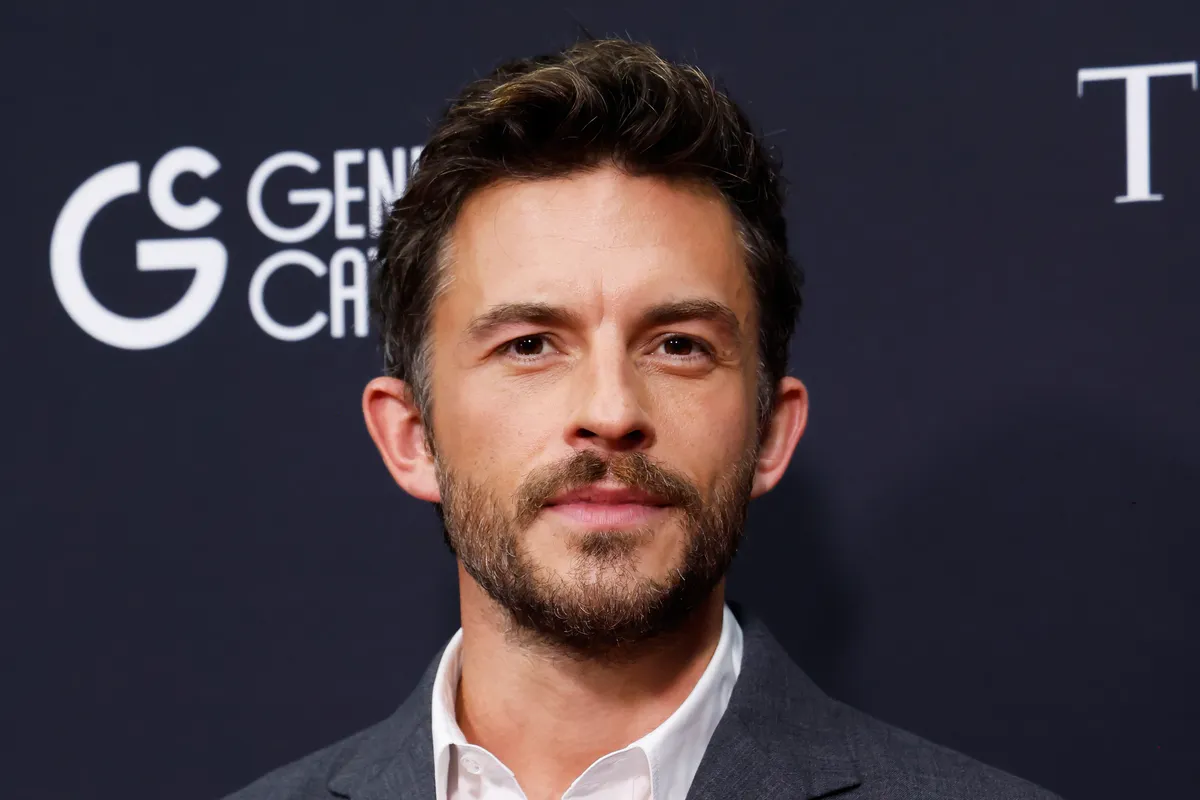
I’m a Sondheim-head: I read Daniel Okrent’s great biography earlier this summer, treated Sondheim’s own books as my high school bibles, and have hot takes for any related debate (Pacific Overtures? Well, it’s good!). So I was looking forward to seeing Ariana Grande and Jonathan Bailey take on Sunday in the Park With George in London. Like, I was planning to travel for it. Unfortunately, I never got the chance to buy tickets: Grande pulled out of the show on August 2, and last night, Bailey pulled out, too. The production is now likely to languish without any marquee stars attached.
Here’s the thing, though: These two likely were not quite right for the parts of George and Dot anyway. Grande’s onscreen persona, from Cat Valentine in the Nickelodeon show Victorious all the way through Wicked, is ditzy. Dot is whip-smart, and a classically “beautiful” voice, which Grande has, also doesn’t suit a character who’s insecure and streetwise. George, meanwhile, has none of Bailey’s charm. He’s a mess of a man who nobody really likes all that much except Dot, which is why it’s so tragic when he loses her by only paying attention to his work. If we do need to do an Elliott-directed Sunday, she should bring in the Company model and gender-swap it. Hear me out: Frankie Grande as Dot and Laurie Metcalf as George? Broadway would reel.
|
|
|
|
I’ll be back again tomorrow, and I promise to hit a 50 percent gay threshold. |
|
|
|
|
A weekly dispatch on the cultural discourse. |
|
|
|
https://link.nymag.com/oc/60bf85689b7a136e4b473b24s63w3.2u2/286880a9
|
|
|
|
|