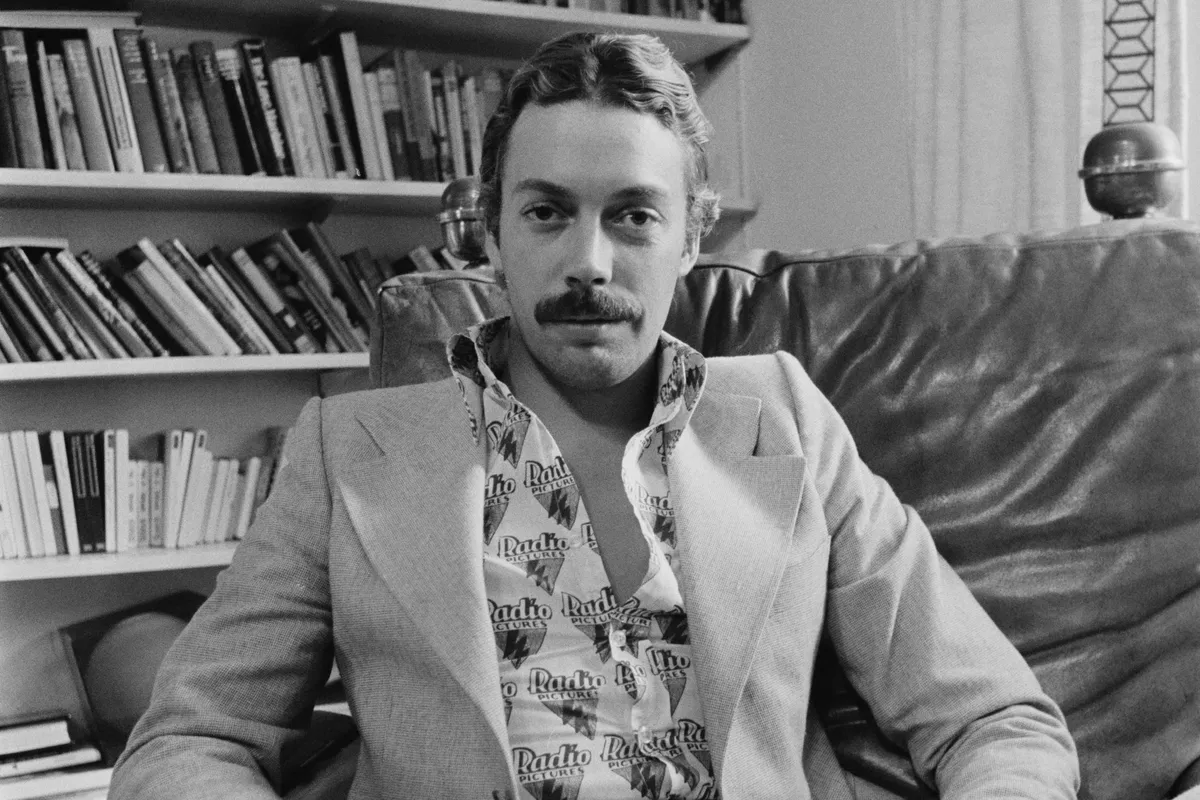
Remembering Dolly Parton (and Tim Curry), interrogating Thomas King, and releasing the full bush. |
|
|
|
Photo: Richard Avedon. © 1983 The Richard Avedon Foundation |
|
|
|
|
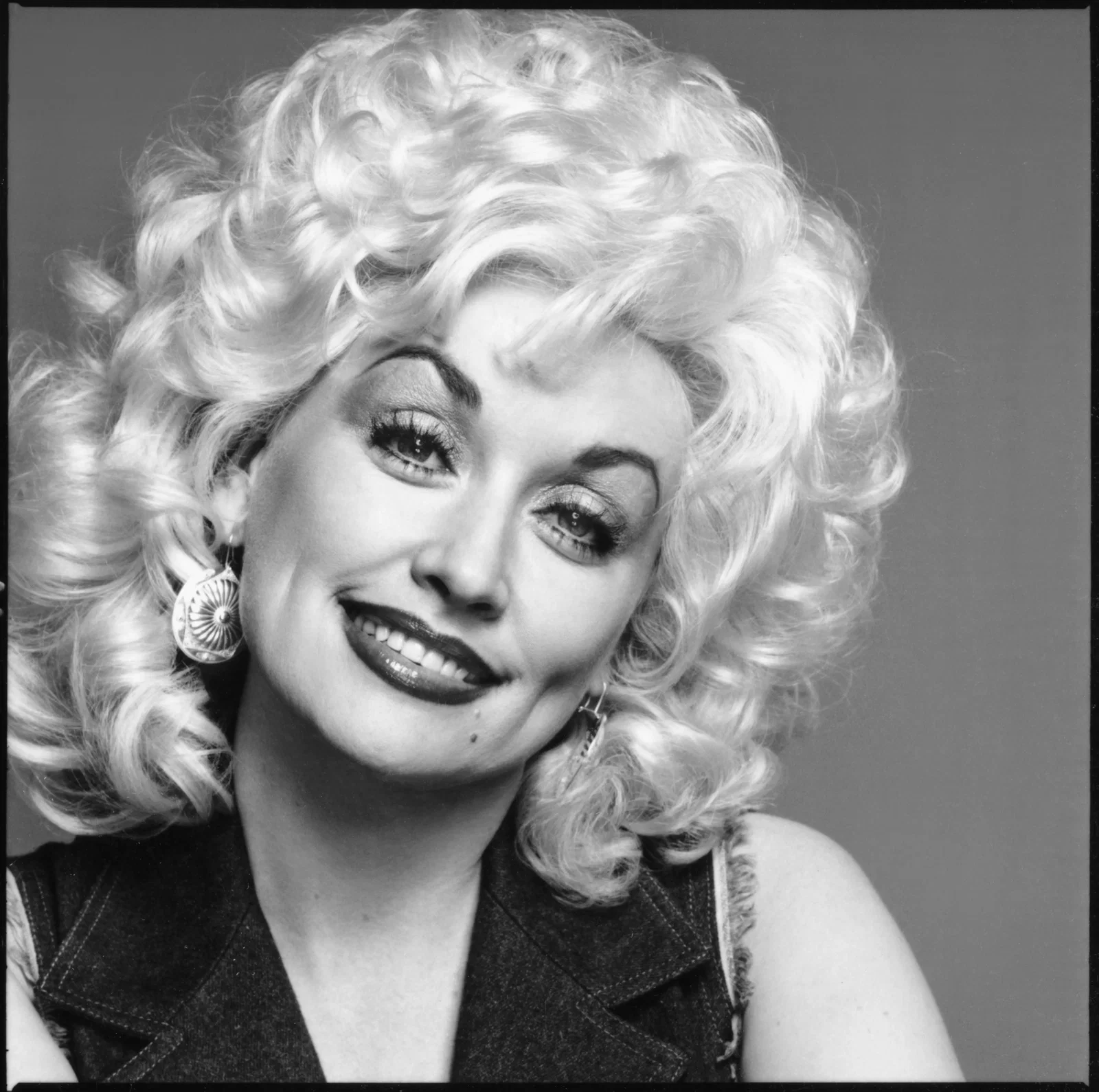
But as remembrances and surprising anecdotes pour out or recirculate — like Eminem and Three 6 Mafia both getting sweet notes of encouragement from the country superstar at one point or another — the vastness of Dolly Parton’s impact grows hard to keep track of. She helped get a COVID vaccine out faster by backing key medical research; she assisted families who lost homes in the 2016 Gatlinburg wildfires with getting back on their feet. We’ll spend the rest of the month unpacking all that was managed in her career but what has long been clear is that Parton represented the lasting good that’s possible in America.
|
|
|
|
Then, for a refreshing hit of levity as well as wisdom, we can revisit Tina Fey’s turn as a version of the singer on Girls5Eva. In the show, Sara Bareilles’s character, Dawn, hallucinates “Dolly” while attempting to write her first song, which isn’t going well. “The real Dolly wrote 5,000 songs before she had that magic day when she wrote two hits,” TV Dolly says, referring to the day when Parton wrote both “Jolene” and “I Will Always Love You.” It’s that old chestnut about harnessing the creative spark: Only begin. You might only have 4,999 more to go.
|
|
|
|
Photo: Courtesy of the Subject |
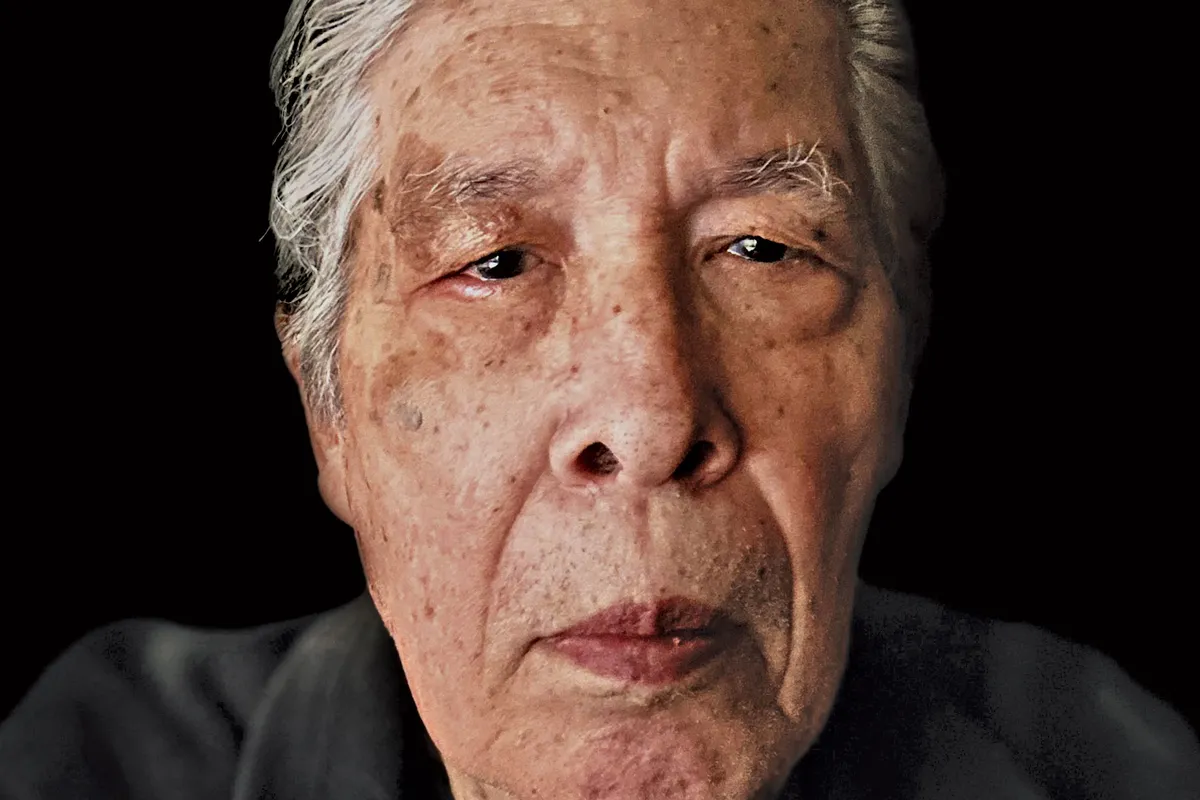
Imagine that your writing career and sense of self were founded on the idea that your father was Cherokee, and then, at 83, you — and the world — learned that you were actually white. That’s what happened to The Inconvenient Indian author Thomas King. “It’s like someone coming into your house and telling you the walls aren’t really there,” he tells author Tommy Orange.
|
|
|
|
|
So now I’m thinking, If the story we’re talking about is one his mother told him that happens to be untrue, but he built his life and identity and career on it, what is it then? Might there be writers who are actually Indigenous who could have told their stories in place of his, stories that would have meant more to their respective communities and to the wider community? His not being Native makes non-Native people question our authenticity, which is already an issue: outsiders deciding for us who the real Natives are, on a governmental, institutional level as well as on a basic social level. Non-Natives always seem overconfident of their qualifications for asking questions about our authenticity. Which ones are the real ones? everyone seems to be wondering in the back of their mind when the subject of Native people comes up. And it’s been happening since the myth of our vanishing — as if on our own or by natural, mysterious forces — took the place of the history of the genocide committed against us by the U.S. government as well as by its civilians
|
|
|
|
The question “What’s the real story, and who has the right to tell it?” is at the heart of a lot of memoir, and of a lot of critique of memoiristic writing. Always fascinating to me! |
|
|
|
Subscribe now to get unlimited access to everything New York, including subscriber-only newsletters, exclusive perks, the New York app, and more. |
|
|
|
Photo-Illustration: by The Cut; Photos: Getty Images |
Pubic hair is a polarizing issue, but lately the pendulum has swung back in the direction of the bush, with various TikTokers proudly flaunting un-expilated bikini lines. Kathleen Walsh has never been a fan of waxing and shaving, so she decided to embrace the trend and see what it felt like. |
|
|
|
|
I didn’t expect anyone in Cape Cod to point and shout at me like my aunt did, but I was sort of hoping to at least hear whispers from scandalized passersby. I wanted to report back that I looked in the face of grooming patriarchy and held my ground. But even my bikini-bush-fearing friends admitted that they’d never noticed anyone else’s bush at the beach or a pool. Maybe, like those other invisible shackles of a patriarchal society, pubic-hair maintenance is a form of false modesty that we absorb in childhood and then self-enforce for the rest of our lives.
|
|
|
|
This is valuable intel, but I enjoy my interactions with my waxing lady too much to quit her. |
|
|
|
Photo: Hulton Archive/Getty |
|
|
|
|
A weekly dispatch on the cultural discourse. |
|
|
|
https://link.nymag.com/oc/60bf85689b7a136e4b473b24s3xut.jt1/b4766a89
|
|
|
|
|