Today, we consider the celebrity neighbors we would tolerate, though they all seem to be abandoning us plebes for terrible condos. Also, a show and movie you should have already watched. |
|
|
|
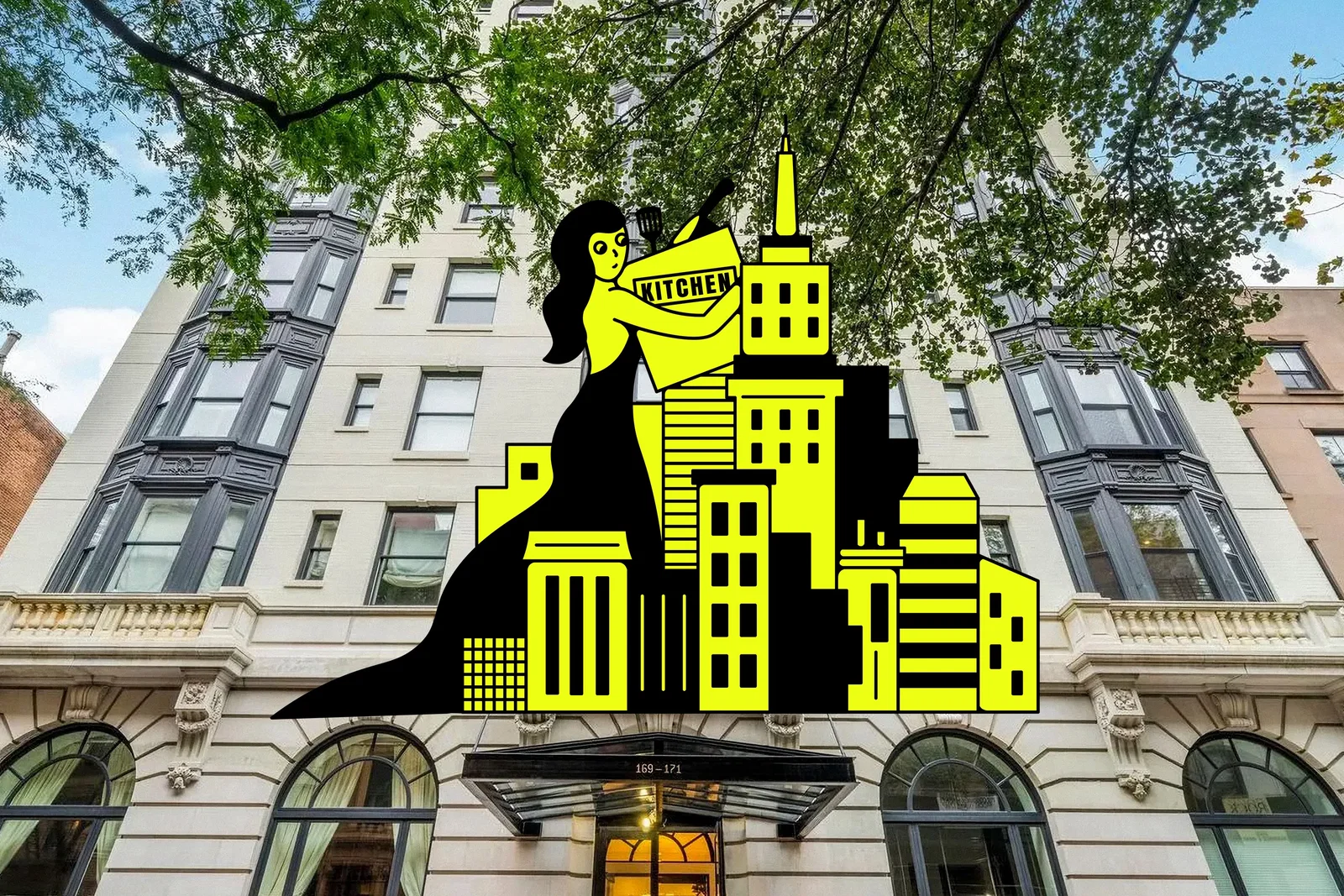
Illustration: Emma Erickson; Photo Courtesy of Compass |
I’ve always thought one of New York’s great little pleasures is getting to see celebrities around town enduring the same humiliations as the rest of us. Once I saw Hope Davis get off the subway, realize she was at the wrong stop, and get back on the subway — all I could ask for! But, according to Bridget Read, the celebrities who have the funds are retreating from view.
|
|
|
|
|
An explosion of residential development geared toward the ultrawealthy has led to more options for famous buyers that are becoming increasingly attuned to the specifications of their West Coast lifestyles: big spreads, tall gates, constant security, and, most unnervingly, driving everywhere. In other words, these parts of New York are starting to feel like miniature L.A.’s. “The city is developing these gated communities,” says Clayton Orrigo, a Manhattan broker who sells apartments in many of them. And when one celebrity buys somewhere, more follow. “There is a herd mentality. Once they feel safe in a building, their friends come.”
|
|
|
|
I find this to be profoundly against the vaguely egalitarian ethos of New York City life, where we are all subjected to minor surveillance by each other. (How else would we generate plotlines for future episodes of Only Murders in the Building?) Now, as Bridget has discovered on her tour of a few new constructions so secretive she couldn’t make it past the lobby, those who can are forgoing even the group humiliation of a co-op board interview to buy homes through LLCs that have underground parking and private elevator banks. Apparently, that’s the ultimate perk for the increasingly antisocial elite: “Residents almost never have to ascend with their neighbors.”
|
|
|
|
Photo: Disney/Sarah Shatz/Disney |
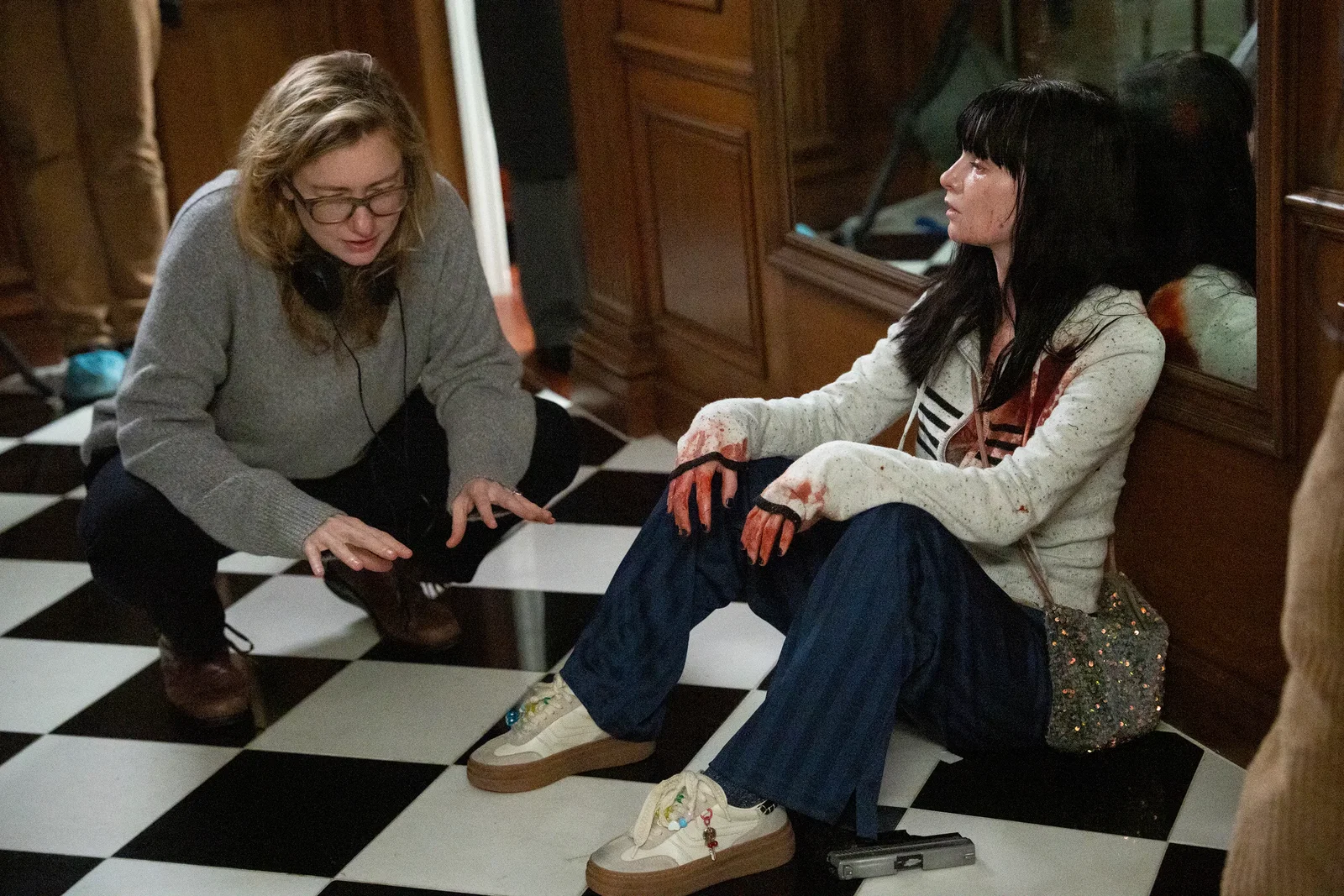
Sure, Sunday night’s Lanterns on HBO introduced an alien Laura Linney to the DC Universe, but the must-watch Sunday show for the last few weeks has definitely become the intense, Epstein-haunted cop drama Furious, created by Liz Meriwether. She and Emmy Rossum talked to Roxana Hadadi about how the show’s big finale came together and what might be in store for season two:
|
|
|
|
|
Speaking before the renewal, Meriwether was excited and hesitant to return to the story, especially because a second season would require her to answer questions she’d like to leave up to interpretation. “I am a little terrified, because it’s been a while since I’ve had to do another season of something,” she says. “It’s fun to go out and be like, I don’t have to make the decisions. You get to take away from it what you want to take away from it. Season two, you have to come down on one side of it more.”
|
|
|
|
It’s fun to remember that the show Meriwether is talking about is the great, goofy sitcom New Girl. And before Furious, she also did the Elizabeth Holmes limited series The Dropout and the cancer dramedy Dying for Sex. That’s some range! (And she’s also working on a Britney biopic.) Personally, I’d like someone to give Meriwether a chance to revive some of the plays she wrote before going Hollywood. Don’t you want to see the one about a housewife who’s kidnapped and forced to perform Hedda Gabler for alien robots?
|
|
|
|
Subscribe now to get unlimited access to everything New York, including subscriber-only newsletters, exclusive perks, the New York app, and more. |
|
|
|
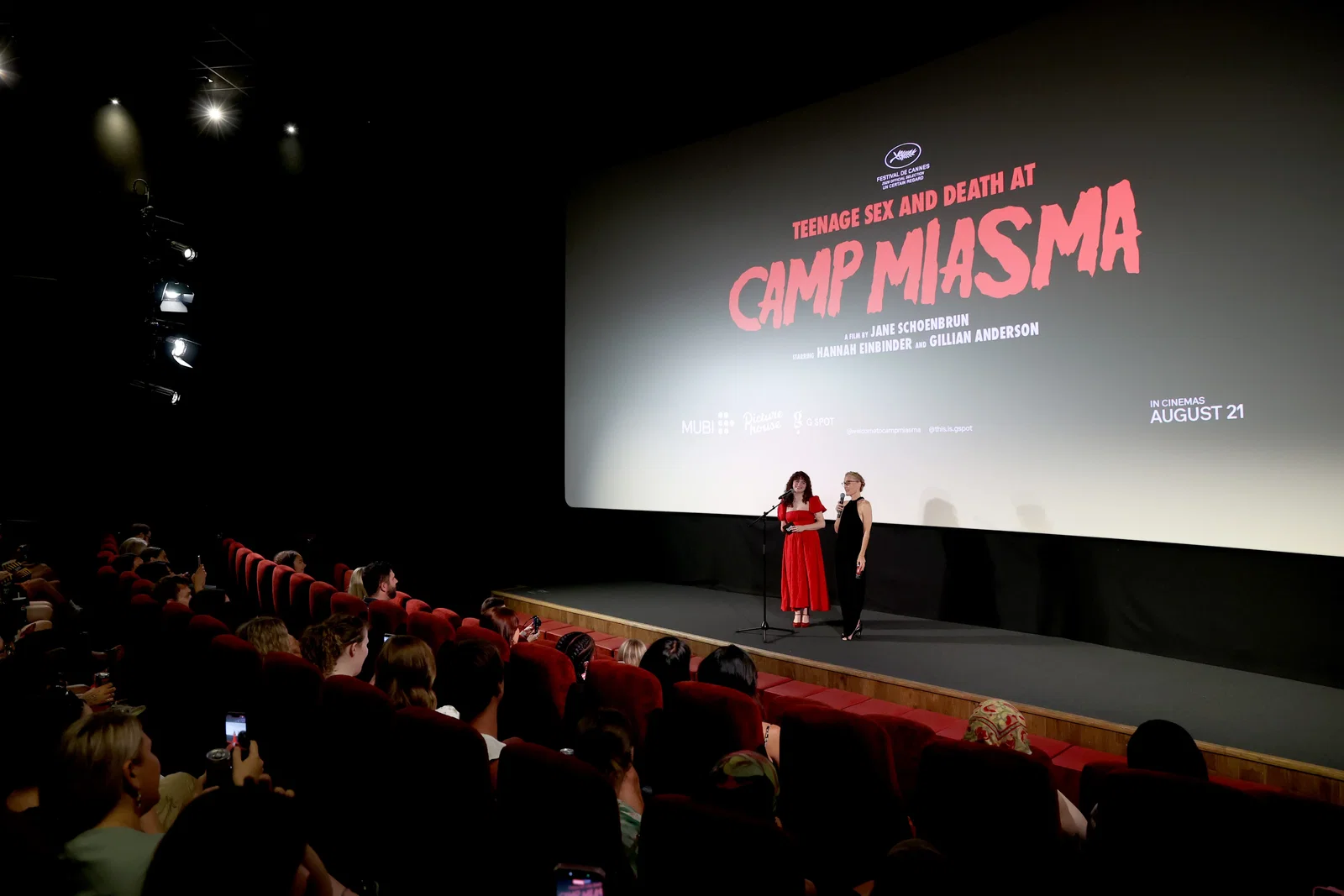
Photo: John Phillips/Getty Images for G Spot/MUBI/Picturehousr |
Never mind The Odyssey. The end of the summer’s big talking-point movie, at least in my circles, is Jane Schoenbrun’s Teenage Sex and Death at Camp Miasma. Winkingly fun? Totally cloying? Really compelling except for a Gillian Anderson performance that reveals she, like so many actresses before her, has fallen into the trap of playing Blanche DuBois onstage and has not figured out how to leave the character behind? Well, that’s my personal opinion. But the biggest surprise of all is that it’s actually getting people into seats, at least on an indie scale, writes Chris Lee.
|
|
|
|
|
Camp Miasma cracked the top ten among new titles in wide release earlier this month (with $6.4 million in global ticket sales) and currently stands at No. 3 on Letterboxd thanks to brokering a strong connection with what Goldman refers to as an “underserved” fandom. “If I had to describe them, they’re a lot younger than a lot of other moviegoers,” he says. “They are cooler, they are more urban. More artistic-leaning, more queer-leaning. Chronically online. And for sure more vocal. There aren’t a lot of movies for this audience.”
|
|
|
|
Turns out an “if you build it, they will come” approach works for this kind of film, which is very much about what it means to give audiences and characters genre satisfaction. |
|
|
|
Photo-Illustration: New York Magazine; Photo: Mark Seliger |
|
|
|
And that’s it for me! Tomorrow, you’re in the good hands of my Vulture colleague Jason P. Frank. |
|
|
|
|
A weekly dispatch on the cultural discourse. |
|
|
|
https://link.nymag.com/oc/60bf85689b7a136e4b473b24s5u2k.lcq/668e83dd
|
|
|
|
|