Whether you’re in literal prison like Sam Bankman-Fried or the self-imposed prison of professionally performative domesticity like Hannah Neeleman, we can learn something from you! What, exactly, is TBD. |
|
|
|
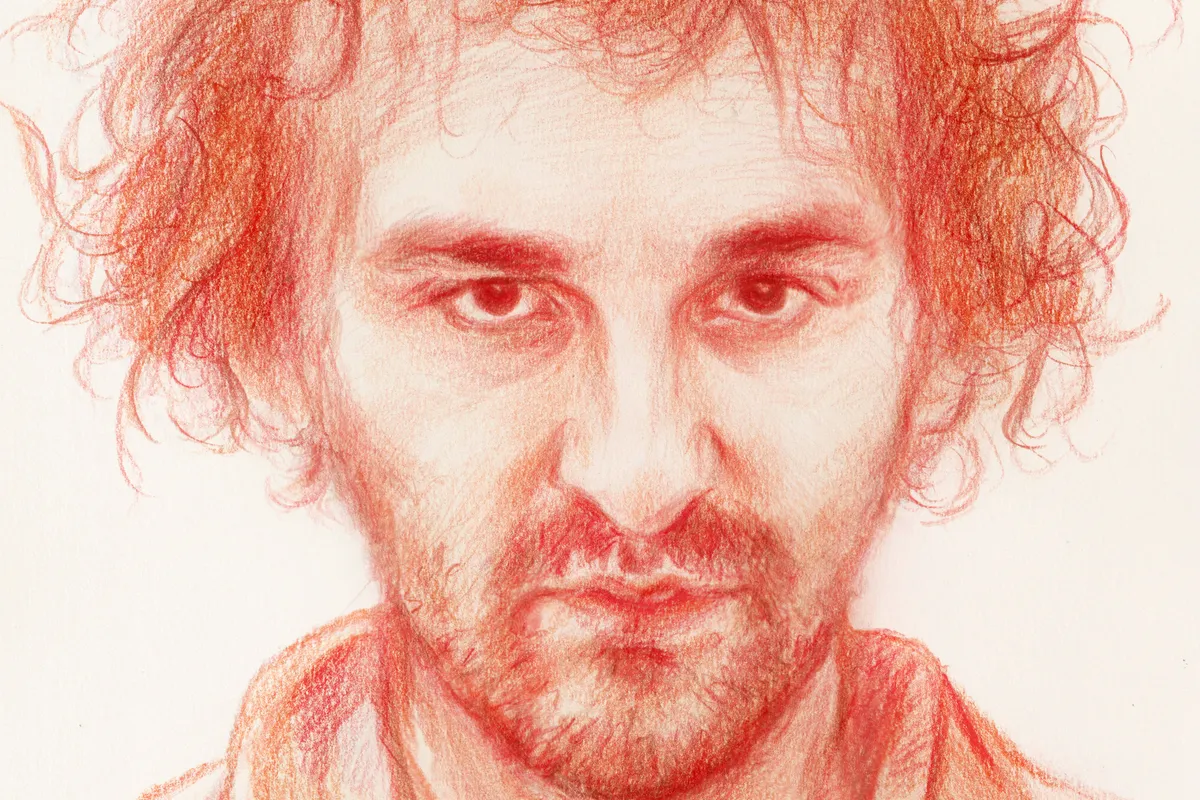
Illustration: Iris Legendre |
|
|
|
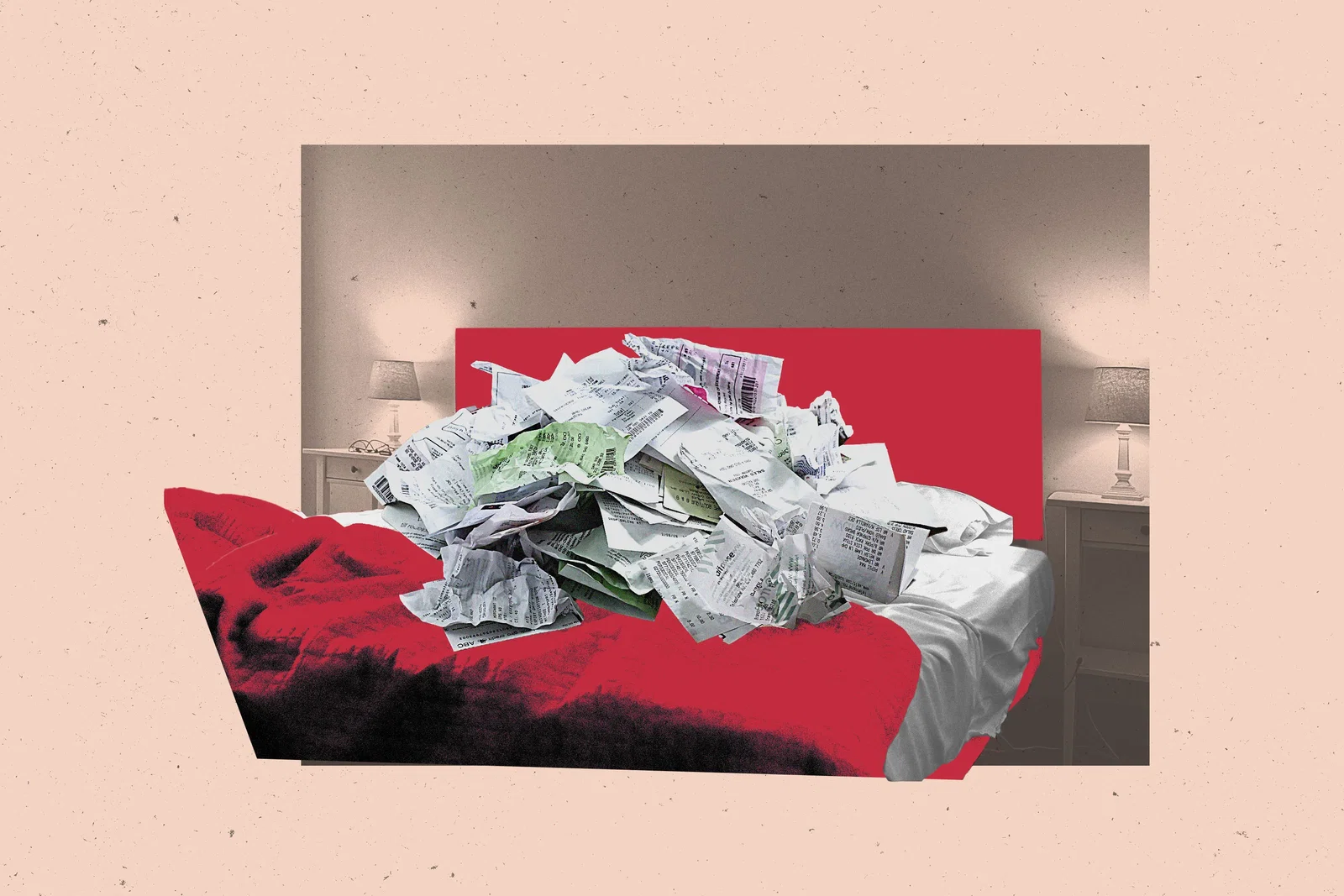
He did, yes, defraud investors to the tune of $8 billion and is currently serving a 25-year sentence. But there’s no denying that, as Simon van Zuylen-Wood reveals in great detail, Sam Bankman-Fried has an original and brilliant mind. At the moment he’s using it to send 30 lucky correspondents regular dispatches, read escapist books, and provide amateur counsel to his fellow inmates. He’s also exploring every possible avenue for getting out of jail, whether by legal means or presidential pardon. To the latter end, he’s publicly pivoted to being a pro-Trump Republican. A dedicated website and a mysterious proxy X account are mounting a PR offensive to revise his public image with mixed results.
|
|
|
|
|
The typical response to a social-media post by Bankman-Fried is some variation of “Rot in jail forever, dude.” Still, some revisionist SBF commentary has been popping up in mainstream outlets such as CNN and Puck. In May, after Drake dropped a song with the lyric “Samuel Bankman, free all my guys up,” Bankman-Fried’s account tweeted at him, “when I get out, I can loan you my bean bag chair.” As of this spring, FTX’s estate has disbursed more than $10 billion to victims via bankruptcy proceedings and is sitting on several billion dollars more in recovered assets. As Bankman-Fried has been using his PR offensive to point out, this means a vast majority of defrauded customers are being paid back with interest. He is also egging on the semi-ironic SBF boosters who now hail him as a venture-capital legend based on his pre-downfall portfolio of investments in start-ups such as Robinhood and Anthropic. The nearly 8 percent, $500 million stake Alameda purchased in the then-little-known AI lab in 2021 would now be worth something like $80 billion if it hadn’t been sold off in bankruptcy.
|
|
|
|
Is having Drake on your side a good thing? A little bit of an “it gets worse, Jameela Jamil just defended you” situation. |
|
|
|
Subscribe now to get unlimited access to everything New York, including subscriber-only newsletters, exclusive perks, the New York app, and more. |
|
|
|
Photo: Michael Friberg for New York Magazine
|
|
|
|
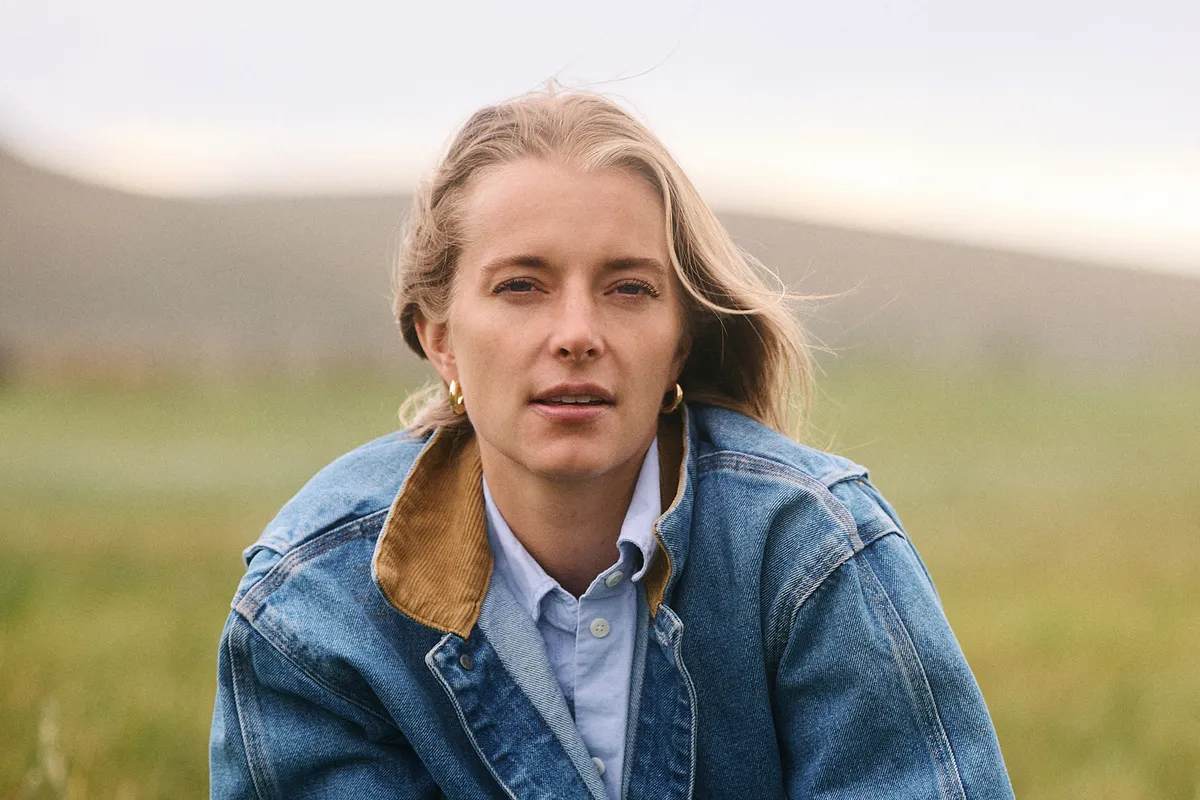
Hannah Neeleman is, to put it mildly, a polarizing figure: The Mormon former ballet dancer has turned her Utah farm, where she and her JetBlue-heir husband, Daniel, are raising their nine children, into a cottage industry, producing not only Instagram content but also Ballerina Farm–branded products like bovine-colostrum protein powder and dye-free electrolyte powder. She recently spoke, very carefully, to Stephanie McNeal.
|
|
|
|
|
Before tradwives, it was the mommy-blogger phase, right? People have always been fascinated with mothers making money being at home with their children. With online discourse, women feed off that negative energy sometimes and that’s why things blow up. I honestly stay away from it as much as I can. So when the term tradwife comes up, or I’m seeing things about Yesteryear, I don’t lean into them. I don’t think women who want to work are winning. I don’t think mothers are winning. In fact, I think it’s a step backward. If someone wants to be a mother, great. If someone wants to be a mother and sell sourdough-bread kits, great. We have to support and cheer each other on even if it doesn’t look like what our home life looks like.
|
|
|
|
Do we feel obligated to “cheer on” someone who propagates a narrative that women who enjoy working and spending time away from their children are “outsourcing” motherhood? Perhaps not. |
|
|
|
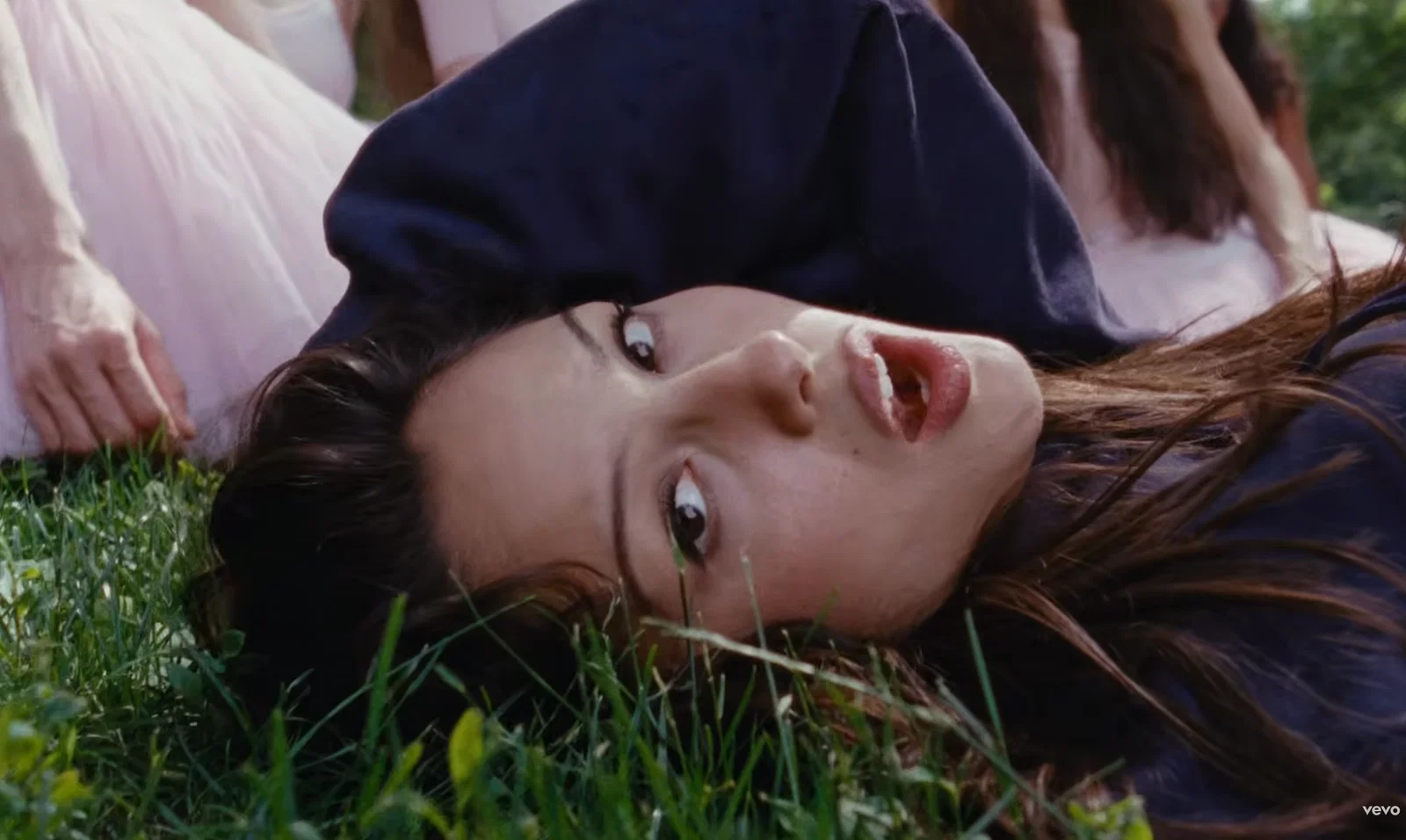
Photo: Olivia Rodrigo via YouTube |
|
|
|
Traditionally, one’s third album is a time for sonic reinvention, but it’s hard to push the envelope too far without alienating fans, Craig Jenkins writes. By shifting her influences subtly from the ’90s to the ’80s, Rodrigo has managed to thread that needle. |
|
|
|
|
Sad doesn’t ditch the balladry and brusque rockers that yielded hits like the hushed “Drivers License” and the harsh “Brutal.” Instead, it bakes the usual ingredients of a Rodrigo work — fluttering vocals, feelings of abandonment, occasional fuzz tones — down into a more cohesive confection of bittersweet, maximalist pop-rock that largely borrows from the ’80s. It’s an autobiographical concept album about the thrills and chills of life with a partner who turned out to be a mismatch. Less reliant on abrasive rock tones, her sound loses some urgency, but she fights to make up for the album’s more restrained approach with laser-guided storytelling. Sad may not reach the heights of her previous projects, but it is a ferocious showcase of her strengths.
|
|
|
|
I can’t stop listening to it for whatever reason, so good job to all concerned.
|
|
|
|
Photo-Illustration: The Cut; Photos: Getty |
|
|
|
My favorite song on Sad today is “u+me=<3.” |
|
|
|
|
A weekly dispatch on the cultural discourse. |
|
|
|
https://link.nymag.com/oc/60bf85689b7a136e4b473b24rhx8a.cu2/572e9f77
|
|
|
|
|