We don’t call Twitter “X,” and we won’t be using an umlaut to refer to Jay-Z. Sorry to that man. Also today: Ikea and Prada, a very Tina Brown mix of high and low. |
|
|
|
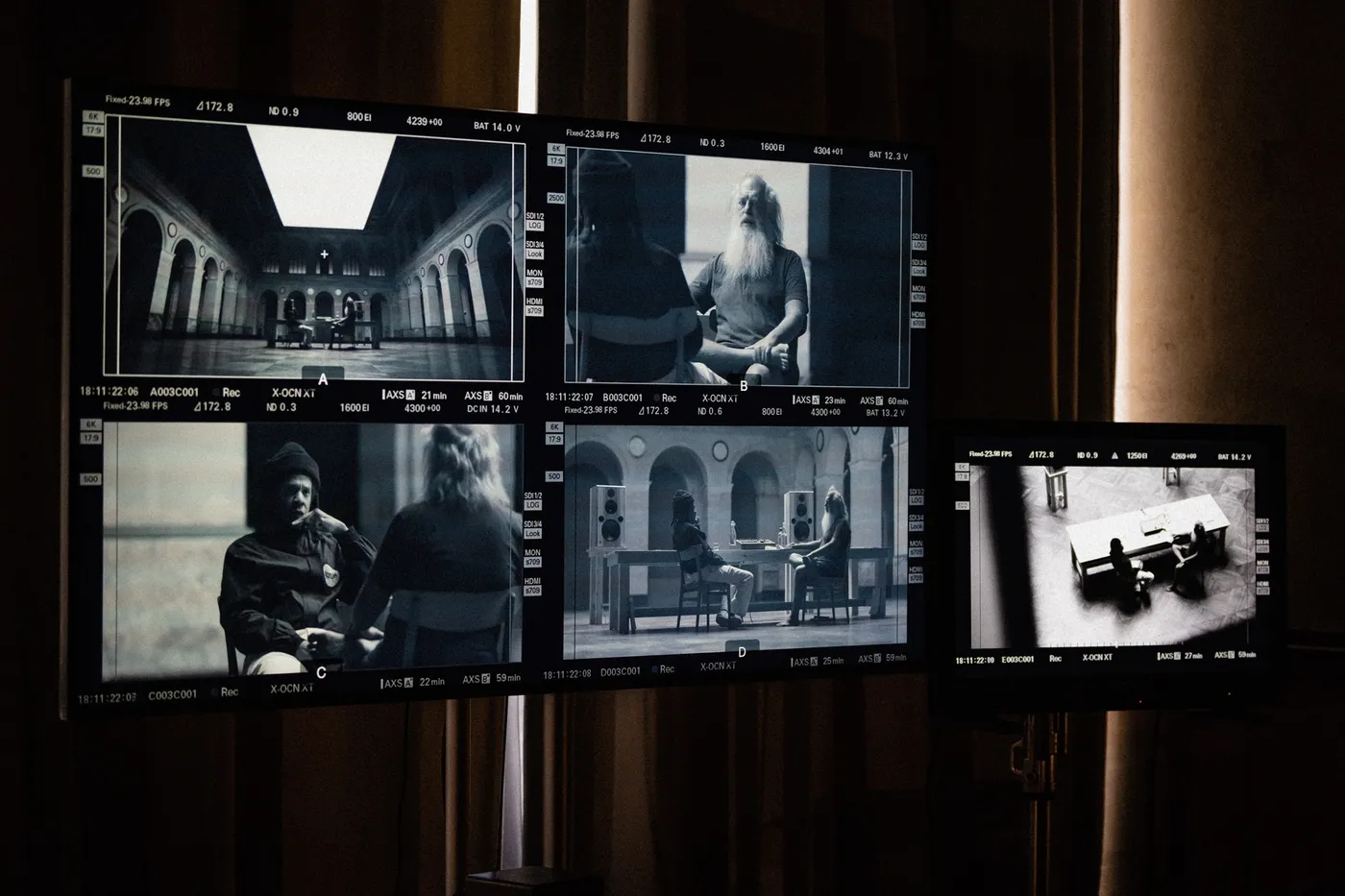
Jay-Z may now be styling himself in all caps with an umlaut over the Y, but there’s not a ton of new stuff going on with him otherwise. Still, for fans like Craig Jenkins, an eight-hour series of interviews with Rick Rubin is a must-see, even though fresh revelations are few and far between. |
|
|
|
|
His recollections of the plights of the men in his family — an absent father, a murdered uncle, a preacher-pederast grandfather — correspond darkly with the playback of songs about the rapper warring with his own recklessness. We learn, for example, that the dreadlocks JAŸ recently shaved in a promo for Beyoncé’s Cécred brand were saluting his misunderstood Uncle Ray, a health fanatic ridiculed by the family for the same hairstyle. To Rubin’s credit, the vibe-y “How did it feel” nature of his questioning, alongside his chronologically jarring song selection, teases out JAŸ’s familial trauma. He makes JAŸ listen to the title track of his 2017 near-divorce chronicle, 4:44, for what he claims is his first time since recording it. But the doc often relies on how well known these stories are to get out of JAŸ spelling out their grim particulars. It’s a matter of public record that 4:44 is a rejoinder to Beyoncé’s Lemonade that essentially accepts responsibility for his infidelity. We get details about the creation of the song but no further insight into why it exists.
|
|
|
|
Craig suggests that accepting the documentary as a “legacy play” is key to enjoying it. |
|
|
|
Illustration: Fromm Studio |
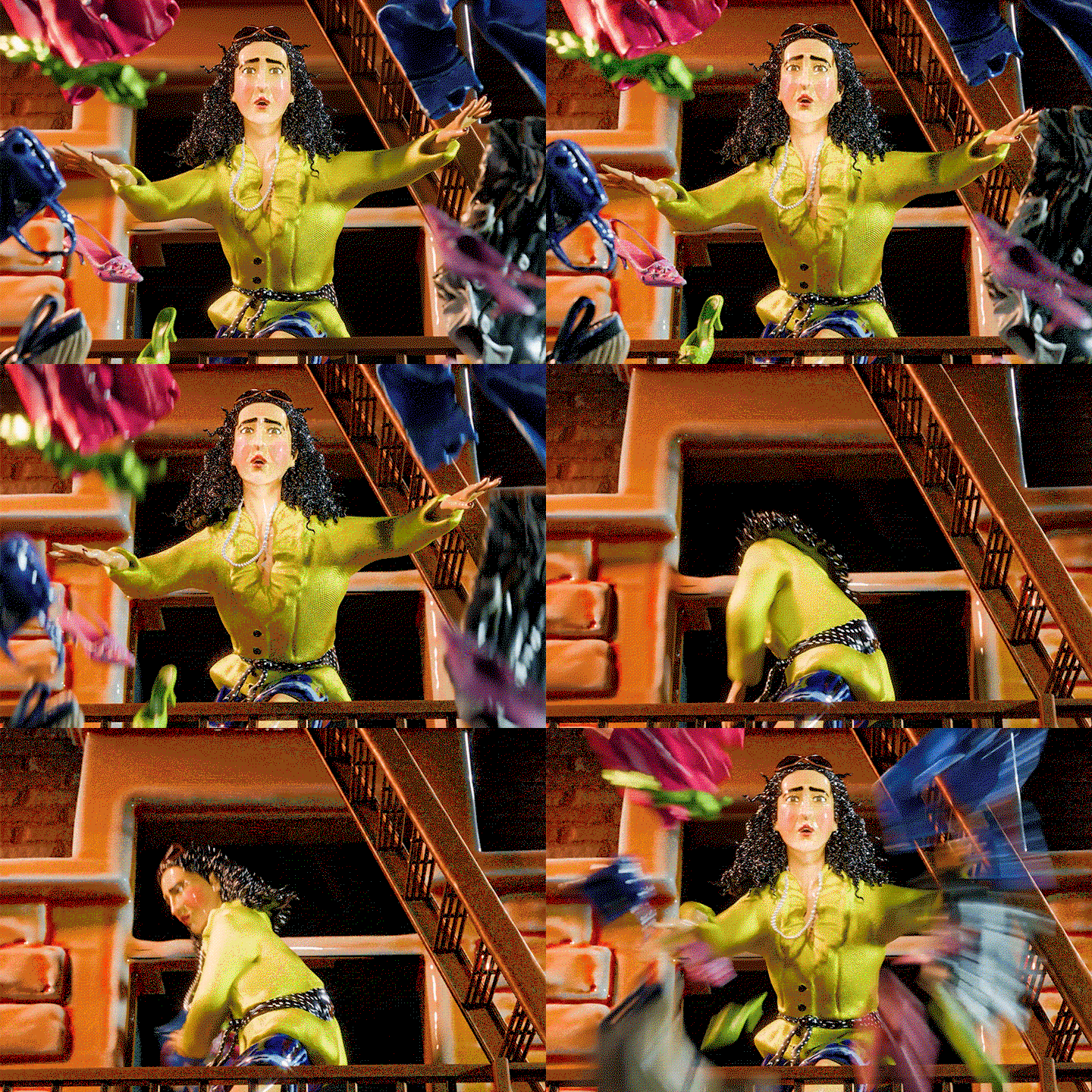
An interesting phenomenon in the fashion world: Shoppers who have longstanding relationships with, say, The Row or Everlane are working through their “breakups” with their favorite brands in public. Emilia Petrarca had a recent come-to-Jesus moment about her longtime fave when a security guard turned her away from the Prada store in Milan, even though she’d been on the verge of dropping serious cash on a bag.
|
|
|
|
|
When I first discovered Prada in my mid-20s, it felt like meeting my sartorial soul mate. My whole life I’d been reluctant to embrace my femininity, and finally I found a black nylon version I could relate to. (One of Prada’s best-known commandments is that ugly is attractive.) I’d also felt embarrassed about my love of fashion, and here was a designer who claimed to feel the same way. “Doing clothes [while coming from] a group of very important intellectuals — for me it was like a nightmare,” Prada told Vogue of her decision to join her family’s business after a stint as a member of the Italian Communist Party (and five years of training to be a mime). “I work for a luxury company,” she continued, reportedly laughing at the irony. “It’s not perfect for a political position like mine — this was always the biggest contradiction in my life.”
Permission to luxuriate in this contradiction is what every shopper is looking for — and, of course, it is effective advertising. Prada’s strangely titillating designs may make me feel like the smartest, most interesting, most better-than-you version of myself. But the cumulative experience of being a fan often leaves me feeling foolish. (After all, Miuccia Prada is herself worth over $4 billion. “How good of a person do you expect her to be?” asks the newsletter Blackbird Spyplane.) Brands today ask customers for unprecedented levels of loyalty in the form of pre-spend requirements, sales-associate relationships, and a whole lot of waiting but then leave us out in the cold, desperate to figure out what we did wrong. I’m not alone in wondering, How much humiliation are shoppers willing to tolerate?
|
|
|
|
Ultimately, Emilia finds that the same kind of emotional loyalty that lingers after a breakup might make her willing to go back for more humiliation. And more lip-print skirts. |
|
|
|
Subscribe now to get unlimited access to everything New York, including subscriber-only newsletters, exclusive perks, the New York app, and more. |
|
|
|
Photo-Illustration: The Strategist; Photos: Retailers
|
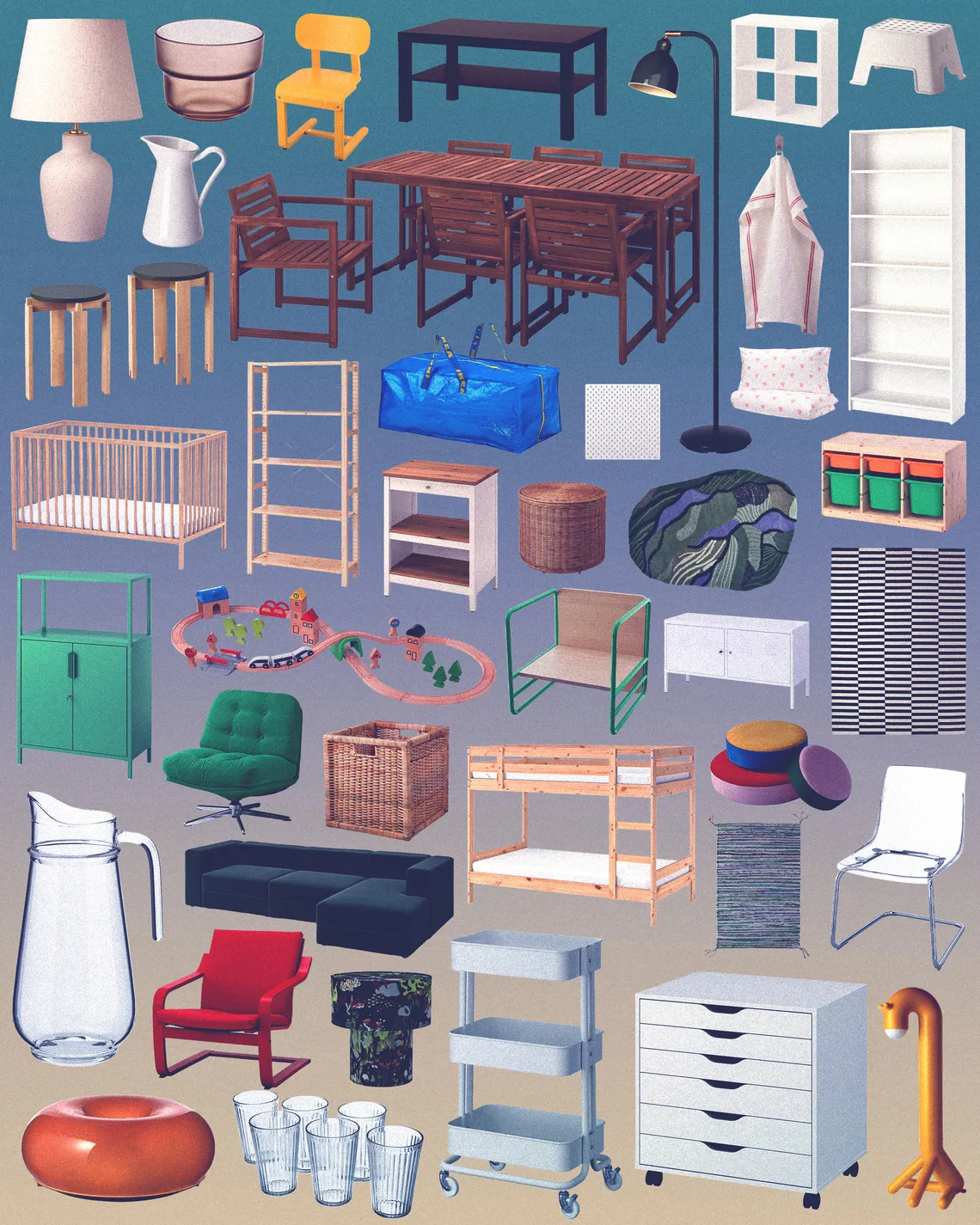
Some things are inevitable, like death, taxes, and Hudson Williams appearing in this newsletter at least once a week. Another: Ikea furniture. You own some, and at some point you will buy more. Whether it’s a storage bin, a ubiquitous stepstool, or an unexpectedly gorgeous linen lamp, Lauren Ro has you covered with this guide to 100 of the Ikea items that Strategist staffers actually own and love. The absolute must-have: the $1 Hildegun dishcloth.
|
|
|
|
Photo: Taylor Hill/FilmMagic |
|
|
|
|
A weekly dispatch on the cultural discourse. |
|
|
|
https://link.nymag.com/oc/60bf85689b7a136e4b473b24scf7o.883/5052ff53
|
|
|
|
|