Today, we’ve got some homework for you: a new album to listen to, lots of old articles to read, and a reinvented classic dish to try. |
|
|
|
Slovakia’s Madonna Comes to the Rescue Adéla’s new album is an antidote to this summer’s pop malaise.
|
Photo: Simone Joyner/ Getty Images |
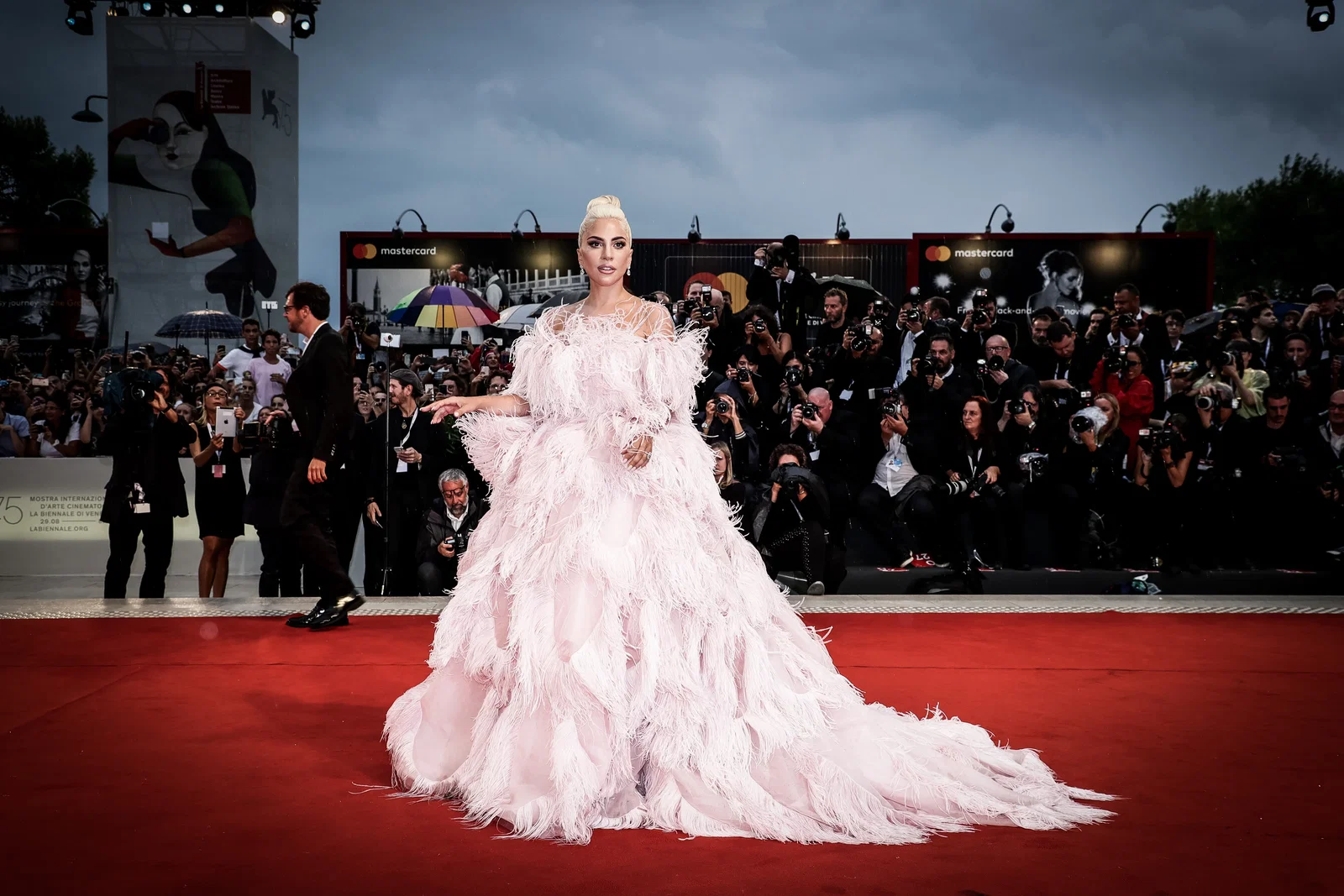
In a world where anybody can become famous through social media, why does it feel like the majority of the rising pop stars only got there through familial connections and wealth? “Boston” singer Stella Lefty’s father is a billionaire; Gracie Abrams’s father is J.J. Abrams; Audrey Hobert got a record deal after working with her good friend Gracie, whom she met at their fancy L.A. high school.
It’s not that these aspiring stars are bad (although …), but there’s a distinct lack of passion in their records. When I listen to pop music, I want to get blasted through the chest by sheer determination. Enter Adéla, a Slovak singer whose debut album, Prima, is out tonight and who has a real shot at becoming the pop star the internet generation deserves.
Adéla got started on the competitive reality series Pop Star Academy, which cast girls from around the world to join what turned out to be Katseye. She was the hardest-working contestant and probably the most well rounded, but she was cut after one round of fan voting. She has since pivoted away from the middle-school pop of Katseye to make music about her own ambition, picking up moves from the modern stan-centric internet along the way.
The lead single off her new album, “KGB,” doubles as an origin story. It’s an aggressive dance-pop track with a hypnotic beat that gives way to a violent chorus designed to make gay guys punch holes in their walls. It chronicles her growing-up phase — religiously memorizing the ways of American pop music while stranded in Eastern Europe. The most compelling lyric comes in the prechorus, when the vocal effects leave her and she shouts about her Roxie Hart–esque relationship with fans: “You want a pop star with a big bra for them big hits / I wanna pop off so these big mouths can’t say shit.”
The other single worth mentioning is “Ain’t in LA,” where Adéla sings of being the ultimate outsider: “She shares a room with her younger brother / Clothes secondhand from her best friend’s mother / Cut ’em all up, yeah, she got her own style / Madonna on the wall next to Destiny’s Child.” The downbeat album closer reminds me of the thrilling Midwest-rooted pop music of Slayyyter and Chappell Roan, two other recent phenoms who would probably co-sign Adéla’s boast: “The baddest bitches ain’t in L.A.”
|
|
|
|
Photo: ©Mary Ellen Mark, Courtesy of The Mary Ellen Mark Foundation |
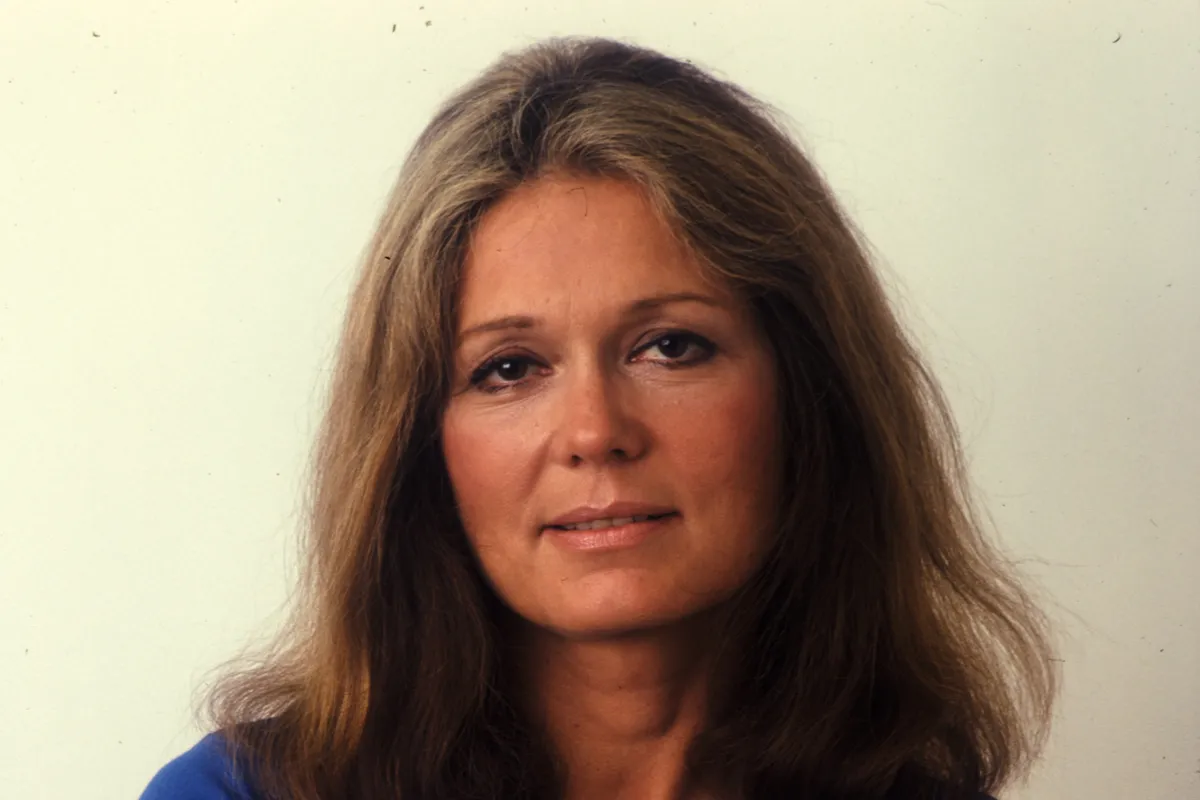
Much ink will be spilled over the coming days about the legacy of Gloria Steinem. But I recommend starting with our oral history of Ms., which was originally published as an insert in New York, and this primer on Steinem’s writing in our pages. But for the most clear-eyed tribute, go to Rebecca Traister, who poignantly remembers Steinem’s contributions to the feminist movement without losing sight of her flaws.
|
|
|
|
|
It is also true that despite her intellectual commitments and work alongside Black activists, Steinem was capable of spectacularly white fuck-ups. In 2008, after Hillary Clinton’s Iowa caucuses loss to Barack Obama, she published an op-ed in the New York Times titled “Women Are Never Frontrunners.” It began by imagining a female version of Barack Obama (as if ambitious Black female politicians did not exist in real life and had to be conjured) and made a blunted, largely ahistorical argument about Black men breaking political barriers before women, noting that Black men had won the vote before women of any race without mentioning the violent state-enforced voter suppression that disenfranchised Black voters throughout the Jim Crow era, setting up a false and distorted hierarchy of oppressions.
|
|
|
|
Subscribe now to get unlimited access to everything New York, including subscriber-only newsletters, exclusive perks, the New York app, and more. |
|
|
|
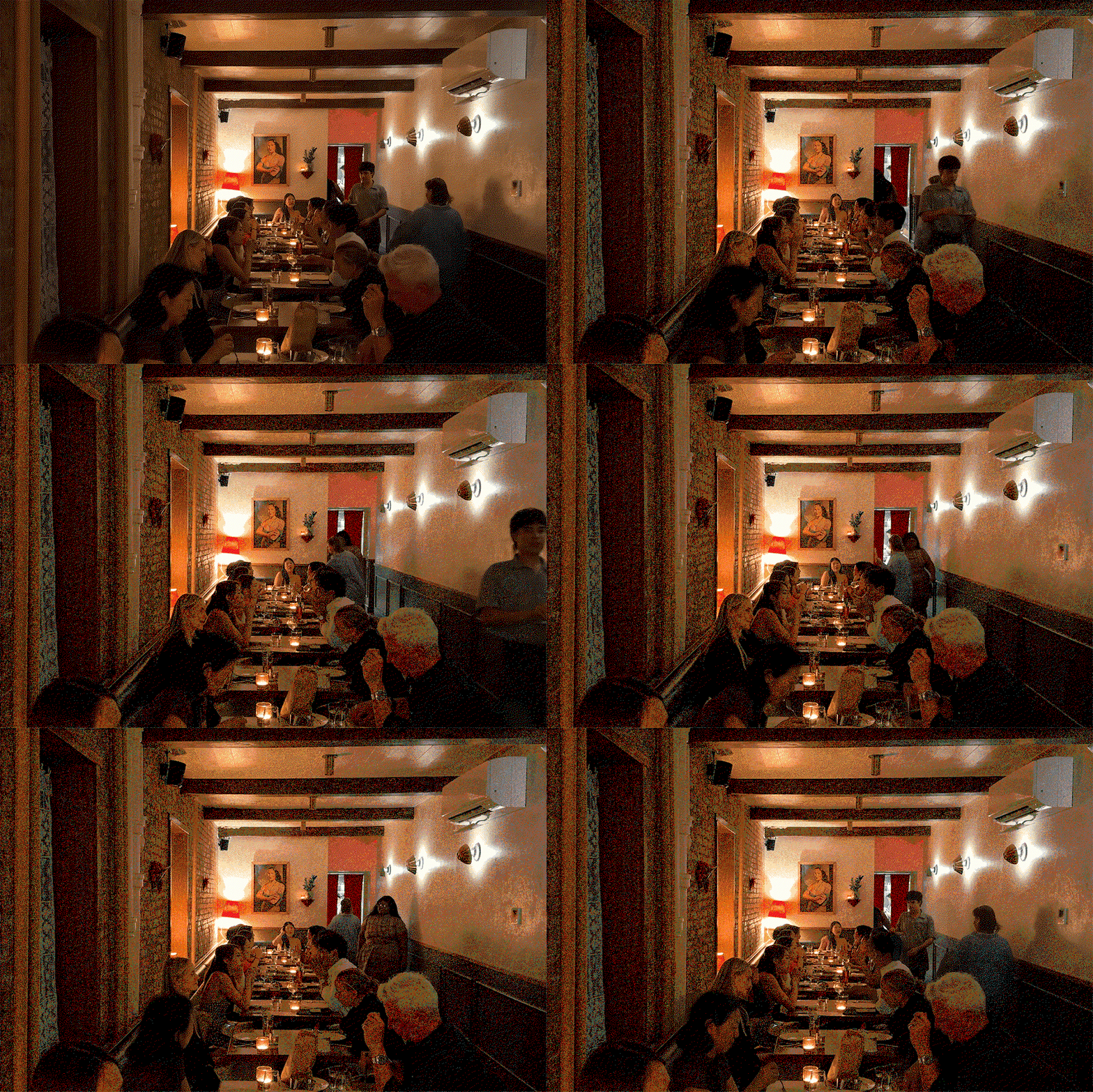
A couple of years ago, my boyfriend and I went to Atomix, which was supposed to be extremely good. We were unimpressed, mainly because the staff bragged about giving us menus adorned with AI-generated art. Now, the owners have opened Somssi, and our restaurant critic Matthew Schneier’s report has made me curious to give the folks at Na:Eun Hospitality group another shot.
|
|
|
|
|
New York is a tongue town. Katz’s has been slicing it by the pound for decades. My grandfather Sam often ordered a tongue omelet, an object of perverse and horrified fascination. I’ve since eaten tongue, happily, hither and yon. On tacos or in mole, as an antipasto or the garnish on a Boulud-ified wedge salad. But I’ve never encountered any tongue as tonguelike as the ox tongue at Somssi in the Village, where it is scored, grilled, and glazed and presented undisguised, as recognizable as the nose on your face. It is the rare entrée that offers itself up to be French-kissed.
|
|
|
|
Hot! You can officially count me as tongue curious. Just hold the AI-made art. |
|
|
|
Photo: Vittorio Zunino Celotto/Getty Images |
|
|
|
That’s it for me! It’s been a pleasure. Tomorrow, you’re in Zach’s hands. I expect some deep thinking about Olivia Rodrigo. |
|
|
|
|
A weekly dispatch on the cultural discourse. |
|
|
|
https://link.nymag.com/oc/60bf85689b7a136e4b473b24s6psn.lci/7f7d064a
|
|
|
|
|