|
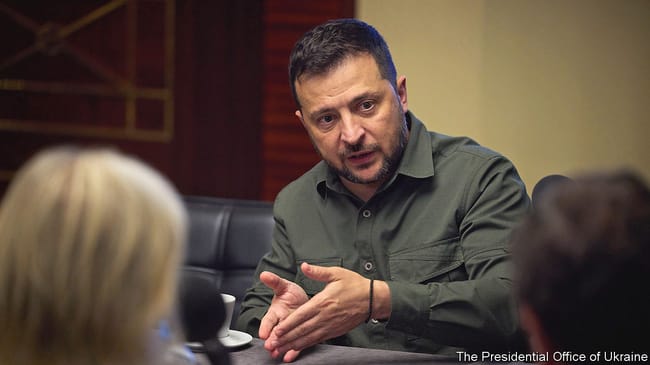
If there is one thing I’ve learned since joining The Economist in 1994, it’s that no two weeks are ever the same. Last week my colleagues and I were in Kyiv,
speaking
to Volodymyr Zelensky about how Ukraine is fighting tooth and nail to
push Russian invaders
out. The mood is still sombre, but the president’s grit is as palpable as ever.
This week, however, the promise and perils of artificial intelligence (AI) were back on our minds. I sat down with
Mustafa Suleyman,
a member of our board and an entrepreneur at the forefront of AI development, and
Yuval Noah Harari,
a historian, who says AI could bring the “end of human history”.
The interview
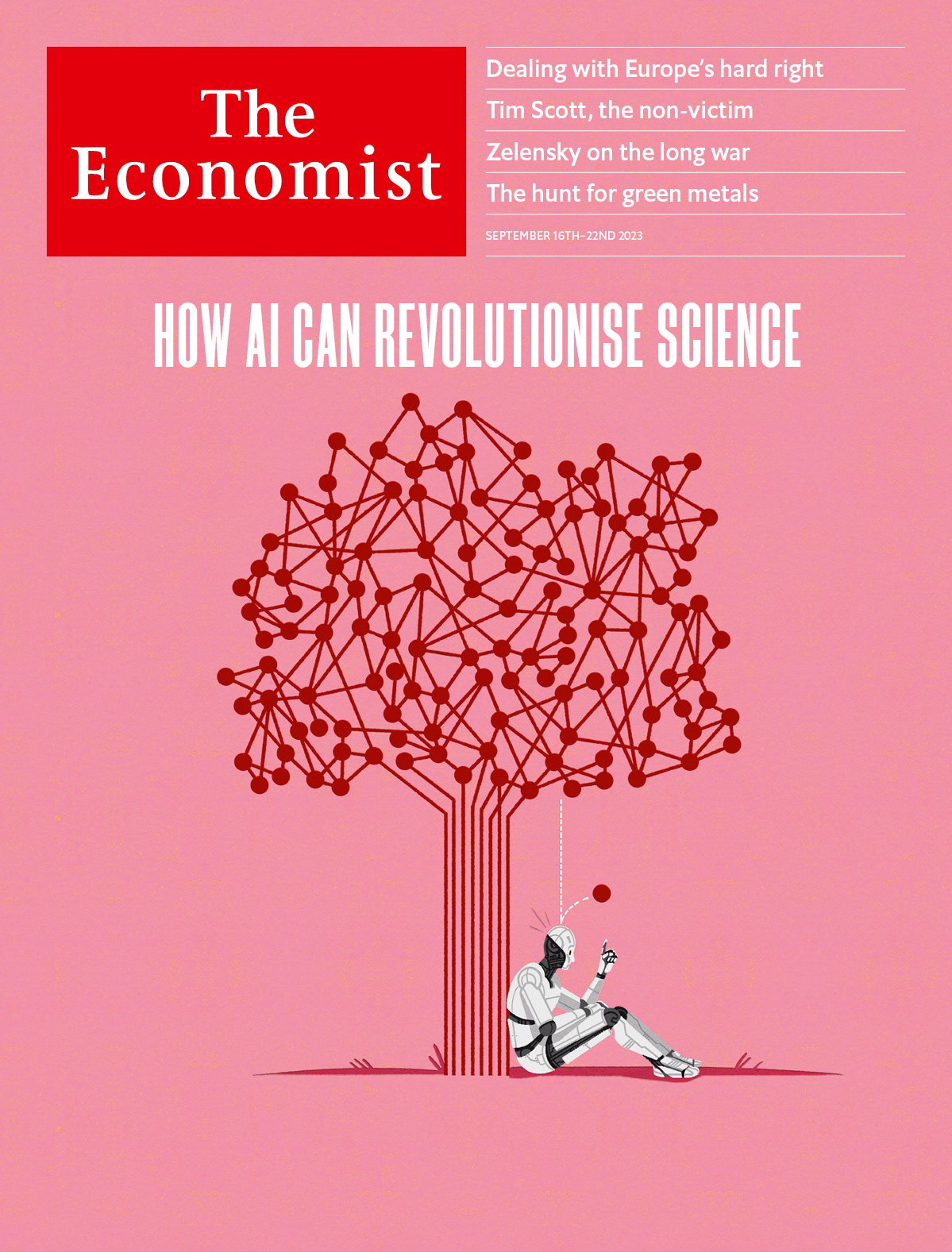
is well worth a watch. Our cover in most of the world strikes a more optimistic tone, examining how
AI might supercharge progress
in science.
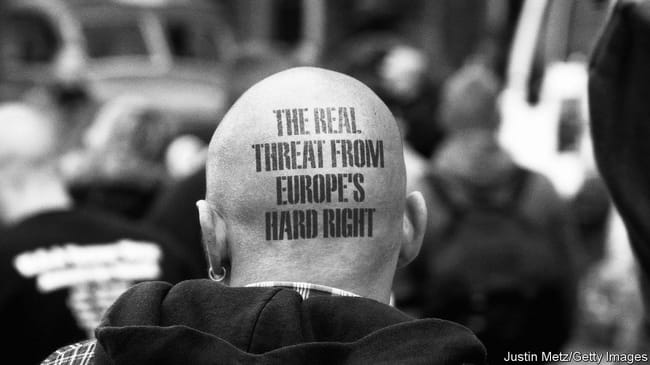
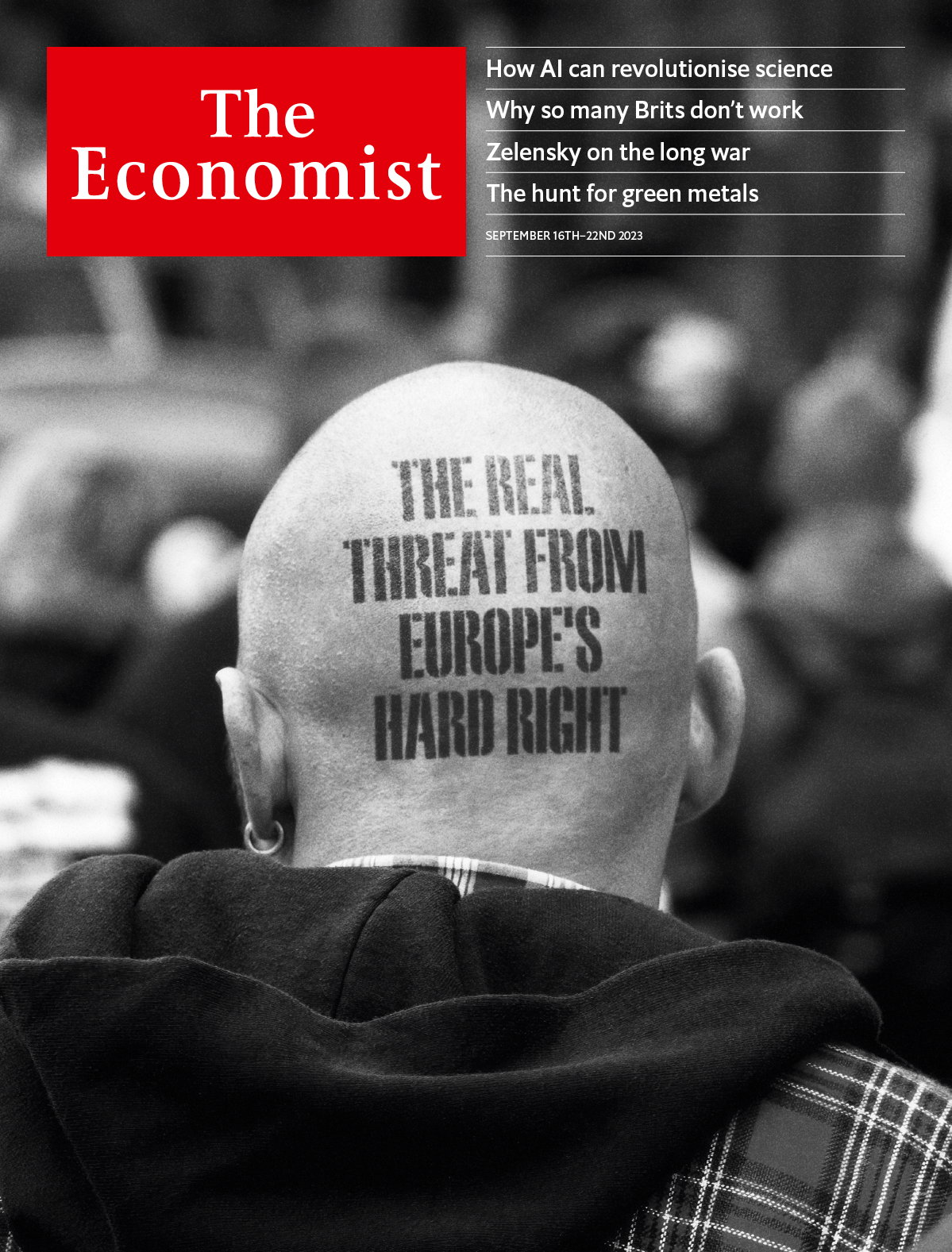
The uplifting sentiment of that cover is in marked contrast to the gloom of the other. In Europe, we look at the rise of an
emboldened hard right.
Europe’s
populist right-wing parties
are going from strength to strength. I was struck to learn that 15 of the EU’s 27 member countries now have hard-right parties with support of 20% or more in opinion polls. Make no mistake, Europe is not about to be overrun by fascists in a repeat of the 1930s. But the new right-wing wave presents a big challenge.
|








 The ways