|
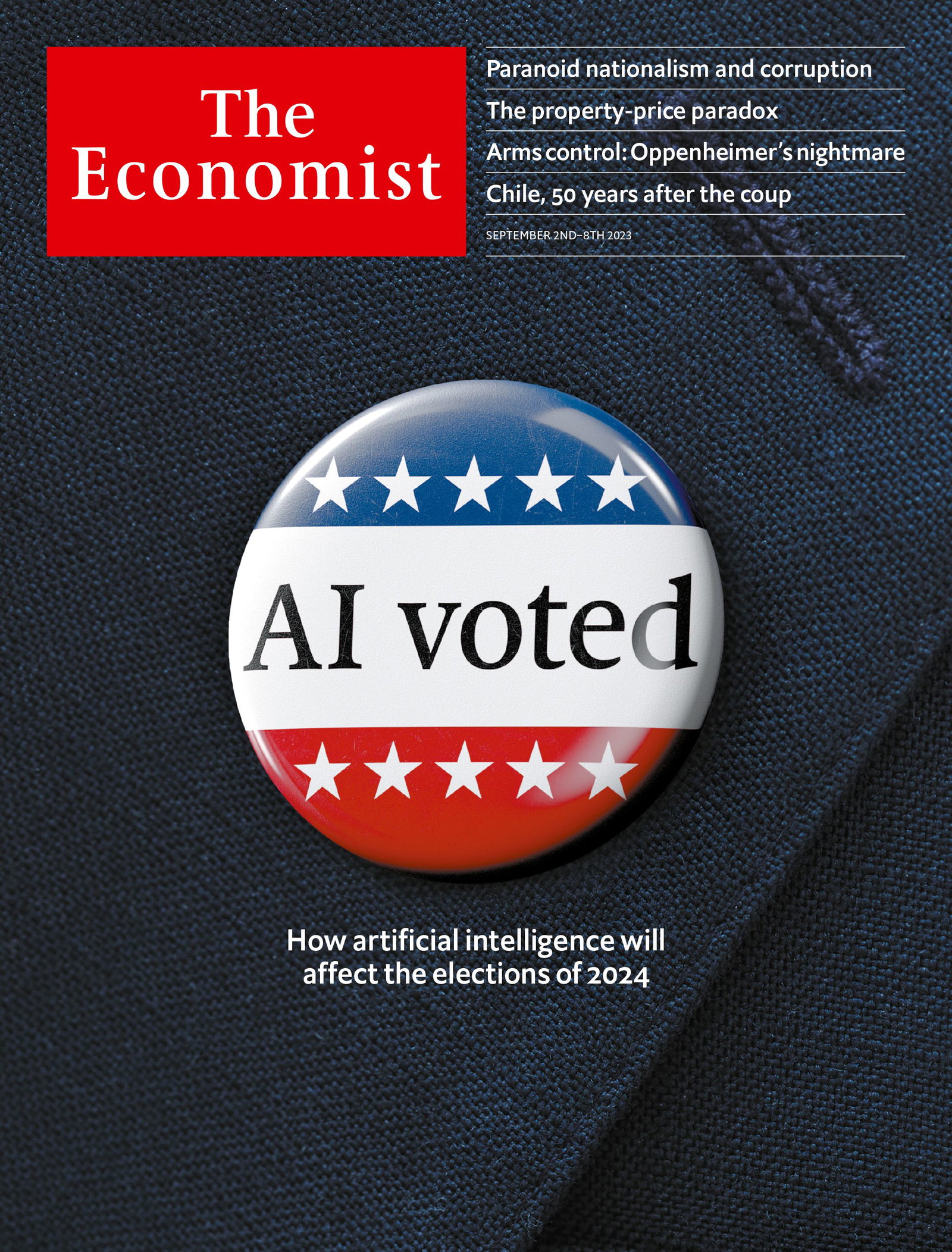
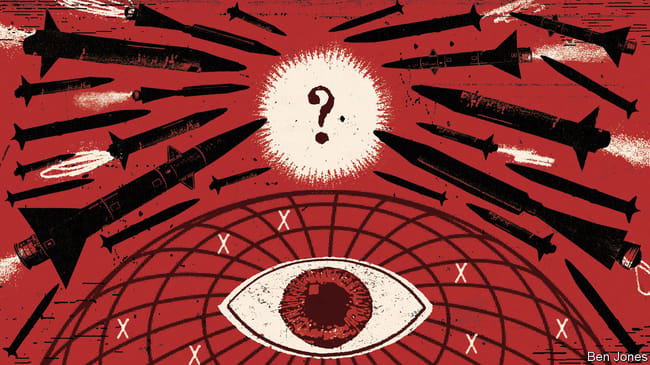
Half of the world’s population live in countries where elections are due to take place in 2024. Some of the biggest and most raucous democracies—America, India, Indonesia, Mexico and Taiwan among them—will head to the polls. These elections will be among the first in the era of widely available generative AI, leading to growing fears of a supercharged spread of propaganda and disinformation.
How worried should we be? In a recent
guest essay
for The Economist Yuval Noah Harari argued that new generative-AI tools will change the course of history by, among other things, convincing us to “vote for particular politicians”. It is true that AI will probably increase the amount of political disinformation and make it easier to personalise propaganda messages. But in a leader we
outline the reasons
why AI is not about to wreck humanity’s 2,500-year-old experiment with democracy.
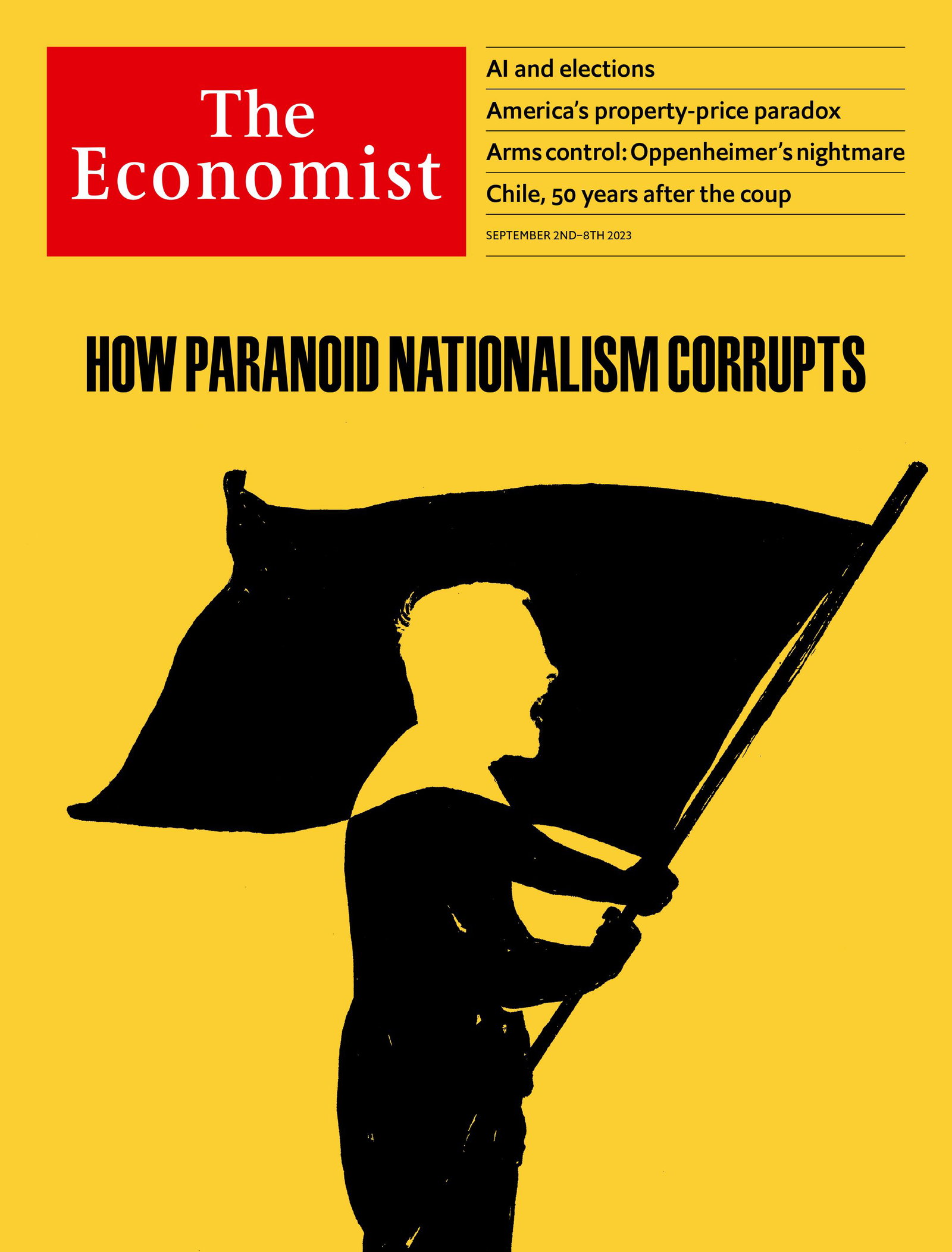
Our other cover this week looks at another troubling aspect of democratic health:
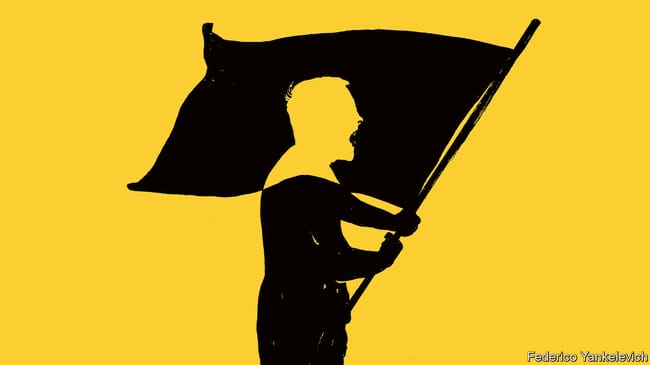
paranoid nationalism.
As our
Briefing explains,
this ugly strand of nationalism works by a mix of exaggeration and lies. By inflaming nationalist fervour, cynical politicians can more easily win power and, once in office, can distract public attention from their abuses by calling out the supposed enemies who would otherwise keep them in check.
|