|
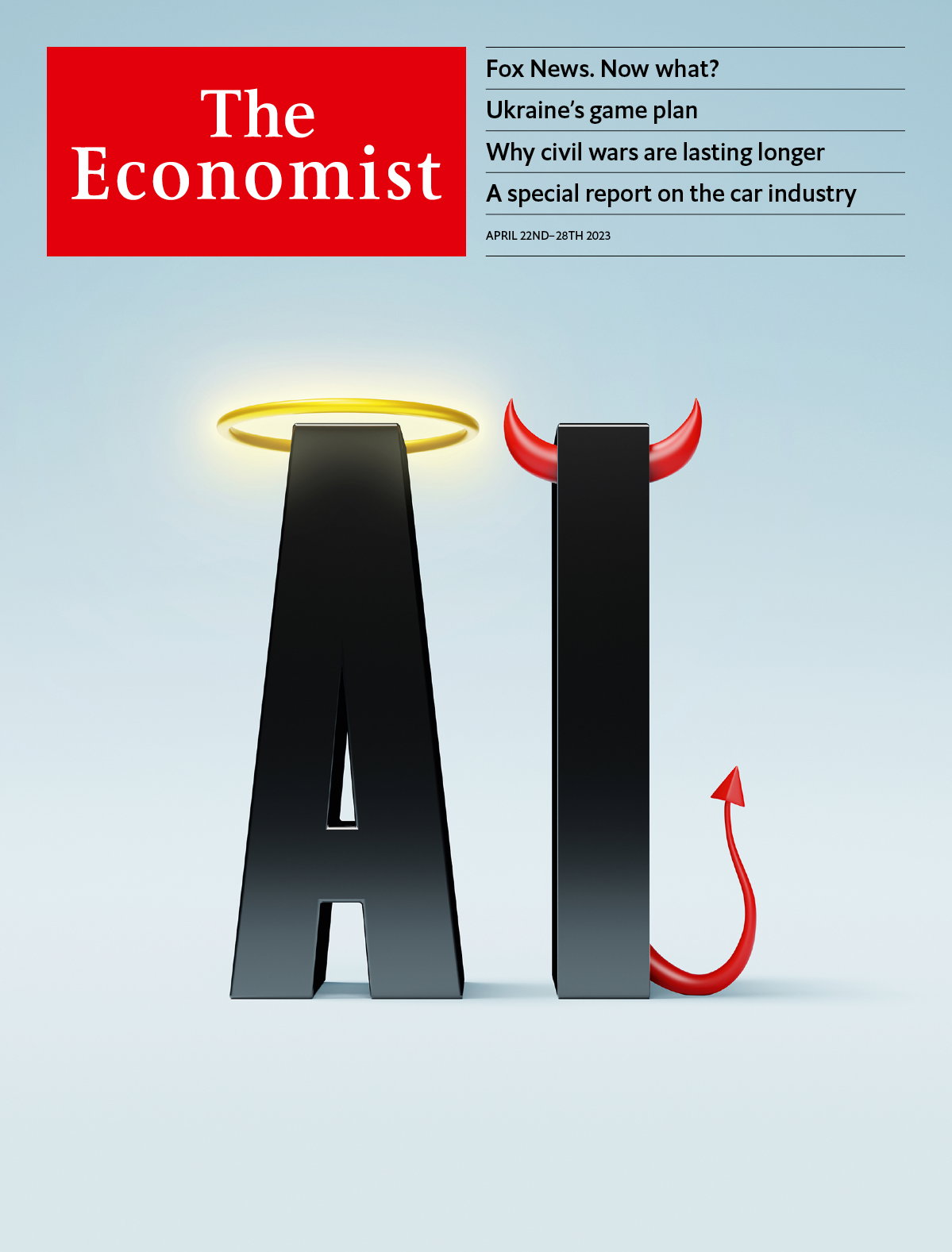
I am fascinated and awed by the new generative AI models popping up everywhere. But I have struggled with how to think about them. Should we be excited or anxious about this fast-moving technology—or both? The abilities of “large language models”—of the sort that power ChatGPT, a chatbot made by OpenAI—seem to have surprised everyone, including their creators. One recently passed the American Uniform Bar Examination, a fearsome test of lawyers' skills, in the 90th percentile. Our aim with this week’s issue was to help make sense of it all. In a special, expanded Science and Technology section, our writers explain how
large, creative AI models work,
the
ways they could go wrong
and
what capabilities they might gain next.
They’ve done a superb job of describing complex concepts in a clear and accessible way, including with interactive diagrams in digital versions of the articles. In an accompanying essay
we look to history—from
the printing press to computer browsers—to understand how this technology might change the world. Our leader pages, meanwhile, weigh the
risks and opportunities of AI.
If you are a subscriber and enjoy this week’s deep-dive into artificial intelligence, you can sign up to our weekly
Simply Science newsletter.
The machines have not taken over entirely this week, however. I also recommend our deeply reported article on
why conflicts are lasting longer.
The escalating crisis in Sudan is shocking. Sadly, our analysis shows that it is part of a broader trend.
|