|
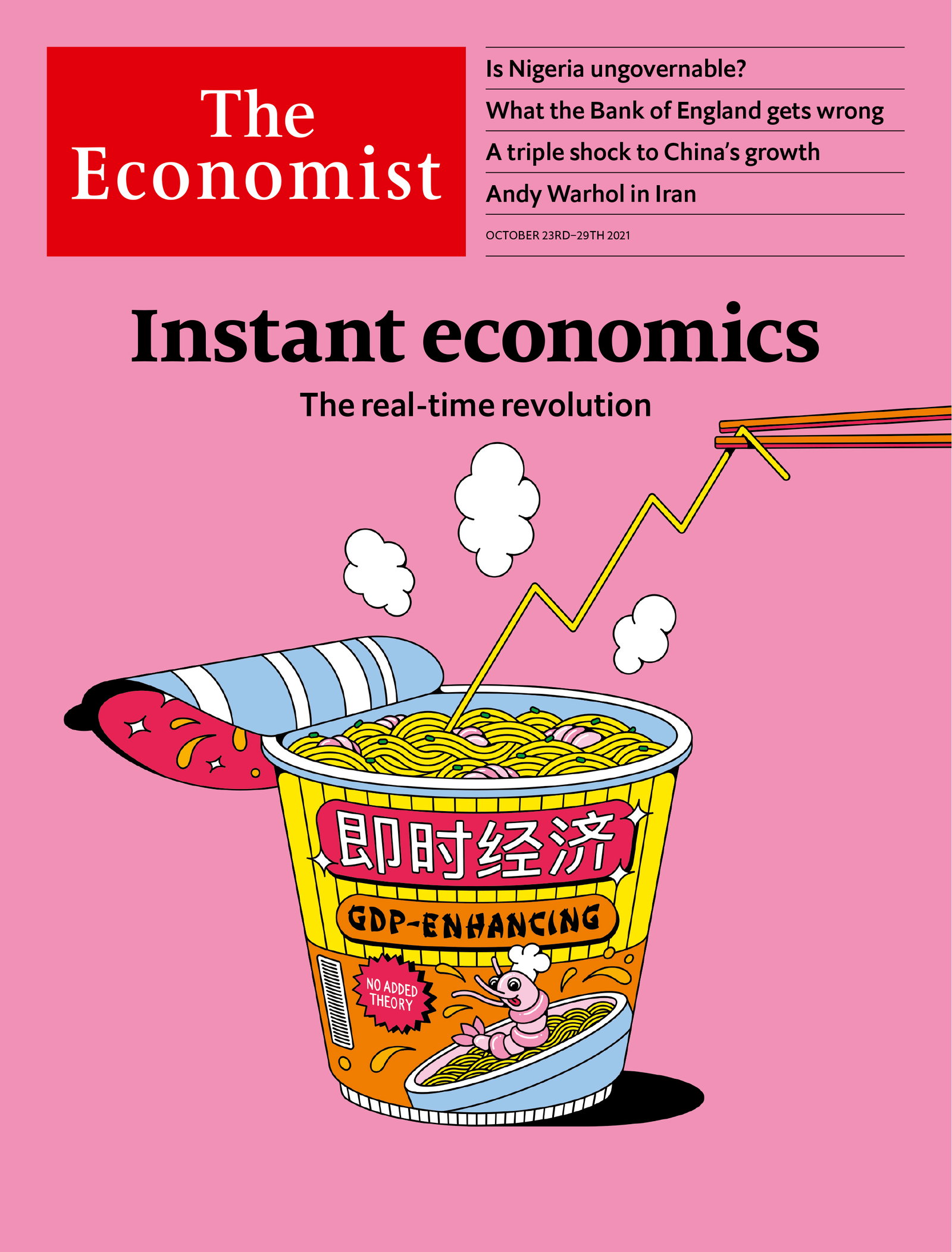
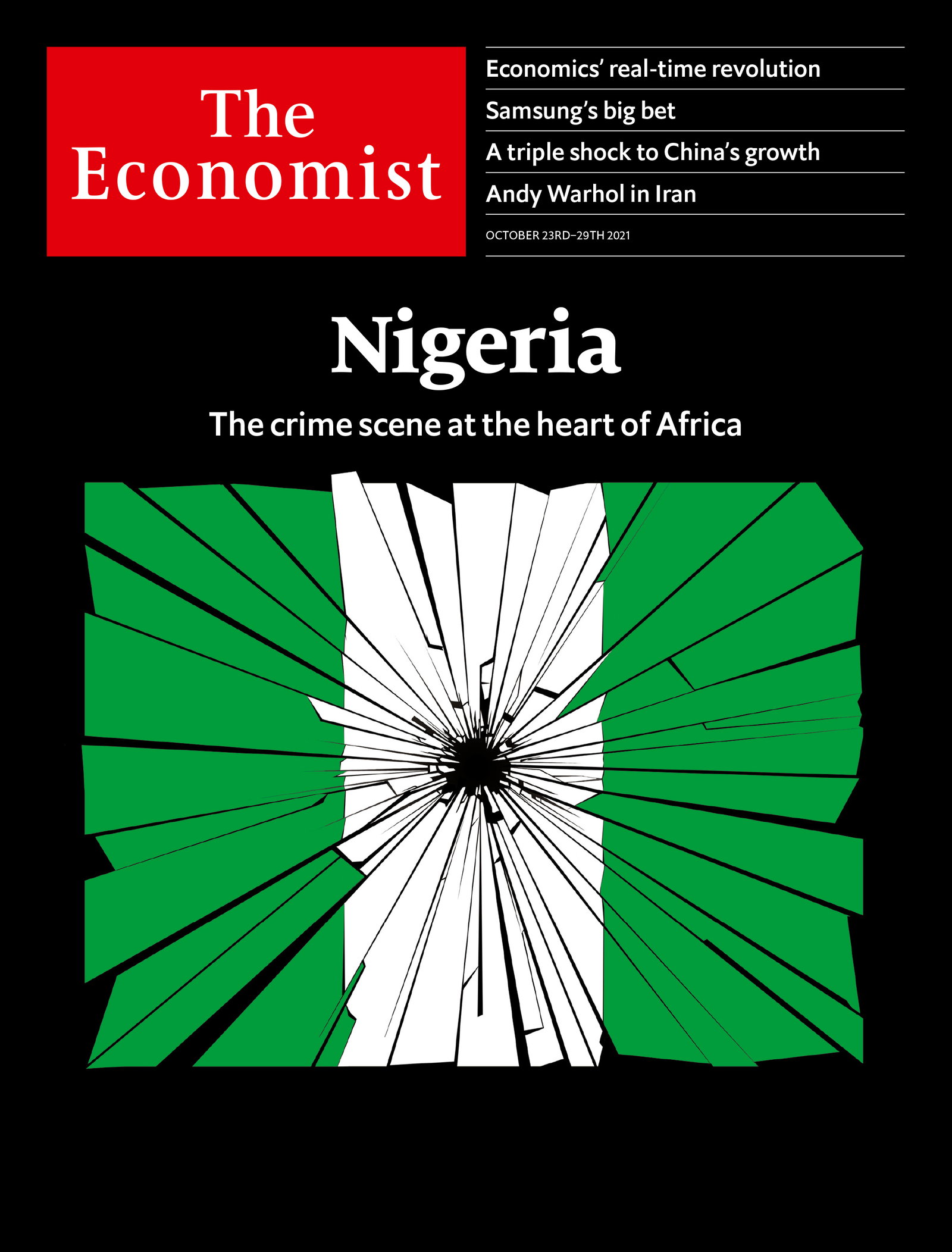
We have two covers this week. In most of our editions we report on
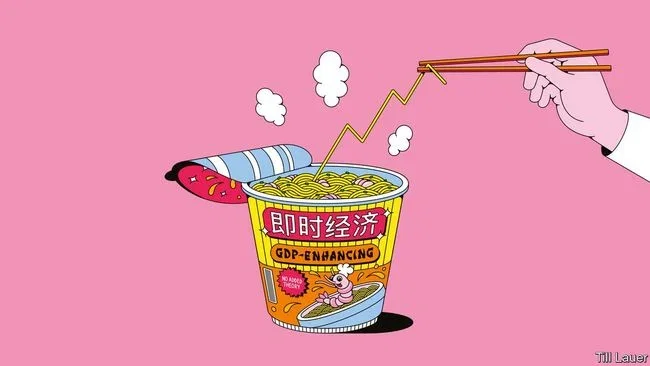
the real-time revolution in economics.
For all their equations and theories, economists are often fumbling in the dark, with too little data to pick the policies that would maximise jobs and growth. But the world is on the brink of a transformation, as the quality and timeliness of information improve. Big firms from Amazon to Netflix already use instant data to monitor grocery deliveries and how many people are glued to “Squid Game”. The pandemic has led governments and central banks to experiment, from monitoring restaurant bookings to tracking card payments. The results are still rudimentary, but as digital devices, sensors and fast payments become ubiquitous, the ability to observe the economy accurately and speedily will improve. Bad and late data can lead to policy errors that cost millions of jobs
and trillions of dollars in lost output. The real-time revolution holds open the promise of better public-sector decision-making—as well as the temptation for governments to meddle.
In our Middle East and Africa editions, we write about
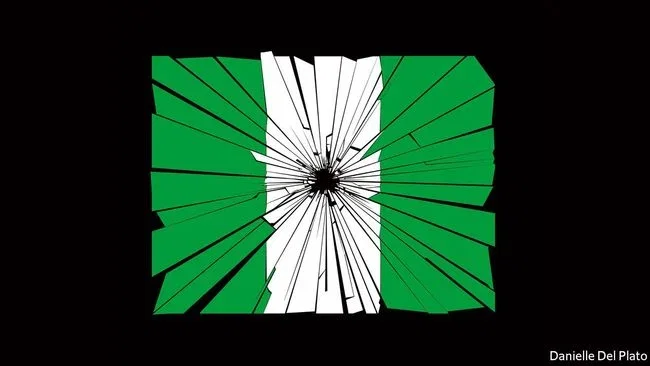
the insurgency, secessionism and banditry that threaten Nigeria.
It is Africa’s biggest economy and most boisterous democracy, generating one-quarter of the continent’s GDP and home to one in six of its people. Its economy generates a quarter of Africa’s GDP and is the continent’s largest. Yet the country is becoming almost ungovernable. Jihadists are carving out a caliphate in the north-east; gangs of kidnappers are terrorising the north-west; the fire of Biafran secessionism has been rekindled in the oil-rich south-east. Nigeria has been corrupt and turbulent for decades, but the mayhem is so intense and widespread that the country is slipping into a downward spiral from which it will struggle to emerge. The violence threatens not just Nigeria’s 200m people, but also the stability of the entire region that
surrounds them.
|