|
Welcome to our weekly newsletter highlighting the best of The Economist’s coverage of the pandemic and its effects.
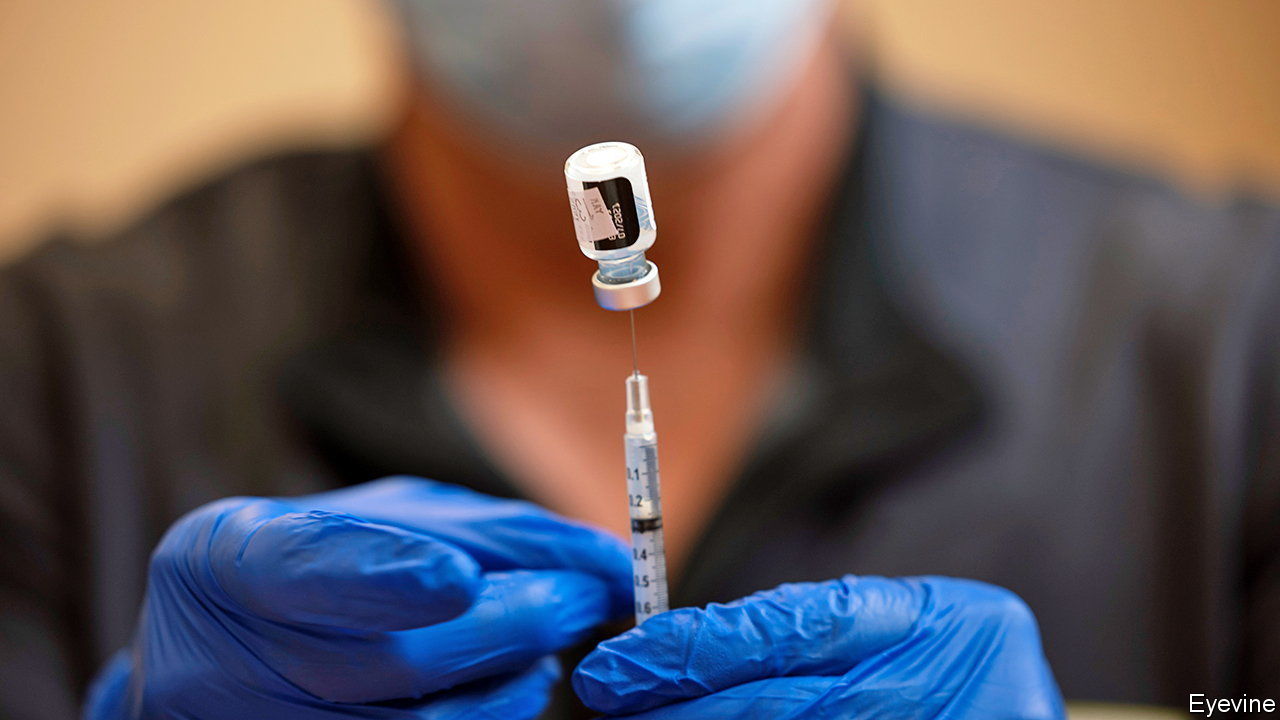
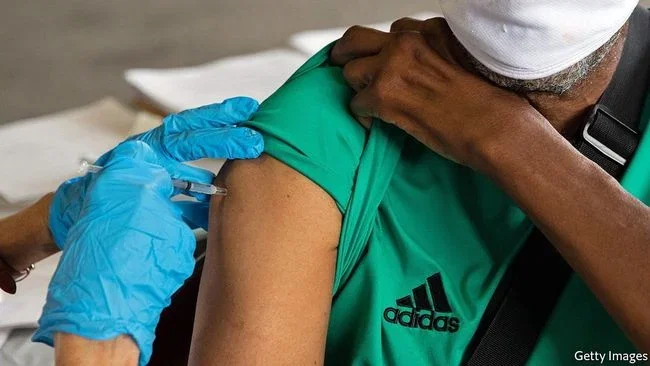
A month after President Biden announced covid-19 vaccine boosters would be available for everyone, Americans are still left wondering who will get them and when.
On August 12th, amid the Delta surge, the country’s drug regulator approved boosters for some immuno-compromised people who had received the Moderna or the Pfizer-BioNTech vaccine. One week later, the Department of Health and Human Services announced that every American could receive a shot eight months after their second dose of the Moderna or Pfizer vaccines, starting on September 20th. The resulting confusion and concern over boosters might have been avoided by simply following the science.
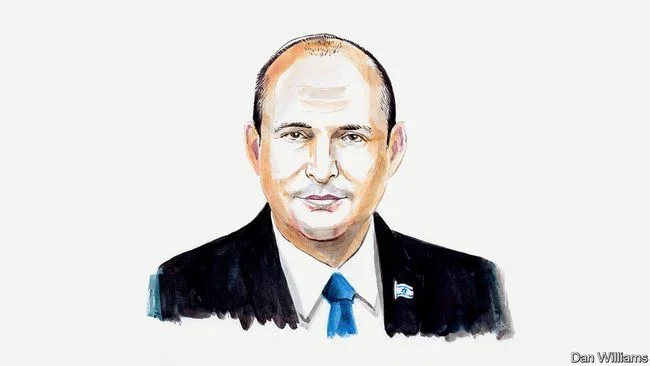
In Israel, boosters are already available to everyone. In an invited article Naftali Bennett, prime minister of Israel, explains how he hopes his country’s strategy will protect people, the economy, social wellbeing and also bolster public trust in vaccines.
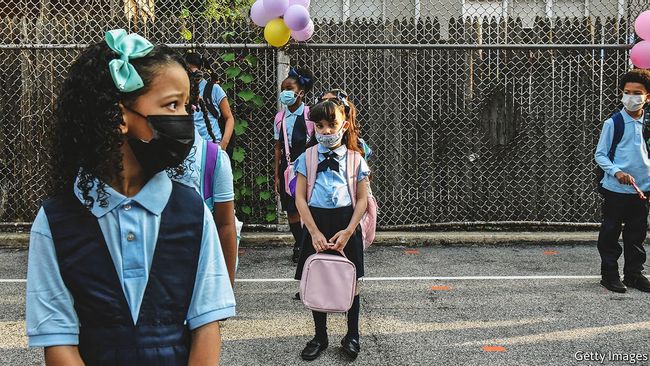
Meanwhile, the return to school in America has caused a surge in covid-19 cases in under-vaccinated counties. Our data journalists find that case rates increased more than expected after the start of term.
Measures to prevent the spread of covid-19 during the pandemic have also fended off flu. But as the world begins to reopen, will it see a resurgence of influenza?
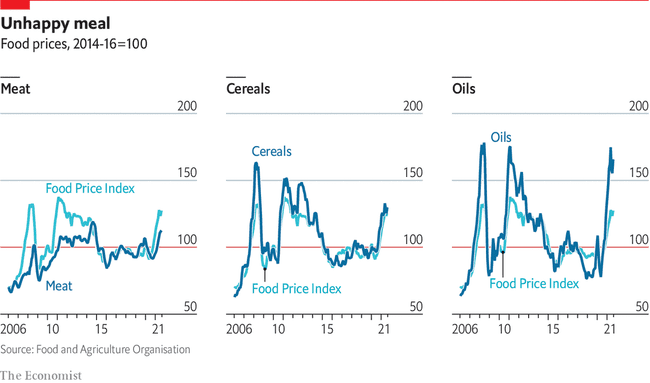
Disruptions from the pandemic have helped push up food prices. But they are not the only reason it is costing more to fill stomachs and high prices may be here to stay. Prices were a third higher in August than a year before, according to an index compiled by the Food and Agriculture Organisation, a UN agency. They are close to their peak of 2011.
India is the first country to approve DNA vaccines, a new type of jab to fight covid-19. In an explainer, we look at how they work.
|







 Email
Email 


