|
Language-learning has a bit of a
mystique
about it. It is one of many people’s regrets never to have done. Some people conclude that they simply don’t have the brain for it, like chess or jazz improvisation.
I’m a language-learner myself—it gives me a kind of pleasure that I assume other people get from chess. And so over the years I have written about various elements of language-learning. Are some brains
just too old
to master another language? What
technological tools
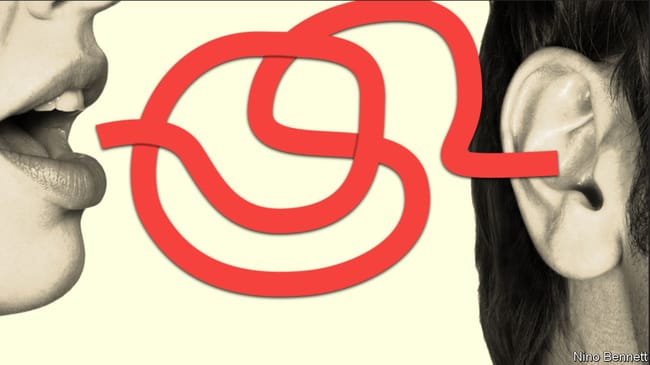
are the most helpful? Why does it seem so hard to acquire another
accent?
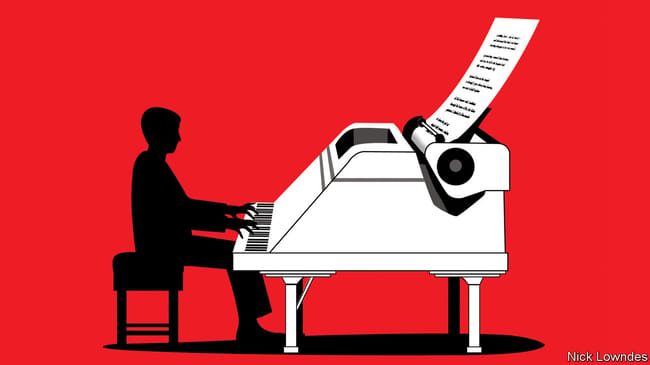
Does linguistic talent overlap with the
musical kind?
And, most recently, what’s the
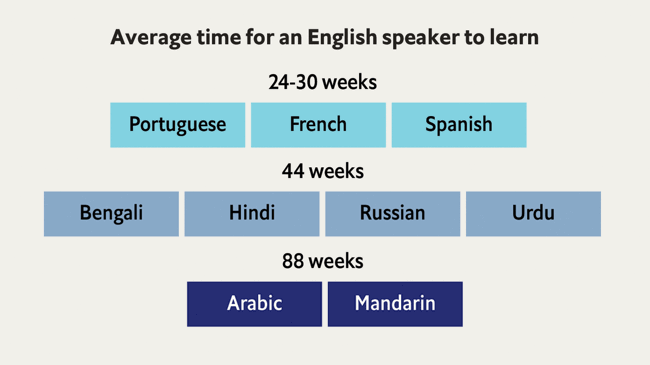
hardest language
to learn? This depends on what language you already speak. America’s State Department ranks languages by how many weeks of full-time learning English-speakers take to reach a professional level. So European languages like Spanish and Swedish are among the easiest for Anglophones. Korean, Cantonese and Arabic are among the hardest. In a nutshell: other languages force you to think about things that your language does not, such as a different alphabet, grammatical distinctions and sounds.
Whether you think you have the brain for it or not, everyone can learn some of a foreign language—and even a bit of pleasantry can coax a smile from others. Mastery may be hard, but you never get all the way there anyway. Nonetheless, every step opens up new worlds.
|