This week’s food stories sit squarely in a familiar but increasingly uncomfortable trade-off – what helps households cope right now, and what might be costing us more in the long run.
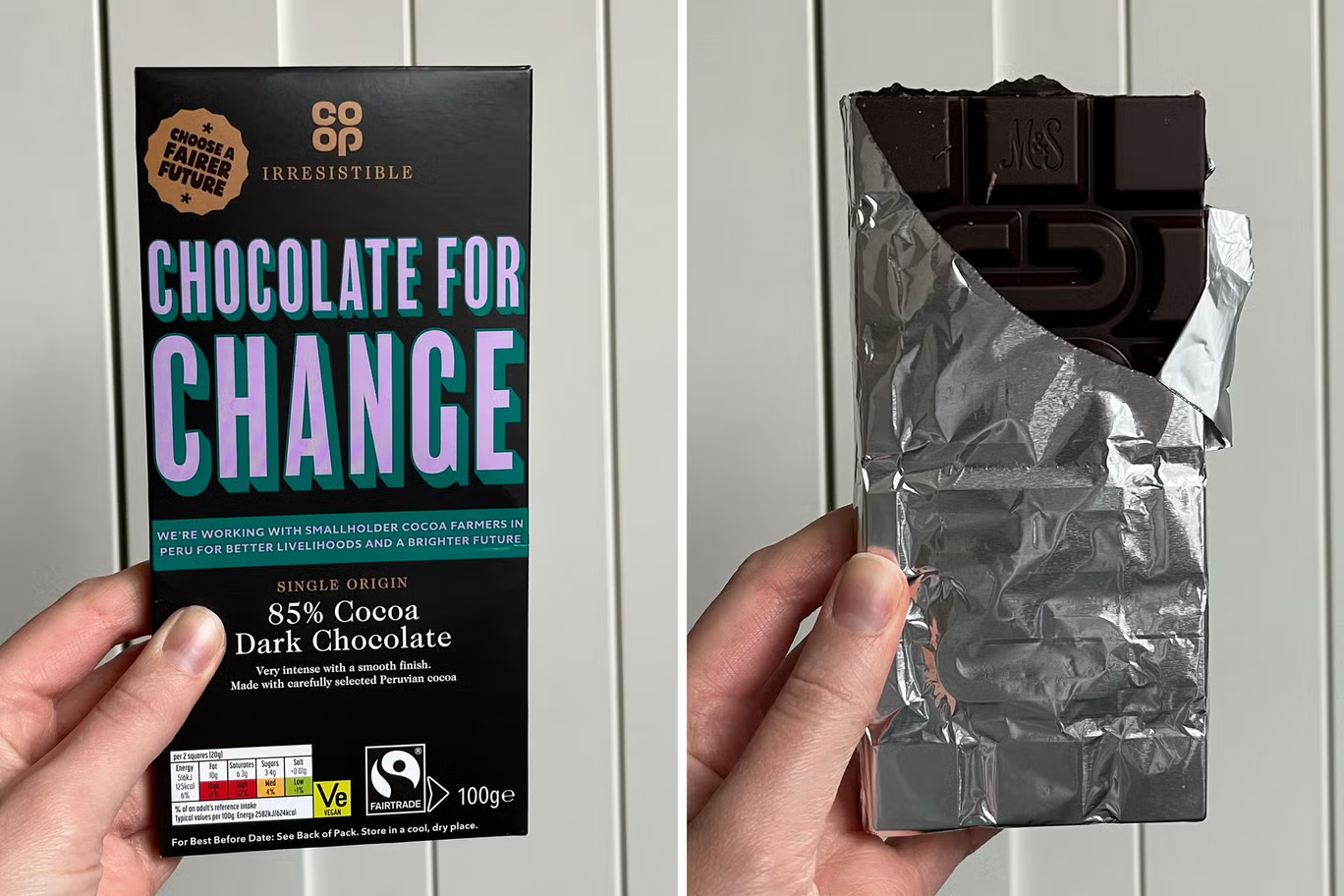
At the centre is Rachel Reeves’ new cost-of-living package, which includes measures that will bring down the price of some everyday foods and cut tariffs on more than 100 imports. But as Victoria Young reports, the inclusion of ultra-processed staples such as biscuits and chocolate has sparked fierce concern among nutritionists, who warn that making the cheapest, least nutritious foods even more accessible risks deepening the UK’s childhood obesity crisis at precisely the moment healthier diets are already out of reach for many families.
That tension comes into sharper focus in a debate between Independent writers Victoria Richards and Helen Coffey, which lays bare just how split the argument has become. For Richards, cheaper snacks are a practical lifeline for cash-strapped parents just trying to get through the week. For Coffey, they send a more troubling message – a set of priorities that risks making the least nutritious foods even more central to everyday diets, while healthier options remain stubbornly out of reach.
Elsewhere this week, chef José Pizarro, in an interview with Radhika Sanghani, offers a very different window onto Britain’s food economy – one seen from behind the pass. Speaking after his Bermondsey tapas bar was broken into for the fourth time in two years, he describes a city where theft is becoming normalised and independent restaurants are increasingly exposed to both financial pressure and a sense of growing disorder, even as they continue to carry heavy tax and staffing burdens.
And finally, as temperatures soar, I’m turning the focus from what we eat to what we drink – and how a deceptively simple question about how much water we actually need becomes surprisingly contested in a heatwave. As Maria Lally reports, with the UK in the grip of rising temperatures, experts revisit the long-standing “eight glasses a day” rule and underline that hydration advice is far more nuanced than it first appears, shaped instead by age, activity and environment.