| |
| Perspectives Magazine |
Welcome to Perspectives, The Met's online magazine. In our inaugural newsletter, we've gathered articles that reveal fashion's role in shaping and reflecting culture. Here, fashion is a site of artistic experimentation, a vehicle for political agency, and a powerful mode of personal expression.
Look for monthly dispatches on art history framed through our collection and exhibitions, and browse the online magazine for inspiration in the meantime. |
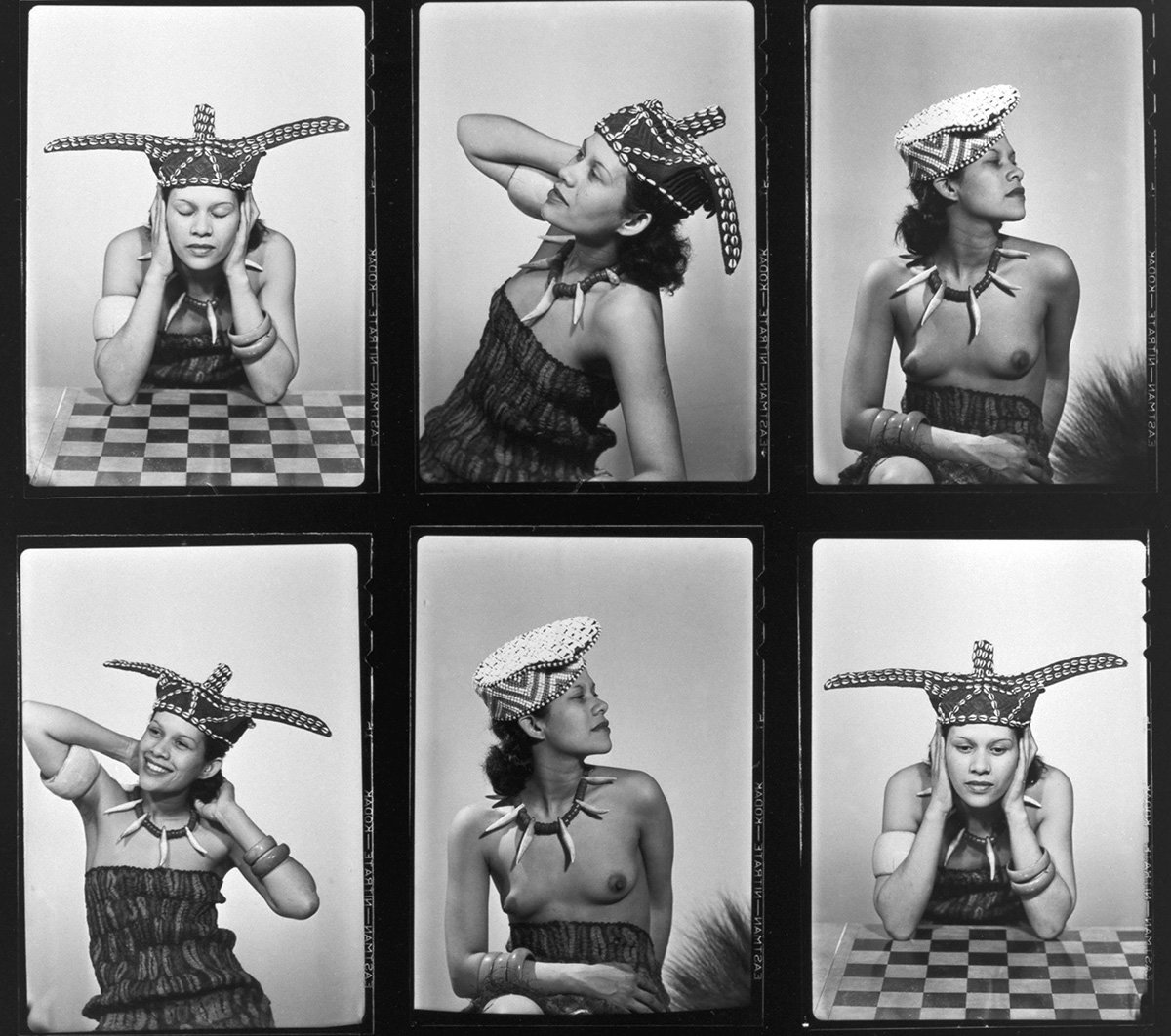 |
Man Ray (American, 1890–1976). Adrienne Fidelin, 1937. Contact sheets (detail) for the series Mode au Congo. Gelatin silver prints. Private collection © Man Ray 2015 Trust / Artists Rights Society (ARS), NY / ADAGP, Paris 2022.
In 1974, The Met's Costume Institute received a bequest of 47 prestige caps and headdresses from Central Africa's Congo River basin. Before their arrival at the Museum, the hats circulated among the Surrealists in Paris and later sparked a revolution in Western hat design. Scholar Wendy A. Grossman traces the history of this exceptional headwear through the story of Adrienne Fidelin, a Guadeloupean dancer who became the first Black model featured in a major American fashion magazine when Man Ray photographed her for Harper's Bazaar in 1937. |
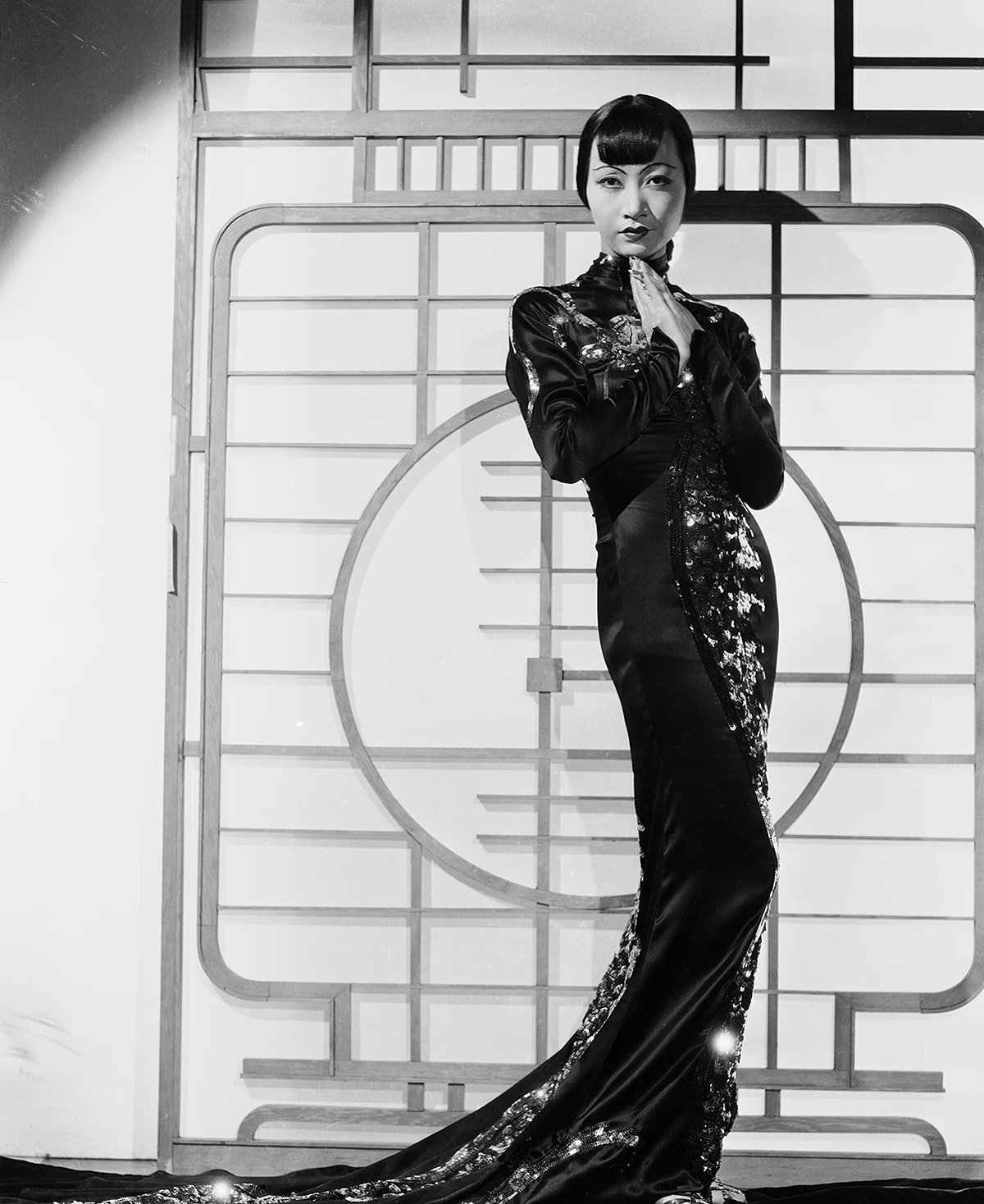 |
Anna May Wong wearing a Travis Banton evening dress in a publicity photograph for Limehouse Blues, 1934.
Fashion has also been a mode of resistance for Hollywood stars like Anna May Wong, who used glamour to empower herself as the first Chinese American film star in Hollywood's studio system. For a performer like Joyce Bryant, a costume was like armor. Her understudied creative collaboration with designer Zelda Wynn Valdes broke boundaries in the 1950s, outfitting Bryant for the stage in spaces that did not typically welcome Black performers. And in the Harlem Renaissance, fashion was not only a way to express personal style and values but also to define a modern vision of Blackness. |
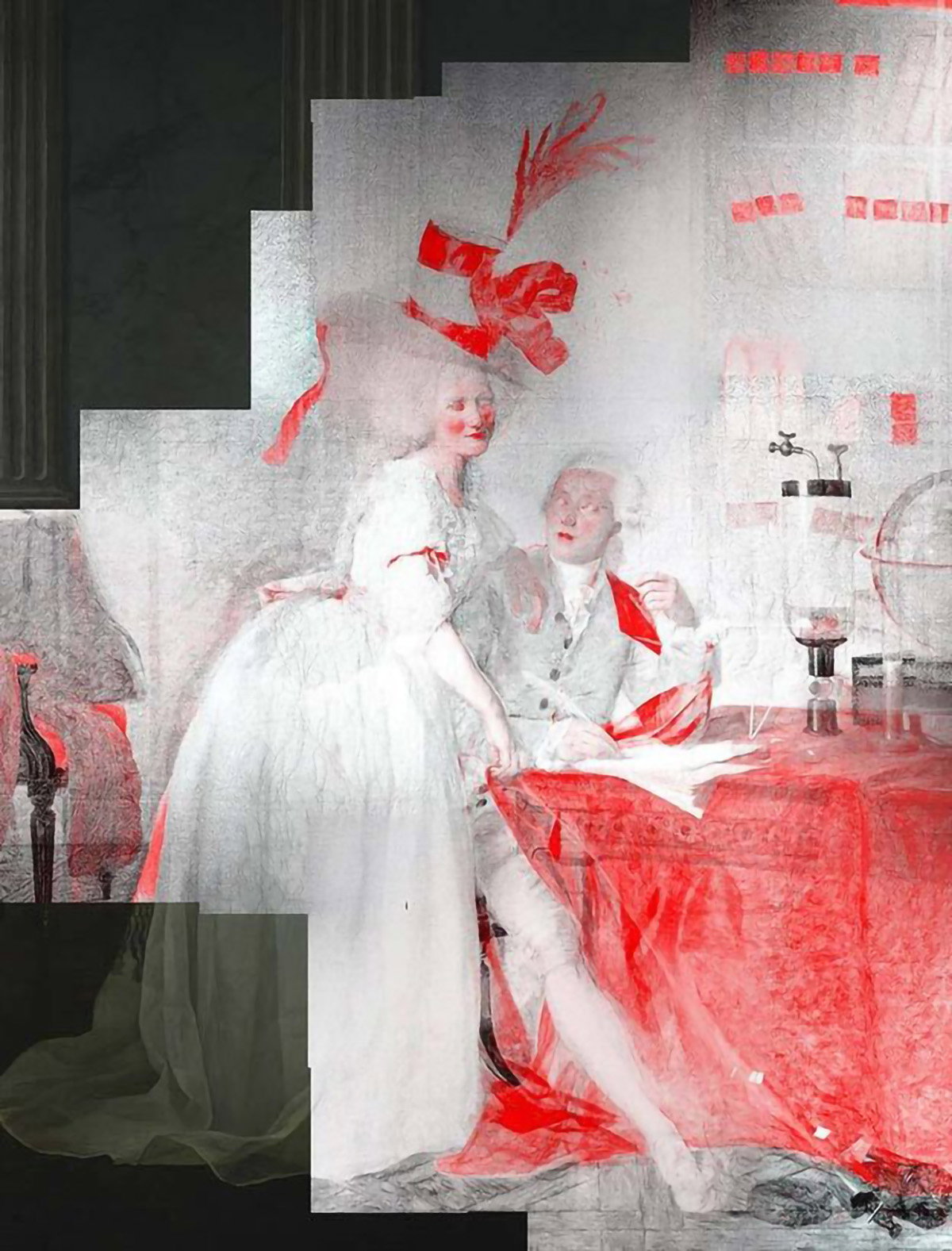 |
A map of hidden paints in Jacques-Louis David's portrait of the Lavoisiers (1788).
The politicization of fashion continues in the present. Contemporary designers like Thebe Magugu and Amber-Dawn Bear Robe contemplate the aesthetic legacies of colonialism while dreaming up innovative collections that respectfully incorporate and expand traditional forms. Fashion can also reveal social hierarchies and shifting schemes of power. A recent study of Jacques-Louis David's 1788 double portrait of the Lavoisiers uncovered that the painting had originally depicted the French couple in high-end fashion that was later painted out—on the eve of the French Revolution—in favor of a modest presentation of the couple as scientists. |
- Step into Alexander McQueen: Savage Beauty and see how McQueen redefined fashion, culture, and identity.
- How Dapper Dan came to define the aesthetic of the "Harlem dandy."
- The Vanderbilts' 1883 ball reveals how wealthy 19th-century women used fashion and interior design to assert their place in high society.
-
Lace and textiles wove early connections between women at The Met.
- Designer Todd Oldham on the "muchness" of André Leon Talley.
- Look to wedding dresses to understand fashion traditions in the Ottoman Empire.
|
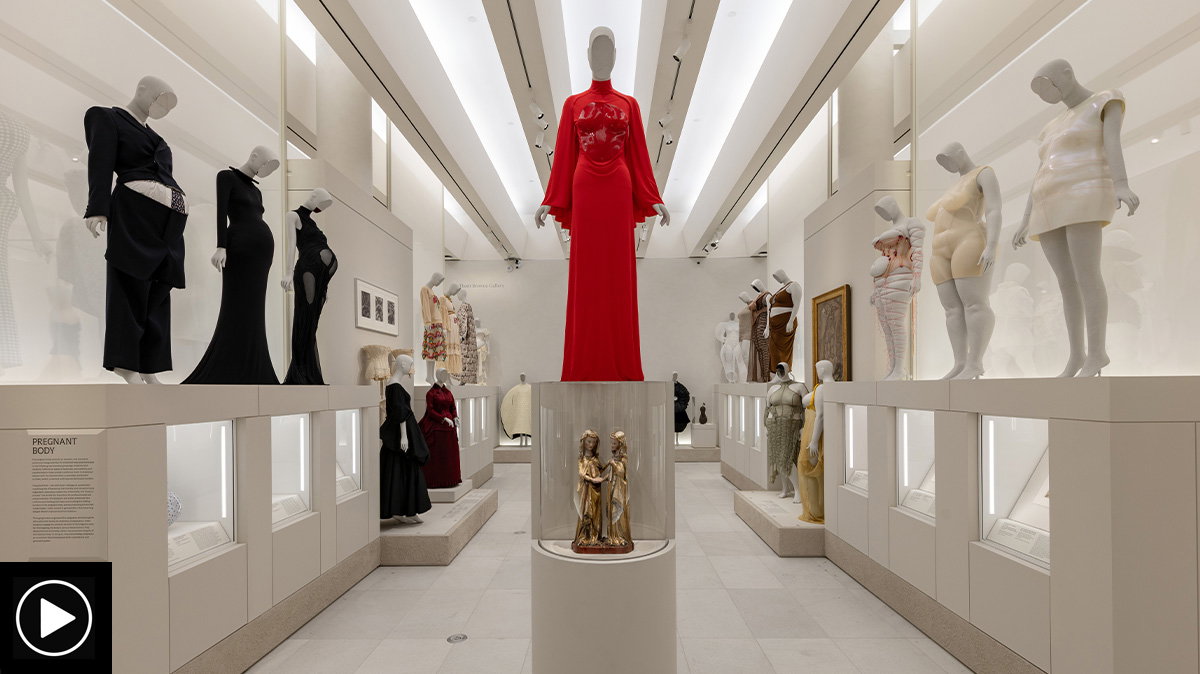 |
A fresh chapter for fashion at The Met has begun. Explore the newly opened Condé M. Nast Galleries, a nearly 12,000-square-foot space at the heart of the Museum. Watch now →
Costume Art, the space's inaugural exhibition, is now on view through January 10, 2027 at The Met Fifth Avenue. |
We'd love to hear from you. Your feedback helps us create a better email experience.
Take our brief survey to let us know what inspires you, how you engage with The Met, and what you'd like to explore next. Take the survey →
|
| |
|
Accessibility at The Met
The Met is committed to accessibility for all. For information about accessibility, programs, and services for people with disabilities at both Met sites, visit metmuseum.org/access. To request an access accommodation for virtual programs or online resources, email [email protected], or call 212-650-2010. For information about accessibility on our website, see our Website Accessibility Statement. |
For more information on the exhibitions, including sponsorship credits, visit Alexander McQueen: Savage Beauty and Costume Art.
Your support allows the Museum to collect, conserve, and present 5,000 years of world art. Donate now.
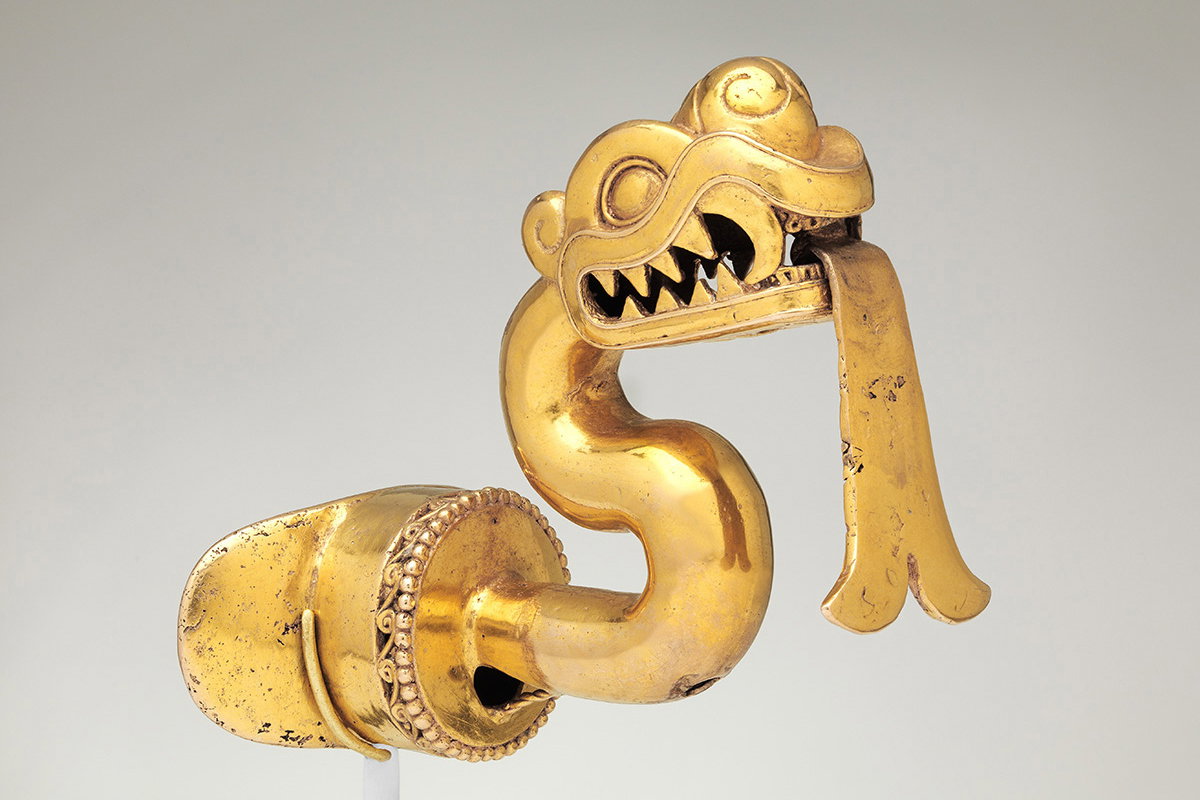
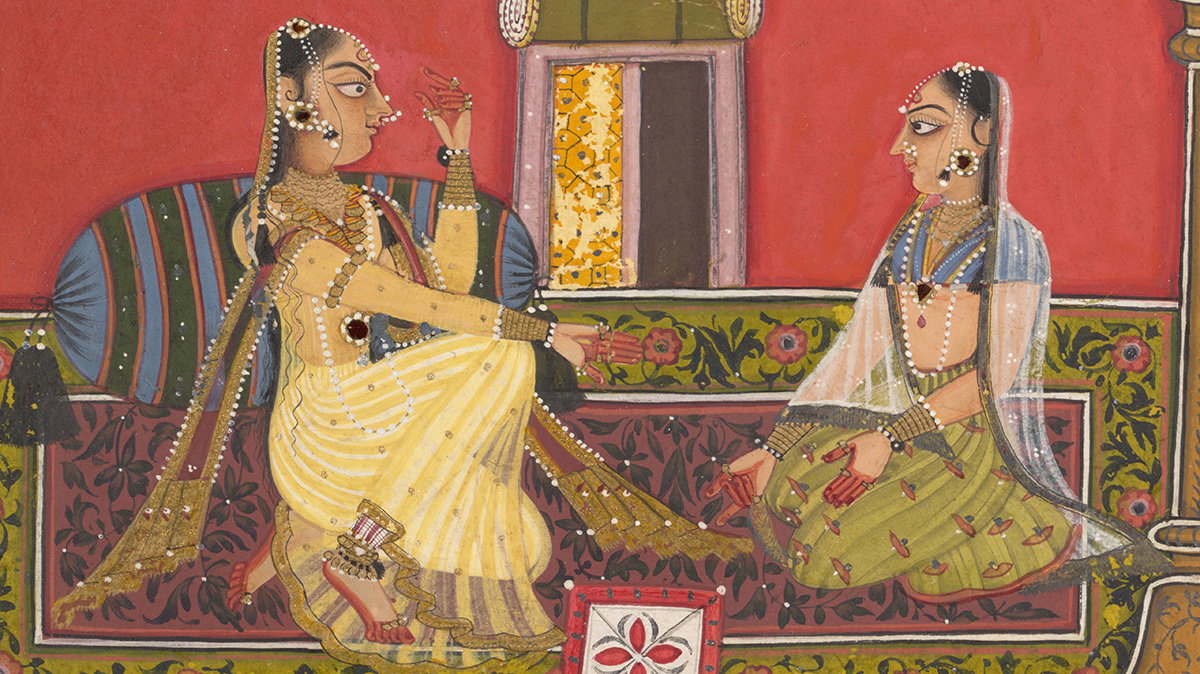
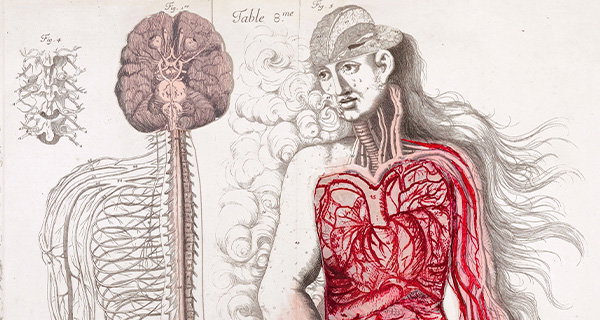
Images: Man Ray (American, 1890–1976). Adrienne Fidelin, 1937. Contact sheets for the series Mode au Congo. Gelatin silver prints. Private collection © Man Ray 2015 Trust / Artists Rights Society (ARS), NY / ADAGP, Paris 2022. | Fidelin wears: Pende artist. Prestige headdress, ca. 1850–1920. Democratic Republic of the Congo. Raffia palm fiber, cowrie shells, 7 1/2 × 9 in. (19.1 × 22.9 cm). The Metropolitan Museum of Art, New York, Gift of Lilly Daché, 1974 (1974.83.3); and Royal Headdress (Shody), 19th–20th century. Democratic Republic of the Congo, Kuba. Raffia palm fiber, glass beads, cowries, 3 x 7 x 9 7/8 in. (7.6 x 17.8 x 25.1 cm). The Metropolitan Museum of Art, New York, Gift of Lilly Daché, 1974 (1974.83.33). | Anna May Wong in a publicity photograph for Limehouse Blues, 1934. | Wong wears: Travis Banton (American, 1894–1958). Evening dress, ca. 1934. Black silk charmeuse embroidered with gold and silver sequins. Brooklyn Museum Costume Collection at The Metropolitan Museum of Art, Gift of the Brooklyn Museum, 2009; Gift of Anna May Wong, 1956 (2009.300.1507). | An MA-XRF of Jacques-Louis David's Antoine Laurent Lavoisier (1743–1794) and Marie Anne Lavoisier (Marie Anne Pierrette Paulze, 1758–1836) (1788). From Centeno, Silvia A., Dorothy Mahon, Federico Carò, and David Pullins. “Discovering the evolution of Jacques-Louis David's portrait of Antoine-Laurent and Marie-Anne Pierrette Paulze Lavoisier.” Heritage Science 9, no. 84 (2021). | Mexica artist(s). Serpent labret with articulated tongue, 1300–1521 CE. Gold, 2 5/8 x 1 3/4 x 2 5/8 in. (6.67 x 4.45 x 6.67 cm). The Metropolitan Museum of Art, New York, Purchase, 2015 Benefit Fund and Lila Acheson Wallace Gift, 2016 (2016.64). | Iris van Herpen (Dutch, b. 1984). Dress, fall/winter 2013–14. Plastic (polyurethane), cotton, metal (iron filings). The Metropolitan Museum of Art, New York, Purchase, Friends of The Costume Institute Gifts, 2016 (2016.13). | Iris van Herpen (Dutch, b. 1984) and Cedric Laquieze (Dutch). Dress, fall/winter 2023–24. Silicone, cotton, bone, metal, synthetic, glass. The Metropolitan Museum of Art, New York, Purchase, Friends of The Costume Institute Gifts, 2016 (2016.14). | Devidasa of Nurpur (active ca. 1680–1720). A Courtesan and Her Lover Estranged by a Quarrel: Page from a Rasamanjari series (detail), 1694–95. Opaque watercolor, ink, silver, gold, and beetle-wing cases on paper, 8 5/8 x 12 3/4in. (21.9 x 32.4cm). The Metropolitan Museum of Art, New York, Bequest of Cora Timken Burnett, 1956 (57.51.14). | Written by Amé Bourdon (French, 1636/38–1706). Engraved by Daniel Le Bossu (French, active 1671–78). Nouvelles tables anatomiques (detail), 1678. Engraving, 21 5⁄8 in. (55 cm). Bibliotheque interuniversitaire de sante, Paris. Courtesy Internet Archive; Alexander McQueen (British, founded 1992). Sarah Burton (British, born 1974). Dress (detail), spring/summer 2024. Beige silk georgette embroidered with red silk and red silk-and-metal thread in the forms of internal organs and veins and trimmed with red glass beads and red viscose fringe. Courtesy Alexander McQueen.| Left: Pregnant Body; Right: Corpulent Body, Gallery View. Photo © Anna-Marie Kellen / The Metropolitan Museum of Art |
|
|
|