|
| |
 |
 |
 |
| NOW OPEN |
September 14, 2025–February 1, 2026
The Met Fifth Avenue |
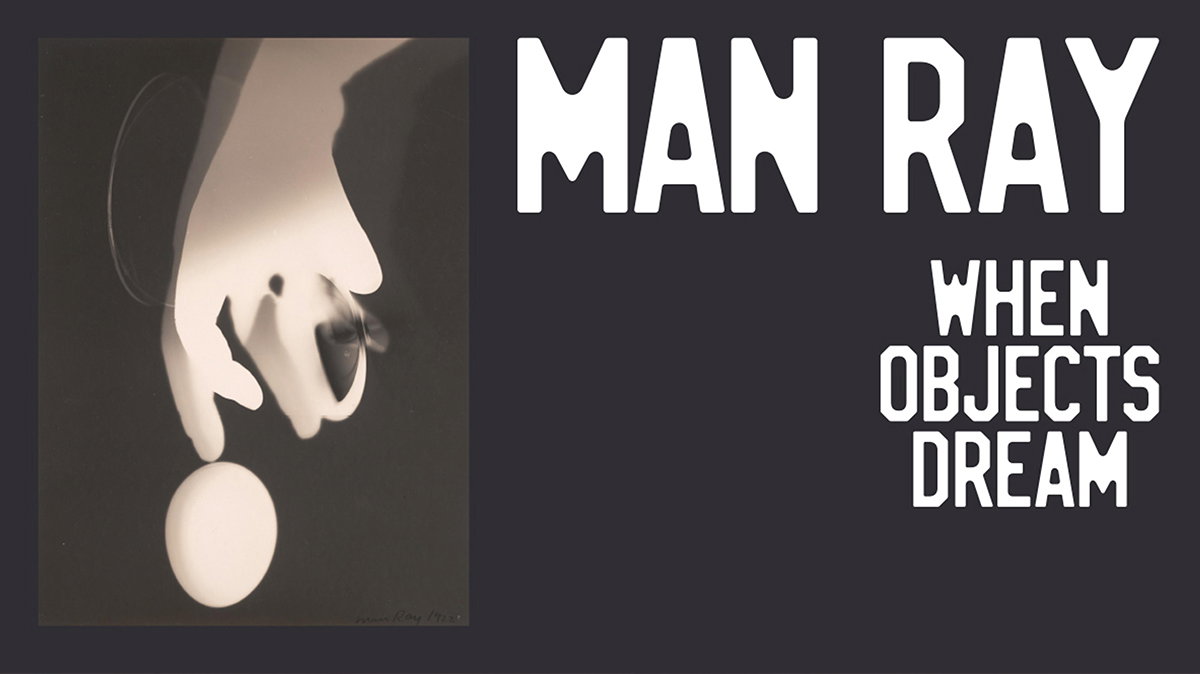
American artist Man Ray (1890–1976) was a visionary known for his radical experiments that pushed the limits of photography, painting, sculpture, and film. In the winter of 1921, he pioneered the rayograph, a new twist on a technique used to make photographs without a camera. By placing objects on or near a sheet of light-sensitive paper, which he exposed to light and developed, Man Ray turned recognizable subjects into wonderfully mysterious compositions. Introduced in the period between Dada and Surrealism, the rayographs' transformative, magical qualities led the poet Tristan Tzara to describe them as capturing the moments "when objects dream."
The exhibition will be the first to situate this signature accomplishment in relation to Man Ray's larger body of work of the 1910s and 1920s. Drawing from the collections of The Met and more than 50 U.S. and international lenders, the exhibition will feature approximately 60 rayographs and 100 paintings, objects, prints, drawings, films, and photographs—including some of the artist's most iconic works—to highlight the central role of the rayograph in Man Ray's boundary-breaking practice.
"A revelatory exhibition."—The New York Times
|
| Learn more → |
| |
 |
| UPCOMING |
September 20, 2025–February 8, 2026
The Met Fifth Avenue |
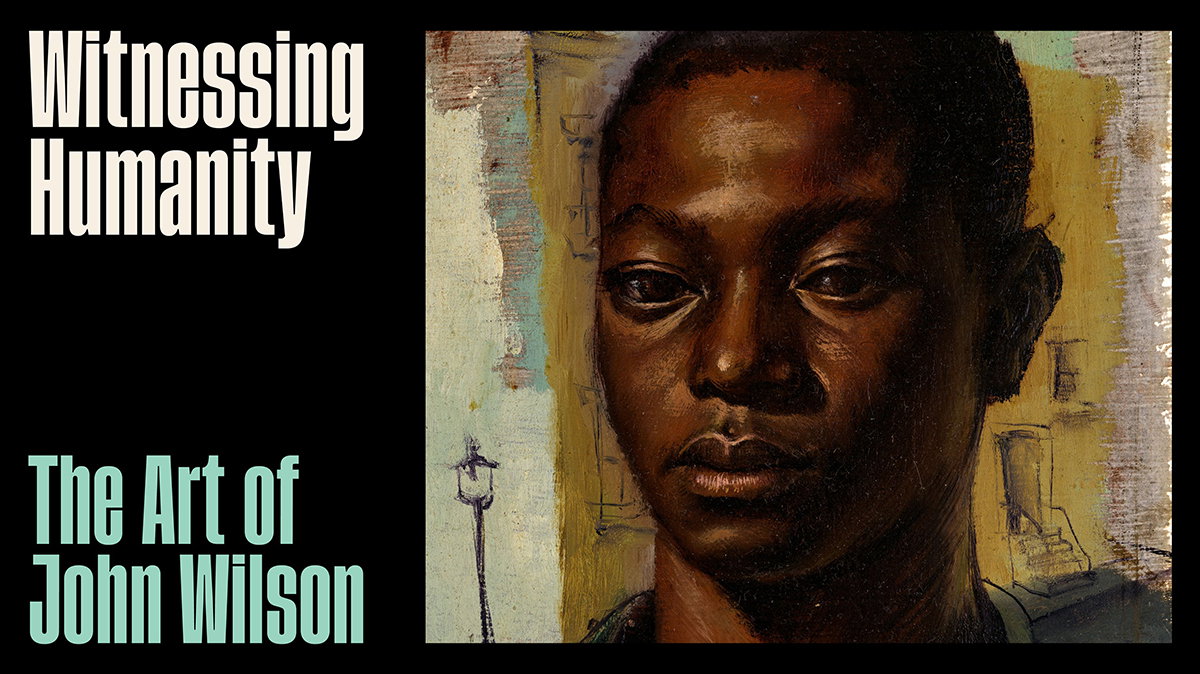
For over six decades, the American artist John Wilson (1922–2015) made powerful and poetic works that captured his life as a Black American artist and his ongoing quest for racial, social, and economic justice. Wilson's art reflected on and responded to the turbulent times in which he lived. His subjects included racial violence, labor, the writings of Richard Wright, the Civil Rights Movement, street scenes, and intimate images of family life, with a particular focus on fatherhood. Despite the power of his art and the continuing relevance of the themes he explored, Wilson's work has not received the recognition it deserves.
Working in a figurative style, Wilson sought to portray what he called "a universal humanity." While still a teenager, he was struck by the absence of positive representations of Black Americans and their experiences in both museums and popular culture. To counter such prejudices and omissions, Wilson put the experiences of Black Americans at the center and created images that portrayed dignity and strength. |
| Learn more → |
| Exhibition Highlights |
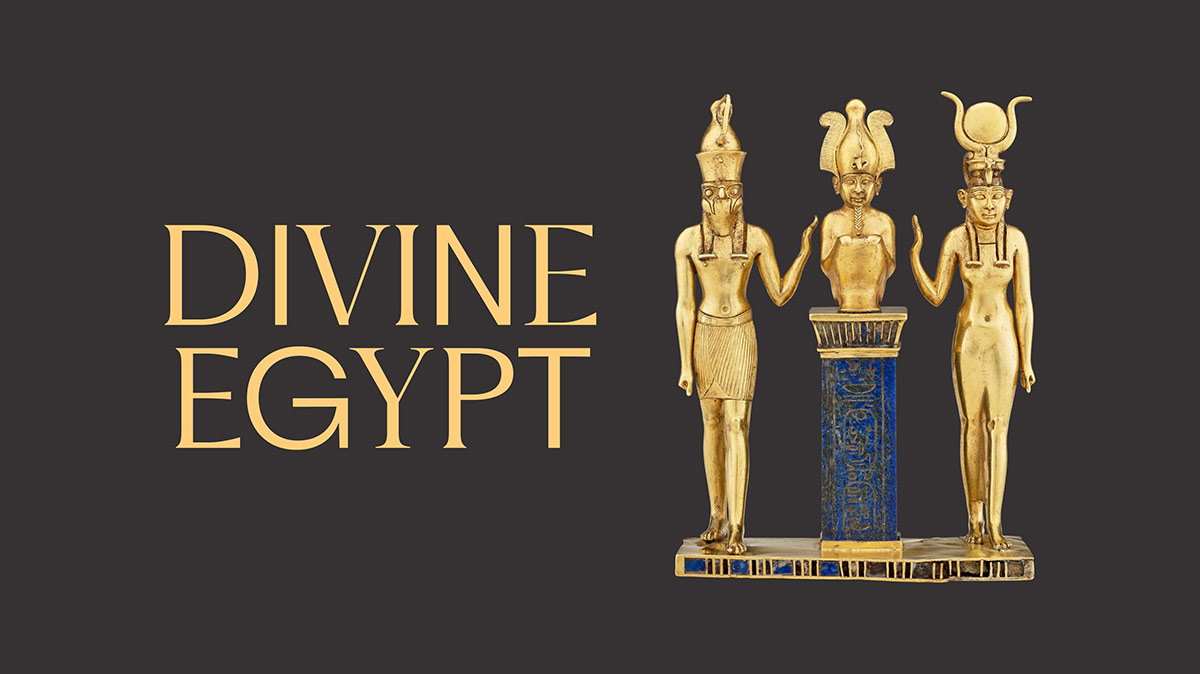 |
| Divine Egypt |
| UPCOMING |
Opening October 12, 2025
The Met Fifth Avenue |
|
|
|
|
|
|
|
|
| See more exhibitions → |
| Date Night at The Met |
 |
| Have a night out at The Met! Every week we stay open late for Date Night. Stroll through the galleries, enjoy live music, and take part in fun activities. You can also enjoy two-for-one drinks specials from one of our cafes, or catch New York City skyline sunset views over Central Park from our Roof Garden. |
| Learn more → |
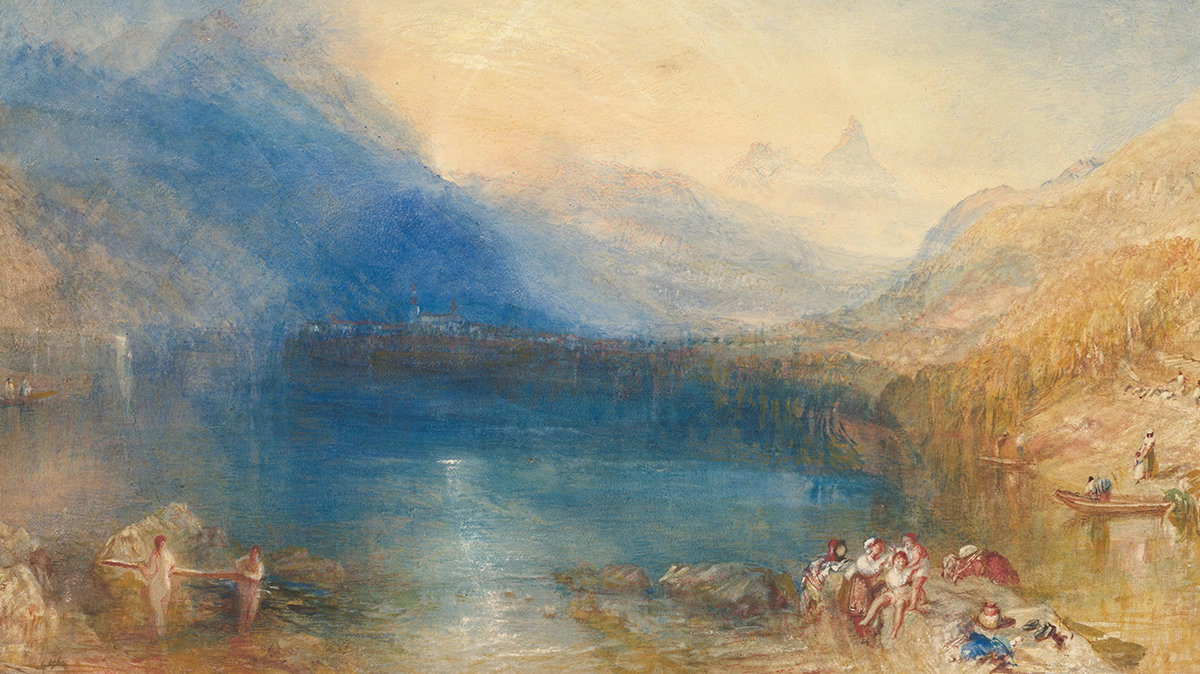
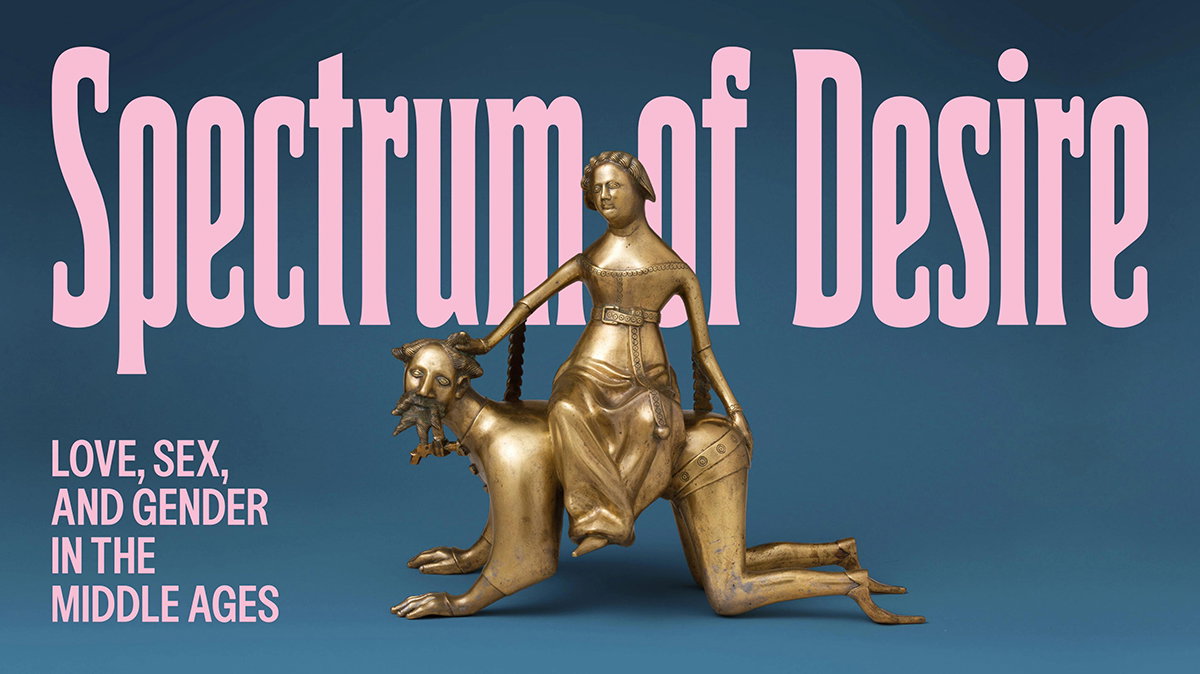
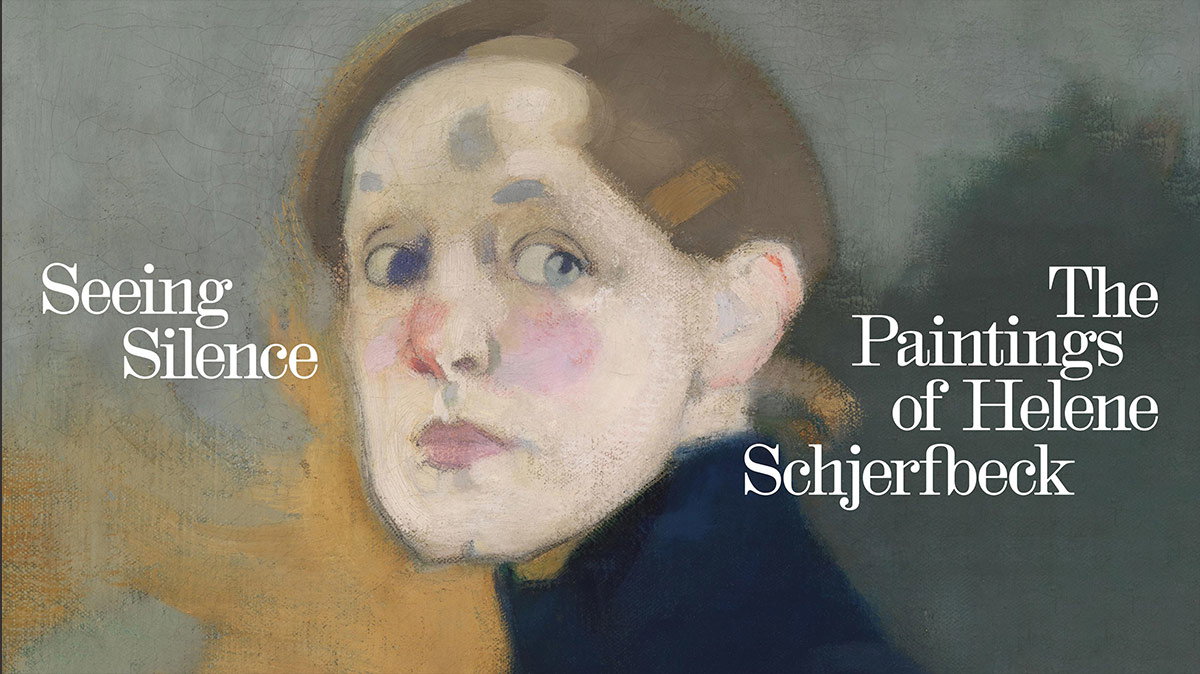
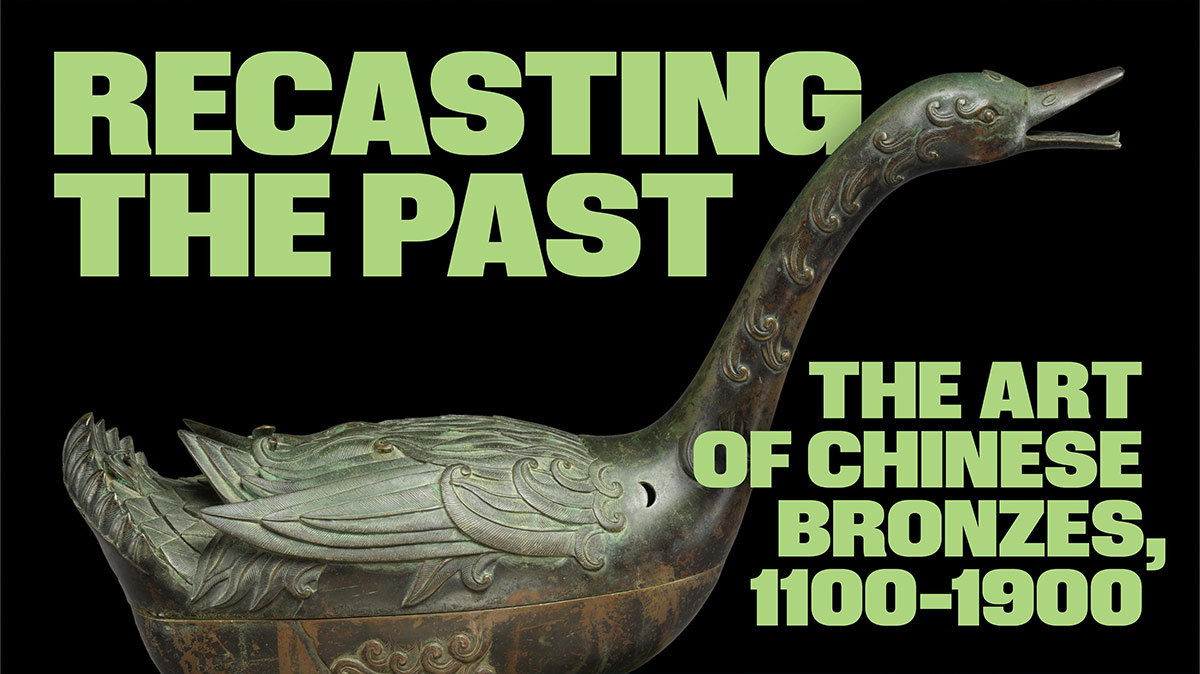
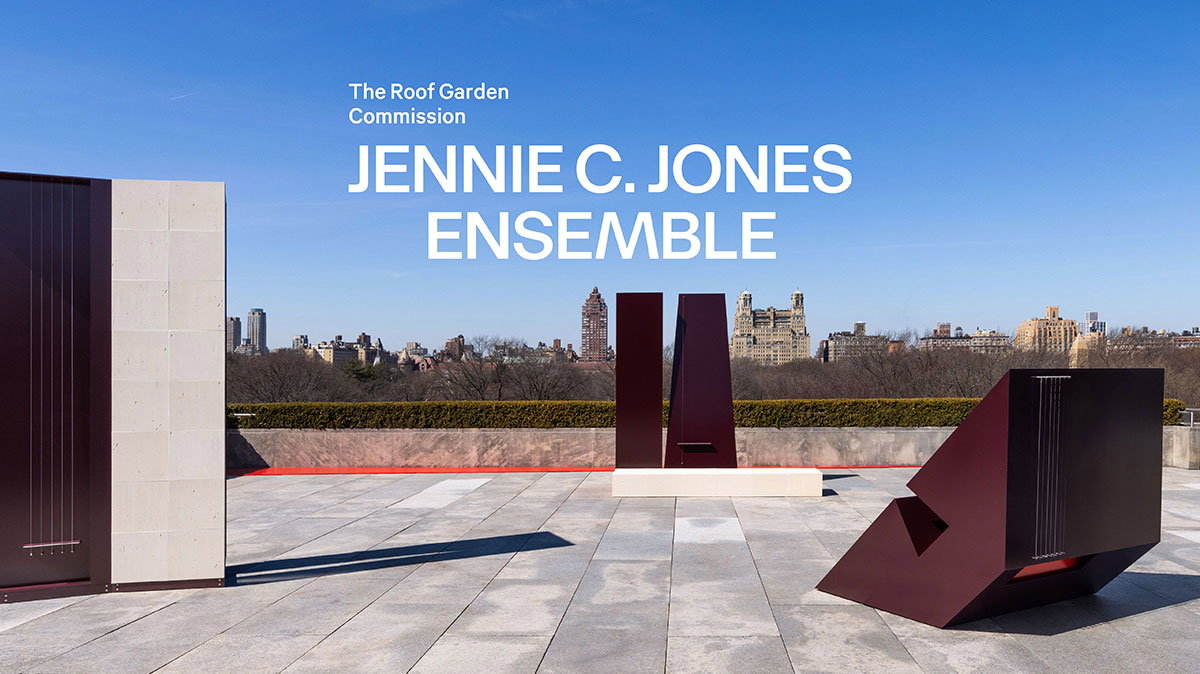
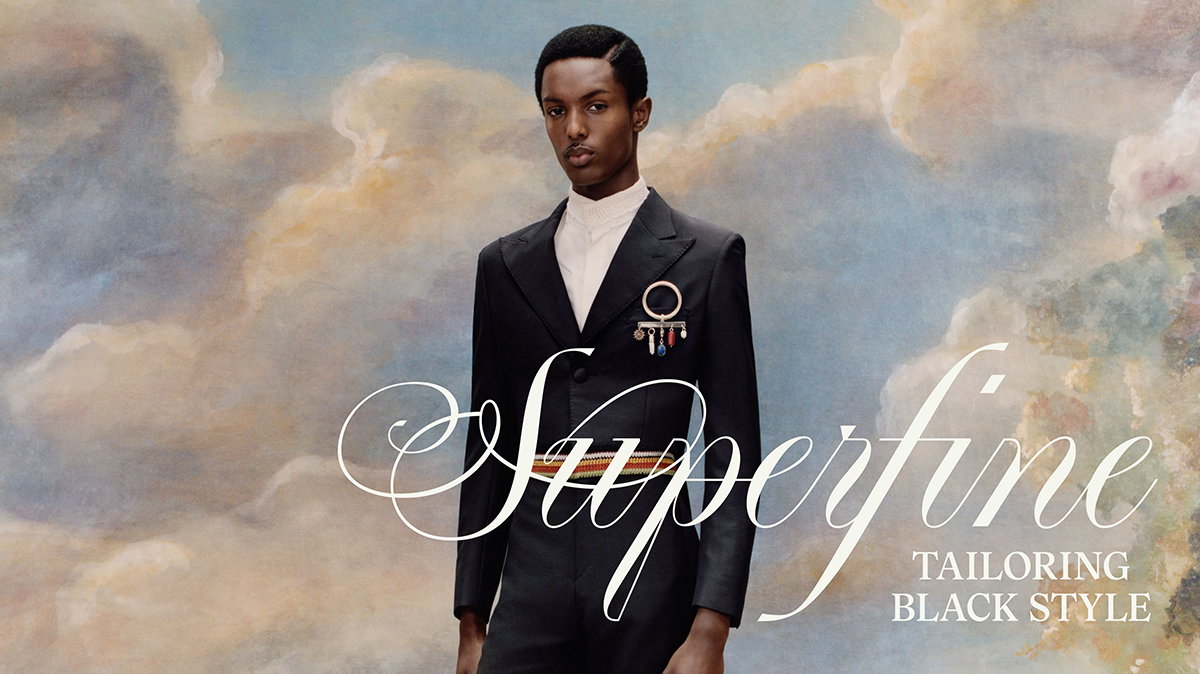
For more information on the exhibitions, including sponsorship credits, visit Man Ray: When Objects Dream, Witnessing Humanity: The Art of John Wilson, The Genesis Facade Commission: Jeffrey Gibson, The Animal That Therefore I Am, Allegory and Abstraction: Selections from the Department of Drawings and Prints, Divine Egypt, Spectrum of Desire: Love, Sex, and Gender in the Middle Ages, Seeing Silence: The Paintings of Helene Schjerfbeck, Recasting the Past: The Art of Chinese Bronzes, 1100–1900, The Roof Garden Commission: Jennie C. Jones, Ensemble, and Superfine: Tailoring Black Style.
For a full list of education program funders, please visit metmuseum.org/educationfundingsupport.
Images: Man Ray (American, 1890–1976). Rayograph, 1922. Gelatin silver print. Private Collection. © Man Ray 2015 Trust / Artists Rights Society (ARS), NY / ADAGP, Paris 2025 | John Wilson (American, 1922–2015). My Brother, 1942. Oil on panel, 12 x 10 5/8 in. (30.48 x 26.9875 cm). Smith College Museum of Art, Purchased, (SC 1943.4.1) Courtesy of the Estate of John Wilson | Joseph Mallord William Turner (British, London 1775–1851 London). The Lake of Zug, 1843. Watercolor and bodycolor (gouache) with reductive techniques over graphite. The Metropolitan Museum of Art, Marquand Fund, 1959 (59.120) | Triad of Osiris, Horus, and Isis. From Egypt, probably Thebes, Karnak Temple. Third Intermediate Period, Dynasty 22, reign of Osorkon II (about 872–837 BCE). Gold inlaid with lapis lazuli. Acquired in 1872. Paris, Louvre Museum, Department of Egyptian Antiquities (E 6204). © 2025 GrandPalaisRmn (Louvre Museum). Photo: Mathieu Rabea | Aquamanile in the Form of Phyllis and Aristotle, Netherlandish, late 14th or early 15th century. Copper alloy, 12 ¾ x 7 x 15½ in. (32.5 x 17.9 x 39.3 cm). The Metropolitan Museum of Art, New York, Robert Lehman Collection, 1975 (1975.1.1416) | Helene Schjerfbeck (Finnish, 1862–1946). Self-Portrait (detail), 1912. Oil on canvas, 17 1/8 × 16 1/2 in. (43.5 × 42 cm). Finnish National Gallery Collection, Ateneum Art Museum, Helsinki (A-2016-51). Photo: Finnish National Gallery / Yehia Eweis | Incense burner in the form of a goose, China, Ming dynasty (1368–1644), early 15th century. Bronze. The Metropolitan Museum of Art, New York, Purchase, The Vincent Astor Foundation Gift, 2020 | Installation view of Ensemble, 2025, by Jennie C. Jones. Powder coated aluminum, stainless steel strings, instrument pins and concrete cast travertine tiles. Courtesy Alexander Gray Associates, New York © 2025 Jennie C. Jones | Tyler Mitchell, Untitled (Christian in Wales Bonner), 2025 |
|
|
|
|