|
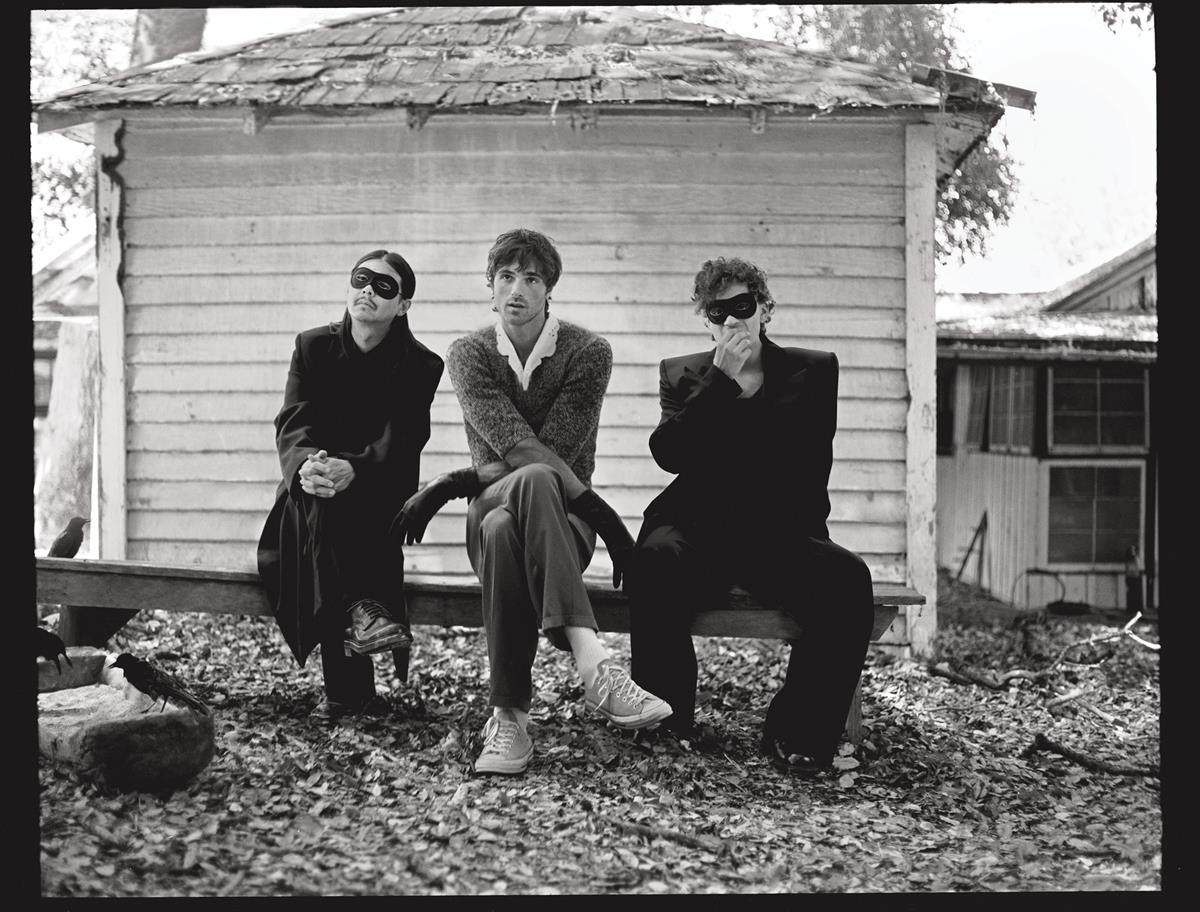
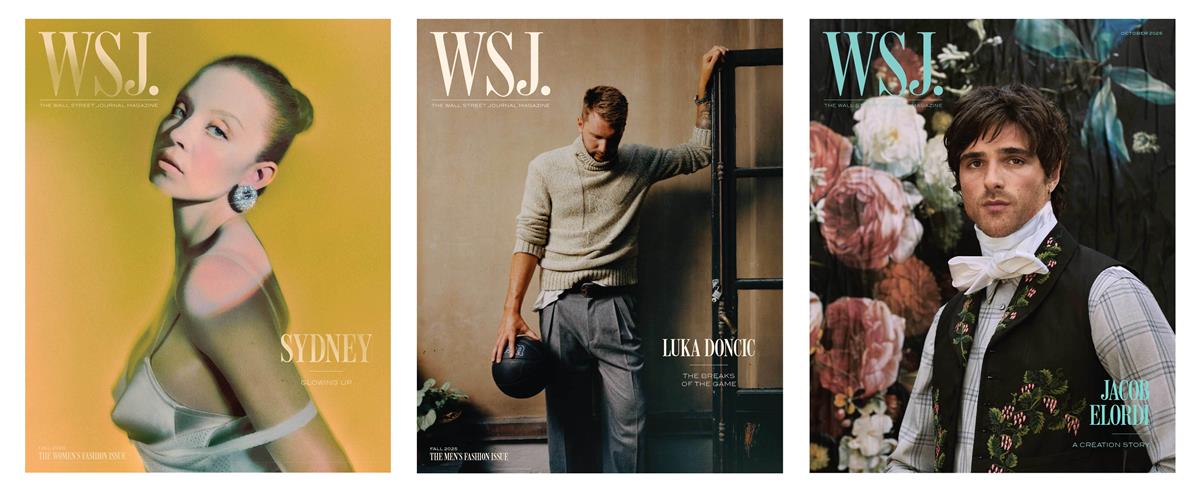
T’S A GOTHIC, spooky season, and the gentleman who greets you from our cover is the perfect embodiment of both. Reanimating two 19th-century literary icons—Emily Brontë’s Heathcliff, in director Emerald Fennell’s perversely twisty version of Wuthering Heights, and Mary Shelley’s miserable monster in Frankenstein, now getting its long-awaited redux from Guillermo del Toro—is young Jacob Elordi, fast becoming the most desirable leading man in Hollywood. The placid Australian actor’s study of monster-adjacent arts, including guttural throat-singing and avant-garde forms of dance, prepared him for the role of Victor Frankenstein’s creation, which, per early reviews, may pave the way for a first crack at
awards.
But Elordi’s performances aren’t the culture’s only flirtation with the high Romantic. Dior, under the historic appointment of Jonathan Anderson, the first designer to fuse its men’s and women’s maisons since founder Christian Dior, is finding pure modernity in raiding the attic for tropes of 19th-century paintings, from sweeping capes to rakish frock coats to aristocratic cravats. (Cravats at the Emmys: Who knew?!) Anderson’s women’s collection—freshly unveiled as of this writing but still a tantalizing mystery to your correspondent—promises to subvert the ball gown and left-for-dead components like the bustle. If you missed Dior’s sneak-peek punk-rock version at the Venice Film Festival, I can only describe it as: Take Hilary Swank’s 2002 navy silk Guy Laroche Oscar dress, blend with equal parts Cinderella’s 1950s animated stepsisters, and serve after hours on the walls of the
Frick.
The best part of Anderson gleefully skipping through the Les Misérables costume box is that the house itself has no sacrosanct 19th-century history to tiptoe around. Unlike some of its centuries-old French peers, Dior dates from 1946. It has more temporal commonality with those midcentury stepsisters. And so an imagined literary backstory for Anderson’s collections can be more Jane Austen’s Northanger Abbey—gleefully sending up and embracing gothic themes but with the cool distance of satire, with the wink of gleaming humor instead of overly reverent facsimile. What could be more modern than that?
|