US · thenewsette.com

From microplastics to comfort.

Why everyone’s suddenly talking about cotton again.


This email was sent

Is this your brand on Milled? Claim it.

͏ ‌     ͏ ‌     ͏ ‌     ͏ ‌     ͏ ‌     ͏ ‌     ͏ ‌     ͏ ‌     ͏ ‌     ͏ ‌     ͏ ‌     ͏ ‌     ͏ ‌     ͏ ‌     ͏ ‌     ͏ ‌     ͏ ‌     ͏ ‌     ͏ ‌     ͏ ‌     ͏ ‌     ͏ ‌     ͏ ‌     ͏ ‌     ͏ ‌     ͏ ‌     ͏ ‌     ͏ ‌     ͏ ‌     ͏ ‌     ͏ ‌     ͏ ‌     ͏ ‌     ͏ ‌     ͏ ‌     ͏ ‌     ͏ ‌     ͏ ‌     ͏ ‌     ͏ ‌     ͏ ‌     ͏ ‌     ͏ ‌     ͏ ‌     ͏ ‌     ͏ ‌     ͏ ‌     ͏ ‌     ͏ ‌     ͏ ‌     ͏ ‌     ͏ ‌     ͏ ‌     ͏ ‌     ͏ ‌     ͏ ‌     ͏ ‌     ͏ ‌     ͏ ‌     ͏ ‌     ͏ ‌     ͏ ‌     ͏ ‌     ͏ ‌     ͏ ‌     ͏ ‌     ͏ ‌     ͏ ‌     ͏ ‌     ͏ ‌     ͏ ‌     ͏ ‌     ͏ ‌     ͏ ‌     ͏ ‌     ͏ ‌     ͏ ‌     ͏ ‌     ͏ ‌     ͏ ‌     ͏ ‌     ͏ ‌     ͏ ‌     ͏ ‌     ͏ ‌     ͏ ‌     ͏ ‌     ͏ ‌     ͏ ‌     ͏ ‌     ͏ ‌     ͏ ‌     ͏ ‌     ͏ ‌     ͏ ‌     ͏ ‌     ͏ ‌     ͏ ‌     ͏ ‌     ͏ ‌     ͏ ‌     ͏ ‌     ͏ ‌     ͏ ‌     ͏ ‌     ͏ ‌     ͏ ‌     ͏ ‌     ͏ ‌     ͏ ‌     ͏ ‌     ͏ ‌     ͏ ‌     ͏ ‌     ͏ ‌     ͏ ‌     ͏ ‌     ͏ ‌     ͏ ‌     ͏ ‌     ͏ ‌     ͏ ‌     ͏ ‌     ͏ ‌     ͏ ‌     ͏ ‌     ͏ ‌     ͏ ‌     ͏ ‌     ͏ ‌     ͏ ‌     ͏ ‌     ͏ ‌     ͏ ‌     ͏ ‌     ͏ ‌     ͏ ‌     ͏ ‌     ͏ ‌     ͏ ‌     ͏ ‌     ͏ ‌     ͏ ‌     ͏ ‌     ͏ ‌     ͏ ‌     ͏ ‌     ͏ ‌     ͏ ‌     ͏ ‌     ͏ ‌     ͏ ‌     ͏ ‌     ͏ ‌     ͏ ‌     ͏ ‌     ͏ ‌     ͏ ‌     ͏ ‌     ͏ ‌     ͏ ‌     ͏ ‌     ͏ ‌     ͏ ‌     ͏ ‌     ͏ ‌     ͏ ‌     ͏ ‌     ͏ ‌     ͏ ‌     ͏ ‌     ͏ ‌     ͏ ‌     ͏ ‌     ͏ ‌     ͏ ‌     ͏ ‌     ͏ ‌     ͏ ‌     ͏ ‌     ͏ ‌     ͏ ‌     ͏ ‌     ͏ ‌     ͏ ‌     ͏ ‌     ͏ ‌     ͏ ‌     ͏ ‌     ͏ ‌     ͏ ‌     ͏ ‌     ͏ ‌     ͏ ‌     ͏ ‌     ͏ ‌     ͏ ‌     ͏ ‌     ͏ ‌     ͏ ‌     ͏ ‌     ͏ ‌     ͏ ‌     ͏ ‌     ͏ ‌     ͏ ‌     ͏ ‌     ͏ ‌     ͏ ‌     ͏ ‌     ͏ ‌     ͏ ‌     ͏ ‌     ͏ ‌     ͏ ‌     ͏ ‌     ͏ ‌     ͏ ‌     ͏ ‌     ͏ ‌     ͏ ‌     ͏ ‌     ͏ ‌     ͏ ‌     ͏ ‌     ͏ ‌     ͏ ‌     ͏ ‌     ͏ ‌     ͏ ‌     ͏ ‌     ͏ ‌     ͏ ‌     ͏ ‌     ͏ ‌     ͏ ‌     ͏ ‌     ͏ ‌     ͏ ‌     ͏ ‌     ͏ ‌     ͏ ‌     ͏ ‌     ͏ ‌     ͏ ‌     ͏ ‌     ͏ ‌     ͏ ‌     ͏ ‌     ͏ ‌     ͏ ‌     ͏ ‌     ͏ ‌     ͏ ‌     ͏ ‌     ͏ ‌     ͏ ‌     ͏ ‌     ͏ ‌     ͏ ‌     ͏ ‌     ͏ ‌     ͏ ‌     ͏ ‌     ͏ ‌     ͏ ‌     ͏ ‌     ͏ ‌     ͏ ‌     ͏ ‌     ͏ ‌     ͏ ‌     ͏ ‌     ͏ ‌     ͏ ‌     ͏ ‌     ͏ ‌     ͏ ‌     ͏ ‌     ͏ ‌     ͏ ‌     ͏ ‌     ͏ ‌     ͏ ‌     ͏ ‌     ͏ ‌     ͏ ‌     ͏ ‌     ͏ ‌     ͏ ‌     ͏ ‌     ͏ ‌     ͏ ‌     ͏ ‌     ͏ ‌     ͏ ‌     ͏ ‌     ͏ ‌     ͏ ‌     ͏ ‌     ͏ ‌     ͏ ‌     ͏ ‌     ͏ ‌     ͏ ‌     ͏ ‌     ͏ ‌     ͏ ‌     ͏ ‌     ͏ ‌     ͏ ‌     ͏ ‌     ͏ ‌     ͏ ‌     ͏ ‌     ͏ ‌     ͏ ‌     ͏ ‌     ͏ ‌     ͏ ‌    ­ ­ ­ ­ ­ ­ ­ ­ ­ ­ ­ ­ ­ ­ ­ ­ ­ ­ ­ ­ ­ ­ ­ ­ ­ ­ ­ ­ ­ ­ ­ ­ ­ ­ ­ ­ ­ ­ ­ ­ ­ ­ ­ ­ ­ ­ ­ ­ ­ ­ ­ ­ ­ ­ ­ ­ ­ ­ ­ ­ ­ ­ ­ ­ ­ ­ ­ ­ ­ ­ ­ ­ ­ ­ ­ ­ ­ ­ ­ ­ ­ ­ ­ ­ ­ ­ ­ ­ ­ ­ ­ ­ ­ ­ ­ ­ ­ ­ ­ ­ ­ ­ ­ ­ ­ ­ ­ ­ ­ ­ ­ ­ ­ ­ ­ ­ ­ ­ ­ ­ ­ ­ ­ ­ ­ ­ ­ ­ ­ ­ ­ ­ ­ ­ ­ ­ ­ ­ ­ ­ ­ ­ ­ ­ ­ ­ ­ ­ ­ ­ ­ ­ ­ ­ ­ ­ ­ ­ ­ ­ ­ ­ ­ ­ ­ ­ ­ ­ ­ ­ ­ ­ ­ ­ ­ ­ ­ ­ ­ ­ ­ ­ ­ ­ ­ ­ ­ ­ ­ ­ ­ ­ ­ ­ ­ ­ ­ ­ ­ ­ ­ ­ ­ ­ ­ ­ ­ ­ ­ ­ ­ ­ ­ ­ ­ ­ ­ ­ ­ ­ ­ ­ ­ ­ ­ ­ ­ ­ ­ ­ ­ ­ ­ ­ ­ ­ ­ ­ ­ ­ ­ ­ ­ ­ ­ ­ ­ ­ ­ ­ ­ ­ ­ ­ ­ ­ ­ ­ ­ ­ ­ ­ ­ ­ ­ ­ ­ ­ ­ ­ ­ ­ ­ ­ ­ ­ ­ ­ ­ ­ ­ ­

MAY 26, 2026

INSIDE: Balance, Summer Fitness, and Less Synthetics.

TODAY I WILL:

Respect my own boundaries.

If your long weekend involved sun, steam, and staying up too late… same. Let’s regroup.

Summer, But Make It Balanced

As Mental Health Awareness Month comes to a close, summer is just about to kick off—and the season has a way of making your out-of-office fantasies feel very real… even while your Slack is still popping off. With longer days and everyone suddenly pretending they’re “just checking email from the pool,” the pressure to be both productive and present can feel weirdly intense.

But maybe work-life balance this summer isn’t about perfectly splitting your time 50/50. Maybe it’s about being a little less available on purpose.

That can look like taking your laptop outside instead of staying glued to your desk, batching emails instead of living in your inbox, or planning actual fun with the same energy you use to schedule meetings. The point isn’t becoming a summer productivity robot with better scenery. It’s creating boundaries that make your life feel like it belongs to you again.

There’s also something to be said for embracing the seasonal energy shift. Summer naturally invites a slower, more social rhythm, and fighting that every single day is exhausting. Things like leaving work on time for a beach walk, taking a real lunch instead of your usual sad desk snack, or logging off for a Friday afternoon when you can instead of cosplaying urgency all sound great.

Try this today: Pick one “hard stop” this week, whether that’s no emails after 6 P.M., a phone-free lunch outside, or blocking an hour for something that has absolutely nothing to do with productivity. Summer’s short, act accordingly.

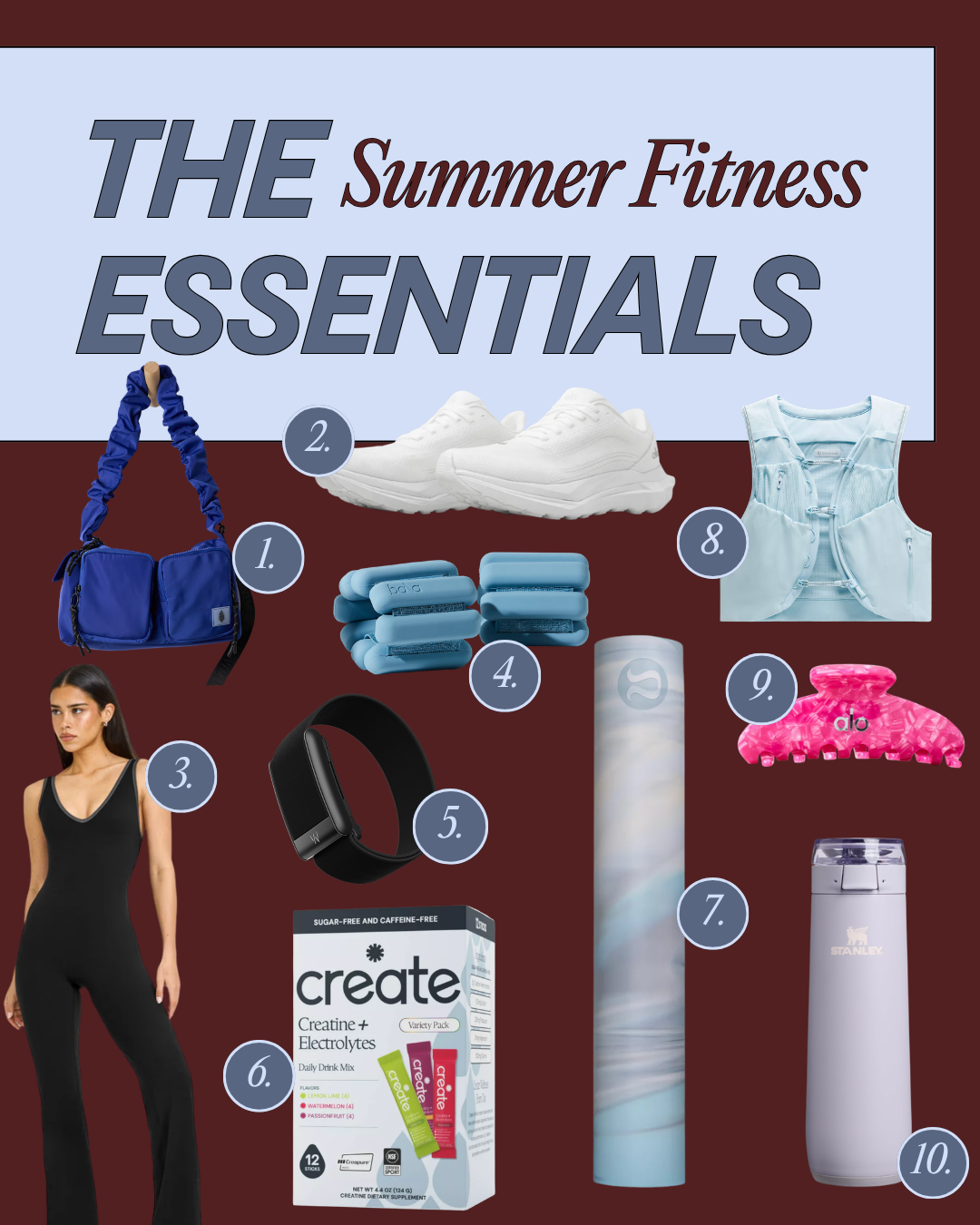
Warmer weather makes everything feel a little more motivating—including your workouts. Whether you’re heading to hot girl walks, outdoor classes, pickleball matches, or just trying to stay active between weekend plans, these are the upgrades designed to keep up with your summer schedule and make movement feel fun again. 


1. Free People Shoulder Bag, 2. Alo Runner, 3. Softmotion Onesie, 4. Bala Bangles Monochrome Weights, 5. WHOOP fitness tracker, 6. Create Wellness Creatine + Electrolytes Mix, 7. Lululemon Yoga Mat, 8. Lululemon Running Vest, 9. Alo 90’s Claw Clip, 10. Stanley Leakproof Water Bottle

As conversations around microplastics, overconsumption, and “what’s actually in our clothes?” continue to dominate, we’re starting to rethink the fabrics we wear every day. Suddenly, natural fibers—especially cotton—are at the center of the conversation. But this shift goes beyond aesthetics or trend cycles. It’s about the intentionality of comfort, quality, and longevity—and that means saying goodbye to fast-fashion impulse buys. 


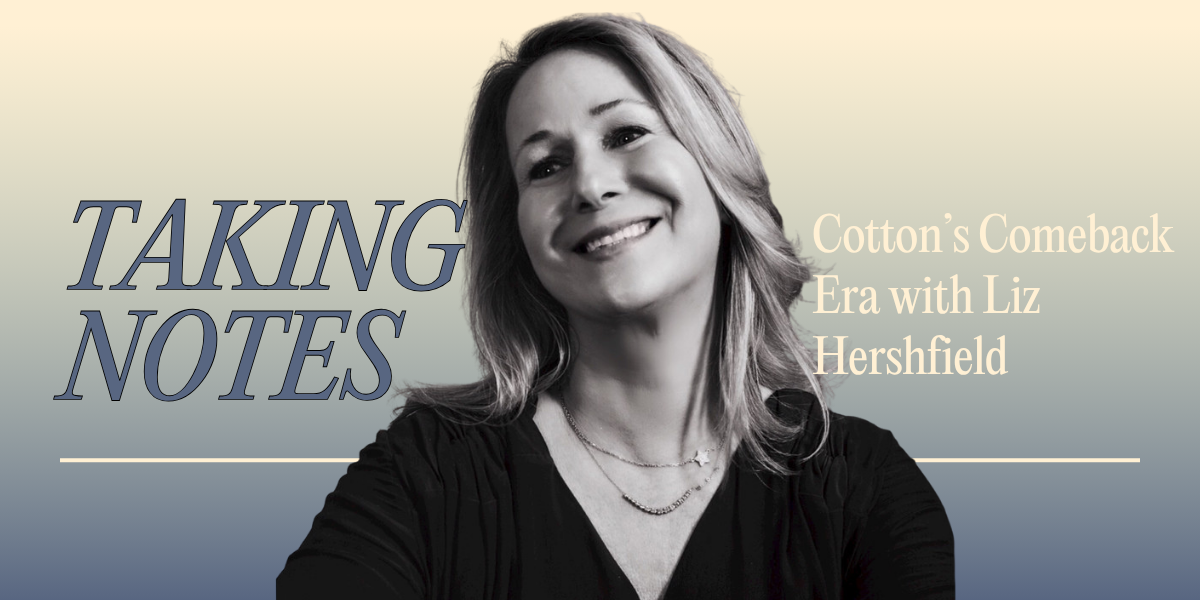
To get a better understanding of cotton’s renewed attention, we spoke with Cotton USA Executive Director Liz Hershfield about what’s driving the move away from synthetics and the small swaps people can make to build a better-for-you wardrobe. 


It feels like cotton is having a real moment right now. From your perspective, what’s driving this renewed focus on natural fibers? 

Cotton is absolutely having a moment right now, and it’s really being driven by a shift in how people want to feel in their clothes, not just how they look in them. There’s a renewed focus on comfort, and at the same time, people are paying closer attention to what touches their skin. That’s what’s bringing natural fibers back into focus in a meaningful way.  


And as consumers get more intentional about what they buy and wear daily, they’re also starting to care about why certain pieces feel better and last longer. Fabric origin and quality are becoming part of the decision-making, especially for everyday staples, with U.S. cotton in particular rising to the top as a dependable foundation for the clothes people wear most. 


Ultimately, this renewed focus on natural fibers is about trust, transparency, and performance coming together, and cotton is uniquely positioned at the center of that shift. 


There’s a growing conversation around reducing synthetic fabrics. Do you think this is a temporary trend, or are we looking at a long-term shift in how people think about materials? 

What we’re seeing isn’t a short-term reaction; it’s a longer-term shift in how people think about what they wear. We’ve always known natural fibers are better for the environment because they naturally biodegrade, unlike synthetics. But with more and more research emerging around microplastic and microfiber shedding from synthetics, consumers are more informed and starting to factor that into their purchasing decisions.  


At the same time, they’re moving away from purely trend-driven purchases and toward pieces that feel better, perform consistently, and last longer in their everyday lives. That shift naturally favors materials like cotton that are versatile, breathable, and easy to wear across seasons and settings. Both conversations reflect a clear shift away from synthetics and toward reliable, natural materials people know, trust, and can depend on over time. 


How has innovation within cotton evolved to meet modern expectations around performance, comfort, and sustainability? 

Cotton has evolved in ways people can really feel. Today’s cotton fabrics are softer, smoother, and more durable, while still keeping that natural breathability people love. Advancements in farming practices and across the supply chain mean fabrics hold their shape better, feel smoother, and perform consistently over time.  


Sustainable advancements in cotton are being driven at the farm level. Nearly all U.S. cotton farms are family-owned with a long-term focus on caring for the land, remaining economically sustainable, and passing it from generation to generation. That mindset has led to more responsible practices and continuous improvements in how cotton is grown. Ultimately, innovation in cotton is happening at all levels of the supply chain and is focused on enhancing what cotton already does best, whether that means keeping cool, feeling cozy, or just moving easily in what you’re wearing. 


For someone trying to move away from synthetics, what should they actually be looking for on a label? 

I always tell people to look for 100% cotton. From there, consumers should get familiar with and look for brands that publicly state that they use U.S. cotton and are members of the U.S. Cotton Trust Protocol. The U.S. Cotton Trust Protocol is the sustainability and traceability program for U.S. Cotton, so it’s a strong and clear indicator that a brand is being transparent about sourcing U.S. Cotton. 


Are there small swaps that can make a meaningful difference without overhauling your entire wardrobe? 

Absolutely. Start with the pieces you wear on repeat, your everyday essentials. T-shirts, pajamas, underwear, and denim are the easiest places to switch to cotton. They sit closest to your skin, so you’ll feel the difference immediately: softer, more breathable, just overall more comfortable. 


And it doesn’t stop at your closet. Cotton shows up in the parts of your daily routine you probably don’t even think about, your towels, your sheets, your pillowcases, and more. These are the touchpoints you interact with constantly, and where comfort (and quality) really stands out.  A few intentional changes in the things you use every day can make getting dressed—and moving through your routine—feel noticeably better, without overthinking it.

Are you sure?

Lists help you organize the brands that you care about. Your lists are private to you.