US · thenewsette.com

The doctor is in…

And she’s addressing hair loss head-on.


This email was sent

Is this your brand on Milled? Claim it.

͏ ‌     ͏ ‌     ͏ ‌     ͏ ‌     ͏ ‌     ͏ ‌     ͏ ‌     ͏ ‌     ͏ ‌     ͏ ‌     ͏ ‌     ͏ ‌     ͏ ‌     ͏ ‌     ͏ ‌     ͏ ‌     ͏ ‌     ͏ ‌     ͏ ‌     ͏ ‌     ͏ ‌     ͏ ‌     ͏ ‌     ͏ ‌     ͏ ‌     ͏ ‌     ͏ ‌     ͏ ‌     ͏ ‌     ͏ ‌     ͏ ‌     ͏ ‌     ͏ ‌     ͏ ‌     ͏ ‌     ͏ ‌     ͏ ‌     ͏ ‌     ͏ ‌     ͏ ‌     ͏ ‌     ͏ ‌     ͏ ‌     ͏ ‌     ͏ ‌     ͏ ‌     ͏ ‌     ͏ ‌     ͏ ‌     ͏ ‌     ͏ ‌     ͏ ‌     ͏ ‌     ͏ ‌     ͏ ‌     ͏ ‌     ͏ ‌     ͏ ‌     ͏ ‌     ͏ ‌     ͏ ‌     ͏ ‌     ͏ ‌     ͏ ‌     ͏ ‌     ͏ ‌     ͏ ‌     ͏ ‌     ͏ ‌     ͏ ‌     ͏ ‌     ͏ ‌     ͏ ‌     ͏ ‌     ͏ ‌     ͏ ‌     ͏ ‌     ͏ ‌     ͏ ‌     ͏ ‌     ͏ ‌     ͏ ‌     ͏ ‌     ͏ ‌     ͏ ‌     ͏ ‌     ͏ ‌     ͏ ‌     ͏ ‌     ͏ ‌     ͏ ‌     ͏ ‌     ͏ ‌     ͏ ‌     ͏ ‌     ͏ ‌     ͏ ‌     ͏ ‌     ͏ ‌     ͏ ‌     ͏ ‌     ͏ ‌     ͏ ‌     ͏ ‌     ͏ ‌     ͏ ‌     ͏ ‌     ͏ ‌     ͏ ‌     ͏ ‌     ͏ ‌     ͏ ‌     ͏ ‌     ͏ ‌     ͏ ‌     ͏ ‌     ͏ ‌     ͏ ‌     ͏ ‌     ͏ ‌     ͏ ‌     ͏ ‌     ͏ ‌     ͏ ‌     ͏ ‌     ͏ ‌     ͏ ‌     ͏ ‌     ͏ ‌     ͏ ‌     ͏ ‌     ͏ ‌     ͏ ‌     ͏ ‌     ͏ ‌     ͏ ‌     ͏ ‌     ͏ ‌     ͏ ‌     ͏ ‌     ͏ ‌     ͏ ‌     ͏ ‌     ͏ ‌     ͏ ‌     ͏ ‌     ͏ ‌     ͏ ‌     ͏ ‌     ͏ ‌     ͏ ‌     ͏ ‌     ͏ ‌     ͏ ‌     ͏ ‌     ͏ ‌     ͏ ‌     ͏ ‌     ͏ ‌     ͏ ‌     ͏ ‌     ͏ ‌     ͏ ‌     ͏ ‌     ͏ ‌     ͏ ‌     ͏ ‌     ͏ ‌     ͏ ‌     ͏ ‌     ͏ ‌     ͏ ‌     ͏ ‌     ͏ ‌     ͏ ‌     ͏ ‌     ͏ ‌     ͏ ‌     ͏ ‌     ͏ ‌     ͏ ‌     ͏ ‌     ͏ ‌     ͏ ‌     ͏ ‌     ͏ ‌     ͏ ‌     ͏ ‌     ͏ ‌     ͏ ‌     ͏ ‌     ͏ ‌     ͏ ‌     ͏ ‌     ͏ ‌     ͏ ‌     ͏ ‌     ͏ ‌     ͏ ‌     ͏ ‌     ͏ ‌     ͏ ‌     ͏ ‌     ͏ ‌     ͏ ‌     ͏ ‌     ͏ ‌     ͏ ‌     ͏ ‌     ͏ ‌     ͏ ‌     ͏ ‌     ͏ ‌     ͏ ‌     ͏ ‌     ͏ ‌     ͏ ‌     ͏ ‌     ͏ ‌     ͏ ‌     ͏ ‌     ͏ ‌     ͏ ‌     ͏ ‌     ͏ ‌     ͏ ‌     ͏ ‌     ͏ ‌     ͏ ‌     ͏ ‌     ͏ ‌     ͏ ‌     ͏ ‌     ͏ ‌     ͏ ‌     ͏ ‌     ͏ ‌     ͏ ‌     ͏ ‌     ͏ ‌     ͏ ‌     ͏ ‌     ͏ ‌     ͏ ‌     ͏ ‌     ͏ ‌     ͏ ‌     ͏ ‌     ͏ ‌     ͏ ‌     ͏ ‌     ͏ ‌     ͏ ‌     ͏ ‌     ͏ ‌     ͏ ‌     ͏ ‌     ͏ ‌     ͏ ‌     ͏ ‌     ͏ ‌     ͏ ‌     ͏ ‌     ͏ ‌     ͏ ‌     ͏ ‌     ͏ ‌     ͏ ‌     ͏ ‌     ͏ ‌     ͏ ‌     ͏ ‌     ͏ ‌     ͏ ‌     ͏ ‌     ͏ ‌     ͏ ‌     ͏ ‌     ͏ ‌     ͏ ‌     ͏ ‌     ͏ ‌     ͏ ‌     ͏ ‌     ͏ ‌     ͏ ‌     ͏ ‌     ͏ ‌     ͏ ‌     ͏ ‌     ͏ ‌     ͏ ‌     ͏ ‌     ͏ ‌     ͏ ‌     ͏ ‌     ͏ ‌     ͏ ‌     ͏ ‌     ͏ ‌     ͏ ‌     ͏ ‌     ͏ ‌     ͏ ‌     ͏ ‌     ͏ ‌     ͏ ‌     ͏ ‌     ͏ ‌     ͏ ‌     ͏ ‌     ͏ ‌     ͏ ‌     ͏ ‌     ͏ ‌     ͏ ‌     ͏ ‌     ͏ ‌     ͏ ‌     ͏ ‌    ­ ­ ­ ­ ­ ­ ­ ­ ­ ­ ­ ­ ­ ­ ­ ­ ­ ­ ­ ­ ­ ­ ­ ­ ­ ­ ­ ­ ­ ­ ­ ­ ­ ­ ­ ­ ­ ­ ­ ­ ­ ­ ­ ­ ­ ­ ­ ­ ­ ­ ­ ­ ­ ­ ­ ­ ­ ­ ­ ­ ­ ­ ­ ­ ­ ­ ­ ­ ­ ­ ­ ­ ­ ­ ­ ­ ­ ­ ­ ­ ­ ­ ­ ­ ­ ­ ­ ­ ­ ­ ­ ­ ­ ­ ­ ­ ­ ­ ­ ­ ­ ­ ­ ­ ­ ­ ­ ­ ­ ­ ­ ­ ­ ­ ­ ­ ­ ­ ­ ­ ­ ­ ­ ­ ­ ­ ­ ­ ­ ­ ­ ­ ­ ­ ­ ­ ­ ­ ­ ­ ­ ­ ­ ­ ­ ­ ­ ­ ­ ­ ­ ­ ­ ­ ­ ­ ­ ­ ­ ­ ­ ­ ­ ­ ­ ­ ­ ­ ­ ­ ­ ­ ­ ­ ­ ­ ­ ­ ­ ­ ­ ­ ­ ­ ­ ­ ­ ­ ­ ­ ­ ­ ­ ­ ­ ­ ­ ­ ­ ­ ­ ­ ­ ­ ­ ­ ­ ­ ­ ­ ­ ­ ­ ­ ­ ­ ­ ­ ­ ­ ­ ­ ­ ­ ­ ­ ­ ­ ­ ­ ­ ­ ­ ­ ­ ­ ­ ­ ­ ­ ­ ­ ­ ­ ­ ­ ­ ­ ­ ­ ­ ­ ­ ­ ­ ­ ­ ­ ­ ­ ­ ­ ­ ­ ­ ­ ­ ­ ­ ­ ­ ­ ­ ­ ­ ­ ­ ­ ­ ­ ­ ­

INSIDE: Authenticity, Soft Saving, and Dr. Aamna Adel’s Scalp Care Secrets.

TODAY I WILL:

Turn my bedroom into the ultimate recharge station (starting with this mattress and a free gift with purchase).*

The culture is blushing, the Knicks are thriving, and our favorite films might be revealing more than we think.

Save a Little, Live a Little

For years, personal finance advice seemed to come with an all-or-nothing mindset: cut every expense, skip every treat, and optimize every dollar. But lately, a different approach is gaining traction. Enter soft saving, the idea that financial responsibility doesn't have to come at the expense of actually enjoying your life.

Instead of obsessing over perfection, soft saving focuses on balance. It's contributing to your savings account while still saying yes to dinner with friends. It's booking the trip you've been dreaming about without feeling guilty for not putting every spare dollar toward a future goal. The mindset recognizes that life isn’t just about building wealth… especially if you’re not using that money to actually live. 

Rather than mindlessly spending or aggressively restricting, soft savers prioritize spending on what matters most to them and let go of the pressure to optimize every financial decision. Think fewer impulse purchases, more meaningful experiences, and a budget that leaves room for both your future self and your current one.

Try this: Pick one financial goal you're working toward, then choose one small indulgence you're allowing yourself this month. Building healthy money habits tends to be a lot easier when your budget includes a little breathing room.

Authenticity Check-In


Pride Month is a time of celebration, reflection, and showing up as your full self. But when was the last time you truly checked in with yourself? 


Research suggests that living authentically—aligning your actions with who you really are—can support your mental, emotional, and even physical well-being. When we're constantly trying to fit someone else's expectations, it can create unnecessary stress and leave us feeling disconnected from ourselves.


Try this today: Identify one small way you can show up more authentically today. It could be speaking up in a meeting, wearing something you love, setting a boundary, or simply taking up a little more space. Write it down and come back to your note to self whenever you need it. 

Hair loss is one of the most common—and least discussed—medical concerns affecting people today. Whether triggered by stress, hormones, illness, or medication, the experience can feel isolating and confusing without the right information.


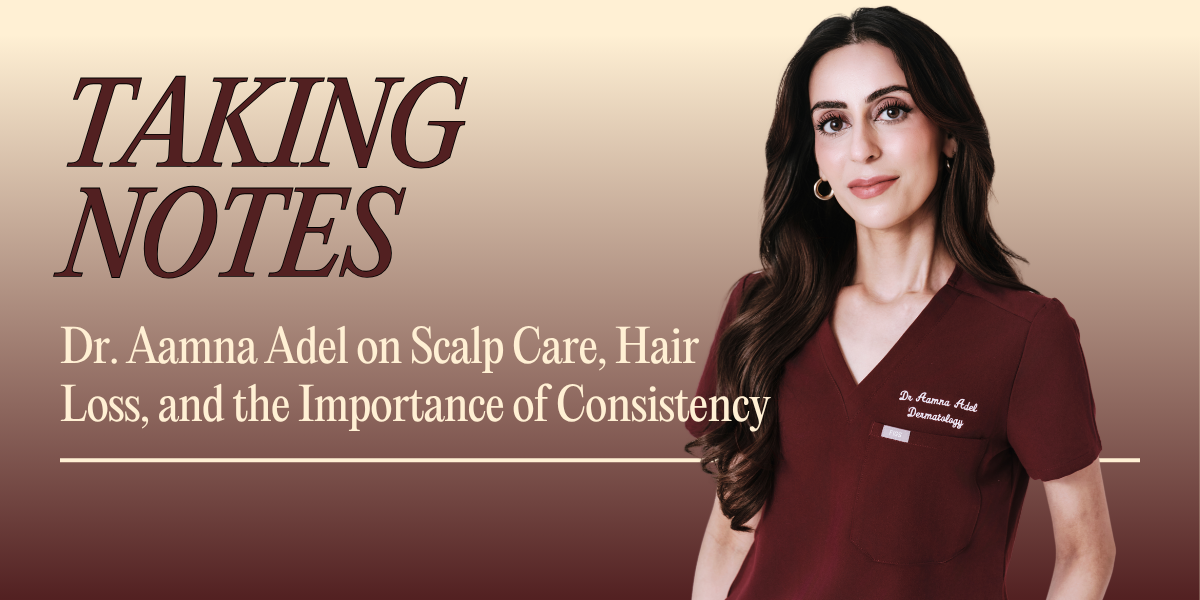
Dr. Aamna Adel, MBBS MRCP, brings both clinical expertise and actual personal experience to the subject. Diagnosed with lupus after a sudden episode of painful hair loss, she found herself on the other side of the patient experience, grappling with limited treatment options and a lack of accessible guidance. That gap is what led her to use her platform to discuss scalp health and ultimately create Rhute, a scalp care brand built on clinically tested, science-driven formulas.

Her approach comes down to a simple conviction: The basics, done consistently, will outperform any single procedure. Here, she speaks with The Newsette about the myths we need to let go of, what’s actually driving today’s rise in hair loss, and where to put your money if you’re ready to take things further.


What drew you specifically to scalp and hair within dermatology?

When I first started derm, I wanted to be a mole surgeon—focusing on skin cancer surgery, the more technically advanced, hands-on side. What changed everything was a personal experience. Before I was diagnosed with lupus, I had a couple of days where my scalp felt really tender. Then I woke up one morning and found I’d lost huge chunks of hair. I went through biopsies and got diagnosed. But being on the other side of that experience really triggered something in me.


Do you think the apparent rise in people experiencing or seeking help for hair loss is real? 

The number of people seeking help does seem to have increased. COVID played a big role; we definitely saw a link between post-viral illness and hair loss. And it wasn’t just people who got COVID—those who were severely stressed by lockdown triggered a stress response with the same effect. That post-viral, stress-related connection is something I saw clearly in clinic.


What about GLP-1s? 

GLP-1s are really common now, and the volume of people I’m seeing with hair thinning from them is striking—it seems to affect almost every single person I know who is on one. But it’s always that balance, because those same people often have better blood sugar control and better health. Hair becomes the lower priority when you’re weighing it against other health concerns.


The honest answer is that we don’t actually know yet whether the medication itself (or the weight loss) is causing the hair loss. We’d need to see what happens when people come off it—and even then, it’s six to nine months before you’d know whether the hair is going to return.


What are some of the biggest hair and scalp myths you want to bust?

A few I hear constantly:

  • “Hair training" works. The idea that washing less will regulate oil simply doesn’t hold up—you can’t regulate oil production by washing something less. For most people, they should be washing far more than they think.

  • All heat is bad. Blow drying your hair (with heat protectant) is often better than letting it air dry for hours. A wet scalp is how you get yeast overgrowth and fungal issues. Hair is also far more fragile when wet, so sleeping on wet hair causes breakage.

  • Sun damage only affects your skin. UV is actually a bigger damager of hair than bleach—breaking it down every single day. When hair feels dry and brittle in summer, or color lightens from sun exposure, that’s damage. A UV-protective spray in summer is something I’d always recommend.


For someone with a limited budget who is experiencing hair loss, what products would you prioritize?

Start with a good shampoo matched to your scalp type—it’s not one size fits all. If you have a greasy scalp, look for oil-regulating ingredients like salicylic acid or niacinamide. If you have a dry scalp, look for hydrating ones. Conditioner is not optional—everyone should use it.


Bond repair treatment is something almost everyone can benefit from, not just people who bleach their hair. Mechanical damage from everyday handling combined with UV damage means your bonds are being broken regardless.


And a daily scalp serum. People maintain skincare routines for their face even when they don’t have acne. The scalp deserves the same approach—a targeted daily treatment that supports your scalp barrier and provides gentle exfoliation. It’s maintenance, not just a response to a problem.


For someone already doing the basics who wants to take the next step—what higher-tier interventions do you think are actually worth it?

Low-level laser has good research behind it. It’s an expensive investment, but if you have the budget, it’s worth adding. Microneedling at home or in-office is genuinely helpful—my concern with in-office is cost and consistency. Home microneedling done regularly is often more sustainable.


PRP, for the right candidate, is a great treatment—particularly in the early stages of hormonal hair thinning or for postpartum shedding. If I had one pot of money to spend, that’s probably where I’d put it, because the evidence is there.

Are you sure?

Lists help you organize the brands that you care about. Your lists are private to you.