US · thenewsette.com

The healthcare gap hiding in plain sight.

Inside the documentary challenging bias in women’s healthcare.


This email was sent

Is this your brand on Milled? Claim it.

͏ ‌     ͏ ‌     ͏ ‌     ͏ ‌     ͏ ‌     ͏ ‌     ͏ ‌     ͏ ‌     ͏ ‌     ͏ ‌     ͏ ‌     ͏ ‌     ͏ ‌     ͏ ‌     ͏ ‌     ͏ ‌     ͏ ‌     ͏ ‌     ͏ ‌     ͏ ‌     ͏ ‌     ͏ ‌     ͏ ‌     ͏ ‌     ͏ ‌     ͏ ‌     ͏ ‌     ͏ ‌     ͏ ‌     ͏ ‌     ͏ ‌     ͏ ‌     ͏ ‌     ͏ ‌     ͏ ‌     ͏ ‌     ͏ ‌     ͏ ‌     ͏ ‌     ͏ ‌     ͏ ‌     ͏ ‌     ͏ ‌     ͏ ‌     ͏ ‌     ͏ ‌     ͏ ‌     ͏ ‌     ͏ ‌     ͏ ‌     ͏ ‌     ͏ ‌     ͏ ‌     ͏ ‌     ͏ ‌     ͏ ‌     ͏ ‌     ͏ ‌     ͏ ‌     ͏ ‌     ͏ ‌     ͏ ‌     ͏ ‌     ͏ ‌     ͏ ‌     ͏ ‌     ͏ ‌     ͏ ‌     ͏ ‌     ͏ ‌     ͏ ‌     ͏ ‌     ͏ ‌     ͏ ‌     ͏ ‌     ͏ ‌     ͏ ‌     ͏ ‌     ͏ ‌     ͏ ‌     ͏ ‌     ͏ ‌     ͏ ‌     ͏ ‌     ͏ ‌     ͏ ‌     ͏ ‌     ͏ ‌     ͏ ‌     ͏ ‌     ͏ ‌     ͏ ‌     ͏ ‌     ͏ ‌     ͏ ‌     ͏ ‌     ͏ ‌     ͏ ‌     ͏ ‌     ͏ ‌     ͏ ‌     ͏ ‌     ͏ ‌     ͏ ‌     ͏ ‌     ͏ ‌     ͏ ‌     ͏ ‌     ͏ ‌     ͏ ‌     ͏ ‌     ͏ ‌     ͏ ‌     ͏ ‌     ͏ ‌     ͏ ‌     ͏ ‌     ͏ ‌     ͏ ‌     ͏ ‌     ͏ ‌     ͏ ‌     ͏ ‌     ͏ ‌     ͏ ‌     ͏ ‌     ͏ ‌     ͏ ‌     ͏ ‌     ͏ ‌     ͏ ‌     ͏ ‌     ͏ ‌     ͏ ‌     ͏ ‌     ͏ ‌     ͏ ‌     ͏ ‌     ͏ ‌     ͏ ‌     ͏ ‌     ͏ ‌     ͏ ‌     ͏ ‌     ͏ ‌     ͏ ‌     ͏ ‌     ͏ ‌     ͏ ‌     ͏ ‌     ͏ ‌     ͏ ‌     ͏ ‌     ͏ ‌     ͏ ‌     ͏ ‌     ͏ ‌     ͏ ‌     ͏ ‌     ͏ ‌     ͏ ‌     ͏ ‌     ͏ ‌     ͏ ‌     ͏ ‌     ͏ ‌     ͏ ‌     ͏ ‌     ͏ ‌     ͏ ‌     ͏ ‌     ͏ ‌     ͏ ‌     ͏ ‌     ͏ ‌     ͏ ‌     ͏ ‌     ͏ ‌     ͏ ‌     ͏ ‌     ͏ ‌     ͏ ‌     ͏ ‌     ͏ ‌     ͏ ‌     ͏ ‌     ͏ ‌     ͏ ‌     ͏ ‌     ͏ ‌     ͏ ‌     ͏ ‌     ͏ ‌     ͏ ‌     ͏ ‌     ͏ ‌     ͏ ‌     ͏ ‌     ͏ ‌     ͏ ‌     ͏ ‌     ͏ ‌     ͏ ‌     ͏ ‌     ͏ ‌     ͏ ‌     ͏ ‌     ͏ ‌     ͏ ‌     ͏ ‌     ͏ ‌     ͏ ‌     ͏ ‌     ͏ ‌     ͏ ‌     ͏ ‌     ͏ ‌     ͏ ‌     ͏ ‌     ͏ ‌     ͏ ‌     ͏ ‌     ͏ ‌     ͏ ‌     ͏ ‌     ͏ ‌     ͏ ‌     ͏ ‌     ͏ ‌     ͏ ‌     ͏ ‌     ͏ ‌     ͏ ‌     ͏ ‌     ͏ ‌     ͏ ‌     ͏ ‌     ͏ ‌     ͏ ‌     ͏ ‌     ͏ ‌     ͏ ‌     ͏ ‌     ͏ ‌     ͏ ‌     ͏ ‌     ͏ ‌     ͏ ‌     ͏ ‌     ͏ ‌     ͏ ‌     ͏ ‌     ͏ ‌     ͏ ‌     ͏ ‌     ͏ ‌     ͏ ‌     ͏ ‌     ͏ ‌     ͏ ‌     ͏ ‌     ͏ ‌     ͏ ‌     ͏ ‌     ͏ ‌     ͏ ‌     ͏ ‌     ͏ ‌     ͏ ‌     ͏ ‌     ͏ ‌     ͏ ‌     ͏ ‌     ͏ ‌     ͏ ‌     ͏ ‌     ͏ ‌     ͏ ‌     ͏ ‌     ͏ ‌     ͏ ‌     ͏ ‌     ͏ ‌     ͏ ‌     ͏ ‌     ͏ ‌     ͏ ‌     ͏ ‌     ͏ ‌     ͏ ‌     ͏ ‌     ͏ ‌     ͏ ‌     ͏ ‌     ͏ ‌     ͏ ‌     ͏ ‌     ͏ ‌     ͏ ‌     ͏ ‌     ͏ ‌     ͏ ‌     ͏ ‌     ͏ ‌     ͏ ‌     ͏ ‌     ͏ ‌     ͏ ‌     ͏ ‌     ͏ ‌     ͏ ‌     ͏ ‌     ͏ ‌     ͏ ‌     ͏ ‌     ͏ ‌     ͏ ‌     ͏ ‌     ͏ ‌     ͏ ‌    ­ ­ ­ ­ ­ ­ ­ ­ ­ ­ ­ ­ ­ ­ ­ ­ ­ ­ ­ ­ ­ ­ ­ ­ ­ ­ ­ ­ ­ ­ ­ ­ ­ ­ ­ ­ ­ ­ ­ ­ ­ ­ ­ ­ ­ ­ ­ ­ ­ ­ ­ ­ ­ ­ ­ ­ ­ ­ ­ ­ ­ ­ ­ ­ ­ ­ ­ ­ ­ ­ ­ ­ ­ ­ ­ ­ ­ ­ ­ ­ ­ ­ ­ ­ ­ ­ ­ ­ ­ ­ ­ ­ ­ ­ ­ ­ ­ ­ ­ ­ ­ ­ ­ ­ ­ ­ ­ ­ ­ ­ ­ ­ ­ ­ ­ ­ ­ ­ ­ ­ ­ ­ ­ ­ ­ ­ ­ ­ ­ ­ ­ ­ ­ ­ ­ ­ ­ ­ ­ ­ ­ ­ ­ ­ ­ ­ ­ ­ ­ ­ ­ ­ ­ ­ ­ ­ ­ ­ ­ ­ ­ ­ ­ ­ ­ ­ ­ ­ ­ ­ ­ ­ ­ ­ ­ ­ ­ ­ ­ ­ ­ ­ ­ ­ ­ ­ ­ ­ ­ ­ ­ ­ ­ ­ ­ ­ ­ ­ ­ ­ ­ ­ ­ ­ ­ ­ ­ ­ ­ ­ ­ ­ ­ ­ ­ ­ ­ ­ ­ ­ ­ ­ ­ ­ ­ ­ ­ ­ ­ ­ ­ ­ ­ ­ ­ ­ ­ ­ ­ ­ ­ ­ ­ ­ ­ ­ ­ ­ ­ ­ ­ ­ ­ ­ ­ ­ ­ ­ ­ ­ ­ ­ ­ ­ ­ ­ ­ ­ ­ ­ ­ ­ ­ ­ ­ ­ ­ ­ ­ ­ ­ ­

JUNE 2, 2026

INSIDE: Mental Health Trends, Summer Concert Musts, and Feminine Power.

TODAY I WILL:

Invest my time wisely.

A little romance, a little nostalgia, and a strong case for judging a mood by its wardrobe.

The Therapy Gap


More Americans than ever believe mental health support is a smart investment in their well-being. According to BetterHelp’s 2026 State of Stigma report, 85% of people say seeking mental health care is wise. Yet despite that growing acceptance, stigma hasn’t disappeared. In fact, nearly three-quarters of Americans still feel society discourages people from getting help, and many continue to worry about being judged, misunderstood, or even professionally penalized for prioritizing their mental health.


What’s especially interesting is how people are adapting. While traditional therapy remains the gold standard, AI-powered mental health tools are gaining traction as a lower-cost, more accessible option for support between sessions or during difficult moments. Fifteen percent of Americans say they’ve already used AI for mental health support, often turning to it for help with anxiety, financial stress, or work-related burnout. Most still prefer human therapists, but many see AI as a helpful starting point.


The bigger takeaway? Mental health care is becoming less about waiting until you’re in crisis and more about having support available when you need it. Whether that’s a therapist, a trusted friend, a support group, or even a digital tool, the goal is the same: making it easier to ask for help before things feel overwhelming.


Try this today: Instead of waiting for a “bad enough” moment, check in with yourself for five minutes. Ask: What do I need more of right now? Rest, connection, movement, support, or a break? Sometimes a short check-in is the first step toward feeling better.

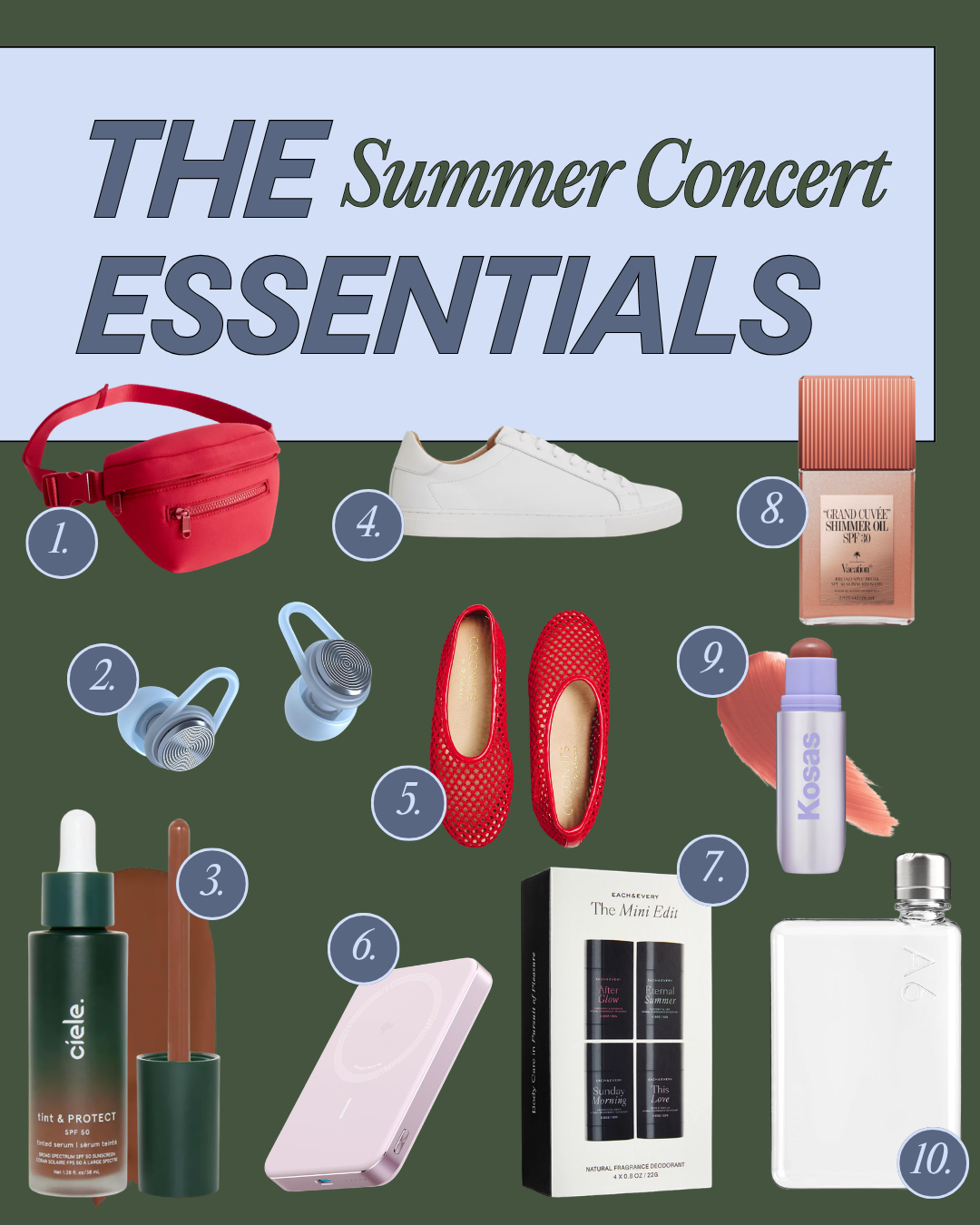
Your favorite artists are officially on tour, tickets are secured, and the group chat is active. Whether you're heading to a stadium show, an outdoor festival, or a sunset set at your local venue, these are the essentials that deserve a spot in your concert lineup.


1. Quince Neoprene Belt Bag, 2. Hears One Ear Plugs, 3. ciele tint & PROTECT serum foundation, 4. Quince Everyday Leather Sneakers, 5. Coconuts by Matisse Mesh Flats, 6. ANKER Portable Charger, 7. Each & Every Mini Deodorant, 8. Vacation Shimmer Oil Sunscreen, 9. Kosas Multistick, 10. memobottle Flat Water Bottle

Women’s health has spent decades fighting for a seat at the table—and now, one documentary is pulling back the curtain on why. The Pink Pill: Sex, Drugs & Who Has Control?, explores the battle to bring the first FDA-approved treatment for women’s low libido to market through the story of entrepreneur and women’s health advocate Cindy Eckert. But the film goes beyond one drug or one diagnosis, examining the systemic biases that have shaped how women’s bodies, sexual health, and healthcare needs are researched, discussed, and treated.


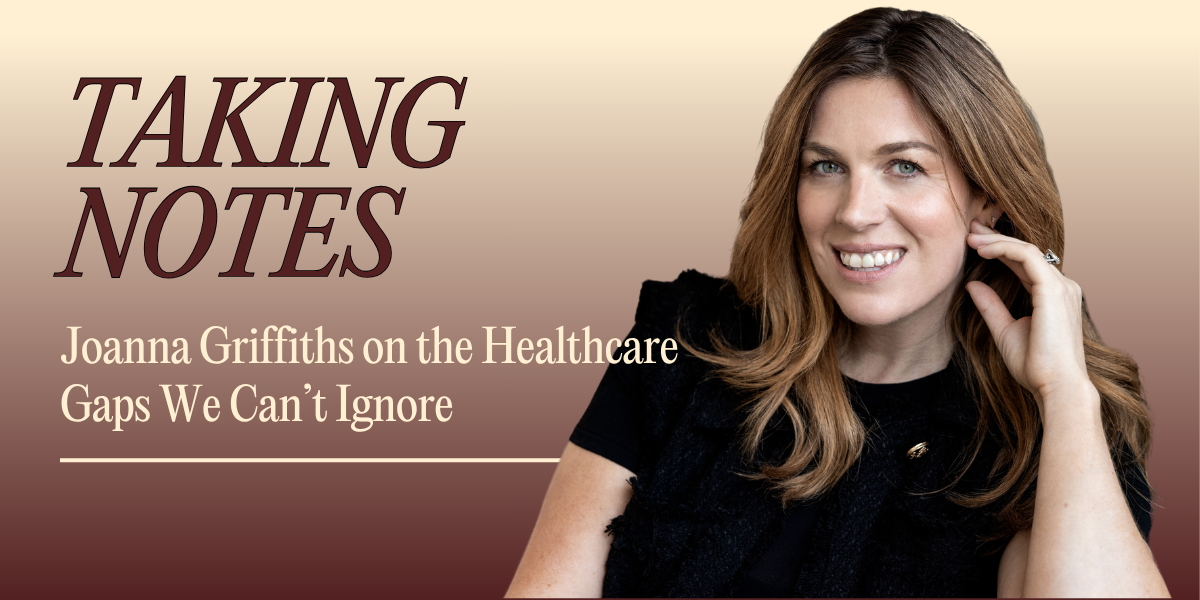
As the founder of Knix, executive producer Joanna Griffiths knows a thing or two about challenging the status quo. Now, through storytelling, she’s helping shine a light on the systemic gaps that continue to shape women’s healthcare.


We sat down with Joanna to talk about the documentary, the parallels between disrupting industries and disrupting conversations, and why giving women the mic has never been more important.


What drew you to The Pink Pill: Sex, Drugs & Who Has Control—and why did this story feel urgent to tell right now?
I’ve spent over a decade building Knix listening to women talk about things they were told not to talk about—periods, bladder leaks, fertility, postpartum recovery, perimenopause. What you quickly realize is that those gaps in conversation often reflect much bigger gaps in research, investment, and care.
The Pink Pill puts a spotlight on that disconnect. It felt urgent because we’re at an inflection point—women are demanding products, healthcare, and information that actually reflect their lived experiences, and that’s exactly the kind of shift Knix has always been a part of.


The documentary asks a bigger question about who has historically controlled narratives around women’s bodies. What did you uncover that surprised—or frustrated—you the most?
What’s frustrating is how consistent the pattern is. Knix has built a category by addressing needs that were overlooked, yet those same blind spots exist in healthcare at scale. Women’s experiences have often been deprioritized or under-researched, and you see the downstream effects everywhere. It reinforces how important it is to start with real people’s experiences and design from there, whether you’re building a product or shaping a healthcare solution.


You’ve built Knix by addressing gaps others ignored. Do you see parallels between disrupting apparel and disrupting conversations in healthcare?
Absolutely. Knix pioneered the leakproof category by taking everyday challenges seriously and engineering solutions that actually perform. That same mindset applies here. When you listen to people and validate their experiences, you create better outcomes. In apparel, that meant building products that work across bodies and life stages. In healthcare, it means pushing for research, solutions, and conversations that do the same.


Why is storytelling—especially through film—such a powerful tool for driving change in women’s health?
Storytelling makes the invisible visible. Data is critical, but stories create connection, empathy, and urgency. Film, in particular, reaches people in a way that feels immediate and human, it helps normalize conversations that might otherwise feel uncomfortable or stigmatized. That cultural shift is often what creates the conditions for real change.


What do you hope women take away from watching this—especially those who may have felt dismissed or overlooked in their own healthcare experiences?
I hope they feel seen, and empowered to trust their own experiences. So many women have been told to minimize or second-guess what they’re feeling. If this film helps validate those experiences and encourages even a small shift toward advocating for themselves, that’s incredibly meaningful.


Was there a moment in the film that personally stayed with you?

I will never forget the footage from the FDA hearing and the brave women that came forward and spoke so vulnerability about their experiences with Hypoactive Sexual Desire Disorder (HSDD). There is a mother-daughter duo that spoke together and a subtle moment where the mother puts her hand on the small of her daughter’s back (a subtle encouragement and reminder that she’s there with her) that chokes me up as I think about it.  


There is [also] a clip with one of the doctors, Dr Josh Gonzalez, where he shares his fear of having a daughter—not because of who she will become but because of how the world will treat her. As the mom of twin 5-year-old girls, that was a powerful reminder that we have to keep fighting to leave our kids with a better world.

Are you sure?

Lists help you organize the brands that you care about. Your lists are private to you.