|
͏ ͏ ͏ ͏ ͏ ͏ ͏ ͏ ͏ ͏ ͏ ͏ ͏ ͏ ͏ ͏ ͏ ͏ ͏ ͏ ͏ ͏ ͏ ͏ ͏ ͏ ͏ ͏ ͏ ͏ ͏ ͏ ͏ ͏ ͏ ͏ ͏ ͏ ͏ ͏ ͏ ͏ ͏ ͏ ͏
͏ ͏ ͏ ͏ ͏ ͏ ͏ ͏ ͏ ͏ ͏ ͏ ͏ ͏ ͏ ͏ ͏ ͏ ͏ ͏ ͏ ͏ ͏ ͏ ͏ ͏ ͏ ͏ ͏ ͏ ͏ ͏ ͏
|
|
|
There’s a rhythm to the Fourth of July. It begins in the afternoon with neighbors catching up on porches and the scent of cookouts drifting over fences before transforming into packed parks as everyone looks to the same evening sky.
For all the attention given to the fireworks, I’ve always thought the holiday’s greatest strength is its ability to bring people together. The Fourth creates space for the conversations and rituals that turn a collection of people into a community.
The Fourth is a day when citizenship feels tangible through the people around us and the stories we share. Those relationships and traditions ultimately connect us to something larger than ourselves, anchoring us in a community that endures even when times are tough.
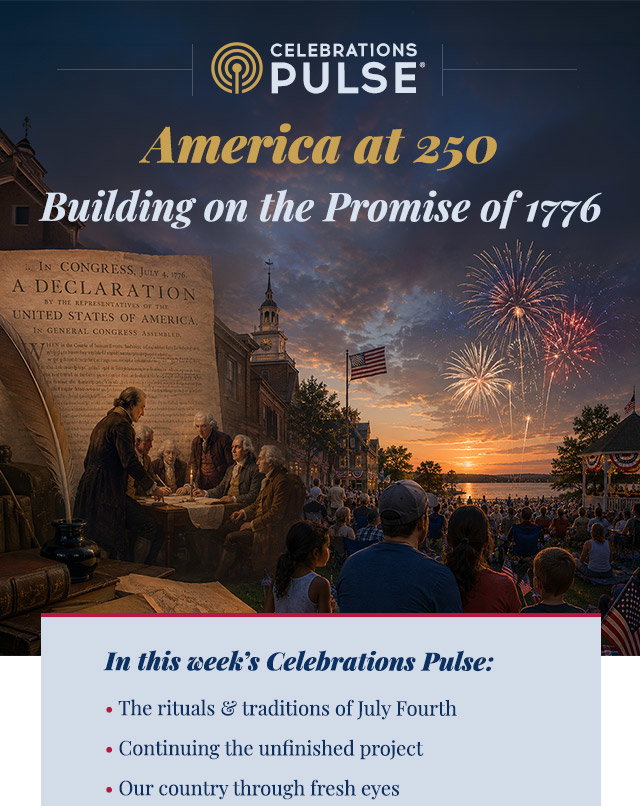
This year carries special significance as we mark the 250th anniversary of the Declaration of Independence
. Milestones like this invite us to consider not only how the country began but also how its story has been carried forward from one generation to the next.
|
|
The story of an unfinished project
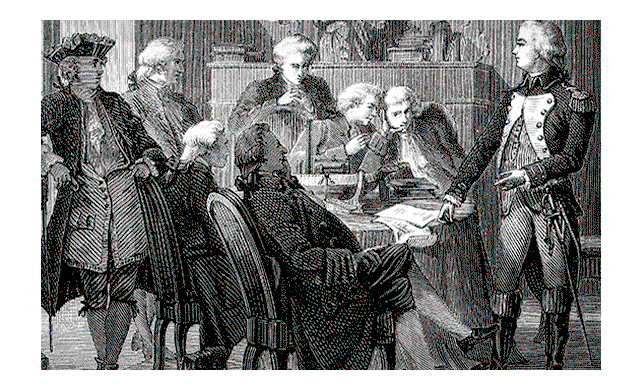
One of my favorite stories about 1776 involves the founders themselves. They came from different colonies and faiths. They were builders, farmers, lawyers, writers, and even shopkeepers.
Their debates were often messy and slow. Ideas traveled by horse and conversations stretched across months. The process required patience and a willingness to keep working through disagreements..
The Declaration of Independence, which emerged from that effort, established a set of ideals centered on liberty and equality. Those principles gave the new nation a direction and purpose, while leaving future generations with the responsibility of bringing them to life.
But the story did not end in 1776. Each generation inherited the work, shaped it in its own way, and passed it to their children. Two hundred fifty years later, the project is still unfolding, and the current chapter belongs to us and our disagreements.
|
|
Now it’s our turn
Over the last 250 years, generation after generation has added to the foundation laid in 1776. People have founded businesses, schools, places of worship, and other civic organizations. They also have passed along traditions that are core to the country we know today.
That process continues in our own time. Like the founders, none of us can see how the story will unfold for our children and grandchildren. We can only make our own contributions and trust that those who follow will build on them in ways we cannot yet imagine.
The Fourth of July offers a reminder that the work of community often begins with simple acts. A local parade, a neighborhood block party, or a conversation with someone you’ve never met may seem small in the moment. Yet these traditions help create the sense of belonging that connects one generation to the next.
By keeping those rituals alive, we strengthen the communities that future generations will inherit.
|
|
Through fresh eyes
America’s 250th anniversary comes at a moment when many people are feeling discouraged about the country. The political vitriol is hard to miss, and so is the sense that we are arguing more than listening.
Perspective can be hard to find when you’re living through a moment. Sometimes it comes through the eyes of people seeing a place for the first time.
This summer, as visitors from around the world arrive for the World Cup, many are experiencing the United States firsthand. They are encountering an America they didn’t expect.
They’re discovering local traditions, neighborhood celebrations, and communities eager to welcome visitors from thousands of miles away. They’re meeting strangers who offer directions, recommendations, and helping hands. More than a few have also discovered ranch dressing and become enthusiastic fans.
What these visitors are seeing has been passed from one generation to the next for centuries. For generations, communities have welcomed newcomers and created places where people feel they belong.
Like the Fourth of July cookout or the Main Street parade, these traditions endure because people continue to pass them along. They become part of the inheritance each generation leaves to the next and part of the story that visitors carry home with them.
|
|
Preparing for the Tricentennial
In 50 years, Americans will gather to celebrate the nation’s 300th birthday. I find myself wondering what they will inherit. Will they still gather with neighbors on summer evenings? Will they still pass along the traditions that connect one generation to the next? Will they still find reasons to come together in a country that has always been a work in progress?
The answer will be shaped, in part, by the choices we make today. Perhaps that’s what the Fourth of July asks of us each year: to look back with gratitude, look around with fresh eyes, and invest in the relationships and traditions that help communities thrive.
All the best,
|
|
In this week’s Power & Impact, I spoke with Dr. Nathan Bryan, a scientist whose life’s work centers on a molecule that most of us have never heard of but that he believes may hold important clues to how we age and why we get sick.
Nitric oxide helps regulate blood flow, oxygen delivery, and cellular communication throughout the body. Dr. Bryan says we produce plenty of it when we’re young, but much less as we get older. He believes that decline may contribute to many of the conditions we associate with aging, from cardiovascular disease to diminished energy and cognitive performance.
Our conversation explores why modern medicine often focuses on treating disease after it appears rather than preventing it in the first place. Dr. Bryan argues that many of the habits we’ve come to accept as normal — from what we eat to how we care for our oral health — may have unintended consequences for our long-term well-being. He also shares the research that led him from a university laboratory to founding his own company in an effort to bring those discoveries to a broader audience.
Whether or not you agree with all of Dr. Bryan’s conclusions, I think you’ll find this conversation thought-provoking. After all, progress often begins when someone is willing to question conventional wisdom and follow the evidence wherever it leads.
|
|
50 Years In: The Bicentennial Summer
As 1-800-Flowers.com marks its 50th anniversary, I’ve been thinking less about milestones and more about the moments that have helped shape our story. This week, here’s a story about the Bicentennial.
The year 1976 was filled with new beginnings for me. As America celebrated its bicentennial, Marylou and I welcomed our first child, and I opened my first flower shop.
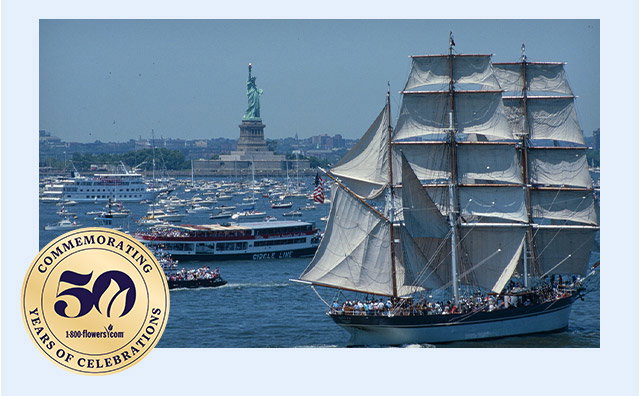
I still remember the excitement of that summer. Tall ships filled New York and Boston harbors. Communities gathered for parades and fireworks. Our flag seemed to be everywhere.
Beneath it all, the country was tired. People worried about their jobs, their savings, and where things were headed.
As a young father and first-time entrepreneur, I didn’t have time to think much about the state of the nation. I was thinking about customers, deliveries (including Marylou’s), and what kind of life I was building for my new family.
Fifty years later, I still vividly remember the uncertainty. But eventually, the shop found its footing — and so did the nation.
This year, as America celebrates its 250th birthday, 1-800-Flowers.com celebrates its 50th. For one-fifth of our nation's history, we’ve had the privilege of helping people express love, gratitude, sympathy, and celebration.
|
|
The secret of Living Well
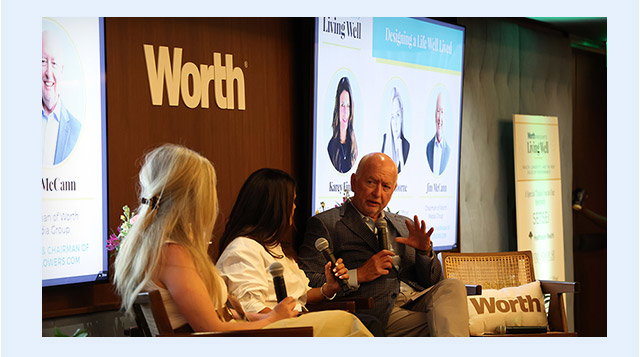
Earlier this month, I attended and spoke at Worth Media’s Living Well conference, where leaders from healthcare, technology, finance, and business gathered to discuss the future of longevity and human performance.
The conversations covered everything from preventive medicine and artificial intelligence to the role of recovery, movement, and purpose in helping people thrive as they live and work longer.
Throughout the day, speakers explored the factors that contribute to sustained performance, including energy, focus, judgment, resilience, and overall well-being. Many of the ideas centered on how people can remain healthy and productive over increasingly long careers and lives.
I explored those themes in a recent article for Worth magazine. It was written with business leaders in mind, but I suspect the lessons will resonate with anyone interested in making the most of the years ahead.
|
|
|
Related articles that caught my eye
|
|
|
|
|
|
|
Written by our Founder and Chairman, our Celebrations Pulse letters aim to engage with our community. From sharing stories to welcoming your ideas, we want to help you to express, connect, and celebrate the important people in your life.
|
|
|
|
|