|
͏ ͏ ͏ ͏ ͏ ͏ ͏ ͏ ͏ ͏ ͏ ͏ ͏ ͏ ͏ ͏ ͏ ͏ ͏ ͏ ͏ ͏ ͏ ͏ ͏ ͏ ͏ ͏ ͏ ͏ ͏ ͏ ͏ ͏ ͏ ͏ ͏ ͏ ͏ ͏ ͏ ͏ ͏ ͏ ͏
͏ ͏ ͏ ͏ ͏ ͏ ͏ ͏ ͏ ͏ ͏ ͏ ͏ ͏ ͏ ͏ ͏ ͏ ͏ ͏ ͏ ͏ ͏ ͏ ͏ ͏ ͏ ͏ ͏ ͏ ͏ ͏ ͏
|
|
|
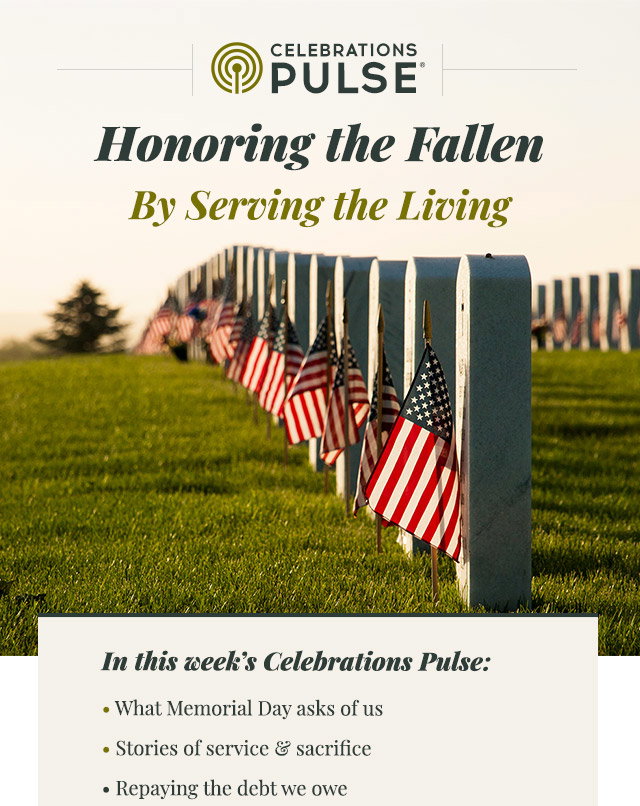
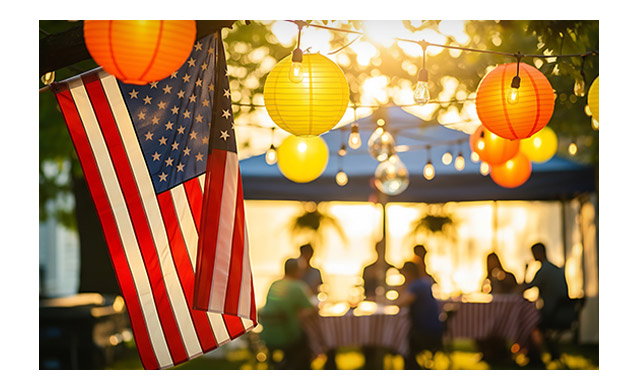
This weekend, Americans are firing up grills, throwing open pool gates, and spilling into backyards. Unofficially, it’s the start of summer. Officially, it’s
Memorial Day.
At first glance, the two occasions can feel mismatched. How do we enjoy a festive long weekend while honoring the men and women who gave their lives for this country? How do we balance celebration with solemn remembrance?
The answer, I think, lies within the weekend itself. It’s the children running through the yard, neighbors catching up over fences, and the simple freedom to gather in peace. These are the very freedoms our service members died to protect.
Recognizing this connection gives the holiday deeper meaning while also raising questions for the rest of the year. What are we doing with the freedom we’ve inherited? How are we caring for one another and ensuring that our heroes’ sacrifices are never forgotten?
|
|
Keeping the stories alive
Honoring Memorial Day can begin at home, blending naturally with summer traditions. Our family has developed a simple ritual to remember and celebrate those who served.
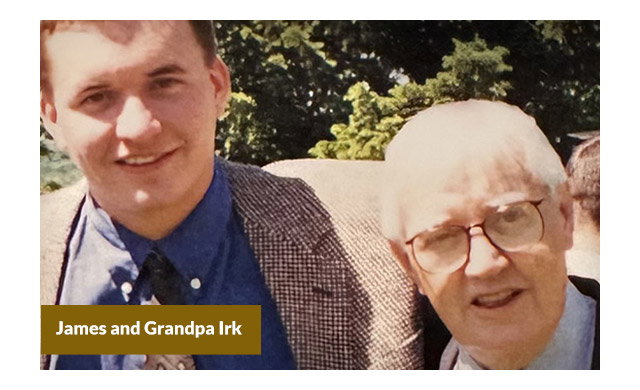
It started years ago when my oldest son, James, began asking his grandfather, Grandpa Irk, about his military service. Like many of his generation, he was reluctant to talk about his World War II experience, during which he flew B-29 Superfortresses for three years in the Pacific Theater before returning to civilian life in Pennsylvania.
Undeterred, James researched his grandfather’s military record. After sharing his discoveries with the family, we turned the idea into a patriotic holiday tradition: assigning a service-related research project to one of the grandchildren each year.
During our gatherings, family members present their findings, just as James did years ago. It has become a powerful way to keep history alive on Memorial Day, the Fourth of July, and Veterans Day. I hope you’ll give it a try with the young people in your family. It feels especially important as the generations who served in World War II, Korea, and Vietnam leave us.
|
|
Repaying our debt
Ultimately, Memorial Day is about more than remembrance; it’s a call to action. It forces us to look inward and evaluate what we are doing to strengthen our communities and serve causes larger than ourselves.
While most of us will never be asked to make the ultimate sacrifice, we are not relieved of our civic obligations. We must be humble enough to recognize the vast difference between our daily lives and the sacrifice made by those who died in uniform.
The heroes we honor on Memorial Day preserved our freedom to gather, speak, worship, and build. They paid the highest price to protect the communities we now call home. Because they secured the foundation of our society, our duty is to sustain and improve it, ensuring their sacrifice continues to yield a nation worth fighting for.
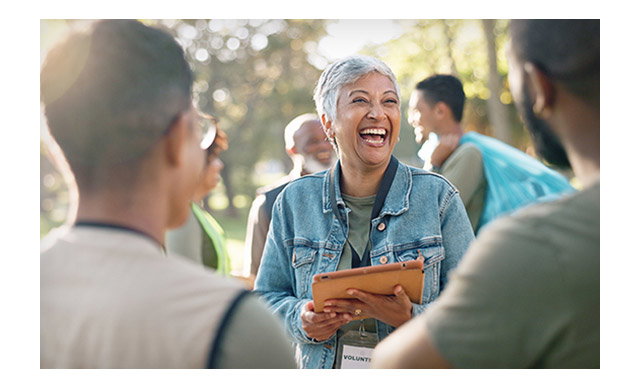
Remembrance and gratitude are only starting points; service is how gratitude becomes action. Whether that means mentoring someone, supporting a military family, volunteering locally, or simply being a good neighbor, the specific gesture matters less than the willingness to show up.
|
|
Building on a sacred foundation
A nation endures because its people remain willing to contribute. The service members we honor this weekend understood that. They gave their lives to preserve the everyday fabric of the communities they left behind.
But that fabric requires constant attention. Without people willing to ask what the moment demands of them, the inheritance our fallen heroes secured will diminish. What Memorial Day asks of us is whether we are contributing to the legacy we’ve been given.
How we answer that question in the weeks and months ahead — through the daily work of showing up for our neighbors and communities — will ultimately determine what kind of country we build on the foundation they died to protect.
All the best,
|
|
What happens after you build something people love, only to realize your biggest work is still ahead of you?
Eliza Blank spent more than a decade turning The Sill into a category-defining brand, bootstrapping the company for five years before taking outside capital and learning everything from brand strategy to financial modeling on the fly.
Then, at the height of her success, she pivoted to FarmLink, a nonprofit rescuing hundreds of millions of pounds of surplus food for the 48 million Americans who need it most.
In this episode of Celebrate Your Story, Eliza tells me what building a startup actually costs — the relationships you deprioritize, the sleep you lose, and the questions that don't show up in any business plan. She also talks about the partner who made the leap possible and the moment she realized purpose and profit don't have to live in separate worlds.
|
|
In this week’s episode of Power & Impact, I speak with Sol Rashidi about one of the biggest questions facing leaders, workers, students, and families today: How do we prepare for a future that is arriving faster than almost anyone expected?
Sol is an AI strategist, board adviser, and former chief AI officer who has spent years helping organizations understand how artificial intelligence is changing business. She brings deep expertise and genuine concern to this conversation, especially as companies race to adopt AI before they’ve fully thought through the implications.
We talk about what AI may mean for career paths, classrooms, consulting firms, startups, and family life. Sol explains why efficiency alone is not enough, and why critical thinking and judgment may become more valuable than ever.
Sol never loses sight of the human side of the issue. AI fluency is becoming essential, but technology alone will not determine the future. The question is whether we can use these tools wisely while preserving the expertise and relationships that make work meaningful.
|
|
50 Years In: Diplomacy in full bloom
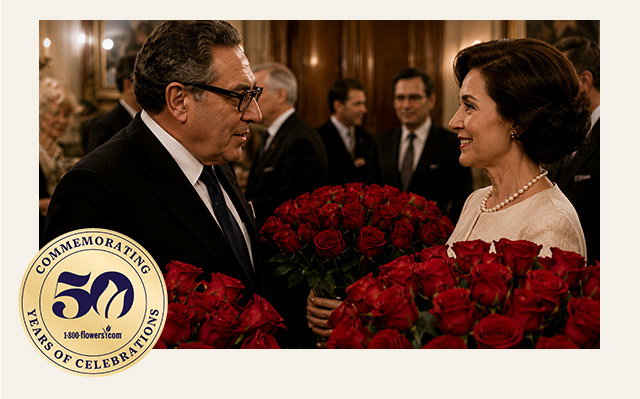
As 1-800-Flowers.com marks its 50th anniversary, I’ve been thinking less about milestones and more about the moments that have helped shape our story. This week, I’m reminded of how the wife of the Cuban ambassador and Henry Kissinger helped save my long weekend a half century ago.
Shortly after opening my first flower shop in Manhattan, I learned an early lesson about inventory, cash flow, and humility: Memorial Day was approaching, and I had ordered far too many roses.
That may sound like a nice problem for a florist. It wasn’t. Fresh flowers aren’t like shirts or shoes — you can't put last week’s roses on a sale rack. If the holiday passes and you've bought too much, the roses wilt, and your money goes with them.
At the time, Marylou and I were stretching every dollar. I was already calculating what this mistake would cost us that first summer, including how many steaks and cases of beer we would not be buying for the family barbecue.
Then the phone rang.
It was the wife of the Cuban ambassador to the United Nations. Invited to a party at Henry Kissinger’s
apartment, she wanted to bring something special. Her idea: three double vases filled with enormous long-stem roses. As for the cost, she said she would pay whatever it took.
By 7:30 that evening, the arrangements had been delivered to the apartment. The roses looked spectacular — and for a young florist who had badly misjudged the weekend, they solved a very real problem. We were sold out of roses.
I went home that night smiling and, for the first time that summer, hungry for a charcoal-broiled T-bone.
Fifty years in, I still think about that weekend. The lesson was that every business is built through moments of uncertainty, small mistakes, unexpected calls, and people who give you a chance to deliver. Luck doesn’t always save you, though you’ve got to be grateful when it does.
|
|
An unforgettable day on the greens
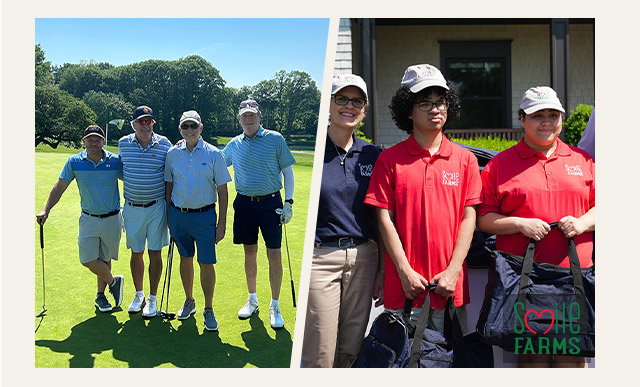
Supporters of Smile Farms gathered last week for the 12th Annual Smile Farms Golf Outing, a day that unfolded across two beautiful courses —
Sands Point Golf Club and North Hempstead Country Club — before everyone came together for an evening reception.
Every foursome, sponsor, and conversation over dinner helps create meaningful employment opportunities for people with developmental disabilities. That mission is at the heart of Smile Farms: helping people develop skills, build confidence, earn a paycheck, and experience the dignity that comes from meaningful work.
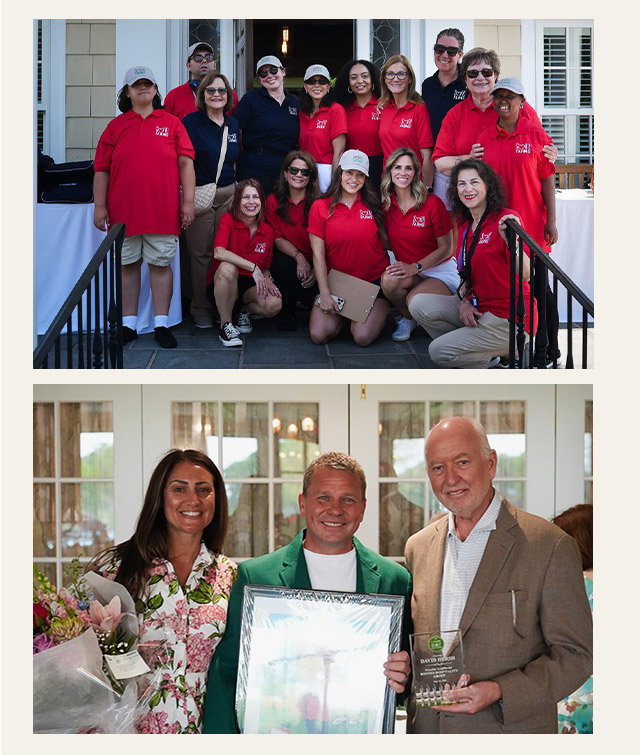
This year, Smile Farms honored David Hersh, founder and owner of Rooted Hospitality Group
. David has built his business around genuine hospitality and the belief that companies should enrich the lives of the people and communities they serve. That commitment makes him a natural partner in Smile Farms’ mission.
Thank you to David, our Golf Outing Committee, our sponsors, our golfers, and everyone who helped make this year’s outing such a memorable success. Because of this community, Smile Farms continues to grow opportunities on and off the course.
|
|
|
Related articles that caught my eye
|
|
|
|
|
|
|
Written by our Founder and Chairman, our Celebrations Pulse letters aim to engage with our community. From sharing stories to welcoming your ideas, we want to help you to express, connect, and celebrate the important people in your life.
|
|
|
|
|